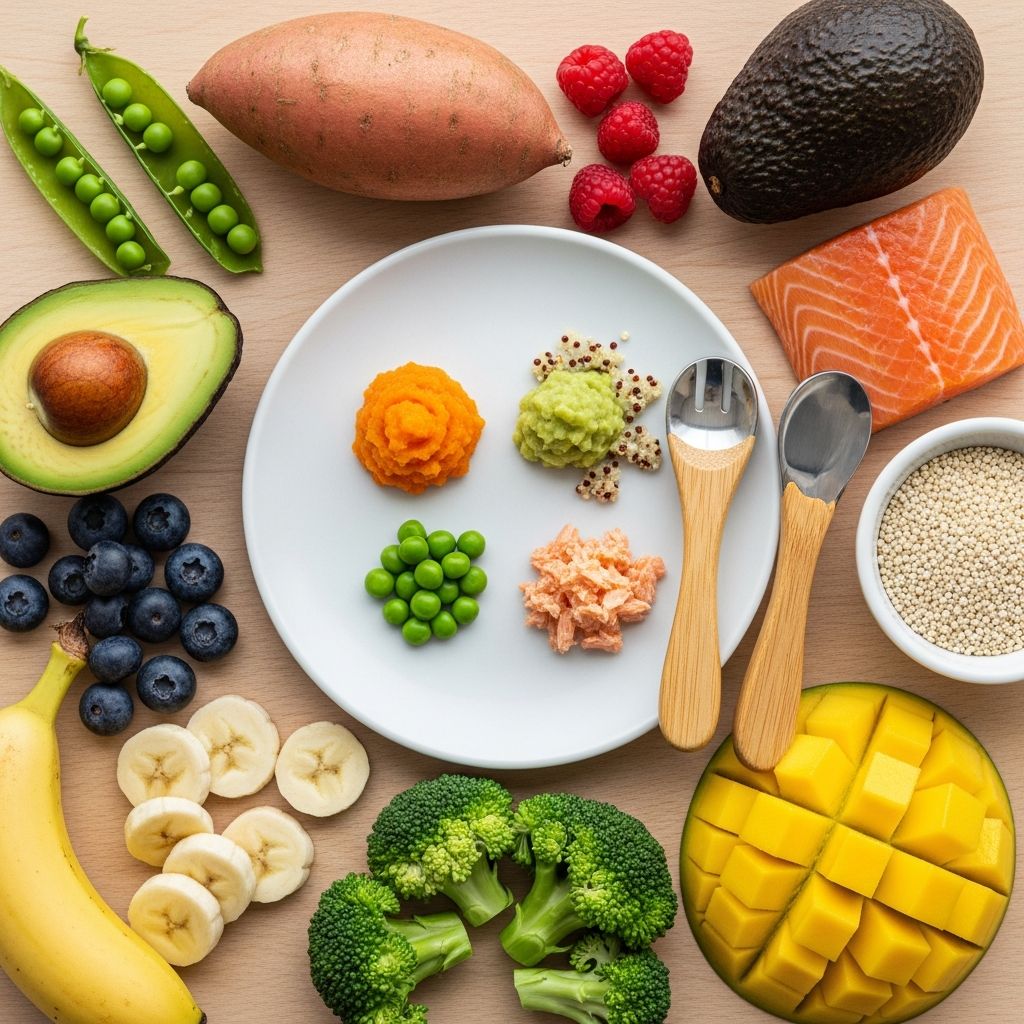
Building Strong Foundations: Nutritional Excellence for Your Young Child
The early years of childhood represent a critical window for establishing lifelong health patterns and supporting optimal physical and cognitive development. During infancy and the toddler years, a child’s nutritional needs are particularly high relative to body size, as they are rapidly building bone density, developing neural pathways, and establishing the foundation for future health. Parents and caregivers face the important task of selecting foods that deliver concentrated nutritional value in forms that developing children can safely consume and enjoy. Understanding which foods offer the greatest nutritional density—and how to introduce them appropriately—empowers families to make informed feeding decisions that benefit their children’s immediate health and long-term wellness.
The Science Behind Nutrient Timing and Introduction
Before exploring specific foods, it is valuable to understand the developmental progression of infant and toddler feeding. Breast milk or formula serves as the primary nutrition source during the first months of life, providing a carefully balanced combination of proteins, fats, carbohydrates, and essential micronutrients. Around six months of age, most infants demonstrate developmental readiness for solid food introduction, including signs such as sitting upright with minimal support and showing interest in food. This transition marks an opportunity to gradually expand the nutritional profile available to growing children.
The introduction of solid foods should follow a gradual progression, beginning with single-ingredient purees and advancing to more complex textures and combinations. This approach allows caregivers to identify potential allergic reactions or sensitivities while building acceptance of diverse flavors and textures. Offering a wide variety of colors and food categories ensures exposure to different beneficial compounds and helps establish open-minded eating patterns from an early age.
Protein-Rich Options: Building Blocks for Growth
Protein plays a fundamental role in childhood development, contributing to muscle growth, immune function, and the production of enzymes and hormones necessary for healthy development. Several protein sources offer particular advantages for young children.
Eggs: Complete Nutrition in One Package
Eggs represent one of the most nutrient-dense foods available for children. They contain all nine essential amino acids, making them a complete protein source, and provide choline, a nutrient crucial for brain development and memory function. Additionally, eggs supply B vitamins that support energy metabolism, iron for healthy blood development, and antioxidants including lutein and zeaxanthin that protect developing eyes. The versatility of eggs—easily scrambled, soft-boiled, or incorporated into other dishes—makes them convenient for regular inclusion in a child’s diet.
Fish: Omega-3 Powerhouses
Fatty fish varieties such as salmon provide omega-3 fatty acids, particularly EPA and DHA, which are essential for brain and eye development. Salmon also supplies high-quality protein, vitamin D for bone health, and selenium for antioxidant protection. For families concerned about mercury content in certain fish species, salmon represents a safe choice with high nutritional density, and nutritionists typically recommend two servings per week. Ground or flaked salmon can be mixed into purees or combined with softer foods to create age-appropriate preparations.
Plant-Based Proteins
For families practicing vegetarian or vegan feeding approaches, plant-based proteins deserve particular attention. Tofu provides all nine essential amino acids, making it a complete plant protein, along with calcium for bone development, iron, and isoflavones with antioxidant properties. Lentils deliver plant-based protein, iron, and fiber in a texture that becomes smooth when pureed, making them suitable even for younger infants progressing through solid foods. Legumes generally provide additional benefits including folate and minerals that support various developmental processes.
Brain-Supporting Fats and Seeds
Healthy fat consumption during childhood is not something to avoid—it is essential for neurological development and nutrient absorption. The brain requires substantial fat during formation, and specific fatty acids play irreplaceable roles in cognitive function and learning capacity.
Seeds and Nuts: Concentrated Nutritional Packages
Chia seeds exemplify how small foods can deliver outsized nutritional benefit. These tiny seeds pack omega-3 fatty acids, fiber, plant-based protein, and antioxidants, all supporting brain development and digestive health. Ground chia seeds can be stirred into porridge, yogurt, or mixed into fruit purees without significantly altering taste or texture, making them simple to incorporate into regular meals. Walnuts similarly provide omega-3 fatty acids, plant proteins, and fiber, specifically supporting brain development. Ground walnuts offer better safety and digestibility for young children compared to whole nuts. Other seeds and nuts, when ground or processed to appropriate consistency, contribute valuable omega-3s and minerals that developing children require.
Avocados: Creamy Brain Food
Avocados offer a unique nutritional profile combining healthy monounsaturated fats, more potassium than bananas, and substantial fiber. These fruits naturally appeal to young children through their creamy texture and mild flavor, making them excellent first foods. The high fat content supports absorption of fat-soluble vitamins while providing satiety that helps children feel satisfied after meals.
Vibrant Produce: Nature’s Colorful Nutrient Arsenal
The variety of colorful fruits and vegetables available ensures that children can access diverse beneficial compounds through diet. Different colors indicate different nutrient profiles, so encouraging consumption across the color spectrum maximizes nutritional coverage.
Berries and Their Antioxidant Content
Berries in all varieties—blueberries, strawberries, raspberries, and blackberries—concentrate antioxidants and vitamins in small, naturally sweet packages that appeal to young palates. Raspberries specifically provide vitamin C and vitamin K, abundant fiber, and plant compounds with antioxidant properties, while remaining relatively affordable, especially in frozen form. Blueberries deliver similar benefits while adding cognitive development support through their high antioxidant content. Blackberries provide 40% of the recommended daily vitamin C value and 7.6 grams of fiber per cup, supporting immune function and digestive health. These berries can be offered fresh and whole for older toddlers, pureed for younger children, or frozen and thawed for texture variety.
Leafy Greens: Foundation Vegetables
Dark leafy greens including spinach, kale, and Swiss chard offer exceptional nutrient density. They provide folic acid essential for preventing neural tube defects and supporting healthy brain development, along with iron and calcium for bone health and preventing anemia. Leafy greens can be incorporated into mixed purees, finely chopped into appropriate dishes, or cooked until very tender for ease of consumption.
Root Vegetables and Variations
Sweet potatoes deliver beta-carotene (a precursor to vitamin A), fiber, and vitamins A and C, supporting eye health, immunity, and digestive function. Their natural sweetness appeals to children, and they become creamy when steamed or baked and pureed. Peas offer vitamins A, C, and K, iron, folate, and more plant protein than many other vegetables. Quick-cooking and easily mashed, peas integrate readily into various dishes from soups to rice-based meals.
Grains and Seeds: Sustained Energy and Digestive Health
Whole grains support sustained energy release and digestive health through fiber content that benefits gut bacteria and helps maintain stable blood sugar levels. Unlike refined grains, whole grain options preserve the nutrient-dense germ and bran components.
Oatmeal: Prebiotic Support
Whole grain oatmeal provides soluble fiber that supports cholesterol metabolism and blood sugar stability while containing prebiotic fiber that positively alters beneficial gut bacteria and may improve digestive comfort. This combination of digestive support makes oatmeal an excellent base for meals, mixing well with fruit purees, seeds, and other nutrient-dense additions.
Quinoa: Complete Protein Grain
Unlike most grains, quinoa provides all nine essential amino acids, making it a complete protein particularly valuable for vegetarian-fed children. It also delivers fiber and iron, supporting energy production and healthy blood development. Cooked quinoa blends smoothly into appropriate textures for younger infants while remaining interesting in texture for advancing toddlers.
Dairy and Calcium-Rich Options
Calcium and related nutrients support bone development, muscle function, and various enzymatic processes throughout childhood. Multiple food sources can meet these requirements effectively.
Yogurt: Digestive and Immune Support
Plain yogurt provides calcium for bone health, B vitamins for energy metabolism and neurological function, and beneficial probiotic bacteria supporting digestive health. Unsweetened varieties ensure children experience the natural taste of foods without excess added sugars that might establish unhealthy sweet preferences. Yogurt’s versatile texture works well with fruit additions, granola for texture contrast, or as a base for frozen treats.
Milk: Foundational Calcium Source
Whole milk provides protein essential for building brain tissue, along with calcium and vitamin D for bone development and calcium absorption. After appropriate introduction of complementary foods, milk serves as an important component of a balanced toddler diet.
Comprehensive Nutrient Overview Through Food Variety
Rather than focusing exclusively on individual superfoods, optimal nutrition emerges from consuming a diverse range of whole foods across multiple categories. This approach ensures access to various beneficial compounds while reducing the risk of over-relying on limited food sources. The following table illustrates how different food categories contribute unique nutritional benefits:
| Food Category | Key Nutrients | Development Benefit | Serving Ideas |
|---|---|---|---|
| Fatty Fish | Omega-3 (DHA/EPA), Protein, Vitamin D | Brain and eye development | Ground salmon mixed with sweet potato puree |
| Berries | Antioxidants, Vitamin C, Fiber | Immune function and cognitive health | Blueberry puree or whole raspberries for older toddlers |
| Leafy Greens | Folate, Iron, Calcium | Neural and bone development | Finely chopped into vegetable mixes or cooked tender |
| Legumes | Plant protein, Iron, Fiber | Muscle growth and digestive health | Pureed lentils as standalone or mixed with grains |
| Eggs | Complete protein, Choline, B vitamins | Memory and neurological development | Soft scrambled or mixed into grain dishes |
| Whole Grains | Fiber, B vitamins, Minerals | Energy and digestive health | Oatmeal with fruit or quinoa with vegetable purees |
| Healthy Fats | Monounsaturated fats, Omega-3 | Brain development and nutrient absorption | Avocado puree or ground walnuts stirred into foods |
Practical Integration Strategies
Understanding which foods offer nutritional benefits represents only part of the feeding equation. Successful integration into regular meal patterns requires practical approaches that work within family routines. Starting with single-ingredient introductions allows monitoring for potential reactions while building acceptance. Gradually combining foods creates more interesting textures and flavors while maintaining transparency about which foods are being introduced. Repeated exposure to new foods, particularly vegetables and less naturally sweet options, typically increases acceptance through familiarity rather than preference for innate taste. Involving children in food selection and preparation, when developmentally appropriate, builds interest and ownership in eating patterns that extend into later childhood.
Building Healthy Patterns for Long-Term Wellness
The foods introduced during infancy and toddlerhood shape both immediate nutritional status and long-term eating patterns. Children who experience diverse, minimally processed whole foods develop broader food acceptance and stronger preferences for nutritious options. The variety emphasized throughout this discussion—across colors, food categories, and nutrient profiles—creates resilience in nutritional intake, ensuring that if one food becomes unavailable or rejected, other options provide similar nutritional support. This approach proves more sustainable than relying on a narrow range of foods or supplements to meet nutritional needs.
Important Considerations and Safety
While nutrient-dense whole foods form the foundation of healthy childhood nutrition, several practical considerations support safe and effective feeding. Foods should be prepared according to developmental readiness, with appropriate textures preventing choking risk while supporting skill development. Introducing one new food at a time allows recognition of potential allergic reactions or food sensitivities. While whole foods provide excellent nutrition, supplements may occasionally be recommended by pediatric healthcare providers for specific nutrients in individual cases. Consulting with pediatricians or registered dietitians ensures feeding approaches align with individual child health needs and family values.
Frequently Asked Questions
When should I start introducing solid foods to my baby?
Most infants show readiness for solid foods around six months of age, demonstrated by sitting upright with minimal support, loss of the tongue-thrust reflex, and interest in food. Consult your pediatrician to confirm individual readiness.
How can I prevent choking when introducing new foods?
Puree foods for younger infants, progress to mashed textures as skills develop, and always supervise eating. Avoid hard, round, or sticky foods; cut grapes and cherry tomatoes lengthwise.
Can I feed my toddler nuts and seeds safely?
Whole nuts and seeds pose choking hazards. Use ground or finely chopped versions mixed into other foods, or introduce nut/seed butters once developmentally appropriate and without allergy history.
How do I handle food rejection in toddlers?
Repeated exposure to foods builds familiarity and acceptance. Offer rejected foods multiple times in low-pressure situations; neophobia (fear of new foods) is normal and typically resolves with exposure.
Should I worry if my child doesn’t eat certain superfoods?
No single superfood is irreplaceable. A varied diet across food categories ensures access to needed nutrients even when individual foods are rejected. Focus on overall dietary diversity rather than specific items.
Is organic food necessary for young children?
Both organic and conventional whole foods provide nutritional benefits. Focus on offering diverse whole foods; clean produce thoroughly regardless of farming method. Budget constraints should not prevent offering fruits and vegetables.
References
- 7 Super Foods to Offer to Babies and Toddlers (Almost) Every Day! — SR Nutrition. 2025-06-15. https://www.srnutrition.co.uk/2025/06/7-super-foods-to-offer-to-babies-and-toddlers-almost-every-day/
- 8 Superfoods to Boost Your Child’s Diet — Children’s Hospital of Orange County (CHOC) Health Hub. https://health.choc.org/8-superfoods-to-boost-your-childs-diet/
- Top Superfoods for Newborns’ Nutrition — Happy Bun Pediatrics. https://www.happybunpeds.com/nutrition/tiny-tummies-big-benefits-top-superfoods-for-newborn-babies/
- Ten Superfood Options for Super Kids — Rainbow Pediatrics. https://www.rainbowpeds.net/ten-superfood-options-super-kids/
- Top Five Kid-Friendly Superfoods — Chef Ann Foundation. https://www.chefannfoundation.org/blog/top-five-kid-friendly-superfoods/
- Baby Brain Food: 7 Foods to Fuel Brain Development — UCLA Health. https://www.uclahealth.org/news/article/baby-brain-food-7-foods-to-fuel-brain-development
- Superfoods Build Super Children — CHRISTUS Health. https://www.christushealth.org/connect/your-health/care-for-kids/superfoods-build-super-children