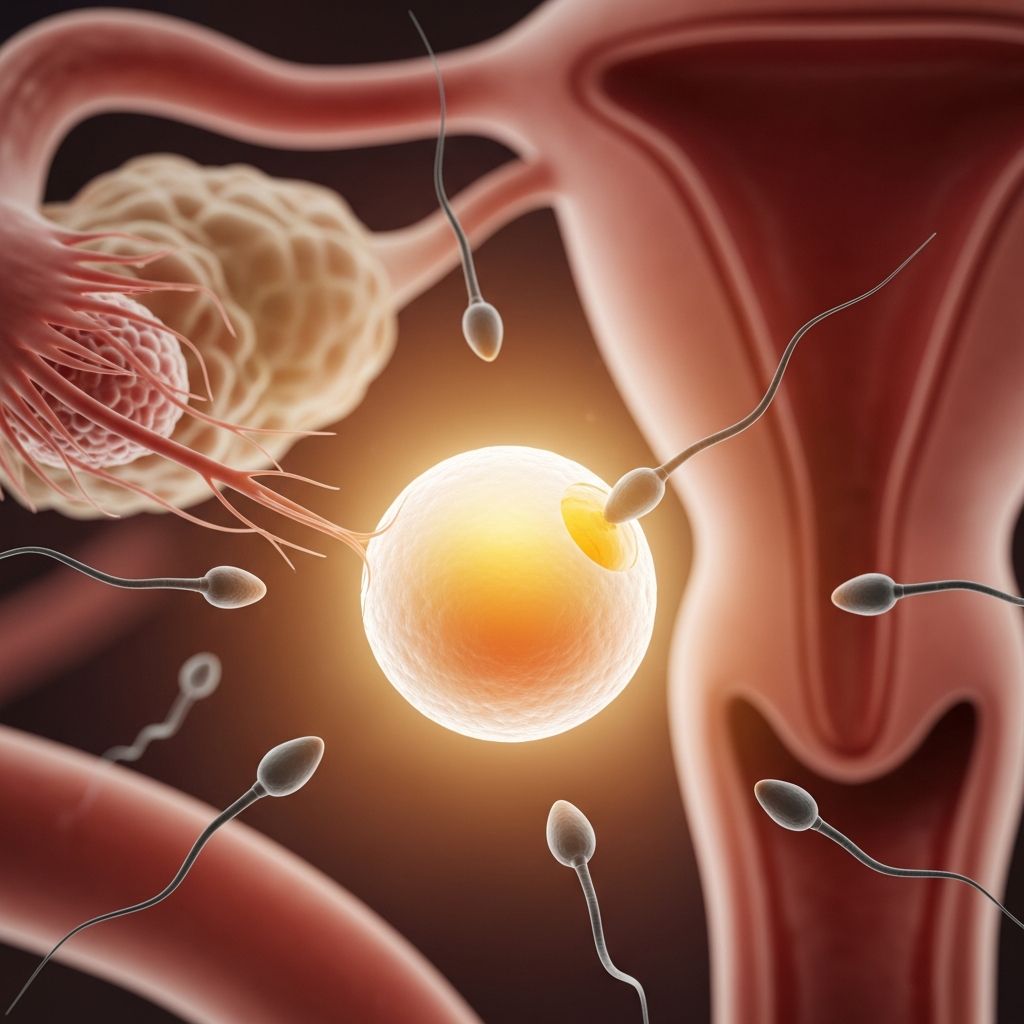
Reaching week 14 marks the official entry into the second trimester, often called the ‘golden period’ of pregnancy due to reduced discomforts and heightened vitality. Your body begins adapting more smoothly, while your baby undergoes remarkable developmental leaps. This guide delves into fetal progress, physical shifts, common sensations, dietary recommendations, and practical strategies to enhance well-being.
Fetal Milestones: What’s Happening Inside at 14 Weeks
By this stage, your baby transitions from embryo to fully formed fetus, measuring approximately 3.5 inches crown-to-rump and weighing around 1.5 ounces, comparable to a lemon in size. The neck becomes distinctly defined, separating the head from the torso for better proportion.
Key organ systems mature rapidly: the spleen starts producing red blood cells, supporting circulation independently, while the liver initiates bile production essential for digestion later on. Brain development accelerates, enabling facial muscles to form expressions such as frowning, squinting, or even thumb-sucking—a sign of emerging reflexes.
The face gains recognizability with fully developed eyes and eyelids (though fused shut), a lengthening neck, and tiny nails sprouting on fingers and toes. Reflexes activate; touching the hands or feet prompts curling responses. Genitals become clearer, though ultrasound confirmation of sex typically awaits later scans. These advancements reduce miscarriage risks as critical formation phases conclude.
- Size and Weight: 3.5 inches (87 mm), 1.5 oz (45 g)
- Skeletal Growth: Arms lengthen for balanced proportions
- Sensory Development: Potential for subtle thumb-sucking
- Organ Function: Spleen aids blood cell production; liver processes bile
Maternal Transformations: Body Changes to Anticipate
Hormonal stabilization—particularly declining hCG alongside steady estrogen and progesterone—ushers in relief from first-trimester woes, boosting energy and appetite. Many report a ‘pregnancy glow’ from amplified oil production, enhancing skin radiance.
The uterus expands to orange-sized, pushing the belly outward; a subtle bump emerges, varying by prior pregnancies, body type, and muscle tone. First-timers may notice later, while multiparous women often show sooner due to uterine memory. Breasts might enlarge further, possibly leaking colostrum—thick, yellowish pre-milk.
Persistent adjustments include digestive slowdown causing bloating or constipation, nasal congestion from mucosal swelling, and occasional headaches or gum sensitivity. Weight gain accelerates to 1-2 pounds weekly, totaling 2-4 pounds so far for average builds. Maternity attire becomes practical as waistbands tighten.
| Common Change | Description | Management Tip |
|---|---|---|
| Baby Bump | Low, emerging protrusion | Opt for loose, breathable clothes |
| Breasts | Larger, possible colostrum | Use nursing pads for leaks |
| Digestion | Bloating, constipation | Increase fiber, stay hydrated |
| Energy | Surge post-fatigue | Incorporate light walks |
Symptom Spectrum: Easing Discomforts and New Sensations
Morning sickness fades for most, restoring appetite and curbing fatigue. However, nasal stuffiness persists from elevated blood volume; humidifiers or saline rinses provide relief. Headaches yield to hydration, rest in dim environments, and stress reduction.
Gums may bleed due to hormonal effects—gentle brushing and flossing mitigate this. Ligament stretching around the abdomen introduces mild aches as the bump forms. Skin changes like new moles or tags are benign but warrant monitoring. Fatigue lingers for some; prioritize naps without guilt.
Quickening—initial flutters—rarely occurs at 14 weeks, typically arriving weeks 16-24, earlier for experienced mothers. Gas or hunger pangs often mimic these.
Nutrition Blueprint: Fueling Growth at 14 Weeks
Caloric needs rise modestly (about 340 extra daily calories), emphasizing nutrient density over quantity. Prioritize folate-rich greens, iron-packed proteins, calcium sources, and omega-3s for neural health. Hydration combats constipation; aim for 10 cups daily.
- Proteins: Lean meats, eggs, legumes for tissue building
- Fruits/Veggies: Berries, spinach for vitamins/antioxidants
- Dairy: Yogurt, milk for bone development
- Whole Grains: Oats, quinoa to sustain energy
- Avoid: Raw fish, unpasteurized items for safety
Small, frequent meals prevent heartburn; ginger tea soothes nausea remnants. Prenatal vitamins bridge gaps, especially vitamin D and iron.
Daily Wellness Strategies: Enhancing Comfort and Health
Embrace posture tweaks: sit with back support, sleep on your side with pillows wedged under the belly and knees. Pregnancy-specific pillows alleviate strain. Short walks (20-30 minutes) boost circulation, mood, and digestion without overexertion.
Stretch gently to maintain flexibility, focusing on hips and back. Elevate feet periodically to deter swelling. Maternity bands extend regular pants temporarily. Track weight and symptoms in a journal for prenatal discussions.
Emotional health matters: second-trimester euphoria aids bonding. Visualize your baby via apps or ultrasounds. Partner involvement through classes fosters connection.
Medical Check-Ins: Prenatal Care Essentials
Schedule your second-trimester anatomy scan around weeks 18-20 to assess development. At 14 weeks, routine visits monitor blood pressure, urine, and fundal height. Quad screen tests (if opted) evaluate chromosomal risks via bloodwork. Discuss skin changes or persistent symptoms promptly.
Vaccinations like flu shots align with seasonal needs; Tdap follows later.
Future Horizons: Weeks 15 and Beyond
Ahead, the bump rounds out, quickening delights, and energy peaks. Prepare for round ligament twinges and minor swelling by continuing routines. Lanugo fine hairs and vernix coating emerge on baby, enhancing protection.
Frequently Asked Questions
Can I feel baby movements at 14 weeks?
It’s uncommon; quickening usually starts 16-24 weeks, varying by pregnancy number and build.
Is weight gain of 1-2 pounds weekly normal?
Yes, aligning with healthy progression; consult if excessive or absent.
How to manage constipation?
Fiber-rich diet, ample water, prunes, and walking help most.
Should I switch to maternity clothes now?
If comfortable; bands extend others, but breathable options suit expanding bellies.
What’s the pregnancy glow?
Increased oils and blood flow brighten skin; moisturize to counter dryness.
References
- What to Expect at 14 Weeks Pregnant — Sera PreTRM. 2023. https://www.pretrm.com/for-moms/healthy-pregnancy-blog/pregnancy/what-to-expect-at-14-weeks-pregnant/
- 14 Weeks Pregnant: Baby Development, Symptoms & Tips — Natural Cycles. 2023. https://www.naturalcycles.com/cyclematters/14-weeks-pregnant
- Pregnancy at week 14 — Pregnancy Birth & Baby (Australian Government-funded). 2023. https://www.pregnancybirthbaby.org.au/pregnancy-at-week-14
- Fetal development: The second trimester — Mayo Clinic. 2024-10-15. https://www.mayoclinic.org/healthy-lifestyle/pregnancy-week-by-week/in-depth/fetal-development/art-20046151
- 14 Weeks Pregnant — American Pregnancy Association. 2023. https://americanpregnancy.org/healthy-pregnancy/week-by-week/14-weeks-pregnant/
- Second Trimester of Pregnancy: What To Expect — Cleveland Clinic. 2024. https://my.clevelandclinic.org/health/articles/16092-pregnancy-second-trimester