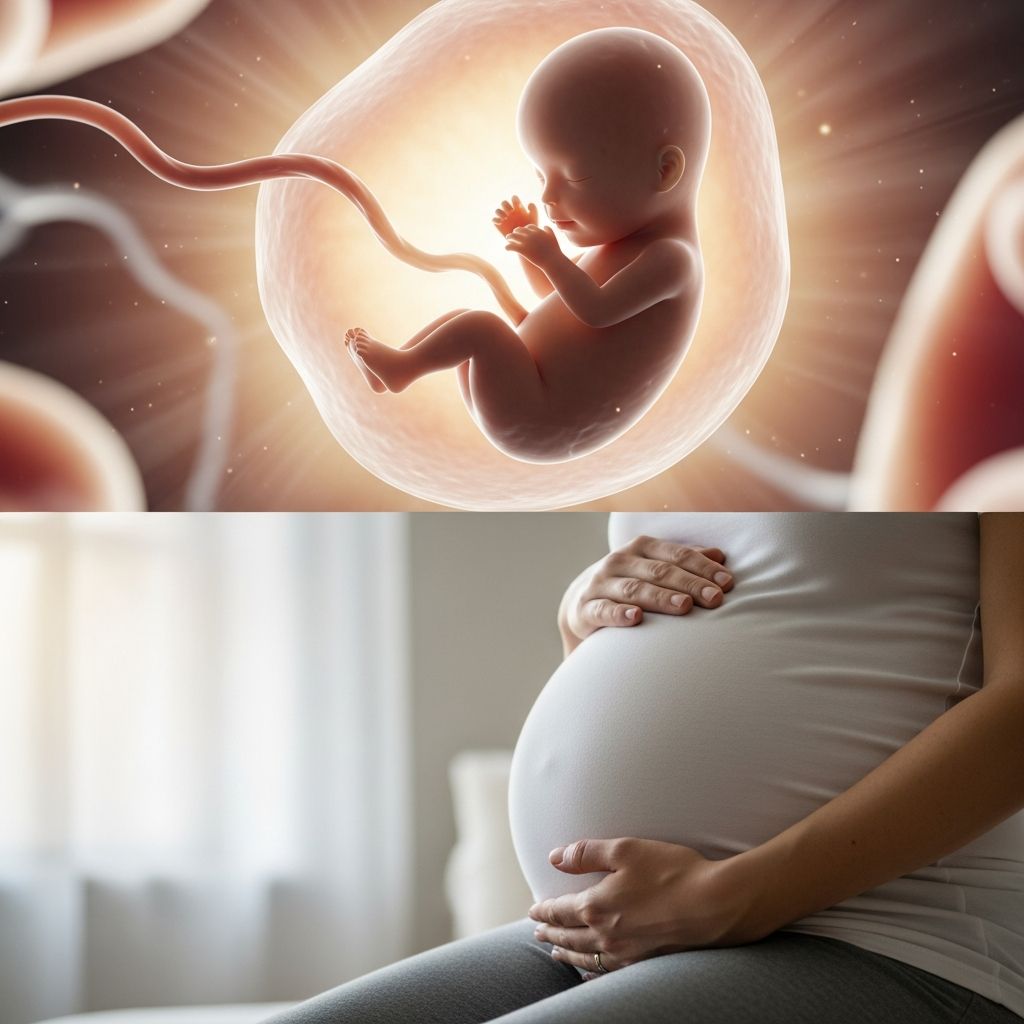
Reaching the 13th week marks the exciting transition into the second trimester, often called the ‘honeymoon phase’ of pregnancy due to easing symptoms and rising energy levels. Your baby, now roughly the size of a lemon at about 2.6 inches long and weighing around 2.6 ounces, undergoes significant developments while your body adapts to support this growth.
Fetal Milestones: What Your Baby Is Doing at 13 Weeks
By week 13, your baby’s major organs and body systems are forming rapidly, shifting from the embryonic stage to a more recognizable fetal appearance. The head, previously half the body length, now constitutes about one-third, allowing for proportional growth in the torso and limbs.
- Unique Identifiers Form: Fingerprints appear on the tips of tiny fingers, a permanent trait unique to your child.
- Urinary System Activates: Kidneys and urinary tract function fully, enabling your baby to process and excrete amniotic fluid swallowed during development.
- Protective Covering Emerges: Fine, soft hair called lanugo covers the skin, regulating body temperature in the womb.
- Motor Skills Develop: Vigorous movements occur, including arm and leg motions, thumb-sucking, and fist-making, though you may not feel them yet.
- Reproductive Organs Mature: Testes or ovaries are fully developed; external genitals like penis or clitoris continue growing, potentially visible on later ultrasounds.
Organs such as the liver, pancreas, and vocal cords begin functioning, with soft hair sprouting on eyebrows and head. The placenta, now fully formed, delivers oxygen, nutrients, and hormones like progesterone and estrogen while removing waste.
Maternal Body Transformations in Week 13
As you enter week 13, hormonal stabilization often brings relief from first-trimester woes. Your uterus expands beyond the pelvis, creating a slight belly bump, and blood volume increases, making veins more visible.
| Symptom | Description | Management Tips |
|---|---|---|
| Nausea Easing | Morning sickness typically subsides as hormone levels balance. | Eat small, frequent meals; ginger tea or acupressure bands. |
| Energy Surge | Boosted vitality signals the second trimester’s start. | Resume light exercise like walking or prenatal yoga. |
| Breast Changes | Larger, lumpier breasts with visible veins; colostrum production begins. | Wear supportive bras; gentle massage if leaking. |
| Stretch Marks & Itchiness | Appear on abdomen, breasts, hips due to skin stretching. | Moisturize with lotions containing cocoa butter or hyaluronic acid. |
| Digestive Issues | Heartburn, constipation, cravings from progesterone slowdown. | Fiber-rich foods, hydration, antacids if approved by doctor. |
Skin changes include melasma (dark facial patches) and linea nigra (dark midline on abdomen), both hormone-driven and temporary. Vaginal discharge increases to protect against infection, and some experience heightened libido due to better blood flow. Ligament stretching may cause sharp lower belly pains, normal unless severe.
Prenatal Checkups and Screenings at 13 Weeks
Week 13 often includes key appointments. A 13-week ultrasound visualizes growth, heartbeat, and possibly nuchal translucency for chromosomal risks. Non-invasive prenatal testing (NIPT) screens for conditions like Down syndrome via maternal blood.
- First Trimester Screening Completion: Combines ultrasound and blood tests for risk assessment.
- Weight and Blood Pressure Checks: Monitor steady gain (ACOG recommends 1-4 lbs total by end of first trimester for normal BMI).
- Urine Tests: Detect protein or glucose issues early.
Discuss any concerns like cramping or bleeding immediately. Most multiparous women might feel flutters soon, but first-time moms wait until 18-25 weeks.
Nutrition Essentials for Optimal Development
Fuel baby’s growth with a balanced diet emphasizing folate, iron, calcium, and omega-3s. Aim for 300 extra calories daily in the second trimester.
- Folate-Rich Foods: Leafy greens, legumes to prevent neural tube defects.
- Iron Sources: Lean meats, spinach paired with vitamin C for absorption.
- Calcium Boost: Dairy, fortified plant milks for bone development.
- Hydration: 10-12 glasses of water to combat constipation and support amniotic fluid.
Avoid raw fish, unpasteurized dairy, and excess caffeine (<200mg/day). Prenatal vitamins bridge gaps.
Safe Exercise and Wellness Practices
With renewed energy, incorporate 150 minutes of moderate activity weekly. Strengthen pelvic floor with Kegels to aid delivery and postpartum recovery.
- Recommended Activities: Swimming, stationary cycling, walking—low-impact to avoid overheating.
- Pelvic Floor Exercises: Contract muscles 10-15 times, 3 sets daily.
- Rest and Sleep: Elevate legs to reduce swelling; aim for 7-9 hours nightly.
Sex is safe unless contraindicated; increased sensitivity may cause light spotting.
Emotional Well-Being and Partner Involvement
Mood swings lessen, but body image shifts can arise. Journaling or prenatal classes foster positivity. Involve partners in appointments for bonding.
Potential Red Flags: When to Contact Your Doctor
- Severe abdominal pain or persistent cramping.
- Vaginal bleeding or heavy spotting.
- Sudden swelling, headaches, or vision changes (preeclampsia signs).
- Decreased fetal movement (later in trimester).
- Fever or signs of infection.
Trust instincts; prompt care ensures safety.
Frequently Asked Questions (FAQs)
Can I feel my baby move at 13 weeks?
Some, especially experienced moms, may sense flutters, but it’s common to wait until 16-25 weeks.
Is cramping normal at 13 weeks pregnant?
Mild cramps from ligament stretching or gas are typical; severe pain warrants a call to your provider.
How much weight should I gain by week 13?
1-5 lbs total for first trimester, depending on pre-pregnancy BMI per ACOG guidelines.
Why are my breasts leaking at 13 weeks?
Colostrum, the first milk, may express; it’s a sign of preparation for breastfeeding.
Is it safe to dye my hair during week 13?
Highlights or ammonia-free dyes post-first trimester are generally considered low-risk; consult your doctor.
References
- 13 Weeks Pregnant — American Pregnancy Association. 2023. https://americanpregnancy.org/healthy-pregnancy/week-by-week/13-weeks-pregnant/
- Pregnancy at Week 13 — Pregnancy Birth & Baby. 2024. https://www.pregnancybirthbaby.org.au/pregnancy-at-week-13
- Pregnancy at 13 Weeks: Weekly Calendar (for Parents) — KidsHealth. 2023. https://kidshealth.org/Advocate/en/parents/week13.html
- Your Changing Body – Week 13 — Kaiser Permanente. 2023. https://mydoctor.kaiserpermanente.org/ncal/article/your-changing-body-week-13-882273
- 13 Weeks Pregnant: Baby Development, Symptoms and Tips — The Bump. 2024. https://www.thebump.com/pregnancy-week-by-week/13-weeks-pregnant
- Second Trimester of Pregnancy: What To Expect — Cleveland Clinic. 2024-01-02. https://my.clevelandclinic.org/health/articles/16092-pregnancy-second-trimester