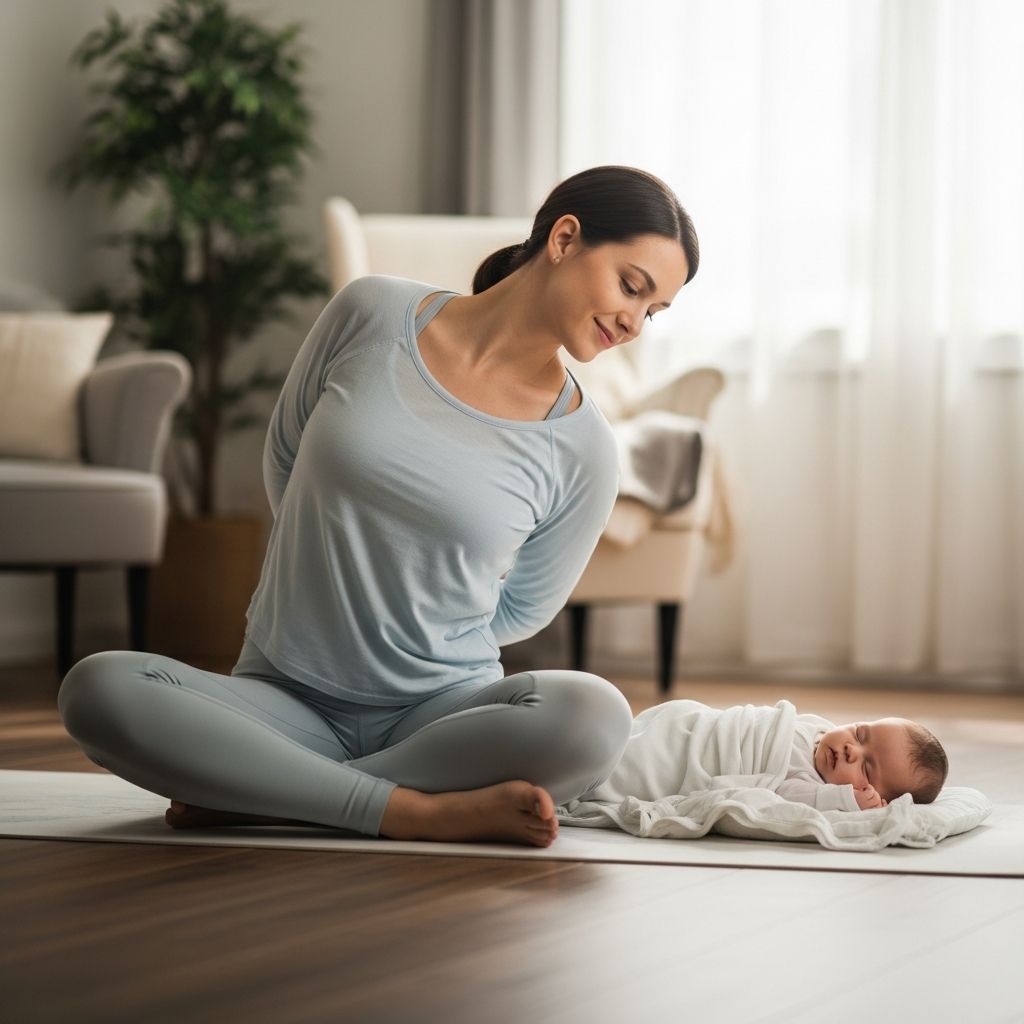
Postpartum yoga provides a nurturing pathway for new mothers to reconnect with their bodies, fostering physical recovery and emotional balance in the early weeks after birth. This practice emphasizes gentle movements that target weakened areas like the core and pelvic floor while promoting relaxation amid the demands of newborn care.
Why Postpartum Yoga Matters for Recovery
Childbirth transforms the body, often leaving muscles stretched, joints loosened, and energy depleted. Postpartum yoga addresses these changes by rebuilding strength gradually, enhancing flexibility, and supporting mental health. Research from authoritative health bodies confirms that moderate physical activities, including yoga, are safe and beneficial for healthy postpartum women, helping to tone abdominal muscles, boost energy, prevent depression, improve sleep, and relieve stress.
Physically, it aids in realigning the spine, releasing tension from breastfeeding and carrying, and restoring pelvic stability. Emotionally, the mindful breathing and poses cultivate resilience against fatigue and hormonal shifts. Unlike intense workouts, postpartum yoga prioritizes healing over exertion, making it ideal for the first year post-delivery.
Key Benefits of Starting Yoga After Baby
- Core and Pelvic Floor Restoration: Pregnancy weakens these areas; targeted poses rebuild them safely, reducing back pain and incontinence risks.
- Posture Improvement: Counteracts slouching from nursing, strengthening the back and shoulders for better alignment.
- Stress and Mood Enhancement: Breathing techniques lower anxiety and support emotional well-being during sleep-deprived days.
- Increased Energy and Flexibility: Gentle stretches combat stiffness from repetitive baby-holding motions.
- Better Sleep and Hormonal Balance: Restorative practices promote deeper rest and aid postpartum hormone regulation.
When Can You Safely Begin Postpartum Yoga?
Timing depends on delivery type and recovery. For uncomplicated vaginal births, light breathing and stretches may start once bleeding stops, typically around 4-6 weeks, after medical clearance. C-section mothers should wait at least 6-8 weeks or until cleared by their provider, as incisions need full healing. Always consult a healthcare professional first, especially if complications like diastasis recti or pelvic pain persist.
| Delivery Type | Wait Time | Initial Focus |
|---|---|---|
| Vaginal (no issues) | 4-6 weeks post-clearance | Breathing, gentle stretches |
| C-Section | 6-8 weeks post-clearance | Restorative poses, no core strain |
| With complications | Per doctor advice | Modified, supervised practice |
The CDC affirms moderate activity is safe for healthy postpartum women in the first year, but listen to your body—stop if you notice pain, dizziness, or increased bleeding.
Essential Poses for Postpartum Healing
Begin with 10-15 minute sessions, 3-5 times weekly. Use props like pillows for support. Focus on breath: inhale to lengthen, exhale to engage gently.
Seated Forward Fold for Hamstring Release
Sit with legs extended, fold forward from hips while keeping spine long. This eases tight hamstrings and lower back tension from labor. Hold 5 breaths, repeat 3 times. Modification: Bend knees or use a strap.
Bridge Pose for Glute and Pelvic Activation
Lie on back, feet hip-width, lift hips slightly on exhale. Strengthens glutes, lower back, and pelvic floor without abdominal strain. 5-8 reps. Modification: Place block under sacrum for support.
Warrior II Transition for Leg Strength
Step into wide stance, bend front knee, arms extended. Flow between sides to build stamina and balance. 3 breaths per side. Modification: Shorten stance, use wall for support.
Cat-Cow Flow for Spinal Mobility
On all fours, alternate arching and rounding back with breath. Improves posture, releases shoulder tension. 8-10 rounds.
Legs Up the Wall for Circulation
Lie with legs vertical against wall, 5-10 minutes. Reduces swelling, calms nervous system. Ideal daily restorative.
Breathing Techniques to Energize and Calm
Pranayama complements poses, enhancing oxygen flow and focus.
- Belly Breathing: Lie down, hand on belly, inhale to expand, exhale to draw navel in. 10 rounds for core awareness.
- Alternate Nostril Breathing: Close right nostril, inhale left; switch. Balances energy, reduces anxiety. 5 cycles.
- Bumble Bee Breath: Inhale deeply, exhale with humming sound. Soothes nerves, promotes relaxation.
Poses and Practices to Avoid Early On
Steer clear of anything straining the core or inverting fully until 12+ weeks post-clearance.
- Deep Twists and Forward Bends: Pressure on abdomen; modify with open twists.
- Full Inversions (Headstand): Raises blood pressure, stresses pelvis; use Legs Up the Wall instead.
- Hot Yoga: Risks dehydration, especially breastfeeding; opt for room temperature.
- Intense Core Work (Boat, Full Plank): Wait for diastasis check; start with gentle engagement.
Building a Safe Daily Routine
Sample 20-Minute Flow:
- 5 min Belly Breathing + Cat-Cow.
- Seated Forward Fold (3x).
- Bridge Pose (5 reps).
- Warrior II (both sides).
- Legs Up the Wall (5 min).
- End with Savasana, affirmations like “My body is healing strong.”
Progress by adding time or poses weekly. Track progress in a journal. Partner or baby-inclusive classes foster connection.
Common Pitfalls and How to Sidestep Them
New moms often rush recovery. Avoid overexertion by honoring fatigue signals. Ignore not pain—modify immediately. Set small goals: consistency trumps intensity. Incorporate rest; yoga isn’t just movement.
Frequently Asked Questions
Is postpartum yoga safe after C-section?
Yes, after 6-8 weeks clearance. Start restorative, avoid core strain until healed.
Can yoga help close diastasis recti?
Gentle transverse abdominis engagement aids healing; consult a specialist for assessment.
How often should I practice?
3-5 short sessions weekly, building as energy allows.
Does it affect breastfeeding?
No, if hydrated and not overheated; it may boost milk via relaxation.
What if I feel pain during poses?
Stop, modify, or consult provider. Pain signals need attention.
Partnering with Professionals
Join postnatal classes with certified instructors familiar with motherhood changes. Physiotherapists can assess pelvic floor. ACOG recommends provider-guided return to activity.
Postpartum yoga empowers new moms to embrace their evolving strength. Patience yields profound results—your body birthed life; now nurture it back.
References
- Postpartum Yoga: Gentle Poses & Safety Tips for New Moms — My Yoga Teacher. 2023. https://myyogateacher.com/articles/postpartum-yoga
- Postnatal Yoga: Why Every New Mom Should Try It — Yoga Sadhana. 2023. https://yogasadhana.sg/blog/postnatal-yoga/
- Postnatal Yoga: Embrace the benefits and follow essential safety tips — Thrive Journey. 2023. https://thrivejourney.com/blog/postnatal-yoga-embrace-the-benefits-and-follow-essential-safety-tips/
- Benefits of Postpartum Yoga — WebMD. 2024-01-15. https://www.webmd.com/baby/benefits-postpartum-yoga
- Postnatal FAQ — Austin Yoga Lounge. 2023. https://www.austinyogalounge.com/postnatal-faq
- Exercise After Pregnancy — American College of Obstetricians and Gynecologists (ACOG). 2023-11-01. https://www.acog.org/womens-health/faqs/exercise-after-pregnancy
- Pregnant & Postpartum Activity: An Overview — Centers for Disease Control and Prevention (CDC). 2024. https://www.cdc.gov/physical-activity-basics/guidelines/healthy-pregnant-or-postpartum-women.html