At 13 weeks, your baby transitions from newborn phase to a more interactive 3-month-old, showing remarkable progress in strength, awareness, and engagement. This period marks significant leaps in sensory perception, motor control, and social bonding, setting the foundation for future skills.
Physical Growth and Body Changes
Your 13-week-old is growing steadily, typically gaining about 1 ounce daily and 1 inch monthly, with head circumference increasing by roughly 1 centimeter this month. These averages help track healthy development, though individual variations are normal.
Babies at this age often experience growth spurts, leading to increased hunger and sleepiness. Weight typically ranges from 10-15 pounds for boys and 9-14 pounds for girls, depending on birth weight and genetics. Length averages 22-25 inches.
| Milestone | Average Gain | Notes |
|---|---|---|
| Weight | 1 oz/day | Monitored at checkups |
| Length | 1 inch/month | Supports mobility gains |
| Head Circumference | 1 cm/month | Brain growth indicator |
Enhancing Sensory Awareness
Sensory development surges around 13 weeks, nearing adult levels in some areas. Vision sharpens dramatically: babies track objects up to 20 feet (about 609 cm), perceive full color spectrums, and follow movements smoothly.
Hearing refines too—infants turn heads toward sounds like music or voices, responding with reflexes that aid exploration. Introduce gentle scents, such as fresh fruit or flowers, to stimulate smell and taste senses.
- Vision: Tracks distant objects, recognizes colors
- Hearing: Orients to noises, enjoys lullabies
- Touch/Smell: Explores via hands, new aromas
Mastering Motor Abilities
Gross Motor Progress
During tummy time, 13-week-olds lift heads and chests, supporting upper bodies on arms. Legs kick vigorously, stretching out, signaling roll-over readiness (often by 4-6 months, but signs appear now).
Head control strengthens; babies hold heads steady when pulled to sit, building neck and core muscles. Practice supported sit-ups daily for enhancement.
Fine Motor Achievements
Hands captivate babies—they open, close, inspect fingers, and bring them to mouths. Grasping emerges: reaching for toys, swatting danglers, or clutching hair/fingers.
Eye-hand coordination improves, enabling purposeful manipulation. Offer graspable rings or soft toys to refine these skills.
- Lifts head/chest in tummy time
- Kicks legs strongly
- Grasps, bats at objects
- Brings hands to mouth
Communication and Social Connections
Babbling explodes: coos, squeals, giggles, and mimics sounds in back-and-forth exchanges. Social smiles beam at familiar faces, with intense eye contact and face-watching.
Laughter draws attention; babies vocalize for responses, fostering language foundations. Encourage by talking, singing, and mirroring expressions.
By 3 months, most babies lift heads and chests during tummy time, open hands, and coo responsively, per Mayo Clinic guidelines.
Daily Routines: Sleep, Feeding, and Health
Sleep Patterns
13-week-olds sleep 14-17 hours daily, with longer nighttime stretches (5-8 hours) emerging. Naps total 3-5 hours. Self-soothing practices begin, aiding better rest.
Feeding Needs
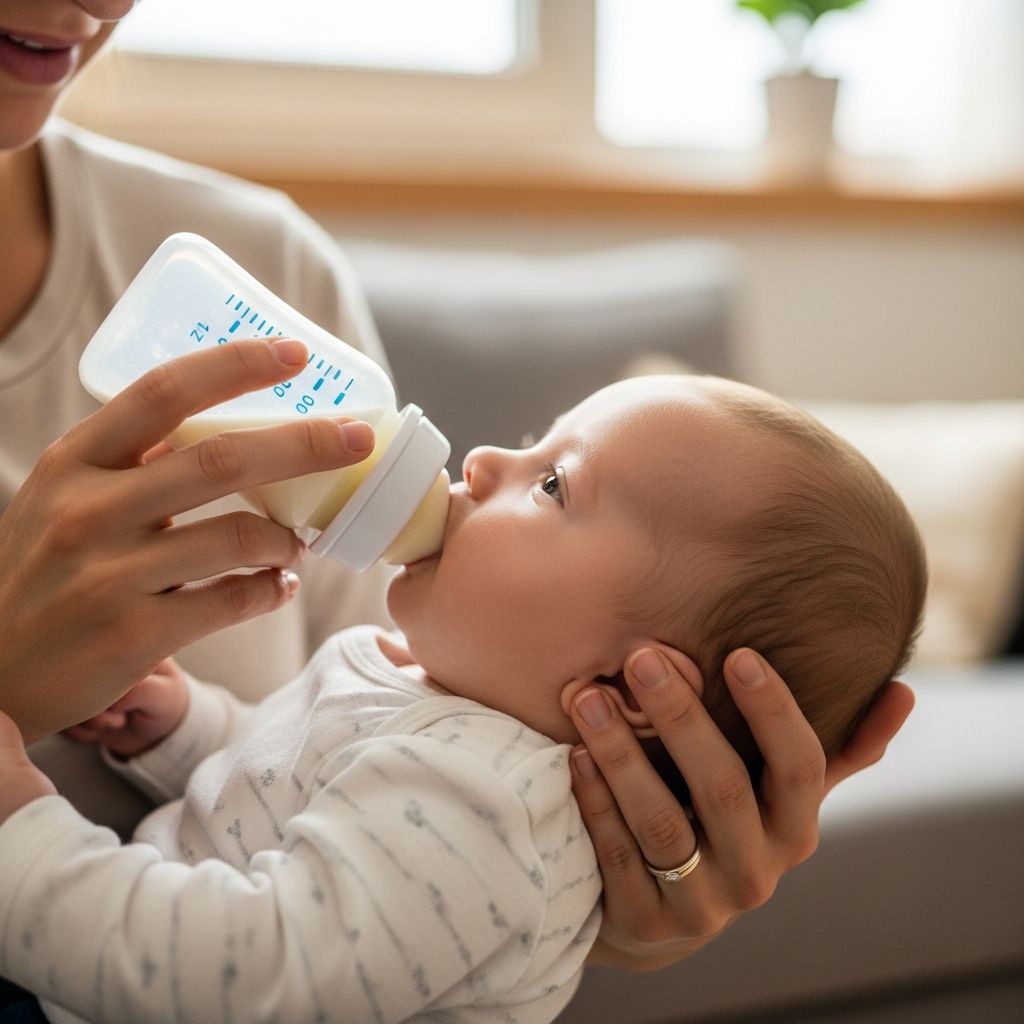
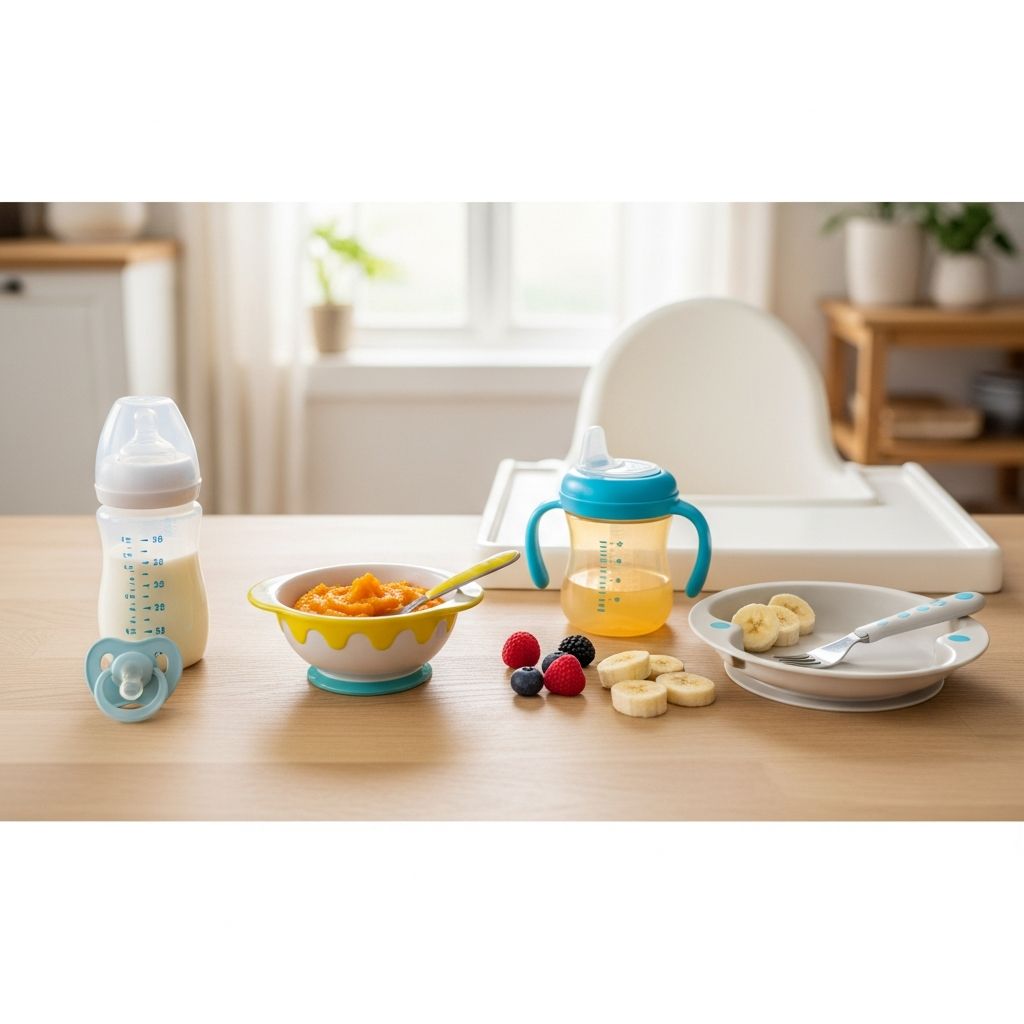
Breastfed babies take 24-32 oz daily (every 3-4 hours); formula-fed similar. Sucking/swallowing is efficient. Growth spurts boost appetite—feed on demand.
Health Checks
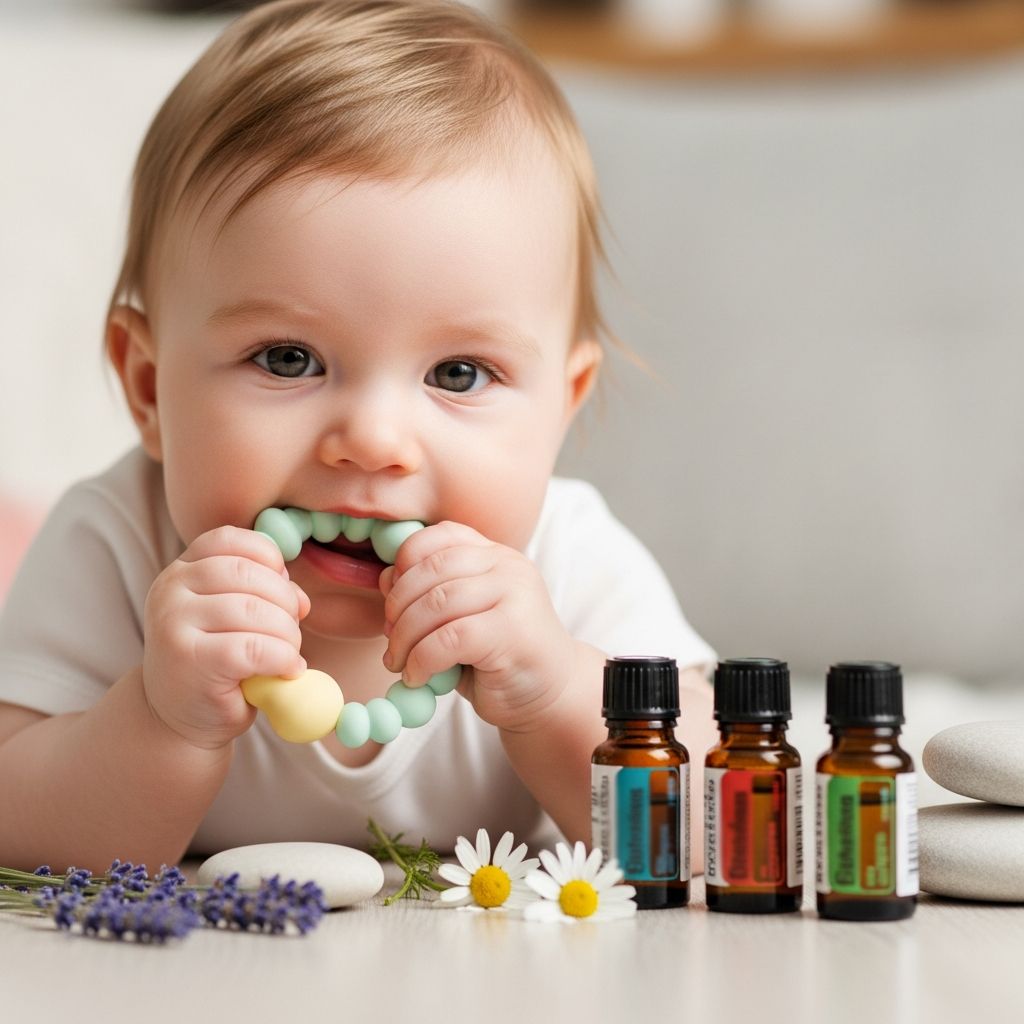
Teething hints may appear: drooling, gum discomfort. Offer chilled teething toys or massages. Vaccinations and 3-month checkups assess milestones.
| Activity | Tips |
|---|---|
| Sleep | Consistent bedtime routine |
| Feeding | Demand feeding during spurts |
| Teething | Cold toys, pacifiers |
Fun Activities to Boost Development
Engage senses and skills through play:
- Tummy Time: 15-20 minutes daily; place toys to reach.
- Sit-Up Practice: Gently pull hands to sitting, add songs.
- Sensory Play: High-contrast books, rattles, textured toys.
- Talk Time: Narrate actions, mimic babbles.
- Music & Movement: Dance with baby, play soft tunes.
These build strength, cognition, and bonds. Avoid swaddling if rolling signs show, per safety guidelines.
Warning Signs and When to Consult a Doctor
Most hit milestones, but contact pediatrician if:
- No head lifting in tummy time.
- Doesn’t track objects or respond to sounds.
- No social smiles or babbling by 12 weeks.
- Excessive fussiness or poor feeding/weight gain.
CDC emphasizes early action on delays.
Frequently Asked Questions (FAQs)
Does my 13-week-old need tummy time every day?
Yes, 15-30 minutes total strengthens muscles for rolling and sitting.
When will my baby roll over?
Signs at 13 weeks; full roll often 4-6 months.
How can I help with teething discomfort?
Gum massages, chilled safe toys, or pacifiers soothe gums.
Is babbling normal at 3 months?
Absolutely—coos and squeals are language building blocks.
What if my baby misses a milestone?
Variations normal; track and discuss at checkups.
Supporting Your Baby’s Journey Ahead
At 13 weeks, celebrate emerging personality amid rapid changes. Consistent interaction, responsive care, and play propel development toward sitting, crawling, and more.
References
- Development of a 13-week-old baby — Vinmec. 2023. https://www.vinmec.com/eng/blog/the-development-of-a-13-week-old-baby-after-birth-en
- 13-Week-Old Baby: Milestones, Development & What to Know — The Bump. 2024. https://www.thebump.com/baby-month-by-month/13-week-old-baby
- 3 month old baby milestones: Development, growth, speech, language — Huckleberry. 2024. https://huckleberrycare.com/blog/milestones-for-3-month-olds
- 3-Month-Old Baby: Milestones, Weight, and Sleep — Pampers. 2024. https://www.pampers.com/en-us/baby/newborn/article/3-month-old-baby
- Infant development: Birth to 3 months — Mayo Clinic. 2023-10-12. https://www.mayoclinic.org/healthy-lifestyle/infant-and-toddler-health/in-depth/infant-development/art-20048012
- Milestones by 2 Months | Learn the Signs. Act Early. — CDC. 2024. https://www.cdc.gov/act-early/milestones/2-months.html