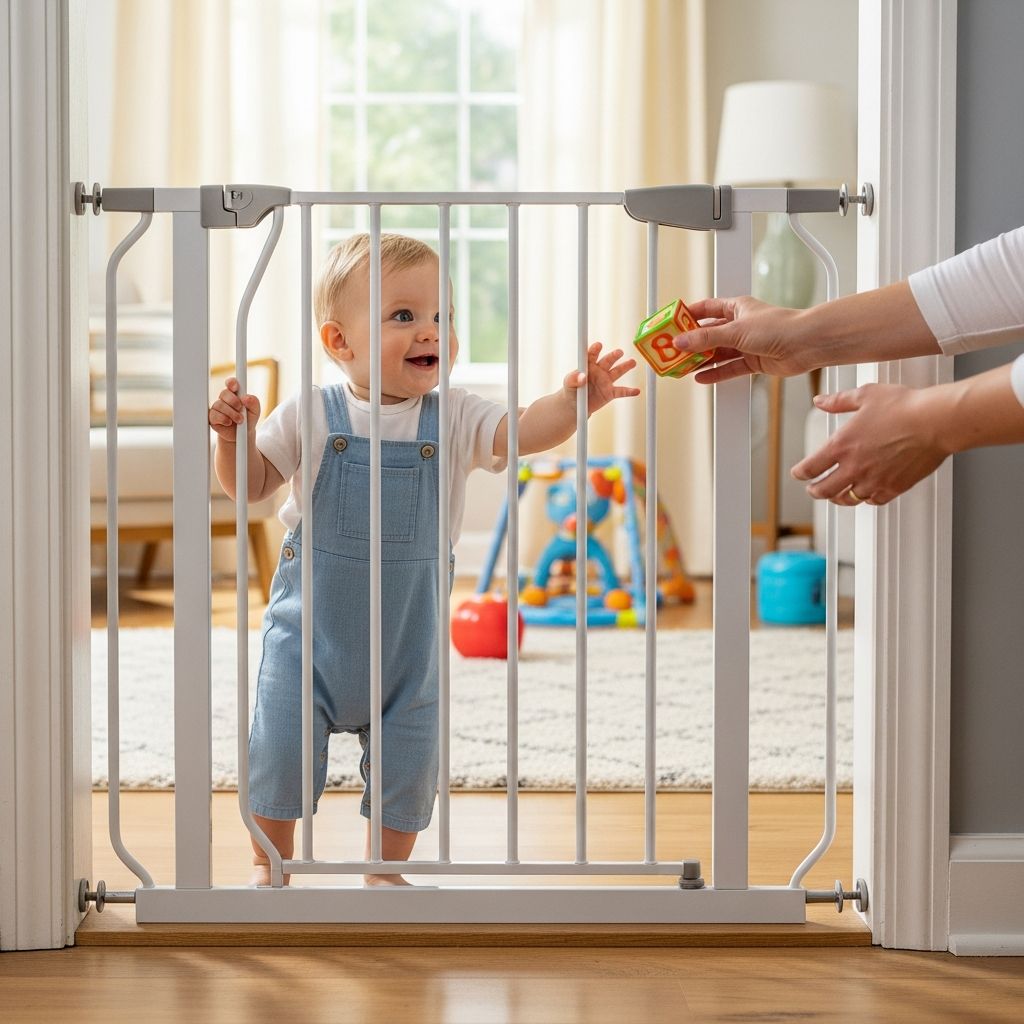
Baby gates serve as crucial barriers in childproofing homes, preventing infants and toddlers from accessing dangerous areas like stairs, kitchens, or rooms with hazards. These devices provide peace of mind by containing curious little ones safely.
Why Baby Gates Are a Must-Have for Every Parent
As babies begin to crawl and walk, their world expands rapidly, often leading them into unsafe zones. Falls from stairs account for a significant portion of home injuries in young children, making reliable barriers essential. According to safety experts, properly chosen and installed gates can reduce these risks dramatically. Beyond stairs, gates help block off fireplaces, high-traffic areas, or spaces with cleaning supplies.
Investing in quality gates aligns with federal regulations designed to protect children from injury. Parents should prioritize products that meet rigorous testing for stability, durability, and non-toxic materials. This guide explores gate varieties, selection criteria, setup best practices, and maintenance to ensure long-term safety.
Exploring the Variety of Baby Gates Available
Baby gates come in diverse designs to fit different home layouts and needs. Understanding these options helps parents make informed choices tailored to their living spaces.
- Pressure-Mounted Gates: These rely on tension against walls or door frames for installation, offering easy setup without permanent fixtures. Ideal for rentals or temporary use, they suit wide openings but require verification of secure fit to avoid collapses.
- Hardware-Mounted Gates: Secured with screws into wood or metal frames, these provide superior strength for high-risk areas like stair tops. They withstand determined climbing attempts better than pressure models.
- Retractable Gates: Fabric or mesh panels that roll out and retract smoothly, perfect for doorways or hallways. Their sleek design saves space and allows quick access for adults.
- Extra-Wide and Custom-Fit Gates: Designed for expansive areas like gates between rooms or irregular angles. Extensions and adjustable widths accommodate unique home configurations.
- Indoor-Outdoor Gates: Weather-resistant models for patios or garages, featuring UV protection and rust-proof frames for versatile use.
Selecting the right type depends on location, frequency of use, and child age. For instance, bottom-of-stairs gates demand hardware mounting for maximum security.
Key Safety Certifications and Standards to Look For
Not all gates are created equal; federal oversight ensures minimum safety levels. The Consumer Product Safety Commission (CPSC) mandates compliance for durable infant products, including gates.
Seek these certifications:
- CPSIA Compliance: Tests for lead, phthalates, and BPA, alongside design flaws like pinch points or unstable bases.
- ASTM Standards: Evaluates durability, performance, and hazardous materials specific to juvenile products.
- JPMA Certification: Voluntary seal from the Juvenile Products Manufacturers Association, confirming CPSC adherence.
| Certification | Focus Areas | Why It Matters |
|---|---|---|
| CPSIA | Chemicals, design, age limits | Prevents choking, poisoning, falls |
| ASTM | Durability, stability | Ensures gate withstands pressure |
| JPMA | Overall CPSC compliance | Third-party validation of safety |
Always register your gate with the manufacturer upon purchase to receive recall alerts promptly. Check the CPSC website for any updates on banned or recalled models.
Mastering Proper Installation Techniques
Even the best gate fails without correct installation. Follow these steps for each type to maximize effectiveness.
For Pressure-Mounted Gates
- Measure the opening precisely, accounting for baseboards or trim.
- Position pads firmly against stable surfaces; avoid drywall alone.
- Tighten tension to manufacturer’s specs and test by pushing vigorously.
- Install a warning label facing outward if provided.
For Hardware-Mounted Gates
Use included templates to drill pilot holes, ensuring screws anchor into studs. At stair tops, mount the gate so the hinge side allows opening away from the stairs for emergency access. Double-check levelness and swing direction.
Common errors include mounting on weak walls, ignoring weight limits, or using extensions improperly, which can lead to failures. For irregular shapes, opt for gate kits with swivel or angled fittings.
Age-Appropriate Usage and Transition Tips
Gates aren’t one-size-fits-all across childhood stages. Newborns may not need them yet, but crawling starts around 6-10 months signal time for action.
- Infants (0-12 months): Focus on containment in safe play zones; ensure gates have no climbable bars.
- Toddlers (1-2 years): Choose tall, non-climbable models; supervise closely as testing boundaries begins.
- Preschoolers (2-5 years): Transition to gates they can’t scale; consider auto-close features for added security.
Discontinue use when children exceed height/weight limits or show climbing ability. Gradually teach boundary rules alongside physical barriers for holistic safety training.
Maintenance and Inspection Routines
Regular checks prevent wear-related accidents. Monthly, examine for:
- Loose screws, hinges, or latches.
- Worn padding, tears in mesh, or bent frames.
- Proper tension and locking mechanisms.
- Label integrity and registration status.
Clean with mild soap; avoid harsh chemicals that degrade materials. Store unused gates fully assembled to ease reinstallation.
Avoiding Common Hazards and Mistakes
Pitfalls like installing on banisters without extensions or using gates as sleep aids pose risks. Never hang bags or toys on gates, as added weight destabilizes them. Educate all caregivers on operation to prevent mishandling.
For multi-story homes, standardize gate types across floors for familiarity. In pets-heavy households, select pet gates or heavy-duty models that resist jumping.
Integrating Gates into Full Babyproofing Plans
Gates complement outlet covers, cabinet locks, and corner guards. Prioritize high-risk zones: stairs first, then kitchens and bathrooms. Create a checklist:
| Area | Gate Recommendation | Additional Measures |
|---|---|---|
| Stairs | Hardware-mounted, tall | Non-slip treads, handrails |
| Kitchen | Extra-wide pressure | Appliance locks, cord shorteners |
| Doorways | Retractable | Door stops, rugs secured |
This layered approach minimizes accidents holistically.
Frequently Asked Questions (FAQs)
Are pressure-mounted gates safe for top of stairs?
Generally no; use hardware-mounted for stair tops due to higher stability needs.
How tall should a baby gate be?
At least 22 inches taller than your child’s standing height, typically 29-36 inches for most homes.
Can baby gates be used outdoors?
Yes, with weatherproof models featuring rust-resistant materials and secure anchoring.
What if my door frame is metal?
Choose gates with compatible mounts or adapters; hardware options work best on metal.
Do I need gates if I have a dog?
Yes, opt for sturdy models that deter pet jumping while safely containing baby.
Empowering Parents with Safety Knowledge
By selecting certified gates, installing them correctly, and maintaining vigilance, parents create safer homes. Stay informed via official resources and adapt as your child grows. Prioritizing these steps fosters exploration without fear.
References
- What Do ASTM, CPSIA and Other Baby Product Safety Certifications Mean? — Babylist. 2023-05-15. https://www.babylist.com/hello-baby/baby-product-safety-certifications
- Baby Gear & Safety — Pediatric Associates. 2024-02-10. https://www.pediatricassociates.com/health-topics/baby-gear-safety
- Choosing Safe Baby Products — Cook Children’s. 2023-11-20. https://www.cookchildrens.org/health-resources/newborn/preparing/choose-safe-products/
- The Ultimate Child Product Safety Checklist — The Lanier Law Firm. 2024-01-08. https://www.lanierlawfirm.com/child-product-safety/
- Durable Infant or Toddler Products — U.S. Consumer Product Safety Commission (CPSC). 2025-09-12. https://www.cpsc.gov/Business–Manufacturing/Business-Education/Durable-Infant-or-Toddler-Products
- Children’s Products — U.S. Consumer Product Safety Commission (CPSC). 2025-07-22. https://www.cpsc.gov/Business–Manufacturing/Business-Education/Childrens-Products