At 13 months, your child is no longer a tiny baby but not yet a full-fledged toddler. This is a time of rapid change, as your little one uses sight, sound, touch, taste, and smell to explore the world and build new skills every day. Understanding how these senses work together can help you respond with patience, confidence, and practical support.
From Baby to Explorer: What Changes Around 13 Months?
By about 13 months, many children are more mobile, more curious, and more determined to do things on their own. Some are walking or cruising along furniture, others are still crawling but moving quickly, and nearly all are using their senses to test, try, and experiment with everything around them. This stage can feel busy and sometimes overwhelming, but it is also a powerful window for learning.
Instead of focusing on exact dates or rigid milestones, it helps to think of this age as a phase of intense exploration. Your child may seem to repeat the same action again and again—dropping a cup, banging a spoon, flipping through a book—because repetition is how the brain strengthens new connections.
How 13-Month-Olds Use Their Senses Together
The five main senses—vision, hearing, touch, taste, and smell—do not work in isolation. At 13 months, children are constantly blending information from several senses at once. For example, when your child picks up a toy, they are likely to look at it, feel its texture, shake it to hear any sound, and possibly bring it to their mouth to taste or explore with their lips.
This combined sensory input helps them begin to understand cause and effect (“If I drop this, it makes a sound”), object properties (“This is soft; that is hard”), and basic categories (“Things like this are fun to throw; those are quiet to cuddle”)—all of which lay the foundation for later thinking, language, and problem-solving skills.
Vision: Seeing a Bigger, Brighter World
At this age, your child’s vision is much clearer than in infancy. They can usually see across a room, track moving objects, and notice small details like crumbs on the floor or tiny pictures in a book. Their growing ability to see contrast and color helps them recognize familiar faces, favorite toys, and common objects like cups, shoes, and balls.
Because sight is so powerful, your child often uses their eyes to lead their body. They may spot a shiny object on a shelf and immediately try to climb or reach for it. You can support healthy visual development by offering safe things to look at and explore while also creating clear boundaries around off-limits objects.
Simple Ways to Support Their Vision
- Offer books with clear, simple pictures and plenty of contrast.
- Point to and name everyday objects: “cup,” “ball,” “shoe.”
- Give your child time to watch you do everyday tasks like cooking or sweeping.
- Place toys at different distances so they can practice tracking and reaching.
Hearing: Listening, Learning, and Responding
Hearing plays a huge role in language development. By 13 months, many children recognize familiar words, respond to their name, and react to tone of voice even when they do not understand every word. They may turn toward a sound in another room, smile at a playful voice, or look startled by a sudden loud noise.
This is also when many toddlers start experimenting with sounds themselves—babbling in long strings, imitating simple words, and changing their tone to sound like a question or an exclamation. Even if you cannot understand the “words,” these vocal experiments are building important pathways for future speech.
Sound-Based Activities for Everyday Life
- Talk through your routine: “Now we’re putting on socks… now we’re going outside.”
- Read simple books out loud and let your child turn pages, even if they flip quickly.
- Sing short, repetitive songs or rhymes during bath time or diaper changes.
- Pause after asking simple questions like “Where’s your ball?” to see how they respond.
Touch: Hands-On Learning All Day Long
Touch is one of the main ways 13-month-olds learn. They want to grab, squeeze, pat, bang, poke, and rub nearly everything they can reach. Through these actions, they discover whether something is soft or rough, heavy or light, bouncy or solid. Their fingers are also becoming more skilled, allowing them to pick up small objects, point, and attempt simple tasks like turning pages or stacking blocks.
Your child’s desire to touch is not just about objects; it is also about relationships. Hugs, cuddles, hand-holding, and gentle back rubs provide comfort and security. These loving touches help regulate emotions and build trust, which are just as important as physical skills at this age.
Ideas for Encouraging Safe Touch Exploration
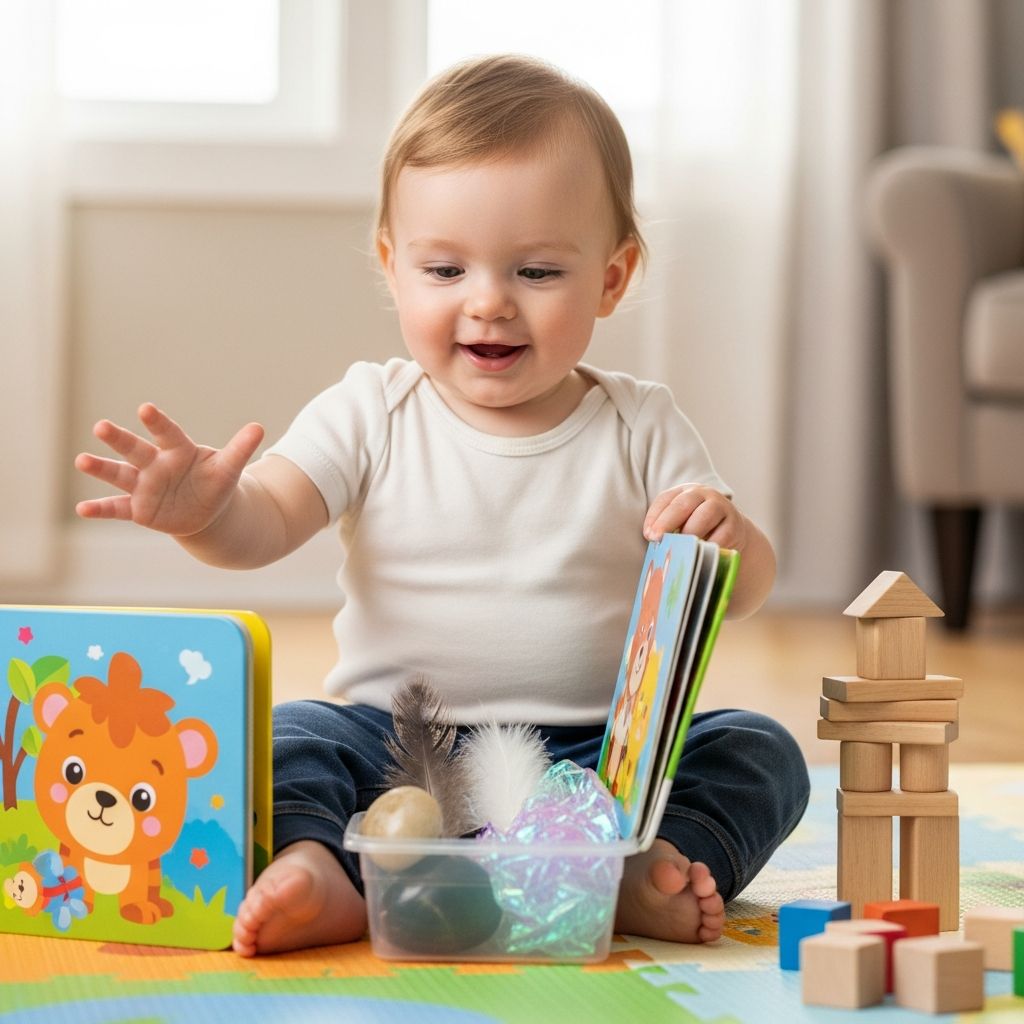
- Provide a variety of safe textures: soft cloths, smooth wooden blocks, rubber balls, and board books.
- Set aside a low, reachable drawer or basket filled with safe household items to explore.
- Encourage gentle touch with pets or plants, modeling soft hands and close supervision.
- Use touch-based games like “high five,” pat-a-cake, or simple tickle games your child enjoys.
Taste and Smell: Tiny Food Critics in the Making
At 13 months, many children are eating a wider variety of foods, though they may show strong likes and dislikes that seem to change from week to week. Taste and smell work together to make foods appealing or off-putting. New textures, seasonings, and aromas are all part of the learning process, and it is normal for children to be cautious with unfamiliar foods.
Offering repeated, low-pressure exposure to different flavors helps your child broaden their palate over time. Even if they push away a new food today, seeing it regularly and watching you eat it calmly can make them more likely to try it later.
Supporting Healthy Eating Habits
- Offer small portions of new foods alongside familiar favorites without forcing bites.
- Allow your child to use their fingers; self-feeding builds both confidence and fine motor skills.
- Serve mostly whole, simple foods so your child can learn individual tastes and textures.
- Keep mealtimes relaxed; avoid turning food into a battle or constant negotiation.
Typical Sensory-Related Skills Around 13 Months
Every child develops at their own pace, but many 13-month-olds share certain patterns in how they use their senses and bodies. Some may be ahead in one area and slower in another, which is usually normal. Paying attention to general trends, rather than exact ages, can reduce stress and help you focus on what your child can do right now.
The table below highlights common behaviors that are closely linked to sensory exploration at this age. These are not strict requirements but general examples of what you might see.
| Area | What You Might Notice |
|---|---|
| Vision | Looks for dropped objects, points to interesting things, stares at moving items like fans or cars. |
| Hearing | Turns to their name, reacts to music or familiar songs, pauses or looks at you when you change your tone of voice. |
| Touch | Enjoys squishing, tapping, or banging objects; may prefer certain textures and avoid others. |
| Taste | Experimenting with new foods, sometimes spitting out or dropping disliked tastes, prefers familiar flavors. |
| Smell | Makes faces at strong odors, sniffs food or leans away from smells they dislike. |
Creating a Sensory-Friendly Home Environment
The goal is not to eliminate all stimulation but to create a space where your child can explore safely and calmly. Too many toys, bright lights, or loud sounds at once can overwhelm some children. On the other hand, a quiet corner with a few well-chosen items can invite deep, focused play.
Think of your home as a learning lab. Instead of constantly buying new toys, consider how ordinary objects—measuring cups, cardboard boxes, plastic containers—can become tools for discovery while still being safe and supervised.
Practical Tips for Your Space
- Baby-proof thoroughly so you can allow more freedom to move and touch.
- Rotate toys every week or two instead of leaving everything out at once.
- Use soft lighting and reduce background noise (like TV) during play and meals.
- Create a small reading or quiet play area with a few books and cuddly items.
When Your Child Seems Extra Sensitive
Some 13-month-olds appear more sensitive than others to sounds, textures, or changes in routine. They may cover their ears at loud noises, resist certain fabrics or food textures, or become upset in busy environments like crowded stores. This heightened awareness can be part of their unique temperament.
You can support a sensitive child by watching for patterns and gently adjusting the environment. Often, small changes—like stepping into a quieter room, offering a familiar blanket, or introducing new textures slowly—make a big difference in comfort and behavior.
Strategies for Supporting Sensitive Toddlers
- Give warnings before transitions, such as “Two more minutes, then we go inside.”
- Start with short visits to noisy places and gradually increase time as they adjust.
- Offer choices when possible: two shirts to pick from, two snack options, two books.
- Respect their limits; if they clearly dislike a texture or sound, pause and try again another day.
When Your Child Seems Fearless or Unbothered
Other children seem to seek constant input—climbing, crashing into pillows, making loud noises, or paying little attention to bumps and scrapes. This high-energy style can be challenging to manage, but it often reflects a genuine need for more movement and sensory input rather than “bad” behavior.
Offering many safe outlets for this energy can reduce frustration for both of you. Instead of trying to stop every active behavior, channel it toward safer options and set clear, consistent rules around what is off-limits.
Ideas for High-Energy Toddlers
- Provide supervised chances to climb on sturdy furniture, playground equipment, or soft structures.
- Use pillows, cushions, or mats as a safe “crash” zone for jumping and tumbling.
- Incorporate movement breaks—dancing, marching, or chasing bubbles—throughout the day.
- Keep fragile and unsafe items out of reach so you can say “yes” more often in safe spaces.
Supporting Language Through the Senses
Sensory experiences and language learning are tightly connected. When you talk about what your child sees, hears, and touches, you help them link words with real experiences. Over time, this builds vocabulary and understanding long before they can use many words themselves.
Simple, repeated phrases that describe everyday life are especially powerful at this age. Your child learns best when language is tied to real actions, objects, and emotions they experience throughout the day.
Easy Language-Building Habits
- Use “sportscaster talk”—narrate simple actions like “You’re pushing the car” or “Water is splashing.”
- Label feelings: “You’re sad,” “You’re excited,” “You’re tired,” while offering comfort.
- Ask simple questions (“Where’s your cup?”) and give time for them to look or point.
- Repeat important words often in different situations: “up,” “more,” “all done.”
Balancing Stimulation and Rest
Because so much development is happening, 13-month-olds can become overstimulated or overtired quickly. A child who was happily exploring a toy a few minutes ago may suddenly melt down or cling to you. This is often a sign that their brain and body need a break, not that anything is wrong with your parenting.
Predictable routines, quiet moments, and enough sleep give your child’s brain time to process everything they are learning. Calmer periods are just as important as active play in building healthy development.
Signs Your Child Might Need a Break
- Rubbing eyes, yawning, or looking away from toys or people.
- Sudden crying, whining, or throwing objects after lots of activity.
- Clinging more than usual, hiding their face, or seeking your lap.
- Turning away from sounds, lights, or busy environments.
Frequently Asked Questions About 13-Month-Olds and Their Senses
Is it normal that my 13-month-old puts everything in their mouth?
Yes. Mouth exploration is a very common way for children this age to learn about shape, texture, and taste. As long as you keep small, sharp, or harmful items out of reach and supervise closely, mouthing safe objects is a normal part of development.
My child hates loud noises. Should I be worried?
Many toddlers dislike sudden or intense sounds like vacuums, blenders, or hand dryers. This sensitivity often improves over time, especially if you offer gentle warnings and comfort. If your child never responds to sounds, does not startle at loud noises, or you have concerns about hearing, talk with a pediatrician or hearing specialist.
What if my 13-month-old is not walking yet?
There is a wide range of normal for walking. Some children walk earlier, and others closer to 15–18 months, even when everything is fine. If your child is making progress in other movement skills—such as pulling up, standing at furniture, or cruising—this often suggests healthy development, but you can always check in with your healthcare provider for reassurance.
How can I tell if my child is getting too much screen time?
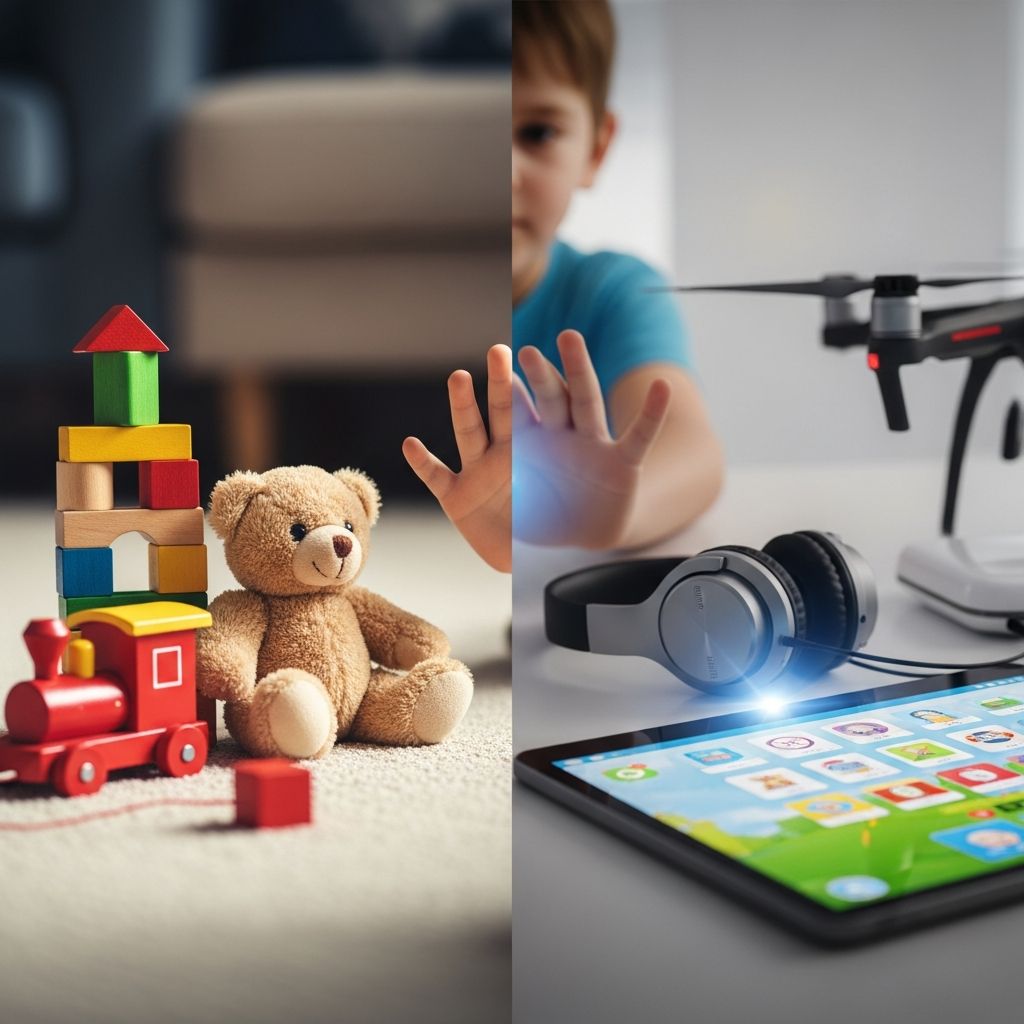
At this age, real-world sensory experiences and face-to-face interaction are far more valuable than screens. If your child regularly prefers screens to toys or people, or if screens are replacing play, sleep, or meals, it may help to reduce screen time and offer more hands-on, interactive activities instead.
When should I ask for a professional evaluation?
Every child develops differently, but you may want to seek guidance if your 13-month-old rarely makes eye contact, does not respond to their name, shows no interest in exploring or playing, or if you have a strong gut feeling that something seems off. Early conversations with professionals can provide clarity, support, and peace of mind.
Helping Your 13-Month-Old Thrive
Your 13-month-old does not need perfect toys, elaborate activities, or constant entertainment. What they need most is a safe, loving environment, chances to move and explore, and a caregiver who responds with warmth and curiosity. When you slow down enough to watch how your child uses their senses, you begin to see just how much they are learning from even the smallest moments.
By tuning into your child’s unique rhythm and adjusting the world around them, you create the conditions for healthy growth—physically, emotionally, and mentally. In this busy, fascinating stage, your presence and attention are the most powerful tools you have.