Long summer breaks offer kids a chance to unwind, but they can also lead to the ‘summer slide,’ where children lose up to 20-30% of their reading and math gains from the school year. Engaging in targeted brain-boosting activities helps maintain neuroplasticity—the brain’s ability to form new connections—supporting academic readiness, emotional growth, and creativity. This guide shares 10 original, easy-to-implement ideas that turn downtime into dynamic learning opportunities, drawing from expert insights on child development.
Understanding the Summer Slide and Brain Science
The summer slide is a well-documented issue, with research from the National Summer Learning Association indicating significant skill regression without structured engagement. Children’s brains thrive on stimulation; activities that challenge working memory, executive function, and motor skills counteract this loss. According to Harvard’s Center on the Developing Child, play-based exercises build essential neural pathways in young minds. Parents can integrate these into daily routines for maximum impact, fostering skills like focus and problem-solving without feeling like schoolwork.
Top 10 Brain-Boosting Summer Activities
These activities are designed for kids aged 4-12, adaptable by age, and require minimal supplies. They promote cognitive, physical, and social development through hands-on fun.
1. Imagination Story Cubes
Grab or make DIY cubes with pictures (animals, actions, settings) and roll them to inspire spontaneous tales. This hones storytelling, vocabulary expansion, and creative sequencing skills. Kids practice narrative structure by connecting elements into coherent plots, boosting language centers in the brain. Extend it by drawing illustrations or performing the story as a puppet show. Do this 15-20 minutes daily for consistent gains in verbal fluency.
2. Riddle Relay Obstacle Challenges
Build a home or park course with hurdles like crawling under tables or balancing on lines. Insert brain teasers at stations—solve a riddle to proceed. This combines physical exertion with logical reasoning, enhancing executive functions like planning and inhibition control. Studies link such dual-task activities to improved motor-cognitive integration. Let kids invent riddles next time for added ownership.
3. Recipe Remix Kitchen Lab
Select simple recipes and challenge kids to modify them—double ingredients or swap flavors. Measuring teaches fractions, following steps builds sequencing, and tasting evaluates predictions (science!). The U.S. Department of Agriculture notes cooking activities reinforce math and literacy in real-world contexts. Safety first: supervise closely with age-appropriate tasks like stirring or chopping soft foods.
4. Speed Read Showdowns
Time kids reading short passages, then quiz comprehension. Race against their personal best to build fluency and retention. Alternate with partner reads for social practice. Research from the National Institute of Child Health shows regular reading combats slide by 25%. Use library books or free apps for variety.
5. Nature Hunt Quests
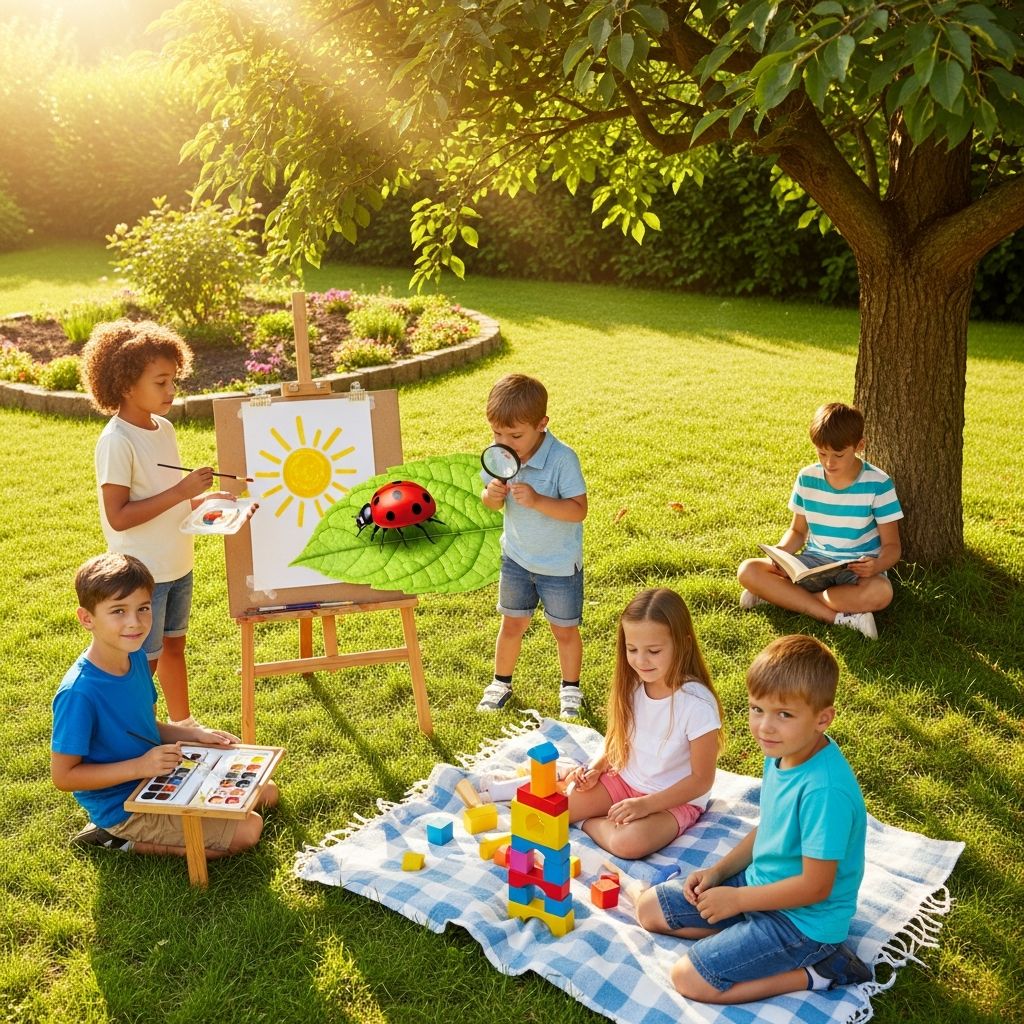
Create checklists for outdoor scavenger hunts: find textured leaves, count insect types, or spot shapes in clouds. This sharpens visual discrimination, observation, and categorization—key for attention skills. Outdoor exposure also boosts vitamin D for brain health, per CDC guidelines. Turn findings into a journal with sketches and facts learned later.
6. Clue Trail Detective Games
Hide notes with puzzles leading to a prize. Clues involve patterns, codes, or logic (e.g., ‘I’m thinking of a number less than 10, even, not 2’). This develops deductive reasoning and perseverance. Cognitive science supports mystery-solving for prefrontal cortex growth. Scale difficulty for siblings to collaborate.
7. Melody Maker Music Sessions
Introduce basic instruments like ukulele or rhythm sticks via free tutorials. Compose simple songs about daily adventures. Music training activates multiple brain areas, improving memory and IQ, as per Johns Hopkins studies on neurodevelopment. No talent needed—focus on rhythm clapping first.
8. Strategy Board Game Nights
Host weekly tournaments with games like Chess, Ticket to Ride Junior, or Settlers of Catan Kids. These demand foresight, risk assessment, and rule adherence. Board games enhance social cognition and math subtly. Aim for 30-45 minutes; rotate winners as hosts.
9. Team Sport Skill Drills
Enroll in or DIY sports camps focusing on soccer, basketball, or tag variants. Drills improve coordination, reaction time, and teamwork—executive functions vital for academics. The American Academy of Pediatrics links physical activity to better focus and grades. Add cognitive twists like color-coded passes.
10. Memory Mastery Challenges
Play games memorizing card sequences, song lyrics, or object lists. Progress to group skits reciting stories. This strengthens hippocampus function for long-term recall. Harvard resources emphasize repetition in play for toddlers to tweens.
Activity Comparison Table
| Activity | Primary Skills | Materials Needed | Duration | Indoor/Outdoor |
|---|---|---|---|---|
| Imagination Story Cubes | Creativity, Language | Dice or paper | 15-20 min | Indoor |
| Riddle Relay | Logic, Motor | Household items | 30 min | Both |
| Recipe Remix | Math, Science | Kitchen basics | 45 min | Indoor |
| Speed Read | Reading, Focus | Books | 20 min | Indoor |
| Nature Hunt | Observation | Paper list | 30-60 min | Outdoor |
| Clue Trail | Problem-Solving | Paper, prizes | 20 min | Indoor |
| Melody Maker | Music, Memory | Instruments/apps | 30 min | Both |
| Board Games | Strategy | Games | 45 min | Indoor |
| Team Sports | Coordination | Ball/gear | 60 min | Outdoor |
| Memory Challenges | Recall | Cards/objects | 15 min | Indoor |
Building a Weekly Brain Boost Schedule
- Monday: Story Cubes + Reading Showdown (Language focus)
- Tuesday: Kitchen Lab + Memory Games (Practical skills)
- Wednesday: Outdoor Hunt + Sports Drills (Physical cognition)
- Thursday: Detective Trails + Board Games (Logic night)
- Friday: Music Sessions + Obstacle Challenges (Creative movement)
- Weekend: Family mix or free play review
Track progress in a fun chart; reward streaks with park trips. Consistency yields results, with studies showing 2-3 hours weekly prevents most slide effects.
Frequently Asked Questions (FAQs)
What is the summer slide, and how can parents prevent it?
The summer slide refers to learning loss during breaks, up to 30% in core subjects. Prevent it with 10-15 minutes daily of targeted play like these activities.
Are these activities suitable for all ages?
Yes, adapt by simplifying for younger kids (e.g., pictures over words) or adding complexity for older ones (multi-step riddles).
Do I need special materials or apps?
Most use household items; optional free apps enhance options like math games or music tutorials.
How much time should we dedicate daily?
20-60 minutes suffices, integrated into routines to avoid burnout while maximizing neuroplasticity benefits.
Can screen-free activities really boost brains?
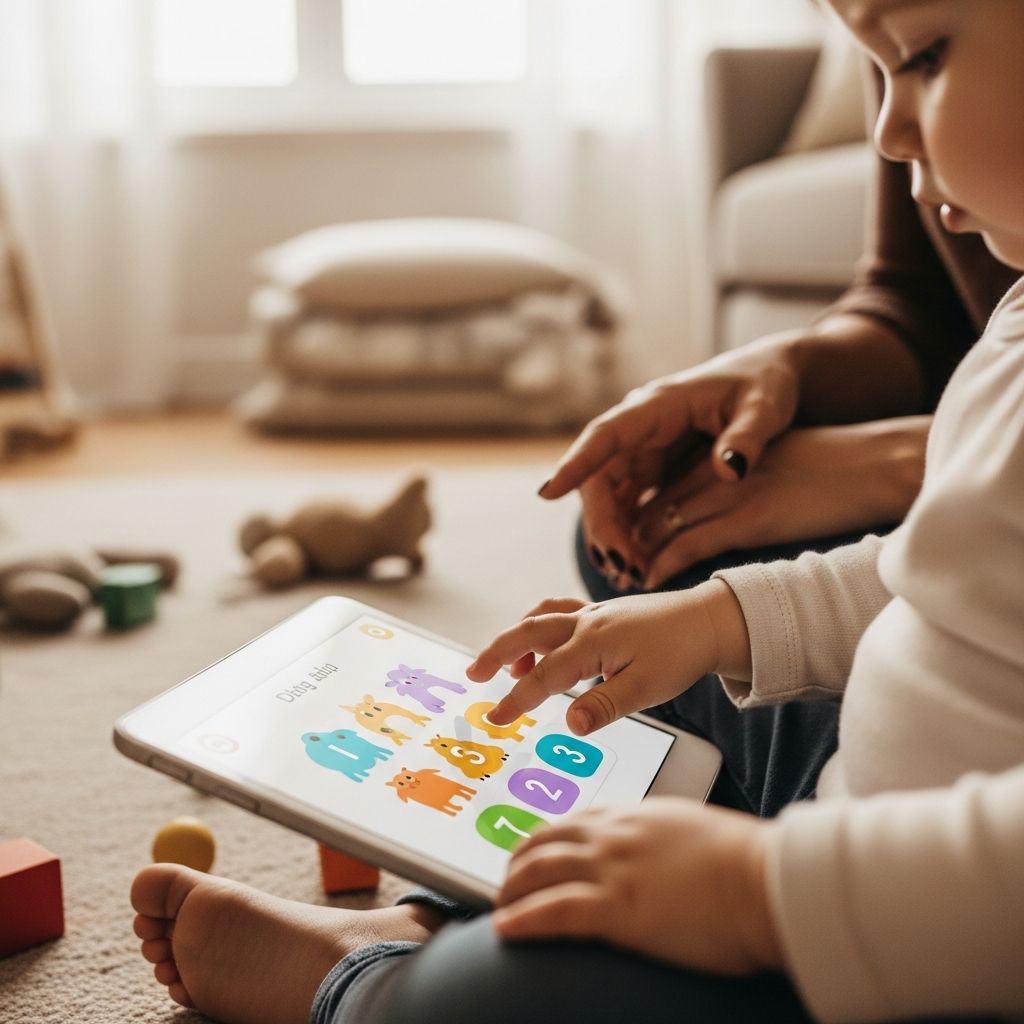
Absolutely—hands-on play builds stronger connections than passive screen time, per child development experts.
Long-Term Benefits for School Success
Beyond slide prevention, these pursuits cultivate resilience, curiosity, and social skills. Kids return sharper, more confident, setting a foundation for lifelong learning. Parents report improved attitudes toward challenges after summer engagement. Combine with sleep, nutrition, and outdoor time for holistic growth.
References
- 7 Creative Activities to Keep Kids’ Brains Active This Summer — Infinite Mind. 2024. https://infinitemind.io/creative-activities-to-keep-kids-brains-active-this-summer/
- 10 Brain Engaging Summer Activities for Kids — Advanced Neurotherapy. 2017-05-25. https://www.advancedneurotherapy.com/blog/2017/05/25/summer-activities-kids
- Brain-Building Through Play: Activities for Infants, Toddlers, and Preschoolers — Harvard Center on the Developing Child. 2023. https://developingchild.harvard.edu/resources/handouts-tools/brainbuildingthroughplay/