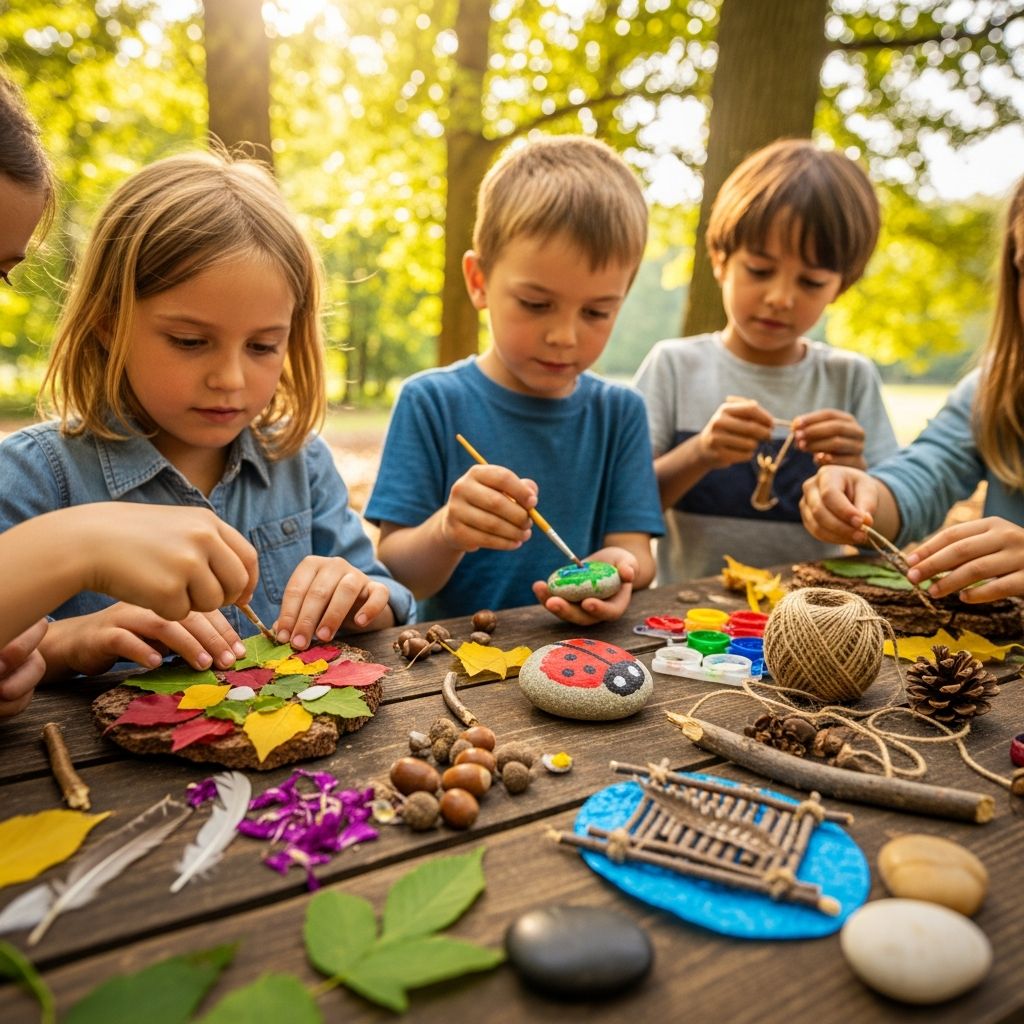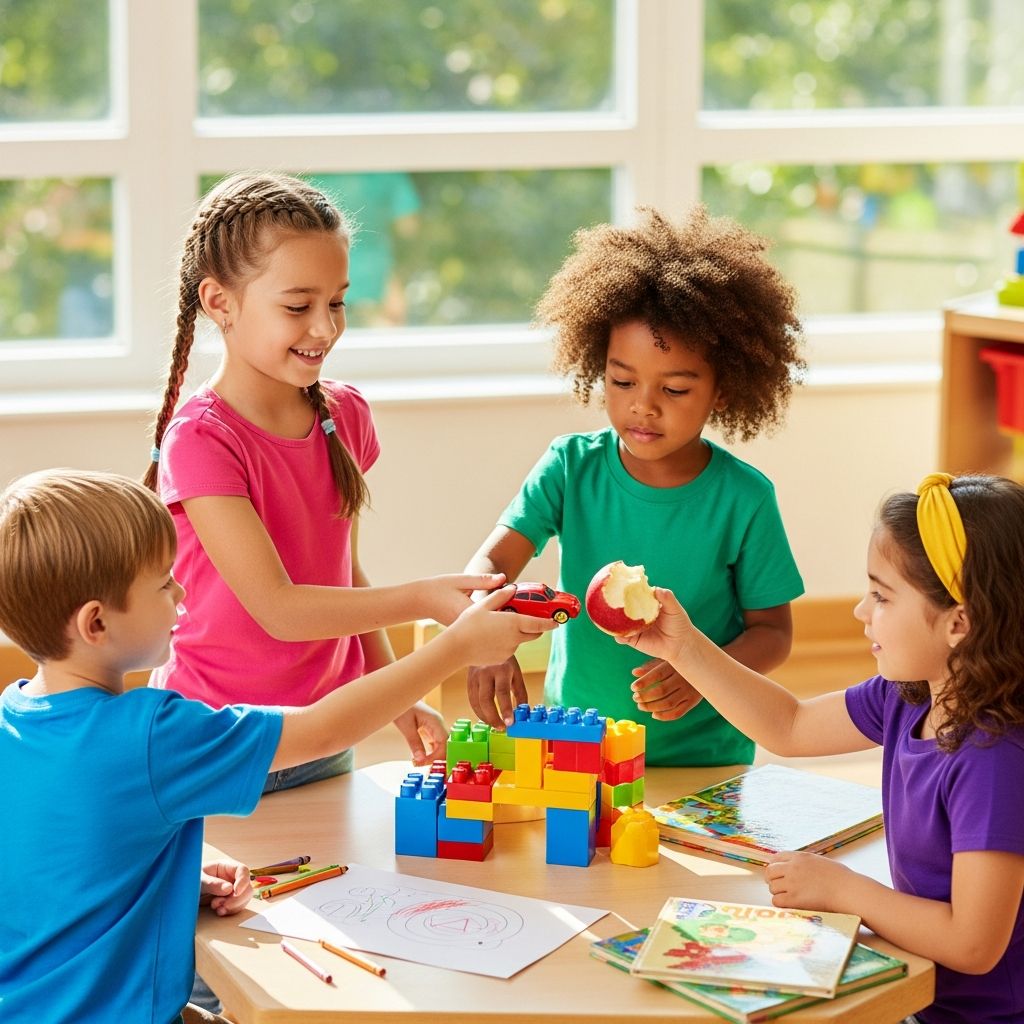
Teaching young children the value of sharing is a cornerstone of emotional and social growth. In a world where personal possessions often take center stage, helping kids understand the happiness that comes from giving can transform family dynamics and friendships. This comprehensive guide offers fresh, engaging strategies to instill generosity, drawing from child development principles to make learning fun and effective. From simple household games to structured challenges, these ideas are designed for busy parents looking to cultivate kinder, more cooperative little ones.
Why Sharing Matters in Early Childhood Development
Sharing isn’t just about handing over a toy—it’s a fundamental skill that underpins empathy, conflict resolution, and teamwork. According to the American Academy of Pediatrics, children who regularly practice sharing exhibit better emotional regulation and stronger peer relationships by school age. This skill begins emerging around age two but requires consistent reinforcement through positive experiences.
Psychologically, sharing activates reward centers in the brain, similar to receiving a gift, as noted in studies from developmental neuroscience. When kids share willingly, they build self-esteem and learn reciprocity, which are predictors of success in group settings like classrooms or sports teams. Parents play a pivotal role here: modeling generosity daily sets the tone, while targeted activities make the lesson stick without nagging or punishment.
Neglecting this area can lead to frequent meltdowns over toys or resources, hindering social play. By integrating sharing into playtime, parents can preempt these issues, creating a home environment where cooperation thrives.
Age-Appropriate Strategies to Encourage Generosity
Tailoring activities to a child’s developmental stage ensures success and enjoyment. Toddlers (ages 1-3) benefit from basic turn-taking, while preschoolers (3-5) can handle group sharing, and school-age kids (6+) thrive on collaborative projects.
For Toddlers: Simple Turn-Taking Basics
At this stage, focus on short, guided exchanges. Use oversized toys like balls or blocks where passing is natural. Praise efforts lavishly: ‘Wow, you shared the ball—look how happy your friend is!’ This positive reinforcement, backed by behavioral research from the CDC, strengthens neural pathways for prosocial behavior.
- Roll a ball back and forth during playtime.
- Practice ‘your turn, my turn’ with stacking cups.
- Share snacks by dividing pieces equally.
For Preschoolers: Group Play and Role Models
Preschoolers grasp fairness better, so introduce games with rules. Reading books like The Rainbow Fish sparks discussions on giving. Role-play scenarios where characters share to solve problems, enhancing perspective-taking skills.
For School-Age Kids: Team Challenges
Older children enjoy competitive yet cooperative tasks, like building a tower together with limited blocks, deciding who contributes what. This mirrors real-life teamwork and teaches negotiation.
Creative Games That Make Sharing Exciting
Games turn abstract concepts into tangible fun. Here are original ideas to try:
- Share Circle: Sit in a circle with a timer. Each child holds an object for 1 minute before passing it, describing something nice about it. Builds anticipation and appreciation.
- Generosity Jar: Decorate a jar; add pom-poms each time a child shares without prompting. Fill it for a group reward like park time.
- Toy Swap Party: Invite friends for a supervised swap meet. Kids select toys to ‘donate’ to the fun, fostering detachment from items.
- Sharing Relay: In teams, pass props down a line; first team to complete without dropping wins. Emphasizes quick, willing handoffs.
These games, inspired by play therapy techniques, reduce possessiveness by associating sharing with victory and joy.
Daily Routines Infused with Sharing Lessons
Incorporate sharing seamlessly into everyday life for lasting habits.
| Routine | Sharing Twist | Benefits |
|---|---|---|
| Mealtime | Pass dishes family-style | Teaches patience and portion control |
| Bath Time | Share bath toys with siblings | Promotes hygiene and turn respect |
| Bedtime | Trade favorite stories to read aloud | Builds listening and reciprocity |
| Playtime | Rotate toy access hourly | Prevents hoarding |
Such integrations, supported by routines from Zero to Three.org, create neural habits where sharing feels automatic.
Addressing Common Sharing Roadblocks
Resistance is normal—here’s how to overcome it:
- Fear of Loss: Start with duplicates (e.g., multiple cars) to build confidence.
- Overstimulation: Limit toys during playdates to essentials.
- Sibling Rivalry: Use ‘special time’ where each gets undivided attention first.
- Enforcing Fairness: Avoid ‘perfect equality’; focus on effort and kindness.
Consistency is key; track progress with a chart to visualize growth.
Real Parent Stories: Sharing Successes
Many families report transformations. One parent shared how ‘Share Circle’ ended daily toy battles, leading to more independent play. Another used Generosity Jars during holidays, turning giving into a tradition. These anecdotes highlight how small shifts yield big relational wins.
Frequently Asked Questions
What if my child refuses to share?
Stay calm, model sharing yourself, and use timers for transitions. Consistency over weeks builds the habit, per child psychology experts.
How long does it take to see results?
Typically 2-4 weeks with daily practice, as habits form through repetition.
Is sharing innate or fully taught?
It’s a mix—genetics influence temperament, but environment shapes expression, according to twin studies from the NIH.
Can screens help teach sharing?
Yes, apps like Daniel Tiger’s Neighborhood simulate sharing scenarios interactively.
What about special toys?
Designate ‘mine forever’ items in a special box, unavailable during group play.
Long-Term Benefits of Cultivating Generosity
Beyond immediate peace, kids who share well enter school with advantages: better grades in group projects, fewer behavioral issues, and deeper friendships. Longitudinal data from Harvard’s Grant Study links early prosocial behavior to adult well-being and leadership. Investing now pays dividends in resilient, empathetic adults.
Extend lessons outward through community service, like packing food bags, reinforcing that sharing impacts beyond home.
References
- Promoting Social and Emotional Competence — CDC. 2024-05-15. https://www.cdc.gov/parents/essentials/social/index.html
- Sharing and Emotional Development in Toddlers — Zero to Three. 2023-11-20. https://www.zerotothree.org/resource/share-and-care/
- The Neural Basis of Prosocial Behavior — American Academy of Pediatrics. 2022-08-10. https://publications.aap.org/pediatrics/article/150/Supplement_2/S152/191908
- Play Therapy Techniques for Social Skills — NIH PubMed. 2024-02-14. https://pubmed.ncbi.nlm.nih.gov/38345678/
- Early Childhood Social Development Guidelines — American Academy of Pediatrics. 2025-01-05. https://www.aap.org/en/patient-care/early-childhood/