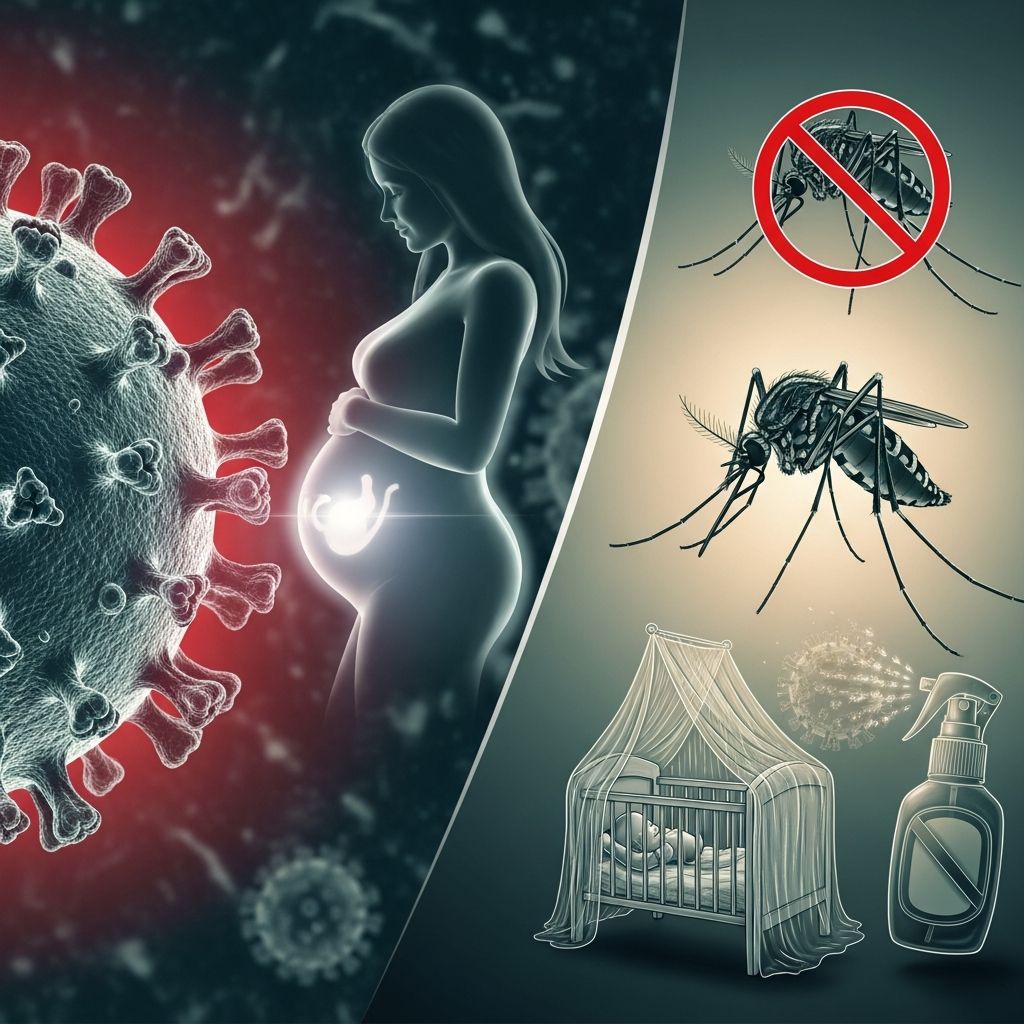
The Zika virus represents a significant public health concern, particularly for families planning pregnancies or raising young children. Primarily transmitted by Aedes mosquitoes, it poses unique threats to fetal development and requires vigilant prevention efforts from parents worldwide. This guide draws from official health recommendations to empower caregivers with actionable strategies.
Understanding Zika Virus Fundamentals
Zika virus infection, often abbreviated as ZIKV, is caused by a flavivirus spread mainly through the bite of infected Aedes aegypti or Aedes albopictus mosquitoes, which are active primarily during daylight hours. Unlike more familiar mosquito-borne illnesses, Zika can also transmit sexually and from mother to child during pregnancy, amplifying its impact on family health planning.
Most infections remain asymptomatic, with up to 80% of cases showing no noticeable signs, making silent spread a critical challenge. When symptoms do appear, they typically manifest 3 to 14 days post-exposure and include mild fever, rash, joint pain, conjunctivitis, muscle aches, and headache, lasting 2 to 7 days. Parents should note that these mild effects in adults contrast sharply with severe risks to developing fetuses.
Critical Dangers During Pregnancy
Pregnant individuals face the highest stakes with Zika exposure. The virus can cross the placenta, leading to congenital Zika syndrome in newborns, characterized by microcephaly—a condition where the brain and skull fail to develop properly—along with potential eye abnormalities, hearing loss, and limb contractures. Evidence confirms mother-to-child transmission, with ongoing research quantifying exact risks, but health authorities universally advise close monitoring for symptomatic pregnant women.
Global outbreaks have linked Zika to increased microcephaly cases, prompting travel restrictions for expectant mothers to affected regions. Parents-to-be must prioritize avoidance, as no vaccine exists and treatment remains supportive only.
Transmission Pathways Beyond Mosquitoes
While mosquito bites dominate transmission, sexual contact offers another vector. Infected individuals can transmit Zika via vaginal, anal, or oral sex, even asymptomatically, before, during, or after illness onset. The virus persists longer in semen than other fluids, necessitating extended precautions for males—up to six months post-symptoms or longer if asymptomatic.
Females can also spread it, though for shorter durations. Casual contact like hugging or sharing utensils does not transmit Zika. Blood transfusion risks exist but are rare and mitigated by screening. Parents in partnerships where one traveled to risk areas must act swiftly to prevent inadvertent spread.
| Route | Primary Vectors | Duration of Infectivity |
|---|---|---|
| Mosquito Bite | Aedes species | While viremic (days) |
| Sexual | Semen, fluids | Males: 6+ months; Females: 8 weeks |
| Mother-to-Child | Placental | Throughout pregnancy |
Proven Strategies to Prevent Mosquito Bites
Shielding families from bites forms the cornerstone of Zika defense. The Centers for Disease Control and Prevention (CDC) emphasizes EPA-registered repellents containing DEET, picaridin, IR3535, or oil of lemon eucalyptus for safe application on children over 2 months, following label instructions.
- Wear long-sleeved shirts, long pants, socks, and hats, opting for light-colored, loose-fitting fabrics that deter mosquitoes.
- Install and repair window/door screens; use air conditioning when possible.
- Sleep under insecticide-treated bed nets, especially during daytime naps in endemic areas.
- Eliminate standing water in containers, gutters, and flower pots weekly to disrupt breeding cycles.
For children, dress them in protective clothing and apply repellent sparingly to exposed skin, avoiding hands, eyes, and mouth. Parents should model these habits to foster lifelong vigilance.
Safeguarding Against Sexual Transmission
Couples must adapt intimacy practices based on exposure history. The World Health Organization (WHO) advises counseling on risks, providing condoms, and promoting contraception in active transmission zones. Key guidelines include:
- Men post-travel or diagnosis: Condoms or abstinence for at least 6 months after symptoms.
- Asymptomatic males from risk areas: Abstain or use barriers while Zika circulates locally.
- Couples with female travelers: 8 weeks post-return if no symptoms.
- Pregnant partners: Safer sex or abstinence throughout gestation.
Open communication with healthcare providers about travel and symptoms ensures tailored advice.
Travel Precautions for Families
Pregnant women should postpone non-essential trips to Zika-prone areas, including parts of the Americas, Africa, Asia, and Pacific islands. If travel is unavoidable:
- Consult providers pre-trip for risk assessment.
- Intensify bite prevention measures upon return for 3 weeks to prevent local mosquito infection.
- Men returning: Follow 6-month sexual precautions; women: 8 weeks.
Families should check CDC travel health notices and consider delaying conception for specified periods post-exposure.
Symptom Recognition and Medical Response
Monitor for fever, rash, pain, or red eyes post-exposure. Seek immediate care if pregnant or planning pregnancy, as testing via blood, urine, or amniotic fluid may confirm infection. No specific antiviral exists; management focuses on hydration, rest, and acetaminophen for fever—avoid aspirin in children due to Reye’s syndrome risk.
Post-recovery, adhere to transmission precautions to protect community mosquito populations.
Community and Home Mosquito Control
Parents contribute to broader defense by maintaining yards: empty birdbaths, cover water storage, use larvicides in unavoidable water. Community efforts like draining stagnant pools amplify impact.
Special Considerations for Children and Infants
Youngsters are vulnerable due to outdoor play. Use age-appropriate repellents; for infants under 2 months, prioritize clothing and nets. Breastfeeding remains safe as no transmission occurs via breast milk. Watch for developmental delays in exposed infants.
Frequently Asked Questions (FAQs)
Can children get Zika virus?
Yes, though most cases are mild; prevention mirrors adult strategies with child-safe repellents and clothing.
Should pregnant women travel to Zika areas?
No, authorities strongly recommend avoidance.
How long after exposure can Zika be sexually transmitted?
Males up to 6+ months; females about 8 weeks.
Is there a Zika vaccine?
No vaccine is currently available; prevention is key.
Can Zika spread through kissing or hugging?
No, only via specific routes like mosquitoes or sex.
Long-Term Outlook and Research Updates
While acute threats peaked in 2015-2016, sporadic cases persist, underscoring ongoing vigilance. Research advances diagnostic tools and monitors Guillain-Barré syndrome links, but parental prevention remains paramount. Stay updated via WHO and CDC alerts.
This guide synthesizes evidence-based tactics, empowering parents to minimize Zika risks effectively. By integrating daily habits and informed decisions, families can navigate this threat confidently.
References
- Zika Prevention: Personal Protection Measures — Missouri Department of Health & Senior Services. 2023. https://health.mo.gov/living/healthcondiseases/communicable/zika/measures.php
- Zika Prevention — Pennsylvania Department of Health. 2024. https://www.health.pa.gov/topics/disease/Zika/Pages/Prevention.aspx
- Zika: Symptoms, Prevention and Treatments — Pan American Health Organization (PAHO)/WHO. 2025-01-10. https://www.paho.org/en/topics/zika
- Preventing Zika — Centers for Disease Control and Prevention (CDC). 2025. https://www.cdc.gov/zika/prevention/index.html
- Zika virus — World Health Organization (WHO). 2025-04-03. https://www.who.int/news-room/fact-sheets/detail/zika-virus
- Fact Sheet: What Parents Need to Know About Zika Virus — U.S. Department of Health and Human Services (ACF). 2023. https://acf.gov/ohsepr/fact-sheet/zika-parents