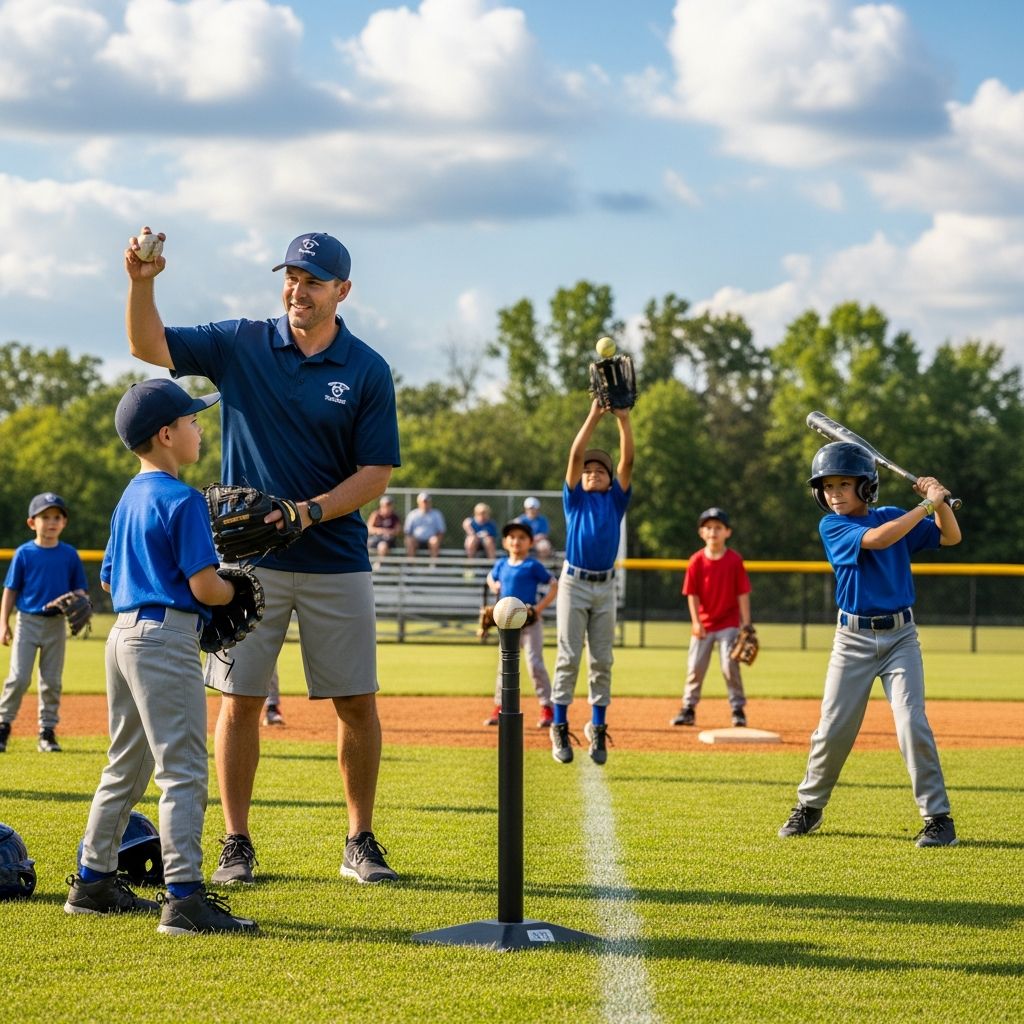
Youth baseball coaching is about much more than wins and losses. It is about teaching kids the game, building confidence, and creating a fun environment where players want to keep coming back year after year. This guide walks through practical steps any coach can follow to become more effective, organized, and supportive on and off the field.
Why Youth Baseball Coaching Matters
For many kids, a youth baseball coach is their first real mentor outside the home or classroom. Your attitude and approach can shape how they feel about sports, teamwork, and even themselves. When kids enjoy their experience and feel supported, they are more likely to stay active, learn resilience, and develop a lifelong love of the game.
Good coaching in youth baseball focuses on player development, safety, and enjoyment rather than statistics or standings. When those priorities are clear, everything else falls into place much more easily.
Define Your Coaching Philosophy
Before you step onto the field, take time to think about your personal coaching philosophy. This is your guiding framework—the values and goals that sit behind your decisions, tone, and expectations. A clear philosophy prevents you from reacting emotionally in the heat of the moment and helps you stay consistent with kids and parents.
Ask yourself what you want players to remember about their season years from now. Most will not remember their batting average, but they will remember how you made them feel, whether practice was fun, and if they felt included and encouraged.
Key Elements of a Strong Coaching Philosophy
- Player-first focus: Prioritize safety, development, and enjoyment over trophies.
- Equal respect: Treat every player with the same level of attention and dignity, regardless of ability.
- Growth mindset: Emphasize effort, learning, and improvement rather than perfection.
- Sportsmanship: Model respect for opponents, umpires, and the game itself.
Communicate Clearly with Players and Parents
Strong communication is one of the most important skills for a youth baseball coach. Kids need simple, positive instructions, and parents need clear expectations about schedules, playing time, and your coaching approach. Misunderstandings usually start where communication is vague or inconsistent.
Use the preseason to outline how you will communicate (email, messaging apps, team websites) and what parents and players can expect from you. Clear communication early in the season helps prevent frustration later.
Preseason Parent Meeting Checklist
- Introduce yourself, assistants, and your coaching background.
- Share your core philosophy and goals for the season.
- Explain how you handle playing time and positions.
- Review safety rules and equipment expectations.
- Discuss communication channels and preferred contact times.
Know the Age Group You Are Coaching
Coaching 6-year-olds is very different from coaching 12-year-olds. Younger kids need more games, shorter explanations, and basic coordination work, while older players can handle more detail and strategy. Understanding what is age-appropriate helps you pitch your language, drills, and expectations at the right level.
Instead of trying to coach every team like a high school squad, focus on what your age group can realistically handle. Simpler is often better, especially with newer or younger players.
Age-Appropriate Coaching Focus
| Age Range | Main Goals | Emphasis in Practice |
|---|---|---|
| 5–7 years | Fun, basic rules, simple skills | Short games, basic throwing, catching, batting off tee |
| 8–10 years | Fundamentals, confidence, teamwork | Repetition of core skills, simple base running, field positions |
| 11–12 years | Refinement, strategy basics | Pitching basics, cutoffs, situational hitting and fielding |
Plan Efficient, Engaging Practices
Well-planned practices are the backbone of a successful youth baseball season. Kids learn best when they are moving, engaged, and challenged at the right level. Long lines, slow transitions, and unstructured time lead to boredom and behavior issues.
An effective practice plan balances skill work, game-like activities, and a fun closing activity. Aim for minimal standing around and maximum touches of the ball for every player.
Sample 90-Minute Practice Structure
- Warm-up (10–15 minutes): Light jogging, dynamic stretches, simple throwing progression.
- Fundamental stations (30 minutes): Small groups rotate through throwing, fielding, and hitting drills.
- Game-like drills (25–30 minutes): Controlled scrimmage, situational defense, or baserunning games.
- Cool-down and review (10–15 minutes): Team talk, shout-outs, quick reminder of the next practice or game.
Use Stations to Keep Everyone Active
Stations are one of the simplest ways to keep youth players engaged. Instead of one big line of kids waiting for their turn, divide the team into small groups and set up multiple activity areas around the field. Rotate every few minutes to give players fresh challenges.
Stations also make it easier for assistant coaches and helpful parents to support you. With clear instructions in each area, everyone can help run reps while you float between stations giving feedback.
Example Station Setup
- Station 1 – Throwing and catching: Partner throws at short distance, focusing on grip, step, and follow-through.
- Station 2 – Ground balls: Rolling or softly hitting grounders, working on ready position and fielding with two hands.
- Station 3 – Hitting: Batting tee or soft toss, emphasizing stance, balance, and level swing.
- Station 4 – Baserunning: Running through first base, rounding bases, and listening for coach cues.
Teach Fundamental Skills Clearly
Young players need simple, repeatable explanations. Break each skill into a few key points rather than giving a long lecture. Show, then let them try, then give a short correction. Encourage effort, not just outcomes, so kids stay willing to take risks and learn from mistakes.
Return to the fundamentals often throughout the season. Even experienced players benefit from regular reminders of basic techniques.
Core Baseball Fundamentals to Emphasize
- Throwing: Proper grip, pointing the front shoulder at the target, stepping toward the throw and following through.
- Catching: Using two hands when possible, watching the ball all the way in, and getting into a balanced stance.
- Fielding grounders: Staying low, using a wide base, getting the glove out front, and funneling the ball to the chest.
- Hitting: Balanced stance, eyes on the ball, short stride, and smooth swing through the hitting zone.
- Baserunning: Running through first, picking up base coaches, and sliding safely when appropriate.
Make Learning Fun and Positive
Youth players respond best to encouragement and fun challenges. When practices feel like a series of punishments or lectures, kids lose interest and stop giving their best effort. When they feel supported and enjoy themselves, they are more likely to stay focused and work hard.
Use small competitions, team challenges, and themed drills to keep energy high. Your goal is to blend skill development with enjoyment so that kids leave the field smiling and excited to return.
Ideas to Keep Practices Fun
- Turn throwing drills into accuracy games with targets.
- Run relay races that include baserunning fundamentals.
- Create small-team scrimmages with simple, rotating roles.
- End practice with a fun “coach vs. players” challenge or a favorite team game.
Coach with Positive, Constructive Feedback
How you correct mistakes matters as much as what you correct. Harsh criticism or sarcasm can embarrass kids and make them fearful of trying. Instead, focus on what they did well and then add a simple suggestion for improvement.
Use a calm tone, speak privately when possible, and keep feedback short and specific. Praise effort and attitude even when the result is not perfect.
Simple Feedback Framework
- Start with a positive: “Nice job getting in front of the ball.”
- Add one correction: “Next time, stay a little lower with your knees bent.”
- End with encouragement: “Try that again; you’re really close.”
Manage Games with Perspective
Game day can be emotional for players, parents, and coaches. It is easy to get caught up in the score and forget the long-term purpose of youth sports. Your calm presence and focus on development set the tone for everyone else.
Use games as an extension of practice, not just a test. Make decisions that support learning—such as rotating positions when appropriate and giving players different game situations rather than relying only on your most experienced kids.
Game-Day Coaching Priorities
- Stay calm and respectful with umpires, even on close calls.
- Encourage players constantly, especially after errors or strikeouts.
- Reinforce good sportsmanship: handshakes, thanking umpires, and respecting opponents.
- Use the dugout as a teaching space, not a place for yelling or blame.
Handle Playing Time and Positions Fairly
Playing time is one of the biggest sources of tension in youth sports. Being transparent and fair from the start helps reduce conflict. At developmental levels, every player should have reasonable opportunities to participate in games and try different positions over the course of the season.
Explain to parents and players how you will balance development, safety, and competitiveness. Younger age groups usually benefit from wide rotation, while older teams may begin to specialize gradually, especially for safety-critical positions like pitcher or catcher.
Work Effectively with Parents
Parents can be your greatest allies or your biggest challenge. Involving them positively can make practices and games run more smoothly. Share clear expectations about sideline behavior, communication, and ways they can support the team.
Invite parents to help with simple tasks such as organizing equipment, running basic drills under your guidance, or coordinating team logistics. When parents feel informed and included, they are more likely to support your approach.
Guidelines for Positive Parent Involvement
- Ask parents to cheer for all players, not just their own child.
- Request that coaching instructions come only from the coaching staff during games.
- Provide a clear process for private conversations about concerns, away from the field and after a cooling-off period.
Stay Organized and Prepared
Organization builds trust and makes your season smoother. When you show up prepared with a plan, the team’s energy and focus improve immediately. Disorganized practices and last-minute changes create confusion and frustration.
Use a simple system to track attendance, game lineups, practice plans, and equipment. Digital calendars, spreadsheets, or dedicated team apps can make this easier. The key is consistency so everyone knows what to expect.
Basic Coaching Checklist
- Printed or digital practice plan for each session.
- Updated team contact list and schedule.
- First aid supplies and emergency contact information.
- Complete equipment: balls, bats, helmets, bases, and extra gloves if available.
Keep Safety as a Top Priority
Safety is non-negotiable in youth baseball. Teaching safe habits from day one protects players physically and helps them feel more confident. Consistent rules about helmets, warm-ups, and proper sliding reduce the risk of preventable injuries.
Always check the field for hazards, ensure equipment is in good condition, and stop drills immediately if something looks unsafe. Address rough or reckless behavior quickly and calmly.
Continue Learning as a Coach
The best coaches never stop learning. Rules, best practices, and training methods change over time, and every team teaches you something new. Treat each season as an opportunity to improve your own skills as much as your players’ skills.
Attend local clinics, read coaching guides, and connect with more experienced coaches for advice. Reflect after games and practices about what went well and what you would like to adjust next time.
Frequently Asked Questions (FAQs)
How much baseball experience do I need to coach youth baseball?
You do not need professional or high-level playing experience to be a good youth baseball coach. What matters most is your willingness to learn, your patience with kids, and your commitment to safety and positive teaching. Basic rule knowledge and a focus on fundamentals are usually enough to get started.
How long should youth baseball practices be?
For most youth teams, practices between 60 and 90 minutes work well. Younger players often do best with shorter, high-energy sessions, while older players can handle slightly longer practices with more focused drills and game-like situations.
How can I keep kids focused during practice?
Use short drills, limit standing in lines, and rotate activities every few minutes. When kids are constantly moving and challenged, they are less likely to lose focus. Clear instructions and visible demonstrations also help them understand what to do quickly.
What should I do when a player is struggling with confidence?
Offer extra encouragement and small, achievable goals. Focus your feedback on effort and improvement, not just performance. Give the player chances to succeed in lower-pressure situations before gradually adding more challenge.
How do I handle disagreements with parents?
Stay calm and professional. Avoid discussing emotional topics immediately after games. Instead, suggest a separate time to talk privately. Listen carefully, explain your philosophy, and look for common ground that keeps the player’s best interests at the center of the conversation.
Bringing It All Together
Becoming a better youth baseball coach is an ongoing process, not a single step. With a clear philosophy, good communication, organized practices, and a player-first mindset, you can create a season that kids will remember for the right reasons. Your efforts help shape their attitude toward sports, teamwork, and hard work far beyond the baseball field.