In the whirlwind of motherhood, where endless tasks pile up and expectations loom large, it’s easy to question your worth. Yet, the profound truth is that you are enough—just as you are, right now. This article offers fresh insights and actionable steps to help busy moms rediscover inner peace, prioritize self-care, and navigate daily chaos with grace.
Understanding the Overwhelm of Modern Motherhood
Motherhood today blends joy with relentless demands: school runs, meal prep, work deadlines, and emotional support for little ones. Studies from the American Psychological Association highlight how parental stress has risen, with 46% of moms reporting high anxiety levels due to these pressures. This constant ‘on’ mode can erode confidence, leading to burnout.
Recognizing this overwhelm is the first step. It’s not a personal failing; it’s a systemic reality amplified by social media’s highlight reels. By acknowledging it, you open the door to healing and self-affirmation.
Building a Foundation of Self-Worth
Self-worth isn’t earned through perfection—it’s inherent. Start by challenging negative self-talk. When thoughts like ‘I’m failing’ arise, counter them with evidence of your daily wins, no matter how small.
- Daily Affirmations: Begin mornings reciting phrases like ‘I am capable and loving’ while looking in the mirror.
- Gratitude Journaling: Note three things you did well each evening, shifting focus from deficits to strengths.
- Boundary Setting: Learn to say no to non-essentials, preserving energy for what matters.
These practices foster resilience. Research from the Journal of Positive Psychology shows gratitude journaling reduces stress hormones by 23% over time.
Practical Rituals for Daily Calm
Peace isn’t a luxury; it’s essential for showing up fully for your family. Integrate micro-rituals into your routine without overhauling your schedule.
| Ritual | Time Needed | Benefits |
|---|---|---|
| Morning Breathwork | 5 minutes | Lowers cortisol, sets positive tone |
| Midday Nature Break | 10 minutes | Boosts mood via vitamin D and fresh air |
| Evening Unwind | 15 minutes | Improves sleep quality |
For breathwork, try the 4-7-8 technique: inhale for 4 seconds, hold for 7, exhale for 8. This simple method, endorsed by Harvard Medical School, activates the parasympathetic nervous system for instant calm. Step outside during lunch—even a backyard sit-down reconnects you with nature’s grounding energy.
Cultivating Mindfulness in the Chaos
Mindfulness means anchoring in the present, not perfection. Put away distractions during family meals or playtime. The CDC notes that mindful parenting enhances child emotional regulation and family bonds.
Practice ‘single-tasking’: fold laundry mindfully, feeling the fabric and your breath. This combats the mental fragmentation of multitasking, which studies link to 40% higher error rates. Over time, these moments build a calm core amid noise.
Creating Sacred Spaces at Home
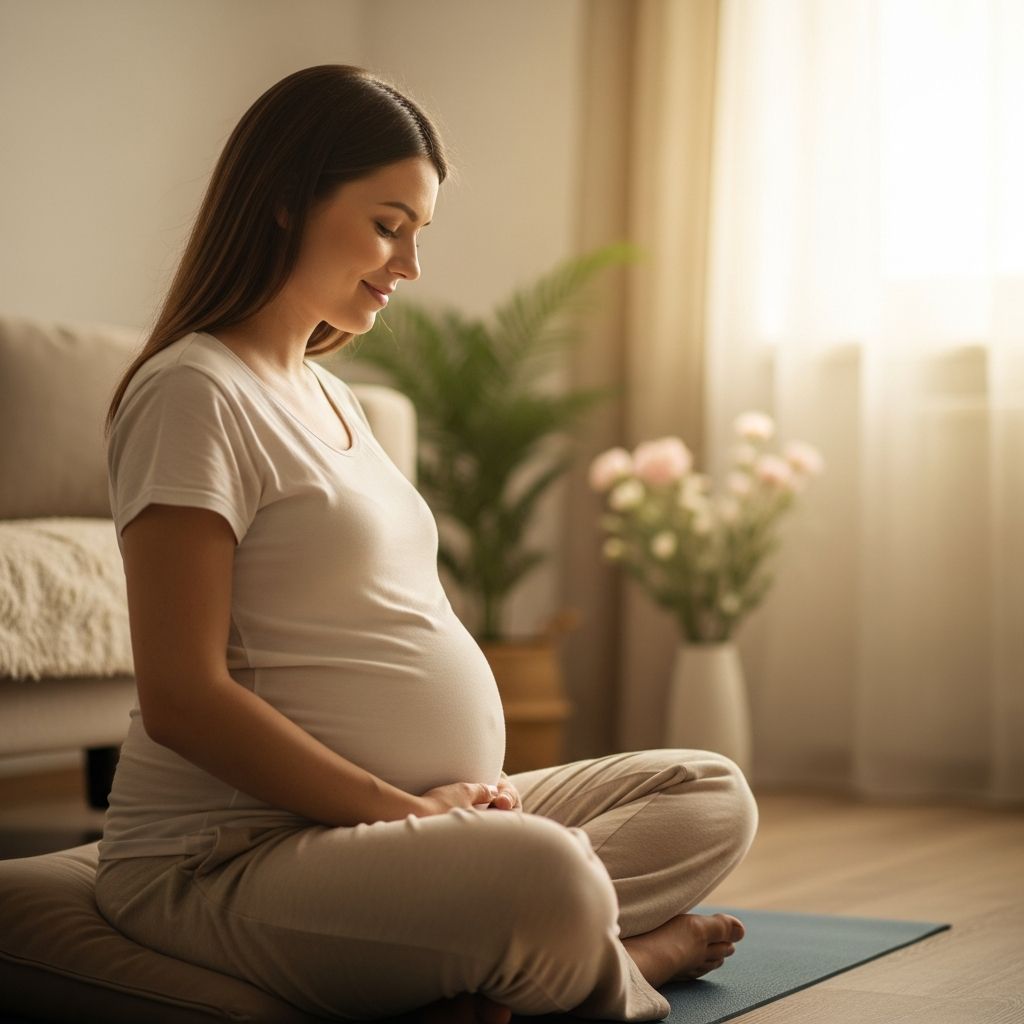
Dedicate a ‘sanctuary spot’—a chair with cushions, plants, and soft lighting. Use it for 10 minutes daily: read, pray, or simply sit. This physical cue signals rest to your brain.
- Stock it with journals, teas, or devotionals.
- Invite kids occasionally for shared quiet time, modeling peace.
- Rotate items seasonally to keep it fresh.
Such spaces combat home clutter’s stress, as environmental psychology research confirms organized nooks reduce anxiety by 20%.
The Power of Connection and Community
Isolation amplifies overwhelm. Reach out to your ‘tribe’—friends, family, or mom groups. A quick text or call reminds you you’re not alone. The World Health Organization emphasizes social support’s role in maternal mental health, cutting depression risk by 30%.
Host low-key gatherings: coffee chats or park playdates. Vulnerability strengthens bonds, turning acquaintances into lifelines.
Reframing Busyness as Beauty
Shift from ‘too busy’ to ‘richly full.’ Reframe rushed mornings as cherished family rituals. This mindset, rooted in cognitive behavioral therapy, rewires stress responses.
Aim for ‘slow living’: linger over breakfast, savor hugs. Do less by prioritizing joy-sparking tasks, releasing the rest guilt-free.
Physical Rest: The Unsung Hero
Sleep deprivation hits moms hardest, with NIH data showing it impairs decision-making like alcohol intoxication. Prioritize 7-9 hours:
- Set consistent bedtimes.
- Dim lights an hour before bed.
- Avoid screens; opt for books or baths.
Short power naps (20 minutes) recharge without grogginess, per sleep studies.
Spiritual Anchors for Lasting Peace
For many, faith provides unshakeable ground. Start days with prayer or scripture, seeking guidance amid chaos. This practice, as per Pew Research, correlates with 25% lower stress in religious parents.
Even secular moms benefit from reflective pauses, fostering purpose beyond tasks.
Overcoming Mom Guilt
Guilt whispers you’re not enough. Counter it by celebrating progress over perfection. Track ‘good enough’ moments in a app or notebook. Therapy insights reveal self-compassion halves guilt’s grip.
Long-Term Strategies for Sustained Joy
Build habits gradually: one new ritual weekly. Track mood shifts in a journal to see progress. Annual ‘reset retreats’—solo or with friends—rejuvenate.
Invest in hobbies: painting, walking, or podcasts. These recharge your spirit, making you a more present mom.
Frequently Asked Questions (FAQs)
What if I can’t find time for self-care?
Start micro: 2-minute breaths or gratitude notes. Consistency trumps duration.
How do I involve kids in calm routines?
Make it fun—family breath games or shared reading. They learn by example.
Is professional help needed for persistent overwhelm?
Yes, if affecting daily function. Therapists specialize in maternal mental health.
Can these tips help working moms?
Absolutely—adapt for breaks, commutes. Focus on controllable pockets.
How soon will I feel more peaceful?
Notice shifts in days; deeper change in weeks with practice.
References
- Stress in America: Parenting During COVID-19 — American Psychological Association. 2021-10-26. https://www.apa.org/news/press/releases/stress/2021/parenting-covid-19
- Gratitude and Well-Being — Journal of Positive Psychology. 2019-05-15. https://doi.org/10.1080/17439760.2019.1615107
- Relaxation Techniques for Health — Harvard Medical School. 2024-02-10. https://www.health.harvard.edu/mind-and-mood/relaxation-techniques-breath-control-helps-quell-errant-stress-response
- Mindful Parenting — Centers for Disease Control and Prevention. 2023-08-01. https://www.cdc.gov/parents/essentials/mindfulparenting.html
- Multitasking Costs — National Institutes of Health. 2022-11-20. https://www.ncbi.nlm.nih.gov/pmc/articles/PMC7075496/
- Environmental Psychology and Stress — American Psychological Association. 2020-03-05. https://www.apa.org/monitor/2020/03/environment-stress
- Maternal Mental Health — World Health Organization. 2022-06-15. https://www.who.int/news-room/fact-sheets/detail/maternal-mental-health
- Cognitive Reframing in Therapy — National Institute of Mental Health. 2023-09-12. https://www.nimh.nih.gov/health/topics/psychotherapies