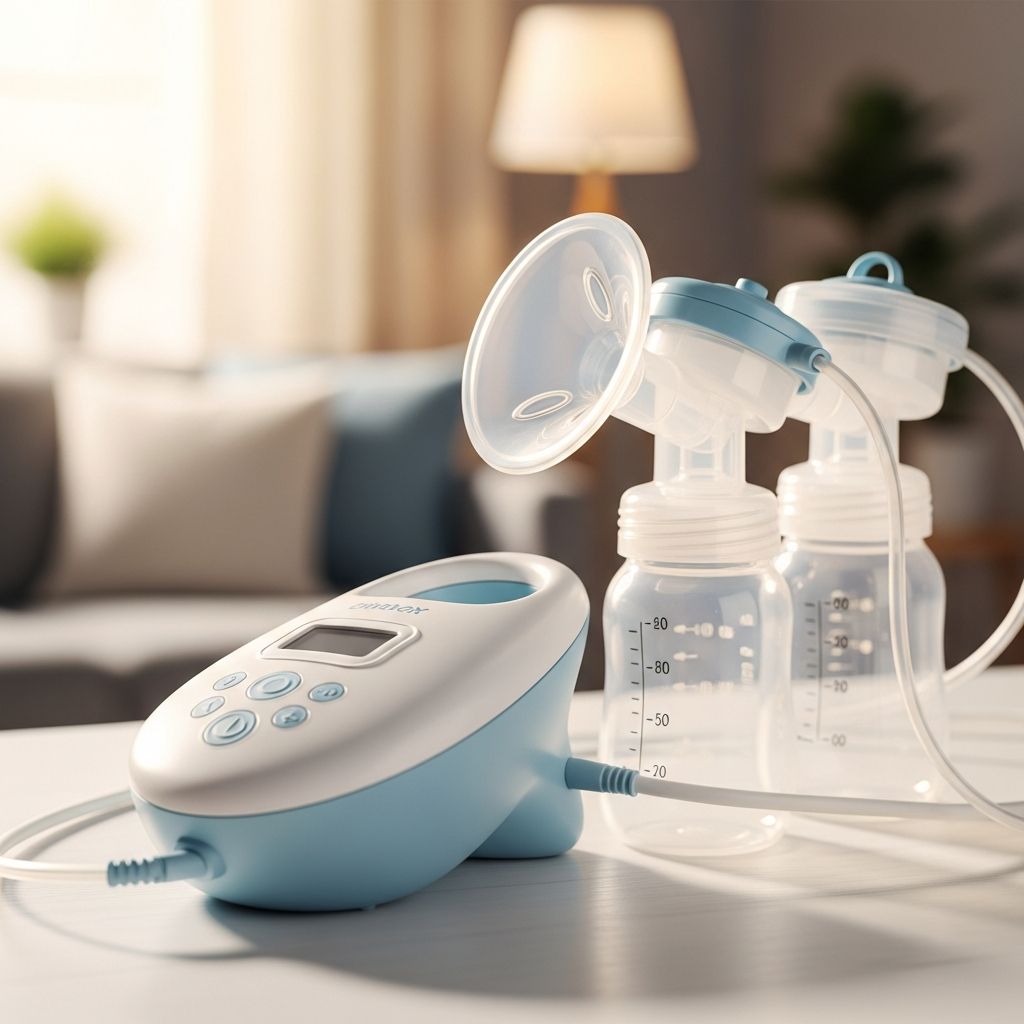
Accessing a breast pump at no personal expense is a key benefit for expectant and new mothers, mandated by federal law for most health plans. This guide details the process, options, and strategies to ensure you receive high-quality equipment seamlessly.
Understanding Your Legal Right to Breastfeeding Equipment
The Affordable Care Act (ACA) requires non-grandfathered health insurance plans to provide coverage for breastfeeding support, including breast pumps, without cost-sharing. This applies to manual, electric, or rental units, determined in consultation with your healthcare provider.
Plans must cover either a personal-use pump you keep or a rental, with specifics on timing (prenatal or postpartum) varying by policy. Hospital-grade models may be available for rentals in cases of medical necessity, such as for NICU infants.
Eligibility Criteria for Coverage
To qualify, confirm your plan is ACA-compliant—most marketplace, employer-sponsored, and Medicaid plans are. Exclusions include grandfathered plans (pre-2010 without changes) and short-term or certain religious-exempt policies.
- Primary Insurance: Bills first; typically covers one pump per pregnancy.
- Secondary Insurance: Only activates if primary denies; does not double coverage.
- Medicaid/TRICARE: Offers pumps and supplies with documentation.
- Federal Employees: Check specific programs like FEP BCBS.
Verify eligibility by logging into your insurance portal or calling member services. Providers like Babylist Health or Aeroflow can pre-check benefits online.
Step-by-Step Process to Order Your Pump
Ordering is straightforward with specialized vendors who manage verification, prescriptions, and shipping. Start 4-6 weeks before your due date for timely delivery.
- Choose a Reputable Supplier: Select from authorized providers like Aeroflow, Babylist, or Lansinoh that accept your insurance.
- Enter Insurance Details: Provide member ID, group number, and OB-GYN info via online form—no need to contact your insurer directly.
- Get a Prescription: Suppliers coordinate with your doctor; a simple Rx for ‘breast pump’ suffices.
- Select Your Model: Browse covered options; standard models are free, upgrades may incur fees.
- Review and Submit: Supplier verifies benefits (1-2 days), processes order, and ships discreetly with free delivery.
Popular suppliers handle claims, reducing out-of-pocket risks. Track status via portal; delivery takes 7-14 days post-approval.
Popular Breast Pump Models Covered by Insurance
Insurance prioritizes medical-grade, durable pumps from trusted brands. Here’s a comparison of commonly covered options:
| Model | Type | Key Features | Typical Cost (Upgrade Fee) | Best For |
|---|---|---|---|---|
| Spectra S1/S2 Plus | Hospital-Style Electric | Portable, rechargeable, multiple modes | $0-$225 | Frequent pumpers |
| Medela Pump in Style | Personal Electric | Compact, hospital-grade parts, bags included | $0-$199 | Daily use |
| Motif Duo/Roam | Portable Electric | Hands-free compatible, quiet operation | $189-$199 | On-the-go moms |
| Willow Go/Sync | Wearable | Wireless, app-connected, spill-proof | $249-$349 | Discreet pumping |
| Medela Symphony (Rental) | Hospital-Grade | Multi-user safe, high suction | Rental only | Medical needs |
Selections depend on lifestyle—wearables for mobility, electrics for efficiency. Suppliers list only in-network models.
Maximizing Additional Benefits and Supplies
Beyond the pump, qualify for free milk storage bags and replacement parts (valves, membranes, tubing) starting 30 days postpartum, up to 1 year.
- Storage Bags: Monthly resupplies for freezer organization.
- Parts: Hygienic replacements to maintain output.
- Accessories: Flanges, bags, totes—often covered or low-cost.
Services like lactation consultations may also be included; check your plan. For multiples, one pump per birth event typically.
Navigating Common Challenges and Solutions
Delays or denials happen—anticipate these:
| Issue | Solution |
|---|---|
| Prescription Delay | Remind OB; suppliers provide templates. |
| Upgrade Fees | Opt for standard model or pay difference (non-refundable). |
| Multiple Insurances | Bill primary first; secondary rarely adds pumps. |
| Denied Claim | Appeal with Rx and medical note; try another supplier. |
| Postpartum Timing | Order anytime; parts program activates later. |
Non-returnable policy applies to hygiene reasons—test fit before finalizing. International or uninsured? Explore WIC programs or rentals.
Tips for Effective Pumping Success
A covered pump is step one; optimize for milk supply:
- Pump 8-12 times daily, especially early weeks.
- Ensure proper flange fit (sizes 17-27mm common).
- Store milk at 40°F or freeze; thaw safely.
- Combine with breastfeeding for best results.
Hospital-grade rentals excel for low supply or preemies. Track output to monitor health.
Frequently Asked Questions
When can I order my insurance-covered breast pump?
Anytime during pregnancy, ideally 1-2 months before due date for processing. Postpartum orders are accepted but may delay.
Does Medicaid or Medicare cover breast pumps?
Medicaid yes, via state programs; Medicare generally no unless medically necessary.
Can I get a wearable pump for free?
Often with upgrade fee ($200+); confirm with supplier based on plan.
What if I already bought a pump?
Insurance covers one per pregnancy; duplicates may not reimburse.
Are replacement parts really free?
Yes, for 1 year post-birth if pump was insurance-ordered.
References
- Order Insurance-Covered Breast Pumps — Babylist Health. 2025. https://www.babylist.com/health
- Breastfeeding benefits — HealthCare.gov. 2025-01-01. https://www.healthcare.gov/coverage/breast-feeding-benefits/
- Insurance Covered Breast Pumps — InsuranceCoveredBreastPumps.com. 2025. https://insurancecoveredbreastpumps.com
- Breast Pump Through Insurance — Acelleron. 2025. https://acelleron.com/breast-pumps/order/
- Breast Pumps and Supplies — TRICARE. 2025. https://tricare.mil/breastpumps
- Breast Pumps Through Insurance — Aeroflow Breastpumps. 2025. https://aeroflowbreastpumps.com/breast-pumps/