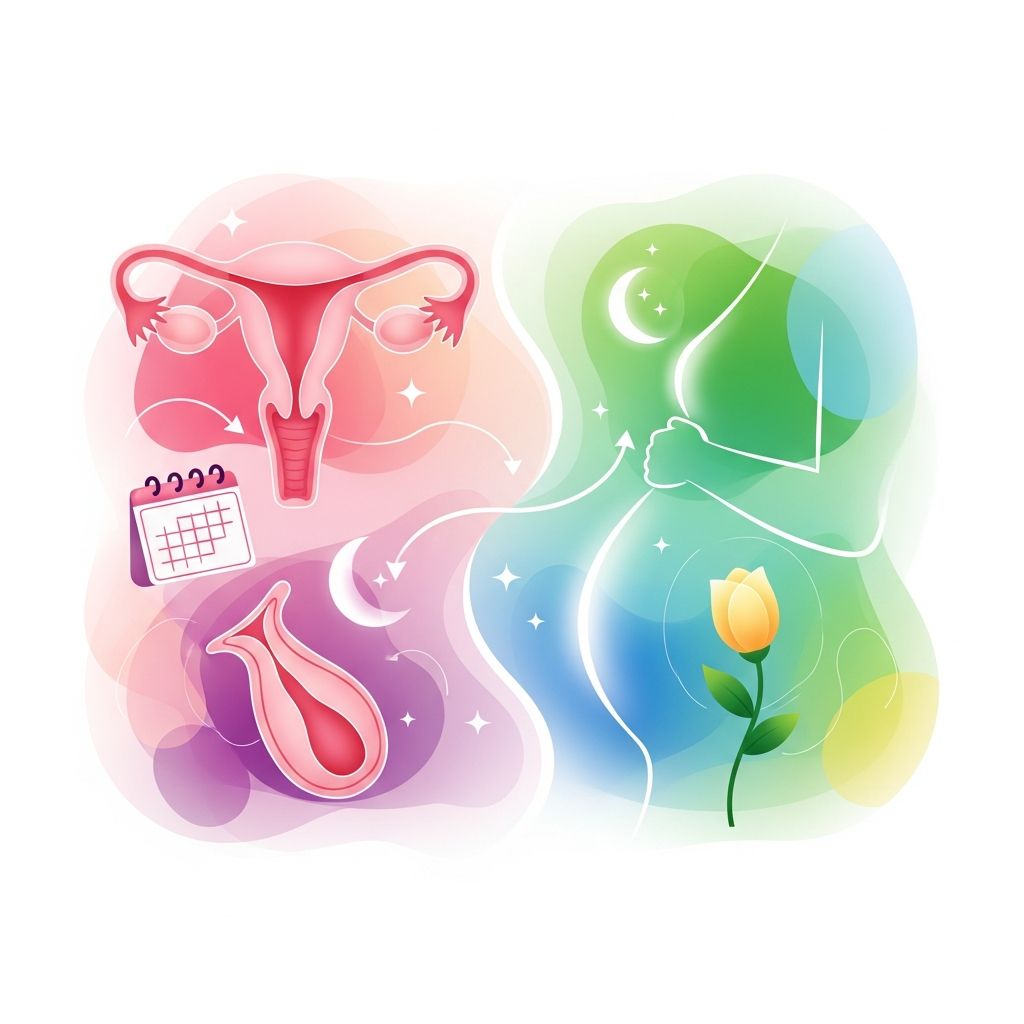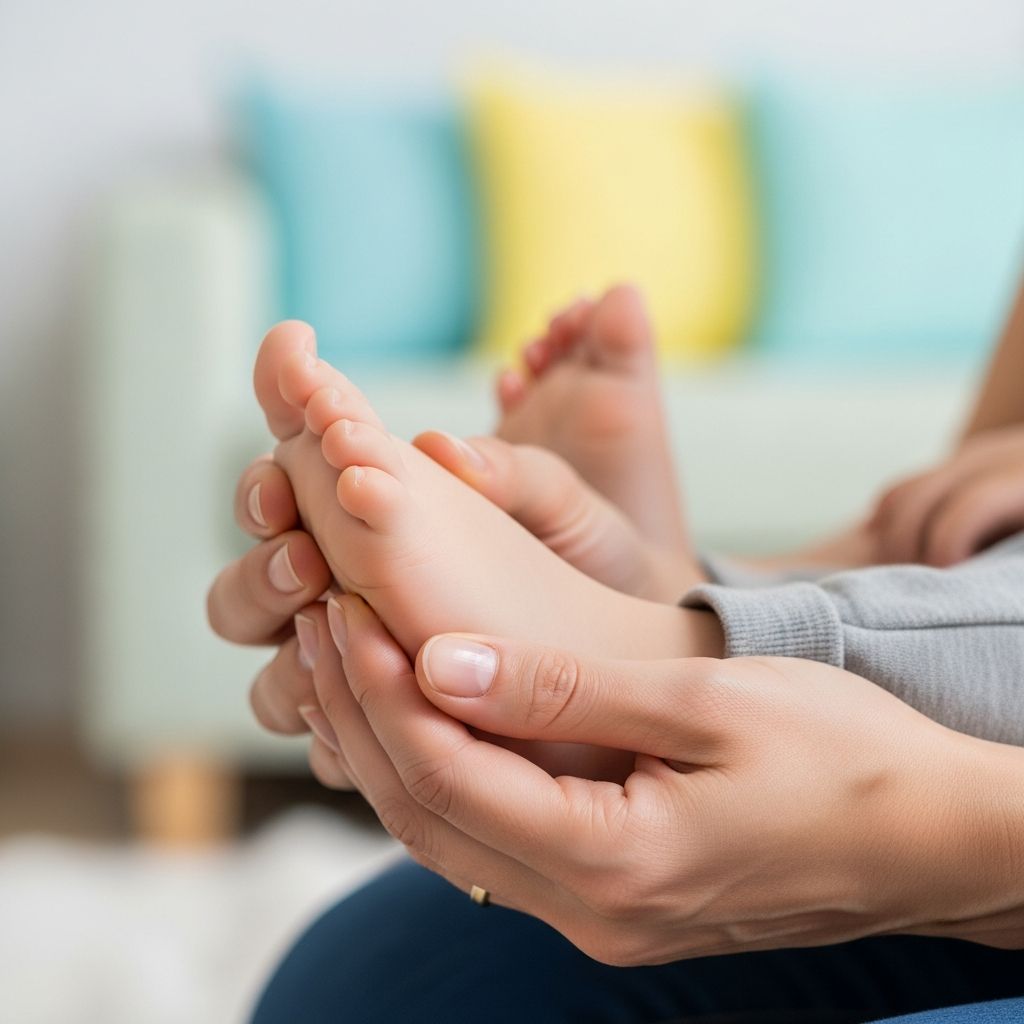
Yeast infections, primarily caused by an overgrowth of Candida fungus, are common in children and can affect various body areas like the mouth, skin, diaper region, and genital areas. These infections thrive when natural balances are disrupted, leading to discomfort that parents must address promptly.
Understanding Candida and Why It Affects Kids
Candida is a type of yeast naturally present on the skin, in the mouth, digestive tract, and genital regions without causing issues under normal conditions. Problems arise when it multiplies excessively due to factors like warmth, moisture, or immune changes. In children, this overgrowth often leads to infections known as candidiasis.
Infants and young children are particularly susceptible because their skin folds trap moisture, and their developing immune systems may not fully control fungal growth. Older kids might encounter it during antibiotic treatments or hormonal shifts in puberty.
Common Forms of Yeast Infections in Young Children
Yeast infections manifest differently based on age and location. Here’s a breakdown:
- Diaper Area Rash (Candida Diaper Dermatitis): Affects babies in the diaper zone, appearing as bright red, shiny patches with satellite spots in skin folds. Unlike regular diaper rash, it persists despite barrier creams.
- Oral Thrush: White, creamy patches on the tongue, inner cheeks, or gums that may bleed if scraped. Common in newborns and bottle-fed infants.
- Skin Folds Infections: Red, itchy rashes in armpits, neck creases, or groin areas, worsened by sweat and friction.
- Genital Yeast Infections: In girls, vaginal itching and thick discharge; in boys, red spots or white coating on the penis. More frequent post-puberty or with diabetes.
Risk Factors That Promote Yeast Overgrowth
Several conditions increase a child’s vulnerability:
- Recent antibiotic use, which eliminates protective bacteria.
- Prolonged moisture exposure, like infrequent diaper changes or tight clothing.
- Weakened immunity from illnesses, HIV, or immunosuppressive drugs.
- High blood sugar in uncontrolled diabetes.
- Hot, humid environments or poor hygiene practices.
| Risk Factor | Why It Matters | Affected Age Group |
|---|---|---|
| Antibiotics | Kills good bacteria, allowing yeast dominance | All ages |
| Diaper Use | Traps moisture and waste | Infants/Toddlers |
| Diabetes | Sugar fuels yeast growth | School-age/Teens |
| Immune Issues | Reduces fungal control | All, esp. chronic illness |
Spotting the Signs: Symptoms by Age Group
In Babies and Toddlers (0-3 Years)
Look for fussiness during changes, bright red rashes with small pustules at edges, and refusal to sit due to pain. Oral thrush shows as white plaques that don’t wipe away easily.
In School-Age Children
Complaints of itching, burning during urination, or visible redness/swelling in genital areas. Girls may note clumpy white discharge; boys, balanitis with penile irritation.
In Adolescents
Similar to adults: intense vulvar itching, dyspareunia (painful intercourse if sexually active), and recurrent episodes signaling hormonal or immune factors.
Symptoms typically develop over days, starting mild but worsening without intervention. Differentiate from bacterial infections by the cheesy discharge or stubborn rash.
When and How to Diagnose Yeast Infections
Parents should consult a pediatrician if a rash lasts over 3 days despite standard care, or if accompanied by fever/discharge. Diagnosis involves visual exam, microscopic swab confirming yeast hyphae, or culture for resistant strains.
Home checks: Yeast rashes often have defined edges and respond poorly to diaper creams alone, unlike irritant dermatitis.
Effective Treatment Strategies for Kids
Treatment targets the fungus directly with antifungals, tailored to site and severity:
- Topical Creams/Ointments: Clotrimazole or nystatin for skin/diaper rashes; apply thinly 2-4 times daily for 7-14 days.
- Suppositories: For vaginal/anal infections in older kids.
- Oral Medications: Fluconazole suspension for thrush or widespread cases; lozenges for cooperative toddlers.
- Steroid Combinations: Low-potency hydrocortisone with antifungal for severe inflammation, short-term only.
Complete the full course to prevent recurrence, even if symptoms fade early. Improvement often seen in 2-3 days, full clearance in 1-3 weeks.
Prevention Tips: Keeping Yeast at Bay
Proactive steps reduce incidence significantly:
- Change diapers frequently, especially after soiling; air-dry skin folds.
- Use breathable cotton clothing/underwear; avoid occlusive fabrics.
- Maintain hygiene: Gentle cleansing, pat dry; limit bubble baths.
- Probiotics during/after antibiotics to restore flora.
- Control blood sugar in diabetic children.
- For thrush prevention in newborns: Sterilize pacifiers/bottles.
In hot weather, prioritize loose clothing and frequent checks.
Potential Complications and When to Seek Urgent Care
Most cases resolve easily, but watch for cellulitis (spreading redness), systemic spread in immunocompromised kids, or recurrent infections (>4/year) needing diabetes/immunity workup.
Urgent signs: High fever, lethargy, rash beyond diaper area, or no improvement after 72 hours of OTC treatment.
Frequently Asked Questions (FAQs)
Can yeast infections spread between family members?
Yes, via shared towels or close contact, but primarily through poor hygiene. Treat all affected simultaneously.
Is over-the-counter treatment safe for young children?
For diaper rash yes, but consult a doctor first for infants under 3 months or oral/genital sites.
How long until a yeast diaper rash clears?
Symptoms ease in days, full healing 2 weeks with consistent antifungal use.
Do probiotics prevent yeast infections?
They help restore balance post-antibiotics, reducing risk.
Can diet influence yeast overgrowth?
High-sugar diets may worsen in prone kids; balanced nutrition supports immunity.
This guide empowers parents with knowledge to manage yeast infections effectively, promoting quick recovery and fewer recurrences. Always partner with healthcare providers for personalized advice.
References
- Candidiasis – St. Louis Children’s Hospital — St. Louis Children’s Hospital. 2023. https://www.stlouischildrens.org/conditions-treatments/candidiasis
- Pediatric yeast infection: Causes & treatment – Children’s Health — Children’s Health. 2024. https://www.childrens.com/specialties-services/conditions/yeast-infection
- When To Be Concerned – Vaginal Yeast Infections in Kids — Dayton Children’s Hospital. 2023. https://childrensdayton.org/resources/when-to-be-concerned/vaginal-yeast-infections-in-kids/
- Candidiasis in Children – Nationwide Children’s Hospital — Nationwide Children’s Hospital. 2024. https://www.nationwidechildrens.org/conditions/health-library/candidiasis-in-children
- Yeast Diaper Rash (Candida Diaper Dermatitis) – Cleveland Clinic — Cleveland Clinic. 2025-01-10. https://my.clevelandclinic.org/health/diseases/22307-yeast-diaper-rash