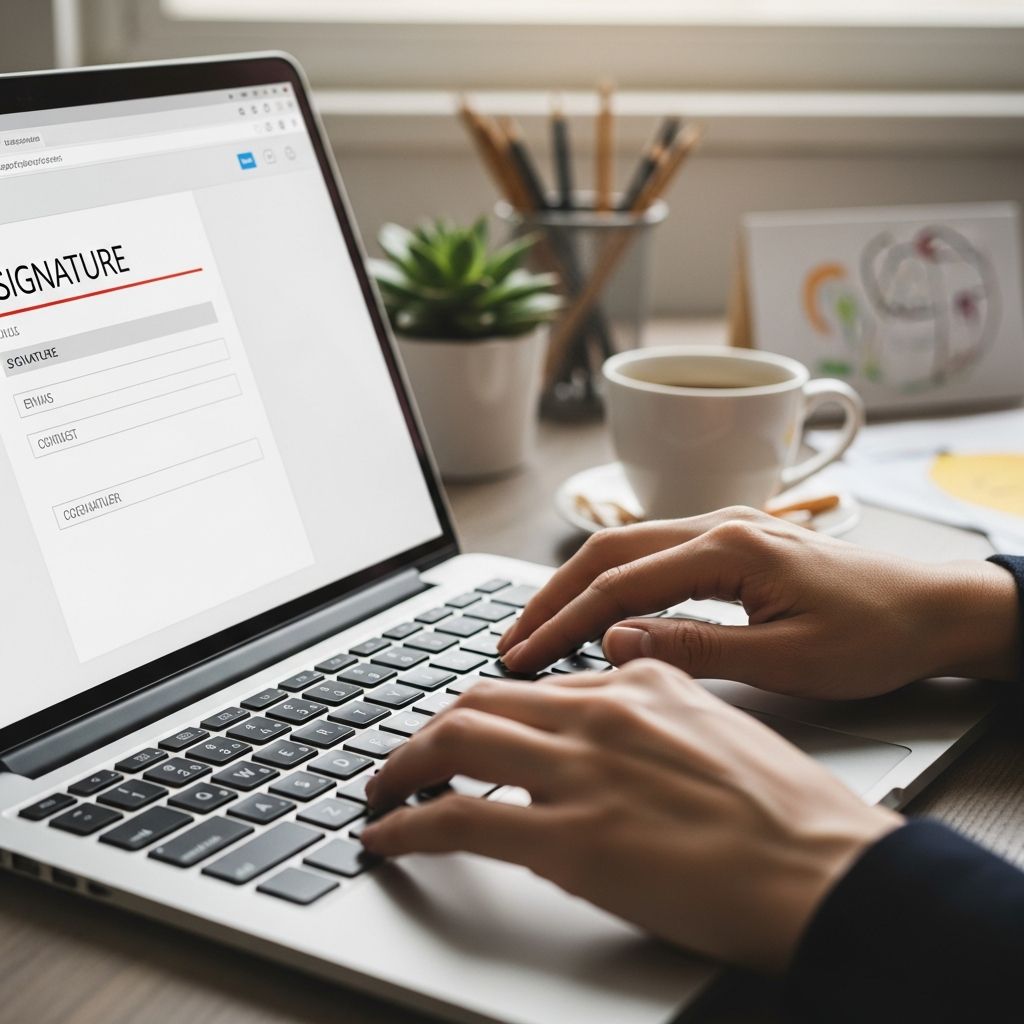
During periods of heightened family demands, such as pandemics or school holidays, working mothers have pioneered a simple yet powerful tool: the candid email signature. These short statements alert colleagues and clients to potential response delays due to childcare responsibilities, normalizing the realities of parenting in a system lacking support. This trend, which exploded in popularity around 2020-2021, continues to resonate as a form of quiet advocacy and boundary-setting.
The Rise of Transparent Communication from Home Offices
In the early days of widespread remote work, many professionals faced the dual burden of jobs and childcare without institutional backups. Freelance journalists, academics, and others began appending notes to their emails, explaining slower replies. For instance, one mother of four updated her signature after a client’s impatient follow-up, stating delays in summer months stemmed from unaffordable childcare options. This act transformed frustration into a public statement, amassing widespread approval online.
These signatures serve multiple purposes: they manage expectations, reduce guilt over imperfect responsiveness, and highlight broader societal issues. Mothers reported feeling ‘seen’ upon receiving similar messages, creating networks of solidarity amid isolation. The practice evolved from pandemic-specific pleas to seasonal reminders, particularly for June through August when schools close.
Real-World Examples That Captured National Attention
- A freelance writer’s note: “Please note I may be slower to respond to email in the months of June, July, and August due to the United States’ inability to provide affordable childcare for working mothers.” This went viral on social media, sparking discussions on economic impacts.
- During lockdowns, another mom shared: “I’m a mom in a pandemic and will be delayed in responding to my emails. Thank you for understanding.” It encouraged others to adopt realistic auto-responses.
- Academic voices added: “Any work I have done since March 13, 2020, I have done while also caring for my children,” underscoring interrupted productivity.
- Humorous takes emerged, like “Have a noncontagious day but keep an infectious smile,” blending levity with reality.
These examples illustrate a spectrum from blunt policy critiques to empathetic disclaimers, all aimed at humanizing the professional persona.
Why Childcare Shortages Hit Working Mothers Hardest
The United States stands out among developed nations for lacking universal subsidized childcare, forcing families into tough choices. High costs often exceed a single parent’s salary, leading some to exit the workforce. During summer, options like camps are prohibitively expensive for multi-child households, compounding the issue.
Statistics reveal the toll: the pandemic accelerated women’s labor force departure, with mothers bearing disproportionate childcare loads. This ‘exodus’ threatens diversity gains and economic recovery, as noted in workforce analyses. Economically, subsidized care could boost GDP by over $1 trillion by enabling more mothers to work.
| Challenge | Impact on Working Moms | Potential Solution |
|---|---|---|
| High Childcare Costs | Unaffordable for 4+ kids; forces single-income reliance | Universal subsidies |
| Summer School Gaps | Reduced availability; slower email responses | Extended camp programs |
| Pandemic Overloads | Full-time parenting + jobs from home | Flexible work policies |
| Lack of National Support | Only developed nation without it | Policy reform |
Psychological Benefits of Setting Digital Boundaries
Adding such notes alleviates the pressure to be omnipresent. Working mothers often check emails late at night or during family time, harming mental health. Transparent signatures preempt snippy feedback, allowing focus on high-priority tasks. Recipients, many parents themselves, respond with empathy, fostering kinder professional interactions.
One creator noted initial hesitation but found validation in replies like “I am totally stealing this!” This camaraderie reinforces resilience in a ‘broken system’. Long-term, it builds self-advocacy skills, reminding women of their dual roles as capable parents and professionals.
Broader Implications for Workplace Culture and Policy
This trend signals a shift toward valuing family realities in corporate communication. Companies noticing viral signatures may rethink expectations, promoting asynchronous work. It also amplifies calls for reform: advocates link these personal stories to macro benefits like recession-proofing via increased female participation.
Post-pandemic, as return-to-office mandates rise, working mothers remain ‘left behind,’ with many sidelined by ongoing care duties. Email signatures keep the conversation alive, urging leaders to invest in infrastructure like affordable daycare.
Crafting Your Own Effective Email Signature
Start with honesty tailored to your situation. Keep it concise, professional, and positive. Here are tips:
- Specify timelines: Mention seasons or events causing delays.
- Add gratitude: End with “Thank you for understanding” to maintain rapport.
- Highlight context: Reference childcare or family without oversharing.
- Test reception: Monitor responses and adjust as needed.
Example template: “Note: Responses may be delayed during [period] due to family caregiving duties. Appreciate your patience!” Personalize to fit your voice.
Frequently Asked Questions (FAQs)
Is it professional to include personal notes in email signatures?
Yes, when done tactfully. It sets realistic expectations and humanizes interactions, especially in remote-heavy eras. Many professionals, from journalists to professors, use them successfully.
What if a client reacts negatively?
View it as a filter for aligned partnerships. Creators report most responses are supportive, and unsupportive ones highlight mismatched values.
Does this trend still relevant post-pandemic?
Absolutely. Seasonal childcare gaps persist, and hybrid work amplifies needs. It’s evolved into a tool for ongoing advocacy.
How can signatures drive policy change?
By going viral, they spotlight systemic flaws, like the U.S. childcare gap, pressuring leaders for subsidies that could add $1T to GDP.
Are there alternatives to email signatures?
Yes: out-of-office replies, Slack statuses, or team norms for async communication. Signatures offer passive, always-on reminders.
Empowering the Next Generation of Working Parents
These signatures are more than disclaimers; they’re manifestos for equity. By owning their narratives, mothers challenge norms, inspire peers, and contribute to cultural shifts. As one viral creator affirmed, they’ll persist through fits-and-starts workdays, resisting constant connectivity.
Ultimately, this movement underscores a truth: productivity thrives when supported by societal safety nets. Until then, a well-placed email note remains a beacon of authenticity.
References
- Mom makes statement on child care with viral email signature — Good Morning America. 2023-06-15. https://www.goodmorningamerica.com/family/story/mom-makes-statement-child-care-viral-email-signature-99866086
- Tweets that Will Make you Update your Email Signature — Mother.ly. 2021-02-10. https://www.mother.ly/career-money/work-and-motherhood/pandemic-email-signature/
- Mom’s new email signature has parents everywhere applauding her — Upworthy. 2023-05-20. https://www.upworthy.com/working-mom-email-signaturet2/
- Woman Goes Viral For Email Signature About Working Moms — Entrepreneur. 2023-07-12. https://www.entrepreneur.com/business-news/woman-goes-viral-for-email-signature-about-working-moms/453645
- My Honest Email Signature About Being A Working Mom Went Viral — Scary Mommy. 2023-04-05. https://www.scarymommy.com/parenting/my-honest-email-signature-about-being-a-working-mom-went-viral
- Mom makes statement on child care with viral email signature | GMA — YouTube (Good Morning America). 2023-06-16. https://www.youtube.com/watch?v=t4PEg_8XeOk
- Post-Pandemic Return-to-Work: Working Mothers Are Being Left Behind — Perceptyx Blog. 2022-11-08. https://blog.perceptyx.com/return-to-work-working-mothers-are-being-left-behind