Embracing the Winter Season Through Active Play
When snow blankets the ground and temperatures drop, many families look for ways to keep children active and engaged outdoors. Winter sports offer a fantastic opportunity to combine physical activity with fun, fresh air, and family bonding. From gliding across an ice rink to racing down a snowy hill, these activities help kids build strength, coordination, and confidence while enjoying the unique beauty of the season.
However, winter sports also come with specific risks that can be minimized with proper preparation. Understanding the basics of each activity, using the right gear, and following simple safety rules can make all the difference between a joyful experience and an avoidable injury. This guide explores some of the most popular winter activities for children, explains what parents and caregivers should know, and offers practical tips to ensure a safe and enjoyable season.
Why Winter Sports Matter for Growing Kids
Physical activity is essential at every stage of childhood, and winter can present a challenge when indoor time increases. Winter sports help counteract this by encouraging kids to stay active even in colder months. Regular participation in outdoor winter activities supports:
- Cardiovascular health and endurance
- Muscle development and coordination
- Balance and spatial awareness
- Social skills through team-based games
- Mental well-being by reducing screen time and increasing time in nature
Unlike structured gym workouts, winter sports often feel more like play than exercise, which makes them especially appealing to children. Whether it’s learning to stop on skis, mastering a turn on the ice, or simply laughing while sledding with siblings, these experiences build positive associations with physical activity that can last a lifetime.
Popular Winter Activities for Children
There are many ways for kids to enjoy winter, and not all require expensive equipment or travel to a resort. Here are some of the most common and accessible winter sports and activities that families can explore together.
1. Sledding and Tubing
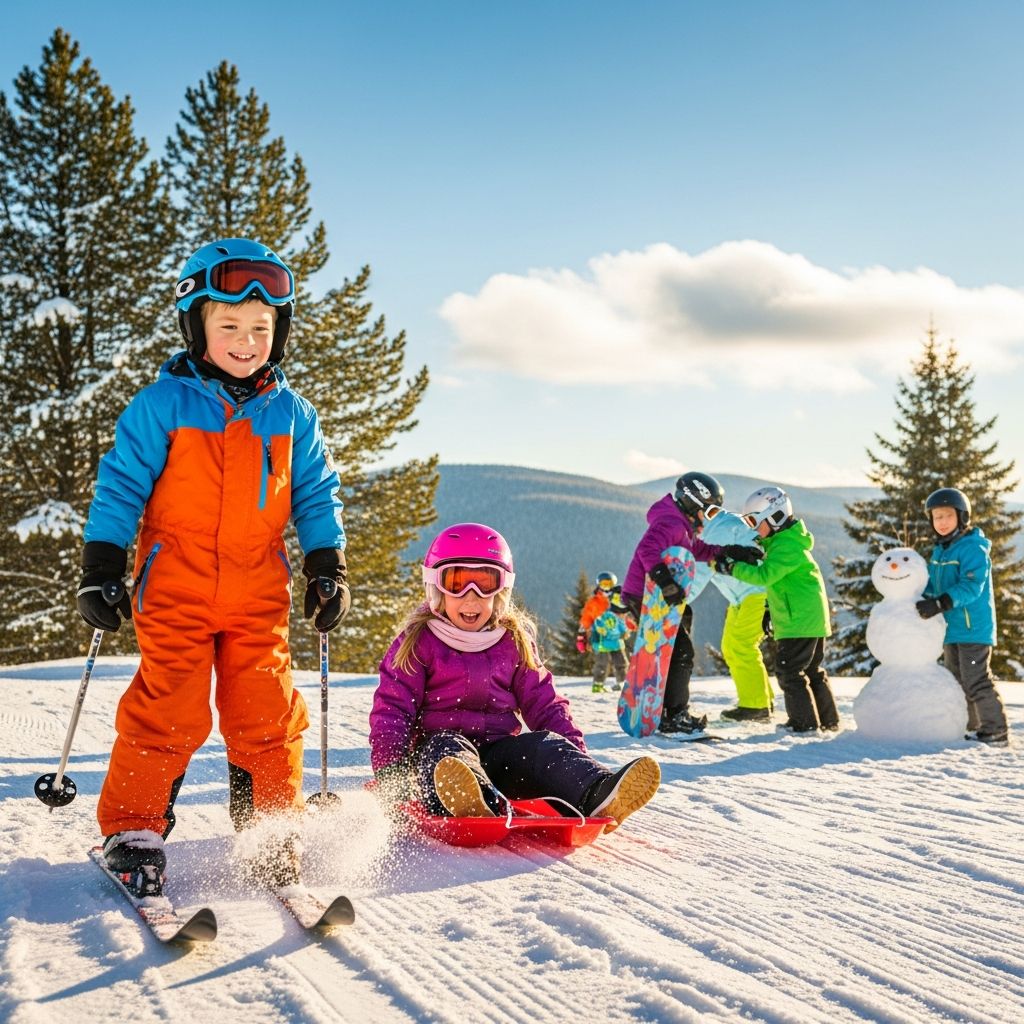
Sledding is one of the simplest and most universally loved winter pastimes. It requires minimal gear and can be done in a local park, backyard, or designated sledding area. Tubing, which uses inflatable rings instead of traditional sleds, is another popular option that’s often available at ski resorts or winter parks.
Because sledding is so accessible, it’s often a child’s first introduction to winter sports. It teaches basic concepts like momentum, direction, and stopping, all while providing plenty of excitement and laughter.
2. Skiing and Snowboarding
Skiing and snowboarding are classic winter sports that attract families to ski resorts and local hills. Skiing typically involves two skis and poles, while snowboarding uses a single board attached to both feet. Both activities require balance, coordination, and practice, but many resorts offer beginner-friendly slopes and lessons tailored to children.
These sports are excellent for building leg strength, improving balance, and teaching children how to follow instructions in a dynamic environment. They also encourage outdoor exploration and can become a shared family tradition over the years.
3. Ice Skating
Ice skating is a graceful and enjoyable activity that can be done on outdoor rinks, frozen ponds (where safe), or indoor arenas. It’s suitable for a wide age range and can be adapted for casual recreation or more structured sports like figure skating and ice hockey.
Skating helps develop core strength, ankle stability, and overall coordination. Many communities offer public skating sessions, learn-to-skate programs, and rental services, making it easy for families to try without a large upfront investment.
4. Ice Hockey and Ringette
For children who enjoy team sports and fast-paced action, ice hockey and ringette are excellent options. These sports combine skating with teamwork, strategy, and physical activity. They are typically organized through local clubs or recreation centers and often include age-appropriate leagues and skill levels.
Participation in these sports not only improves skating ability but also teaches cooperation, communication, and sportsmanship in a structured setting.
Essential Safety Principles for Winter Fun
Safety should always be the top priority when children participate in winter sports. With a few simple precautions, most risks can be significantly reduced. The following principles apply across most winter activities.
1. Use Proper Protective Gear
Protective equipment is not optional—it’s a necessity. The right gear can prevent serious injuries and give children the confidence to try new skills.
- Helmets: A well-fitting helmet is essential for sledding, skiing, snowboarding, and skating. Bicycle helmets are acceptable for sledding if they meet safety standards, but sport-specific helmets (ski, snowboard, hockey) offer better protection for those activities.
- Warm, layered clothing: Dress in moisture-wicking base layers, insulating mid-layers, and a waterproof outer shell. Avoid cotton, which retains moisture and can lead to rapid heat loss.
- Gloves or mittens: Hands are especially vulnerable to cold. Insulated, waterproof gloves or mittens help prevent frostbite and keep kids comfortable.
- Eye protection: Sunglasses or goggles protect against glare and wind, especially at higher elevations or on bright, snowy days.
2. Choose Safe Locations
The environment plays a big role in safety. A poorly chosen hill or an unsafe skating surface can turn a fun outing into an emergency.
- For sledding, select a hill that is free of trees, rocks, and roads at the bottom. The slope should not be too steep, and the snow should be packed rather than icy.
- For skating, only use rinks or ponds that are officially maintained and marked as safe. Avoid thin ice, moving water, or areas with cracks and open water.
- For skiing and snowboarding, stick to designated slopes and follow all posted signs and rules.
3. Supervise and Set Clear Rules
Adult supervision is critical, especially for younger children. An adult can help enforce rules, respond to falls, and ensure that everyone follows safety guidelines.
- Set clear expectations: no head-first sledding, no pushing on the ice, no skiing or snowboarding alone.
- Teach children to recognize when they are tired or cold and to take breaks as needed.
- Make sure kids understand that winter sports are fun but require respect for the environment and others.
Getting Started: Practical Tips for Families
Introducing children to winter sports doesn’t have to be complicated or expensive. With a thoughtful approach, families can make the experience enjoyable and stress-free.
1. Start Small and Build Confidence
Begin with short sessions in a controlled environment. For example:
- Try sledding on a small, gentle hill before moving to steeper terrain.
- Visit an indoor or outdoor rink for a short public skating session before signing up for lessons.
- Book a beginner lesson at a ski resort rather than attempting the slopes without instruction.
Short, positive experiences help children build confidence and reduce the risk of frustration or injury.
2. Invest in or Rent the Right Equipment
Properly fitting equipment is crucial for both safety and enjoyment. Consider the following:
- For sledding, choose a sturdy sled with handles and no sharp edges. Avoid using makeshift sleds like cardboard or plastic sheets.
- For skiing and snowboarding, rental shops at resorts often provide well-maintained gear in a range of sizes. Make sure boots are snug but not painful.
- For skating, skates should fit snugly with minimal heel lift. Many rinks offer rentals, which is ideal for beginners.
3. Learn Basic Skills Before Hitting the Slopes or Ice
Many winter sports involve skills that can be practiced even before going to a resort or rink. For example:
- Practice balance and coordination with simple games like standing on one foot or walking heel-to-toe.
- Teach children how to fall safely: tuck the chin, avoid putting hands out, and roll rather than brace with straight arms.
- Explain how to stop and turn in each activity, whether it’s using a snowplow on skis, edging on a snowboard, or using hockey stops on ice.
Choosing the Right Activity for Your Child
Not every winter sport is a perfect fit for every child. Personality, physical ability, and interests all play a role in what will be most enjoyable and sustainable.
| Activity | Best For | Age to Start | Key Benefits |
|---|---|---|---|
| Sledding/Tubing | Young children, families, casual fun | 3+ years (with supervision) | Simple, low-cost, great for beginners |
| Skiing | Kids who enjoy structured lessons and outdoor adventure | 4–6+ years (varies by child) | Builds leg strength, balance, and confidence |
| Snowboarding | Older kids and teens who like a challenge | 6–7+ years (often easier after some skiing) | Develops coordination and core strength |
| Ice Skating | Most children, especially those interested in hockey or figure skating | 3–5+ years | Improves balance, coordination, and grace |
| Ice Hockey/Ringette | Team-oriented kids who enjoy fast-paced games | 5–6+ years (after basic skating skills) | Builds teamwork, skating, and strategic thinking |
When choosing an activity, involve the child in the decision. Let them try a few different options through short sessions or family outings before committing to a season-long program.
Common Concerns and How to Address Them
Parents often have questions about safety, cost, and time commitment when considering winter sports for their children. Here are some common concerns and practical ways to address them.
1. Fear of Injury
It’s natural to worry about falls and collisions. The best way to reduce risk is through proper instruction, protective gear, and choosing age-appropriate activities. Emphasize that learning to fall safely and knowing when to stop are important skills, not signs of failure.
2. Cost of Equipment and Lessons
Winter sports can seem expensive, but there are ways to keep costs manageable:
- Rent equipment instead of buying, especially in the early stages.
- Look for community programs, school-based initiatives, or discounted family passes.
- Buy used gear from reputable sources, but always inspect it for damage and ensure it fits properly.
3. Time and Travel Commitments
Some winter sports require travel to resorts or rinks, which can be challenging for busy families. Consider starting with local options like sledding hills, public skating sessions, or community-based programs. Even occasional outings can provide meaningful physical activity and family bonding.
Frequently Asked Questions
Q: At what age can children start skiing or snowboarding?
A: Many ski resorts offer lessons for children as young as 3–4 years old, but readiness depends on the child’s physical development, attention span, and comfort with instruction. Starting with short, fun sessions is recommended.
Q: Is sledding safe for young children?
A: Sledding can be safe for young children when done on a gentle, supervised hill with proper gear like helmets and warm clothing. Avoid steep slopes, icy conditions, and areas near roads or obstacles.
Q: Do kids need special helmets for winter sports?
A: Yes, helmets designed for skiing, snowboarding, or hockey provide better protection than bicycle helmets for those activities. For sledding, a certified bicycle helmet is acceptable if a sport-specific helmet is not available.
Q: How can I tell if a frozen pond is safe for skating?
A: Only skate on ponds or lakes that are officially maintained and marked as safe by local authorities. Avoid thin ice, moving water, cracks, or areas with open water. When in doubt, choose a supervised rink instead.
Q: What should I do if my child falls and gets hurt?
A: Stay calm and assess the injury. For minor scrapes or bruises, clean and treat as needed. For more serious injuries like suspected fractures, head injuries, or if the child is in significant pain, seek medical attention immediately.
Final Thoughts: Making Winter Active and Enjoyable
Winter sports offer children a unique blend of physical activity, outdoor exploration, and family fun. By focusing on safety, starting with manageable activities, and choosing options that match a child’s interests and abilities, families can create positive winter memories that last for years.
The goal isn’t to produce elite athletes, but to help kids enjoy the season, stay active, and learn valuable skills in a supportive environment. With the right preparation and mindset, winter can become one of the most exciting and rewarding times of the year for children and parents alike.
References
- Winter Sports Safety — Centers for Disease Control and Prevention (CDC). 2023. https://www.cdc.gov/traumaticbraininjury/prevent/tips/winter_sports.html
- Childhood Physical Activity Guidelines — World Health Organization (WHO). 2020. https://www.who.int/publications/i/item/9789240015128
- Ice Safety Guidelines — National Safety Council (NSC). 2022. https://www.nsc.org/home-safety/safety-topics/seasonal-safety/ice-safety