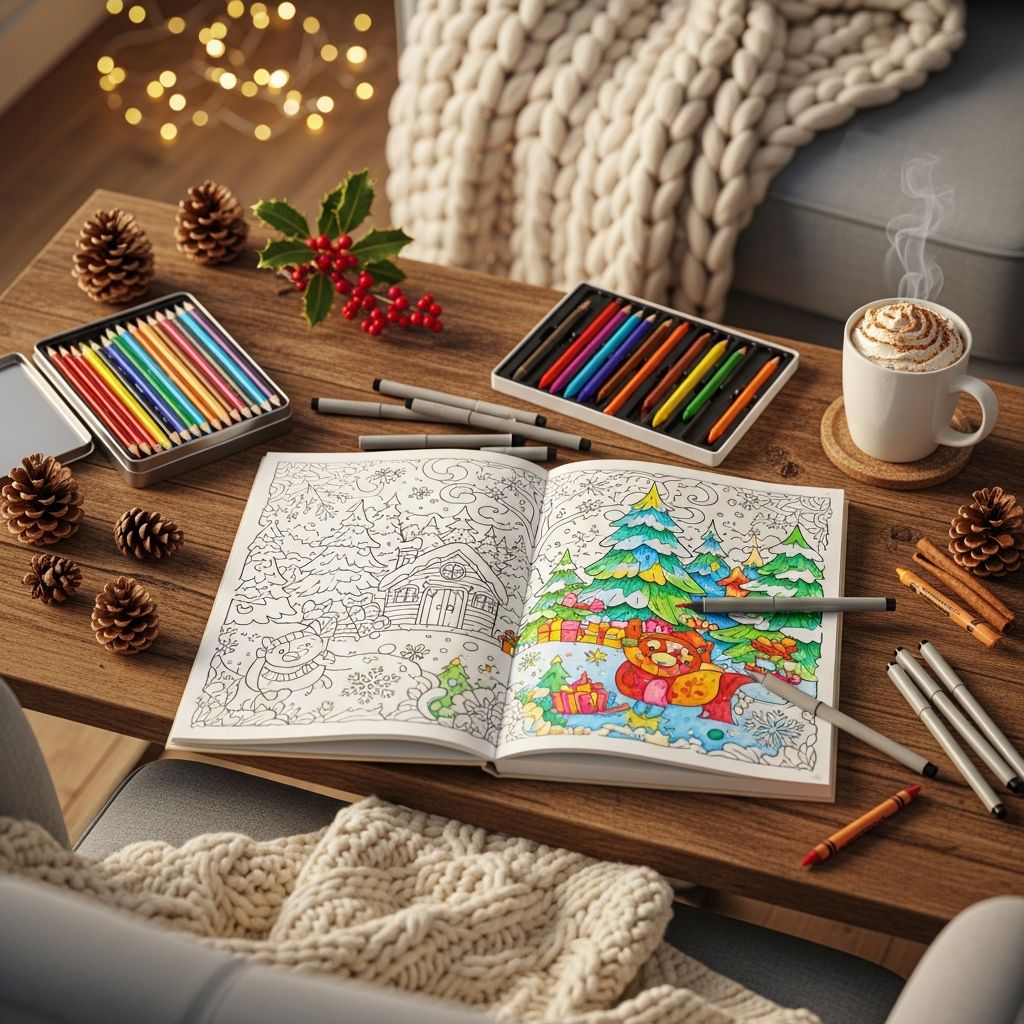
When temperatures drop and days feel short, winter coloring pages offer a calm, creative way to keep kids happy indoors while still celebrating the magic of the season. Thoughtfully chosen themes and a few simple supplies can turn cold afternoons into warm, colorful memories.
Why Winter Coloring Pages Are So Helpful
Coloring is more than a way to pass the time; it can support learning, emotional regulation, and family connection, especially during the winter months. Seasonal pages filled with snowflakes, mittens, and frosty landscapes tap into the excitement of the time of year while giving kids a relaxing, screen-free activity.
Parents and teachers can use winter coloring sheets as quick, low-prep tools: a quiet-time option, an early-finisher task, or a cozy after-school ritual that helps children unwind from busy days.
- Perfect for snow days, holiday breaks, and long evenings indoors.
- Easy to adapt for toddlers, preschoolers, and older kids.
- Simple to pair with books, music, and hands-on crafts for deeper learning.
Types of Winter Coloring Pages Kids Love
Choosing a variety of winter themes keeps coloring sessions fresh and exciting. Mix simple outlines for younger children with more detailed scenes for older kids so everyone finds something that matches their interests and skill level.
Below are popular categories you can use as inspiration when creating or selecting winter coloring sheets.
Snowy Nature Scenes
Nature-based pages highlight the quiet beauty of winter, from bare trees to snowy hills. These sheets are perfect for experimenting with shading, texture, and different shades of blue, gray, and white.
- Snow-covered forests and mountain landscapes.
- Frosty trees, icy ponds, and falling snowflakes.
- Cozy cottages with smoke curling from chimneys.
Winter Animals and Arctic Friends
Animal-themed pages are always a hit and offer a gentle way to introduce kids to cold-weather habitats. You can pair these sheets with simple facts about how animals stay warm and find food in winter.
- Penguins, polar bears, arctic foxes, and snowy owls.
- Woodland friends in scarves: deer, rabbits, squirrels, and hedgehogs.
- Under-the-ice scenes with fish or seals.
Cozy Winter Life
Pages featuring everyday winter life help children connect their own routines to the images they color. These themes work well as conversation starters about family traditions and favorite cold-weather activities.
- Kids sledding, skating, or building snowmen.
- Families drinking hot cocoa, reading, or baking together.
- Warm sweaters, mittens, hats, socks, and blankets.
Patterns, Mandalas, and Snowflakes
Winter lends itself beautifully to patterned pages filled with repeating shapes like snowflakes and knitted designs. These intricate sheets are ideal for older kids or adults who enjoy more detailed coloring.
- Snowflake mandalas and geometric snow patterns.
- Knitted-scarf, sweater, or mitten patterns.
- Decorative winter borders and frames kids can fill with their own drawings.
Educational Benefits of Winter Coloring Activities
Winter coloring pages can be intentionally used to support development, not just to keep children busy. By pairing themed sheets with simple discussion or extra tasks, you can reinforce key skills in a playful, low-pressure way.
The table below highlights several core areas that winter coloring can nurture.
| Skill Area | How Winter Coloring Helps | Example Activity Idea |
|---|---|---|
| Fine motor skills | Holding crayons or colored pencils and staying within lines strengthens finger muscles and pencil control. | Ask children to color the small snowflakes in different colors without crossing the outlines. |
| Focus and attention | Spending time on a single page encourages sustained concentration and patience. | Set a gentle timer for 10–15 minutes of quiet coloring before another activity. |
| Color recognition | Talking about warm vs. cool colors or naming shades broadens vocabulary and visual awareness. | Invite kids to choose only icy colors (blues, purples, grays) for one page and warm colors for another. |
| Creativity and self-expression | Children choose their own color schemes and add details, making each page uniquely theirs. | Encourage kids to draw extra items, like a pet in a winter coat or a favorite mug design. |
| Language and storytelling | Discussing the scene, characters, and actions helps build narrative and descriptive language skills. | After coloring, ask kids to tell a short story about what happens next in the winter scene. |
Setting Up a Winter Coloring Corner at Home
A dedicated coloring space makes it much easier for kids to start creating without needing constant setup help from adults. It does not need to be large or fancy; a small table or cleared section of the kitchen counter can become a seasonal art corner.
Rotate supplies and themes every week or two so the space feels fresh and inviting through the entire winter season.
Essential Supplies
- Crayons, colored pencils, and washable markers.
- A mix of simple and detailed winter coloring pages in a labeled folder or tray.
- Plain paper for kids who want to create their own winter drawings.
- Clipboards or a firm surface if space is small.
- Optional extras: glitter glue, metallic gel pens, cotton balls, washi tape, and stickers.
Tips for a Calm, Cozy Atmosphere
- Keep lighting soft but bright enough to see details clearly.
- Play gentle background music or nature sounds to set a relaxing mood.
- Store materials in easy-to-reach containers so kids can clean up independently.
- Display a few finished pages on a corkboard or wall string as seasonal decor.
Creative Ways to Use Winter Coloring Pages
Coloring sheets do not have to stay on the page. With a little imagination, they can transform into decorations, handmade gifts, and educational tools the whole family enjoys.
Try rotating through different projects to keep kids engaged and help them see their artwork as something special and useful.
Turn Pages into Winter Decor
- Garlands: Cut out colored mittens, hats, or snowflakes, punch holes, and string them along twine.
- Window art: Tape finished pages to windows or cut out shapes and mount them on colored paper.
- Seasonal frames: Place favorite designs in inexpensive frames and swap them as kids create new art.
Handmade Gifts and Cards
- Fold a colored page in half to create a winter greeting card.
- Cut small sections of a detailed pattern to use as gift tags.
- Laminate finished art to make durable placemats or bookmarks.
Combine Coloring with Learning
- Write simple winter words (ice, snow, sled, scarf) on a page and let kids color around them.
- Ask children to count how many trees, animals, or snowflakes appear in the scene.
- Invite older kids to label different clothing items or weather features directly on the page.
Ideas for Different Age Groups
Matching the complexity of the coloring page to a child’s age makes the activity more enjoyable and reduces frustration. Younger children benefit from bold outlines and large shapes, while older kids often prefer intricate scenes that feel more like artwork than worksheets.
Use the suggestions below as a flexible guide rather than strict rules, adjusting based on each child’s interests and abilities.
Toddlers and Young Preschoolers
- Choose simple pages with big snowmen, large mittens, or basic animal shapes.
- Offer chunky crayons or washable markers that are easy to grip.
- Focus on exploring color rather than staying within lines.
Older Preschoolers and Early Elementary
- Introduce more detailed winter scenes with multiple elements.
- Add simple instructions such as “color the hats red” or “use three different blues for the sky.”
- Encourage kids to add their own details, like footprints in the snow or stars in the sky.
Tweens, Teens, and Adults
- Offer intricate mandalas, patterned sweaters, or detailed landscapes.
- Provide colored pencils or fine-tip pens for shading and blending.
- Use coloring as a mindful relaxation activity while listening to music or podcasts.
Winter Coloring in Classrooms and Groups
Winter coloring pages are especially handy in group settings like classrooms, clubs, and playdates. They require minimal setup, can be adapted for different ages, and give children a shared activity that still allows for individual expression.
Educators can use winter coloring sheets to fill short transitions, support early finishers, or anchor thematic units on seasons, weather, or animals.
Classroom Activity Ideas
- Use pages as a warm-up task while students arrive and settle in.
- Pair coloring with read-aloud winter stories or nonfiction books.
- Display finished art in a “winter gallery” along a hallway or bulletin board.
Group Rules That Support Success
- Remind kids that everyone’s art looks different and there is no “right” way to color.
- Set up stations with limited supplies to make sharing manageable.
- Build in time for a short share-out where children can talk about their favorite parts of their pages.
Simple Winter Coloring Challenges
Adding playful prompts or small challenges can reignite interest when kids feel bored with traditional coloring pages. These mini-missions turn a familiar activity into a game and encourage children to think creatively about color, pattern, and story.
Challenges can be written on slips of paper, drawn from a jar, or read aloud at the start of coloring time.
- Two-color snowman: Use only two colors for an entire snowman scene.
- Opposite day: Color winter clothing in summer colors and patterns.
- Pattern master: Add stripes, polka dots, or zigzags to scarves and hats.
- Story starter: After coloring, write a one-sentence story at the bottom of the page.
- Hidden object: Draw a tiny heart or star somewhere in the picture and challenge someone else to find it.
Frequently Asked Questions About Winter Coloring Pages
How can I make winter coloring interesting for kids who say they are bored?
Try offering a new twist, such as turning pages into decorations, adding drawing prompts, or setting short coloring challenges. Another option is to introduce different tools, like metallic pens, watercolor pencils, or stencils, to spark curiosity.
Are winter coloring pages suitable for very young children?
Yes, as long as you choose large, simple images and child-safe materials. Focus on the joy of exploring color, and do not worry about perfection or staying within the lines at this age.
Can coloring really help kids relax during the busy holiday season?
Many children find the repetitive motion of coloring soothing, and the quiet focus can provide a break from noisy, overstimulating environments. Building a short daily coloring ritual can give kids a predictable, calming anchor during busy weeks.
What if I do not have a printer?
You can still enjoy winter-themed coloring by drawing simple outlines yourself or inviting kids to sketch their own snowmen, trees, and mittens. Reusable drawing boards and blank notebooks also work well for seasonal art sessions.
How often should I rotate winter coloring pages?
For most children, introducing a few new designs every week keeps the activity feeling fresh without overwhelming them. You can also keep a small stash of special pages for snow days or long travel days when you need something extra engaging.
Winter coloring pages can transform chilly days into opportunities for creativity, calm, and connection. With a handful of thoughtfully chosen designs and a cozy space to work, children of all ages can enjoy the season one colorful page at a time.