Many children face challenges in interpreting everyday social interactions, leading to misunderstandings that impact their behavior and relationships. This guide explores the reasons behind these difficulties and offers actionable steps for parents to support their child’s social development.
Why Social Awareness Matters for Children
Social signals, such as facial expressions, tone of voice, and body language, form the foundation of human communication. For most kids, these cues become intuitive over time, helping them navigate friendships, school, and family dynamics smoothly. However, when children consistently miss or misinterpret these signals, it can create a cascade of issues, from frequent conflicts to feelings of isolation.
Research shows that strong social skills correlate with better academic performance and emotional well-being. Children who adeptly read cues are more likely to form lasting friendships and handle authority figures effectively. In contrast, those who struggle often feel perpetually misunderstood, perceiving disapproval where none exists or failing to notice when their actions annoy others.
Common Signs of Social Cue Challenges
Spotting early indicators can help parents intervene promptly. Look for these behaviors in your child:
- Interrupting conversations without noticing others’ discomfort.
- Standing too close to peers, invading personal space.
- Misinterpreting neutral expressions as anger or rejection.
- Responding impulsively without considering context.
- Avoiding group activities due to anxiety or past negative experiences.
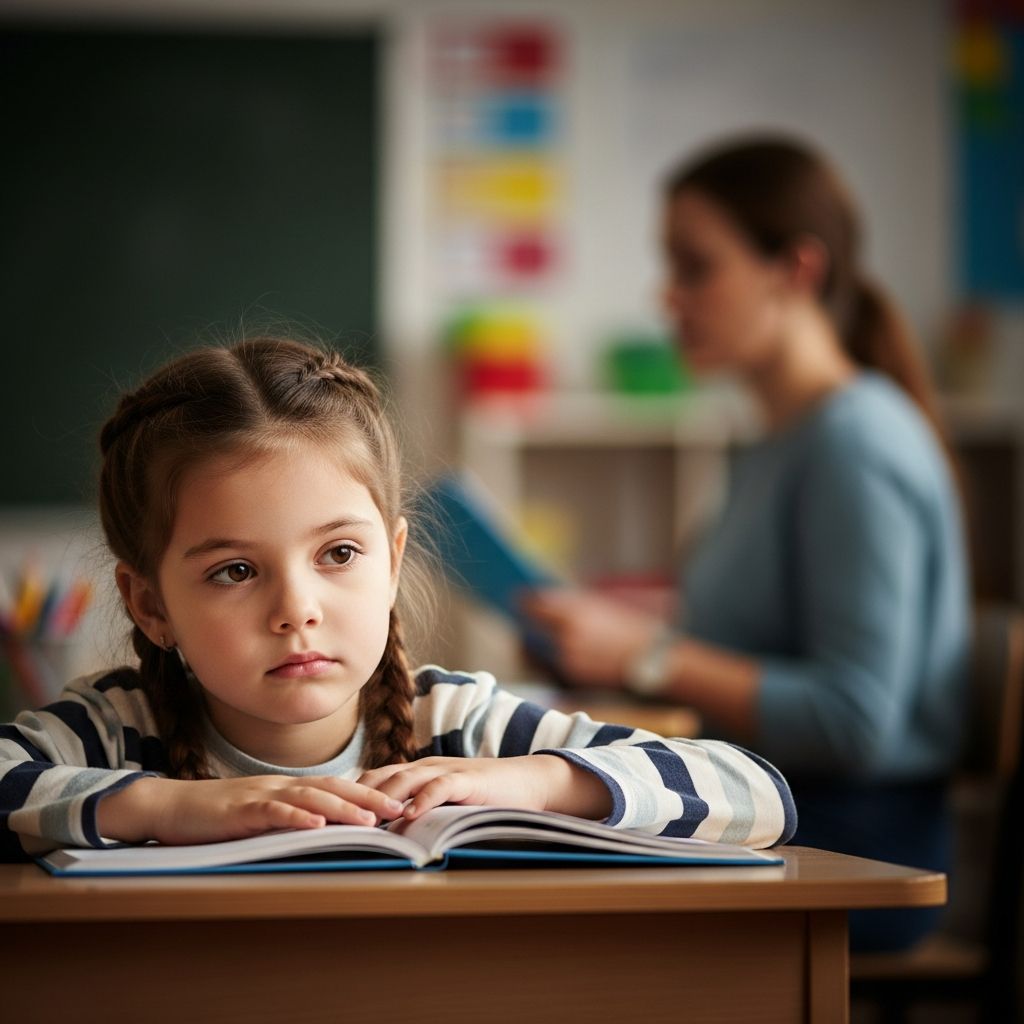
These patterns often escalate in school settings, where structured rules and peer pressure amplify the stakes. A child might ignore a teacher’s directive to sit, not out of defiance, but because they haven’t processed the social expectation embedded in the command.
Underlying Causes: From Neurology to Development
Social cue difficulties rarely stem from willful ignorance; they often trace back to neurological or developmental factors. Conditions like ADHD impair executive functions, including impulse control and attention to subtle signals. Kids with ADHD may blurt out thoughts or miss turns in conversation, appearing rude unintentionally.
Autism spectrum disorder presents similar hurdles, with challenges in recognizing nonverbal cues leading to accidental faux pas, such as talking over others. Learning disabilities can further complicate this by affecting how children process environmental information, resulting in poor judgment or illogical responses to social scenarios.
| Condition | Key Social Impact | Example |
|---|---|---|
| ADHD | Impulsivity and missing verbal/nonverbal hints | Invading space without noticing discomfort |
| Autism | Missing unspoken rules in interactions | Over-sharing personal details abruptly |
| Learning Disabilities | Misinterpreting cues and poor reasoning | Drawing wrong conclusions from body language |
Sensory processing issues or developmental delays can also play a role, making crowded or noisy environments overwhelming and harder to decode.
Practical Strategies for Building Social Insight
Parents can make a significant difference by actively teaching these skills. Start with structured activities that break down complex interactions into manageable parts.
Visual Learning Through Faces and Emotions
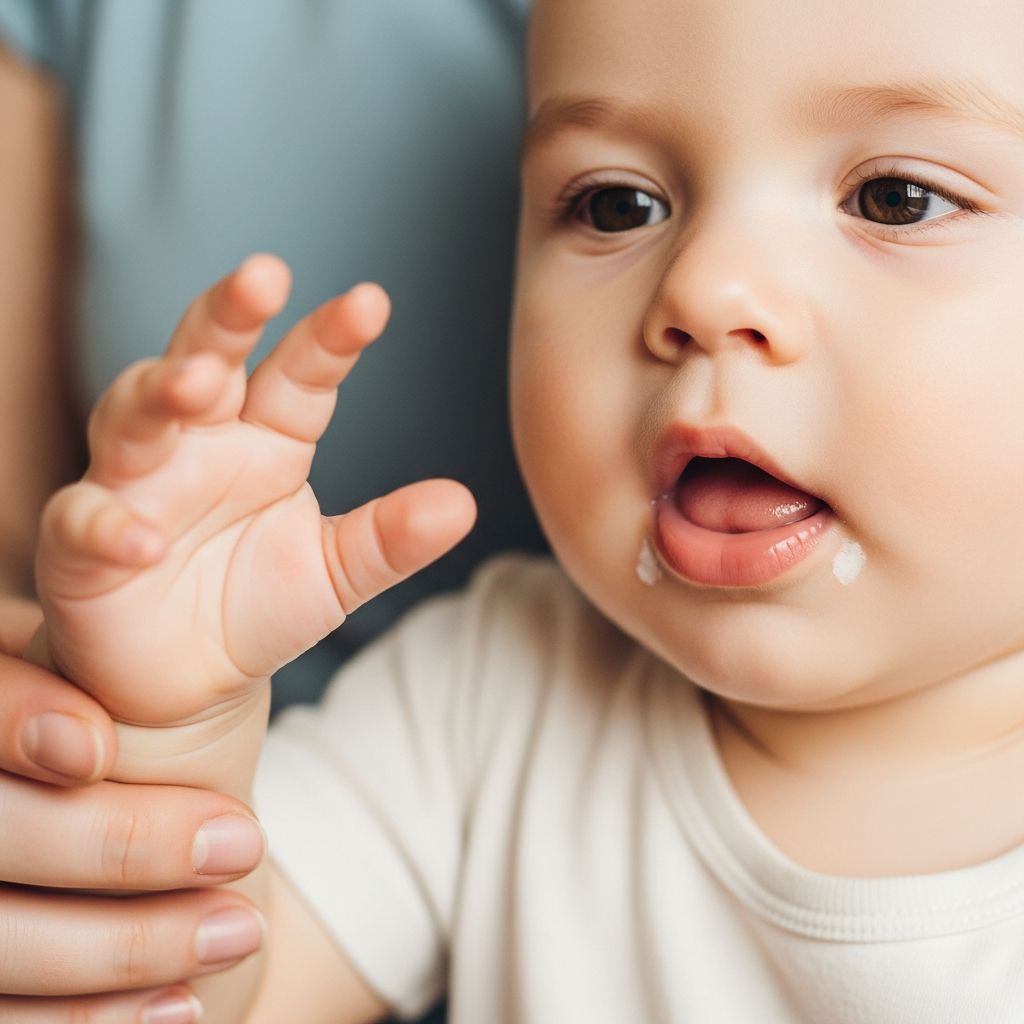
For younger children, use photos or videos of people expressing emotions. Point out specific features: “See how the eyebrows furrow? That often means confusion or worry.” Repeat this daily to build associations between visuals and feelings. Apps and books with emotion flashcards reinforce this training effectively.
Role-Playing Everyday Scenarios
Act out common situations like greeting a friend or responding to a teacher’s instruction. Demonstrate appropriate responses, then switch roles. Discuss what cues you noticed: “When I crossed my arms, it signaled I was upset—did you pick up on that?” This builds empathy and prediction skills.
Encouraging Clarification Questions
Teach phrases like “Are you okay?” or “Did I do something wrong?” to check assumptions. Practice at home first, responding honestly to build trust. This habit prevents personalization of neutral moods, such as a parent’s stress unrelated to the child.
Feedback on Specific Behaviors
Instead of vague criticism, say: “When you shout during quiet time, it bothers others. Try whispering next time—watch me.” Pair correction with modeling to make changes concrete and less daunting.
Addressing Challenges in School and Peers
School amplifies social demands. Collaborate with teachers to reinforce cues consistently. For instance, if a child misses a group work signal, a gentle reminder like “Notice everyone’s eyes on the board? That’s our cue to start” helps without embarrassment.
Peer rejections can create vicious cycles. Monitor playdates, intervening subtly to guide interactions. Over time, improved skills lead to more positive feedback, boosting confidence.
Long-Term Accountability and Growth
Learning new habits requires consistency. Set clear expectations: “In this house, we check cues before acting.” Follow through with natural consequences if needed, but celebrate successes lavishly. Track progress in a journal to visualize improvement.
Professional support, like therapy or social skills groups, complements home efforts. Pediatric therapists specialize in tailoring interventions for ADHD or autism-related needs.
Frequently Asked Questions (FAQs)
Can all children learn to read social cues?
Yes, with patient, structured teaching, most children improve significantly, regardless of underlying conditions.
How does ADHD specifically affect social skills?
ADHD often leads to impulsivity, interrupting, and missing subtle signals, creating misunderstandings in peer groups.
What role do parents play in fixing this?
Parents model behaviors, provide feedback, and create safe spaces for practice, forming the first line of support.
Is social cue training effective for teens?
Absolutely—teens benefit from role-playing real-life scenarios like job interviews or dating interactions.
When should we seek professional help?
If challenges persist despite home efforts or accompany severe isolation, consult a specialist.
Empowering Your Child for Social Success
By understanding and addressing social cue gaps, parents can transform frustrating behaviors into opportunities for growth. Consistent effort yields confident, connected kids ready for life’s complexities. Start small, stay positive, and watch relationships flourish.
References
- Social Skills and Learning Disabilities — Learning Disabilities Association of America. 2023-10-15. https://ldaamerica.org/info/social-skills-and-learning-disabilities/
- How Can ADHD Affect Your Child’s Social Skills? — Little Feet Therapy. 2024-05-20. https://littlefeettherapy.com/how-can-adhd-affect-your-childs-social-skills/
- Social Skills Development: Signs of Challenges — PedsTeam. 2023-11-08. https://pedsteam.com/social-skills-development-how-pediatric-therapy-can-help/
- Understanding Social Cues in Autism: Examples & Challenges — POPs Therapy. 2024-02-14. https://popstherapy.com/social-cues-in-autism/
- Autism and Social Cues: Understanding the Challenges — Autism Parenting Magazine. 2023-07-22. https://www.autismparentingmagazine.com/autism-and-social-cues/