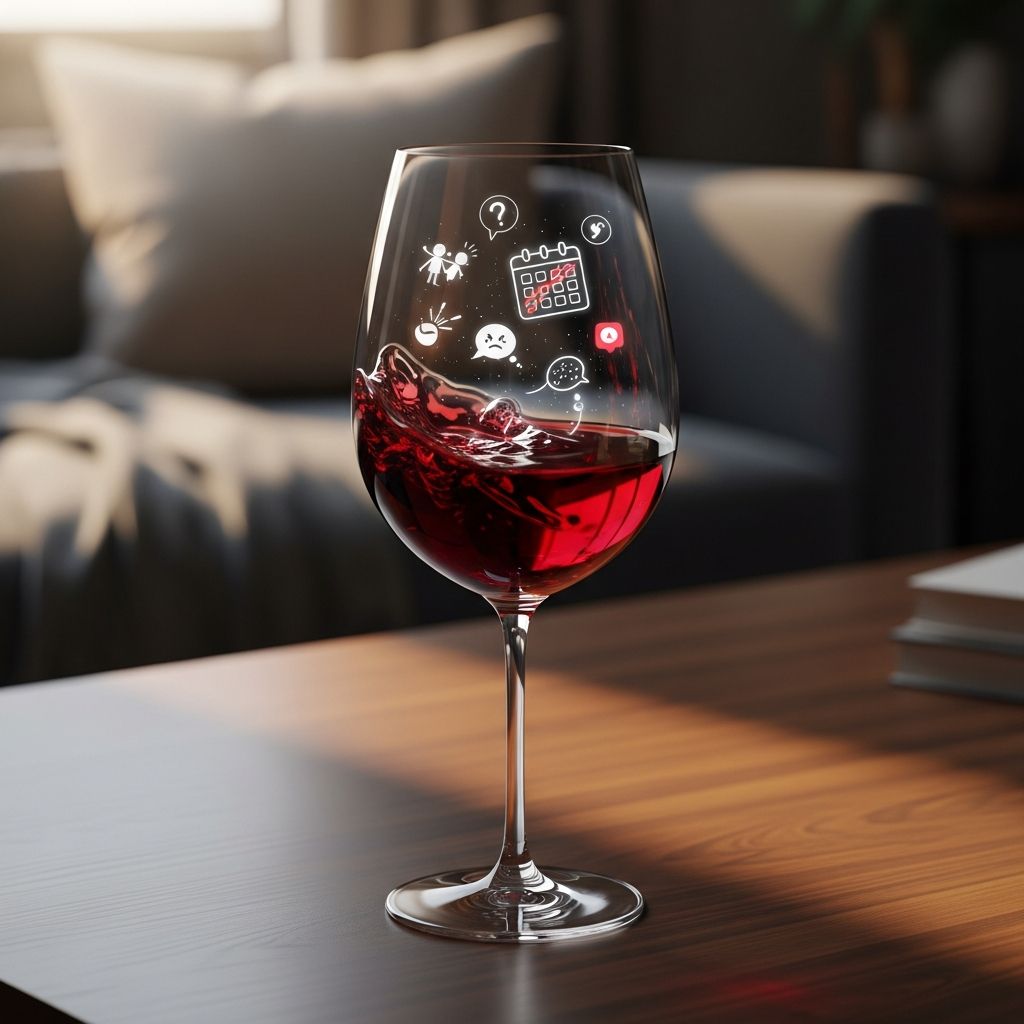
Wine mom culture has permeated modern parenting discussions, portraying wine as the ultimate unwind for exhausted mothers. What began as lighthearted memes has evolved into a normalized lifestyle, blending humor with daily drinking rituals.
The Allure of Wine as Maternal Ritual
Parenting demands relentless energy, often leaving mothers feeling overwhelmed by endless tasks, sleep deprivation, and emotional labor. In this context, wine emerges as a symbol of respite—a quick pour at day’s end signaling ‘me time.’ Social media amplifies this, with viral posts joking about ‘wine o’clock’ at 5 p.m., fostering a sense of camaraderie among parents facing similar battles.
This trend didn’t arise in a vacuum. Platforms like Facebook groups, starting around 2009 with communities like ‘Moms Who Need Wine’ boasting hundreds of thousands of members, turned personal vents into collective anthems. Memes, T-shirts, and oversized glasses emblazoned with slogans like ‘Mommy’s Sippy Cup’ make the message inescapable, marketing wine as both rebellion and self-care.
Roots in Social Media and Pop Culture
The digital age supercharged wine mom culture. Mommy blogs, once celebrating flawless homemaking, shifted to ‘real talk’ confessions—including tales of chugging wine post-bedtime. Films like Bad Moms glamorized this archetype, contrasting it with outdated ideals of perfect 1950s housewives, positioning drinking as modern empowerment.
- Facebook origins: Groups sharing memes about needing wine for sanity, now over 700,000 strong.
- E-commerce boom: Etsy and similar sites sell themed merchandise, turning jokes into profitable norms.
- Marketing push: Alcohol brands target women with ‘relaxation’ campaigns, blending product placement with relatable chaos.
These elements create a feedback loop: shared content builds community, while commercialization cements the habit as aspirational.
Why Mothers Turn to Wine: Underlying Pressures
Beneath the humor lie genuine stressors. New parenthood brings isolation, hormonal shifts, and identity loss. For many, wine offers temporary escape from anxiety, depression, or burnout—conditions affecting over 10% of women with depression and 8% with anxiety disorders, per global health data.
Societal expectations compound this: mothers juggle careers, childcare, and households without adequate support. Wine culture reframes these struggles as badge-worthy, validating self-medication as survival. Yet, this glosses over deeper issues like postpartum mood disorders or spousal inequities.
| Common Parenting Stressors | How Wine Culture Responds | Potential Pitfall |
|---|---|---|
| Sleep deprivation | ‘Wine helps me wind down’ | Disrupts sleep further |
| Social isolation | Mom meetups with drinks | Dependency on alcohol for bonds |
| Emotional overload | ‘One glass to cope’ | Masks mental health needs |
| Time scarcity | Quick ‘self-care’ pour | Leads to habitual excess |
The Dark Side: Normalization of Risky Habits
While a single glass isn’t inherently harmful, wine culture pushes boundaries. The CDC defines moderate drinking for women as up to one drink daily, yet memes glorify ‘two or three glasses’ nightly, veering into binge territory. This downplays risks: alcohol dependency, worsened mental health, and family ripple effects.
Daily rituals blur into dependence. What starts as stress relief becomes routine, with 3 a.m. regrets, anxiety spikes (‘hangxiety’), and eroded self-esteem rarely shared online. Children witness normalization, potentially internalizing alcohol as coping.
- Mental health masking: Drinking numbs anxiety/depression but exacerbates them long-term.
- Physical toll: Liver strain, weight gain, impaired parenting focus.
- Family impact: Strained dynamics, modeling poor habits for kids.
Health Authority Warnings on Maternal Drinking
Official guidelines underscore the dangers. The CDC reports excessive alcohol raises risks for alcohol use disorders, especially when normalized socially. Women face higher vulnerability due to physiology—lower tolerance and faster intoxication.
Primary sources like the World Health Organization highlight untreated mental health in mothers, often self-medicated with alcohol, leading to cycles of shame and isolation. Recent data (updated within 24 months) shows rising alcohol-related hospitalizations among women, correlating with cultural shifts.
Commercial Forces Fueling the Trend
Alcohol industry marketing targets mothers aggressively, with rosé and ‘mommy juice’ positioned as harmless fun. Craft wine trends parallel craft beer for dads, rebranding booze as sophisticated. This profitability sustains the culture, from branded merch to influencer sponsorships.
Personal Testimonies: From Embrace to Awakening
Many mothers recount falling into the trap: playdates turning boozy, birthdays prioritizing adult drinks over milestones. One parent shared her child’s first birthday devolved into her getting ‘drunk with mum friends,’ highlighting misplaced priorities. Others describe creeping consumption—weekdays mimicking weekends—until wake-ups and fatigue forced change.
Social pressure intensifies: declining wine at gatherings feels alienating, as drinking signals belonging. Yet, sobriety stories reveal clearer minds, stronger bonds, and true energy restoration.
Healthier Alternatives to Wine O’Clock
Rejecting wine culture doesn’t mean enduring misery. Evidence-based strategies offer sustainable relief:
- Mindful practices: Meditation or yoga reduces stress without hangovers.
- Community without alcohol: Sober playdates, walking groups build real support.
- Professional help: Therapy addresses root causes like postpartum anxiety.
- Daily rituals: Herbal teas, journaling, or baths as genuine self-care.
- Partner involvement: Shared chores prevent burnout overload.
Apps and groups like Monument provide alcohol-free navigation tools, proving connection thrives sans wine.
Shifting the Narrative: Toward Empowered Parenting
Wine mom culture thrives on unaddressed needs—better childcare, mental health access, societal value for mothers. Advocacy for policy changes, like paid leave and affordable therapy, could diminish reliance on bottles. Meanwhile, individuals can rewrite scripts: prioritizing rest, vulnerability, and alcohol-free joy.
Public health experts call for destigmatizing sobriety in parenting circles, celebrating resilience over rebellion. As awareness grows, the meme fades, revealing paths to thriving, not just surviving.
Frequently Asked Questions (FAQs)
What is wine mom culture exactly?
A social trend normalizing wine as a primary coping mechanism for parenting stress, popularized via memes, merch, and media.
Is a glass of wine per day really harmful?
Moderate intake (up to one drink) is low-risk per CDC, but cultural pressure often exceeds this, raising dependency odds.
How does wine mom culture affect children?
It models alcohol as stress relief, potentially normalizing unhealthy habits and impacting family dynamics.
What if I want to quit but feel pressured?
Seek sober communities, therapy, and communicate boundaries—many find deeper connections alcohol-free.
Are there stats on rising maternal drinking?
Yes, WHO notes increased unreported mental health issues self-medicated with alcohol among women.
References
- I fell hard for the Mummy Wine Culture Myth — Sarah Rusbatch. 2023-approx. https://sarahrusbatch.com/blog/mummy-wine-culture
- Why “Wine Mom” Culture Is Problematic — The Recovery Village. 2024-approx. https://www.therecoveryvillage.com/alcohol-abuse/wine-mom-culture-problematic/
- How Mommy Wine Culture Is Normalizing Alcoholism — Alcohol Help. 2023-approx. https://www.alcoholhelp.com/blog/mommy-wine-culture-normalizing-alcoholism/
- “Wine Mom” Culture: What It Is, Why It Matters and How to Get Help — Silvermist Recovery. 2025-07-22. https://www.silvermistrecovery.com/wine-mom-culture-what-it-is-why-it-matters-and-how-to-get-help/
- Wine Mom, Interrupted: A Public Health Perspective — MPH Online. 2024-approx. https://www.mphonline.org/wine-mom-culture/
- Navigating Wine Moms Without Wine — Monument. 2024-approx. https://joinmonument.com/resources/navigating-wine-moms-without-wine/