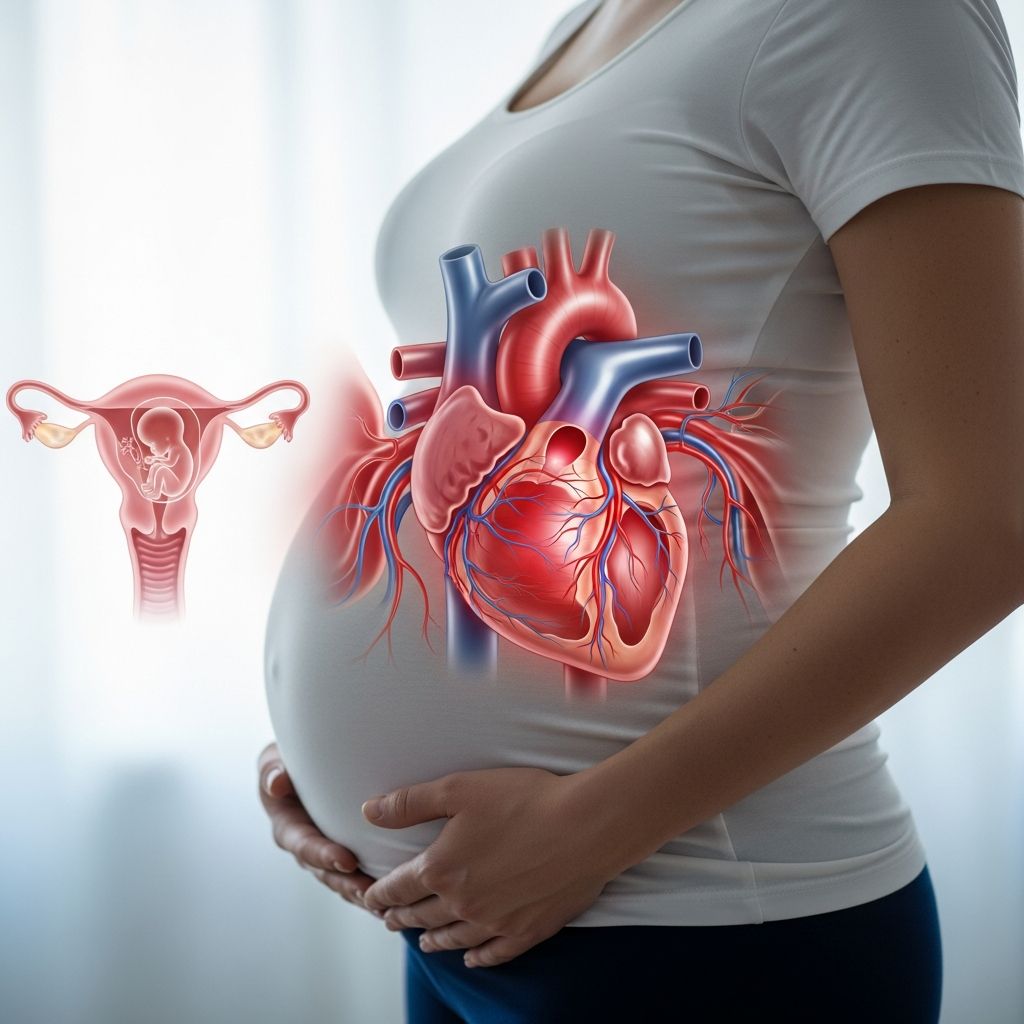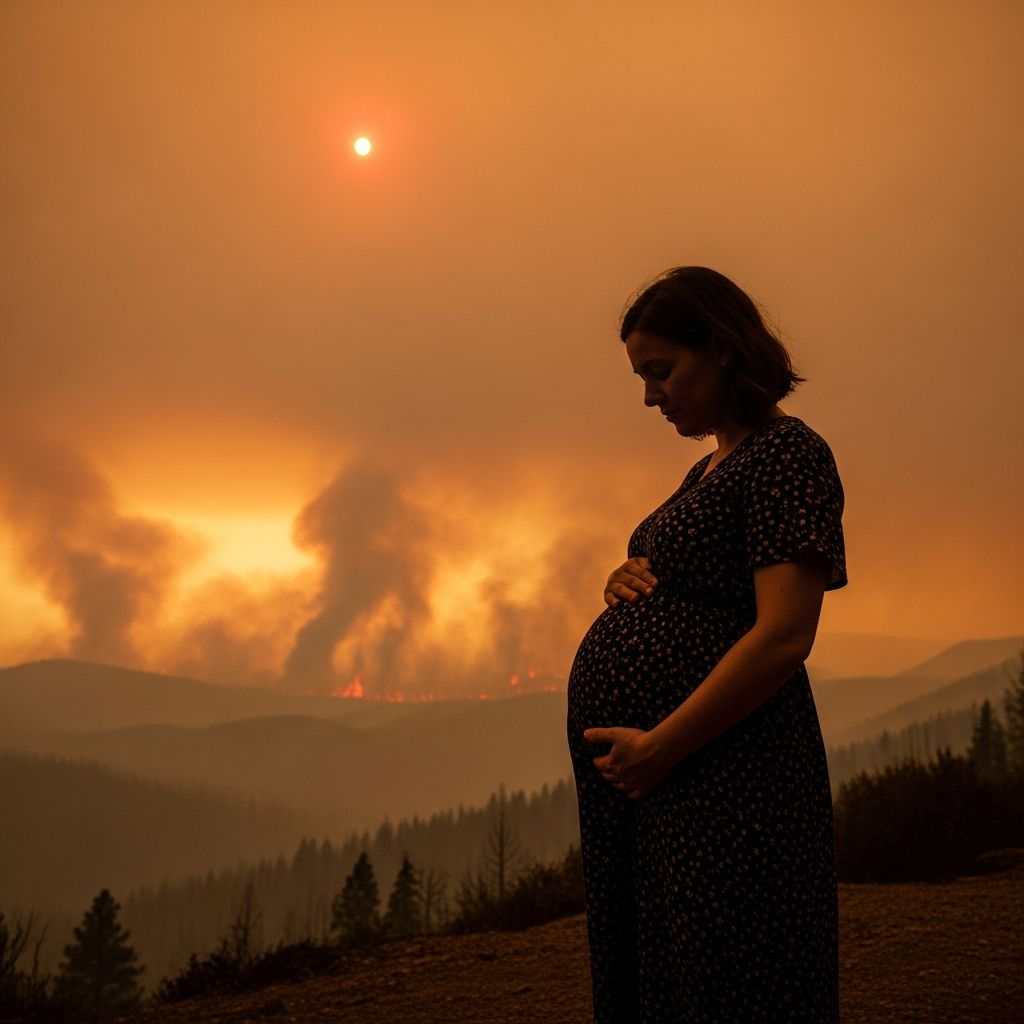
Expectant mothers face unique vulnerabilities during wildfire seasons as smoke laden with fine particulate matter infiltrates communities. These tiny particles, known as PM2.5, penetrate deep into the lungs and bloodstream, potentially disrupting fetal development. Recent studies highlight elevated risks of adverse outcomes like preterm delivery and reduced infant birth weight, underscoring the need for proactive measures.
Understanding the Composition of Wildfire Smoke
Wildfire smoke consists of a complex mix of gases, vapors, and particles released from burning vegetation and structures. The primary concern is PM2.5, particles smaller than 2.5 micrometers that can travel deep into the respiratory system. Unlike typical urban pollution from vehicles, wildfire smoke carries unique toxins from organic materials, amplifying its health threats. Pregnant individuals breathe more rapidly—up to 40% faster—drawing in higher volumes of these contaminants, which may cross the placental barrier and affect the fetus.
Key Health Impacts on Mothers and Babies
Exposure during gestation correlates with multiple complications. For mothers, it heightens chances of gestational diabetes, emergency visits, and exacerbated respiratory or cardiovascular issues. Infants face risks including preterm birth, lower birth weights, impaired lung growth, early-life respiratory problems, and even structural defects like cleft lip.
- Preterm Birth: Even modest PM2.5 increases from smoke raise odds by 3.4% to 7%, with nationwide data from over 20,000 pregnancies showing near-universal exposure and highest dangers in the West.
- Low Birth Weight: Linked to systemic inflammation crossing to the fetus, hindering growth.
- Respiratory Development: Smoke particles may alter lung maturation, predisposing children to lifelong breathing difficulties.
A California analysis of 5 million births from 2007-2018 confirmed that any trimester’s elevated wildfire PM2.5 exposure boosts preterm risk uniformly, without a single critical window. Western U.S. regions bear the brunt due to frequent blazes.
Why Pregnancy Heightens Vulnerability
Pregnancy triggers physiological shifts like increased blood volume, hormonal fluctuations, and enhanced oxygen demands, making the body more susceptible to pollutants. The placenta, vital for nutrient and oxygen transfer, can suffer from inflammation or direct particle infiltration, compromising fetal health. Tiny PM2.5 particles enter the bloodstream, potentially reaching the fetus directly. Combined with heat stress from fires, these factors compound risks in climate-impacted areas. Children born preterm—now about 10% of U.S. pregnancies—often endure lifelong issues like developmental delays.
Recognizing Symptoms and When to Seek Help
Smoke exposure may cause immediate maternal symptoms: eye irritation, coughing, headaches, shortness of breath, chest pain, or irregular heartbeats. Severe cases warrant immediate care. Stress from evacuations or smoke can also spike anxiety, impacting mental health.
| Symptom | Mild Indicators | Severe Indicators (Seek Help) |
|---|---|---|
| Respiratory | Runny nose, mild cough | Wheezing, severe shortness of breath |
| Cardiovascular | Headache | Chest pain, dizziness, palpitations |
| Pregnancy-Specific | Fatigue | Signs of preterm labor, reduced fetal movement |
Pregnant individuals should monitor for labor signs and contact providers promptly.
Proven Strategies for Minimizing Exposure
Reducing contact is paramount, especially for this sensitive group. Official guidelines emphasize staying informed and creating barriers against smoke.
- Track Air Quality: Use apps for real-time Air Quality Index (AQI). Limit outdoor time when AQI exceeds 101 (orange level).
- Stay Indoors: Seal windows/doors with weatherstripping; use HEPA air purifiers; avoid indoor pollution sources like candles or frying.
- Clean Air Shelters: Seek public spaces with filtered air during heavy smoke events.
- Protective Gear: Outdoors, don NIOSH-approved N95 masks (not cloth).
- Evacuation Planning: Prepare if breathing worsens; inform shelters of pregnancy status.
During evacuations, prioritize routes with cleaner air and have medical records handy.
Regional Variations and Long-Term Trends
Western states experience the most intense exposures, correlating with elevated preterm risks. Climate change intensifies wildfires, eroding air quality gains. Studies stress ongoing research into smoke’s distinct toxicity versus other pollutants.
Building Resilience: Community and Policy Actions
Beyond personal steps, communities need enhanced early warnings, accessible clean air sites, and policies curbing emissions. Pregnant residents in vulnerable neighborhoods face compounded risks from heat and smoke. Healthcare providers play a key role in counseling and monitoring.
Frequently Asked Questions
Is wildfire smoke worse than other air pollution for pregnancy?
Yes, its unique composition and high PM2.5 concentrations pose amplified threats, with studies showing distinct preterm birth associations.
How much exposure is too much during pregnancy?
No safe threshold exists; even small PM2.5 rises (1-10 µg/m³) elevate risks by 3-7%. Avoid any unhealthy AQI.
Can I exercise outdoors during smoke events?
No—opt for indoor activities. Increased breathing rates during exercise heighten intake.
What if I must evacuate while pregnant?
Wear N95, know labor signs, inform shelter staff, and have a healthcare plan.
Does smoke affect all pregnancy trimesters equally?
Current data indicates consistent risks across gestation, though more research is needed.
This comprehensive guide empowers expectant parents to navigate wildfire threats. Consult healthcare professionals for tailored advice, as research evolves with intensifying fire seasons.
References
- Exposure to wildfire smoke during pregnancy increases risk of preterm birth — UC Berkeley School of Public Health. 2023-04. https://publichealth.berkeley.edu/articles/spotlight/research/exposure-to-wildfire-smoke-during-pregnancy-increases-risk-of-preterm-birth
- Wildfire Smoke and Pregnancy Fact Sheet — British Columbia Centre for Disease Control. 2023. https://www.bccdc.ca/resource-gallery/Documents/Guidelines%20and%20Forms/Guidelines%20and%20Manuals/Health-Environment/BCCDC_WildFire_FactSheet_Pregnancy.pdf
- Wildfire smoke linked to higher preterm birth risk — UW Medicine (YouTube Transcript). 2025-11-04. https://www.youtube.com/watch?v=rW_H3hDzamo
- Wildfire Smoke and Pregnancy — US EPA. 2024. https://www.epa.gov/children/wildfire-smoke-and-pregnancy
- Wildfire Smoke Exposure During Pregnancy Linked to Higher Risk of Preterm Birth — ECHO Children. 2024. https://echochildren.org/wildfire-smoke-exposure-during-pregnancy-linked-to-higher-risk-of-preterm-birth-echo-study-finds/
- Wildfire Smoke and Pregnancy — CDC. 2024. https://www.cdc.gov/wildfires/risk-factors/wildfire-smoke-and-pregnancy.html