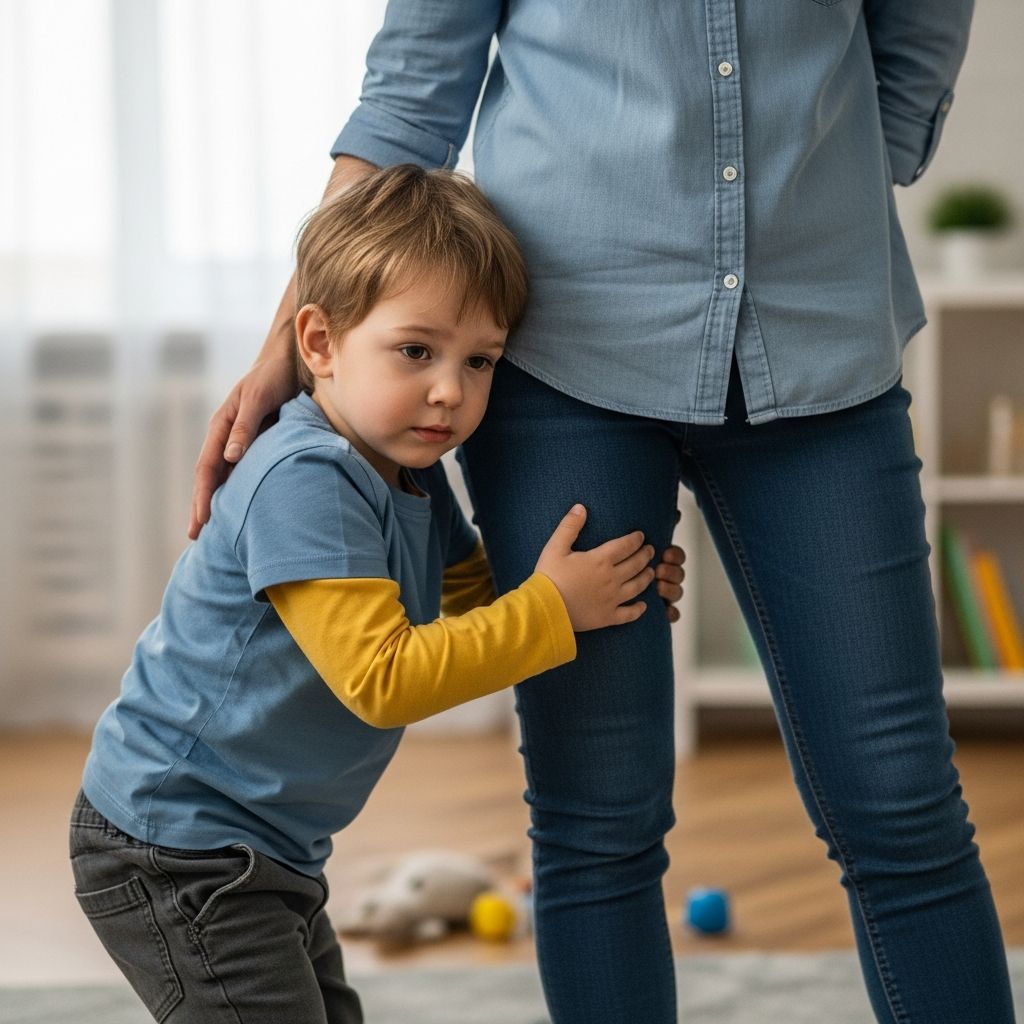
Many parents notice their once-independent child suddenly seeking constant closeness, wrapping around legs or demanding undivided attention. This shift, often called clinginess, signals underlying emotional or environmental needs rather than misbehavior. Recognizing these triggers empowers caregivers to respond supportively, promoting healthy development.
Common Triggers Behind Clingy Moments
Clinginess typically arises from a child’s innate drive for safety and connection, evolved from ancestral survival instincts where staying near caregivers protected against threats. Today, modern stressors mimic these ancient cues, prompting children to seek proximity for reassurance.
Emotional and Physical Touch Hunger
Children express love and security needs through physical contact, much like primary love languages described in child psychology. When touch-deprived, they latch on during busy moments, such as meal prep, to refill their emotional tank. Pausing to hug validates this need without disrupting routines entirely.
- Observe timing: Clinginess peaks during transitions or low-interaction periods.
- Quick fixes: Dedicated cuddle sessions prevent escalation.
Fear and Anxiety Responses
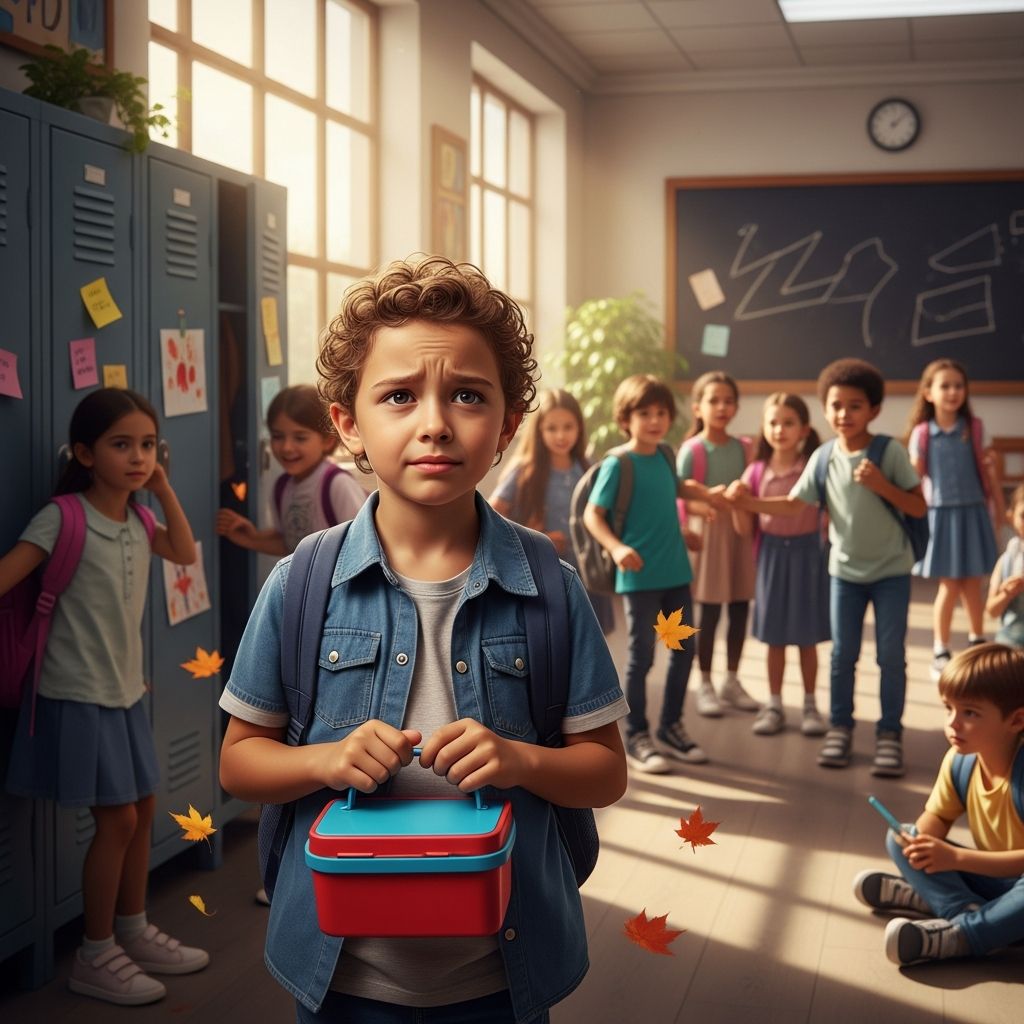
New experiences like preschool starts or family changes spark fear, making sensitive children glue themselves to parents for comfort. Validating feelings—”It’s okay to feel scared; we’ll get through this together”—builds resilience without avoidance.
Secure attachment shines here: Children return to parents as a ‘safe base’ during stress, a positive sign of trust rather than weakness.
Disrupted Routines and Unpredictability
Children flourish with predictable days; chaos from parental stress or schedule shifts breeds insecurity. They absorb household tension, mirroring it as clinginess to regain control. Slowing pace, even if less gets done, restores calm.
| Disruptive Factor | Impact on Child | Restorative Action |
|---|---|---|
| Hectic family calendar | Increased insecurity | Implement daily rituals |
| Parental stress vibes | Emotional mirroring | Model calm breathing |
| Sudden changes (e.g., moves) | Control loss | Preview events visually |
Boredom Masquerading as Neediness
Lack of stimulation leads children to climb parents for engagement, unable to articulate boredom. Enriching play environments encourages self-directed exploration, reducing dependency.
Boundary Testing and Limit Seeking
Clinginess tests parental leadership: “Where do I fit?” Clear, calm boundaries answer this, fostering confidence. Inconsistent responses confuse, prolonging the phase.
Parental Habits That Amplify Clinginess
Well-intentioned actions can inadvertently reinforce dependence. Over-supervision, like constant ‘no’s’ during play, teaches children they need permission for everything, stifling autonomy.
- Avoid hovering: Allow safe risks to build self-trust.
- Praise effort, not outcomes: “Good job” on easy tasks creates failure fear, halting exploration.
Full-time work doesn’t cause clinginess if separations feel solid; parental confidence in childcare reassures children. Insecure early attachments may heighten issues, but responsive parenting repairs this.
Building Independence Step by Step
Transition from clingy to confident requires proactive connection and gradual exposure.
Proactive Positive Attention
Give attention before demands arise. Short, quality interactions—reading together or playful chats—fill cups preventatively. Children crave any notice, positive or negative, so lead with the former.
Routine as Security Blanket
Anchor days with consistent bedtime stories, meals, or walks. Predictability combats unpredictability fears.
Encourage Solo Play
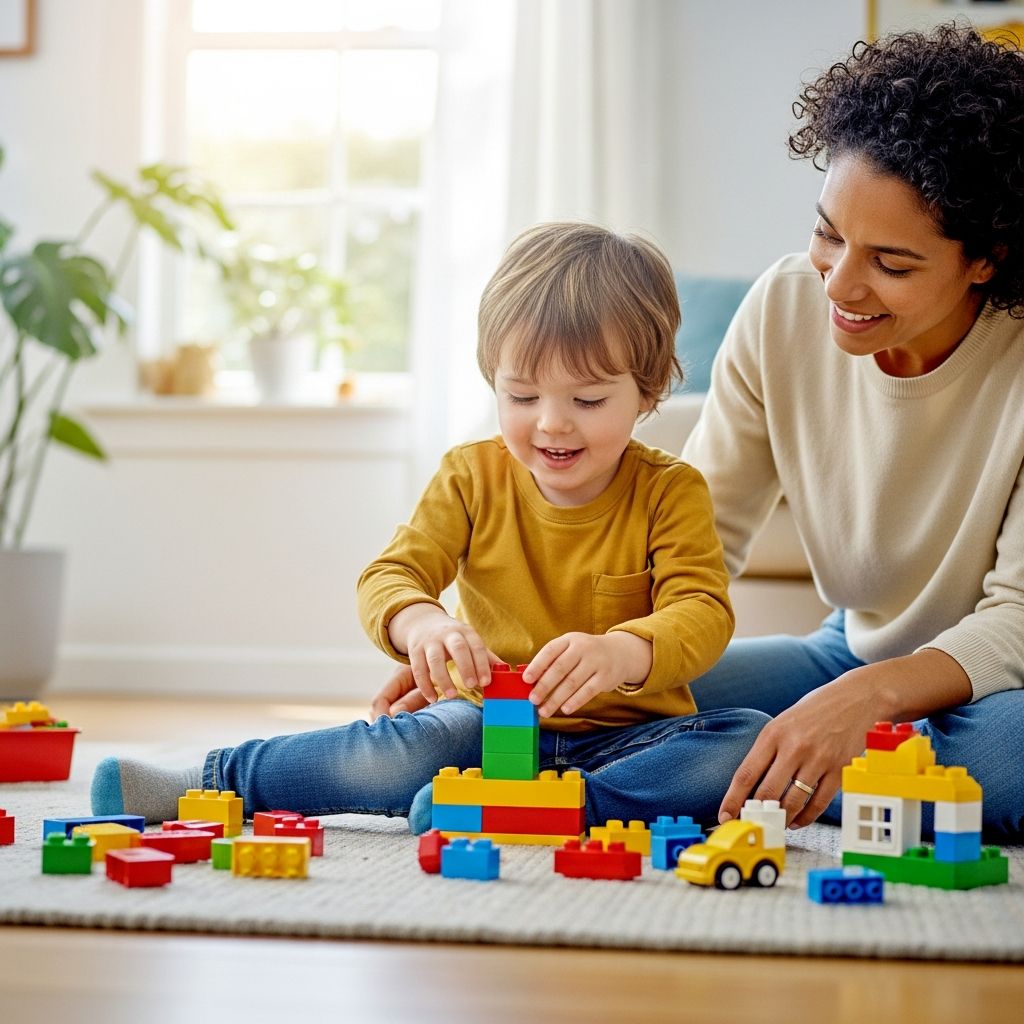
Design play spaces for independence: low shelves with toys, safe zones free of interruptions. Resist checking in excessively; trust their capabilities.
- Start small: 5-minute solo play sessions.
- Expand gradually: Praise intrinsic joy, “You look happy building that!”
- Observe without intervening unless unsafe.
Empower Through Validation and Boundaries
Acknowledge emotions: “I see you’re upset I need to cook. Let’s hug first.” Then enforce needs confidently: “Now Mommy finishes dinner; you can play nearby.” This balances empathy with leadership.
Age-Specific Strategies
Tailor approaches to developmental stages for best results.
| Age Group | Key Challenges | Tailored Tips |
|---|---|---|
| Infants (0-12 months) | Basic attachment forming | Responsive comforting builds secure base |
| Toddlers (1-3 years) | Separation anxiety peaks | Short goodbyes, consistent routines |
| Preschoolers (3-5 years) | Fear of new social settings | Role-play scenarios, peer playdates |
| School-age (5+) | Testing independence limits | Assign chores, celebrate solo achievements |
Long-Term Benefits of Addressing Clinginess
Navigating this phase cultivates emotional intelligence, resilience, and secure relationships. Children learn self-regulation, reducing future anxiety risks. Parents gain tools for balanced family dynamics, preventing burnout.
Monitor for persistent issues signaling deeper anxiety; consult pediatricians if clinginess disrupts daily life excessively.
Frequently Asked Questions (FAQs)
Is clinginess a sign of bad parenting?
No, it’s a normal developmental signal. Responsive, boundary-setting care turns it into growth opportunity.
How long does the clingy phase last?
Varies by child and triggers; consistent strategies often resolve it in weeks. Patience key.
What if my child clings during school drop-offs?
Keep goodbyes brief, positive. Reassure return; teacher involvement helps normalize.
Does working full-time cause clinginess?
Not inherently; confident separations matter more than hours away.
Can clinginess indicate anxiety disorders?
Rarely alone; paired with sleep issues or withdrawal, seek professional input.
Expert Insights on Secure Attachment
Early responsiveness shapes lifelong trust. Studies confirm securely attached children explore boldly, returning for comfort—a healthy cycle. Disruptions like inconsistent care foster insecurity, but interventions mend bonds effectively.
Integrate sensory play, outdoor time, and family meetings to preempt clinginess. Track patterns in a journal: When? After what events? This reveals personalized solutions.
Ultimately, clinginess whispers, “I need you.” Answering with presence and guidance echoes, “You’ve got this.” This duet composes harmony from temporary discord.
References
- 4 Reasons Why Your Child Is Being Clingy — iMOM. Accessed 2026. https://www.imom.com/4-reasons-why-have-clingy-kids/
- Why Your Child is Clingy and How to Deal With It — The Mom Psychologist. 2022-02-08. https://themompsychologist.com/2022/02/08/why-your-child-is-clingy-and-how-to-deal-with-it/
- These Simple Mistakes Create Clingy Toddlers — YouTube (Transcript). Accessed 2026. https://www.youtube.com/watch?v=ye13DYr4OaU
- My Child Is Clingy. Am I Doing It Wrong? — Generation Mindful. Accessed 2026. http://genmindful.com/blogs/mindful-moments/my-child-is-clingy-am-i-doing-it-wrong
- What to Do About Your Clingy Child — Janet Lansbury. 2020-02. https://www.janetlansbury.com/2020/02/what-to-do-about-your-clingy-child/