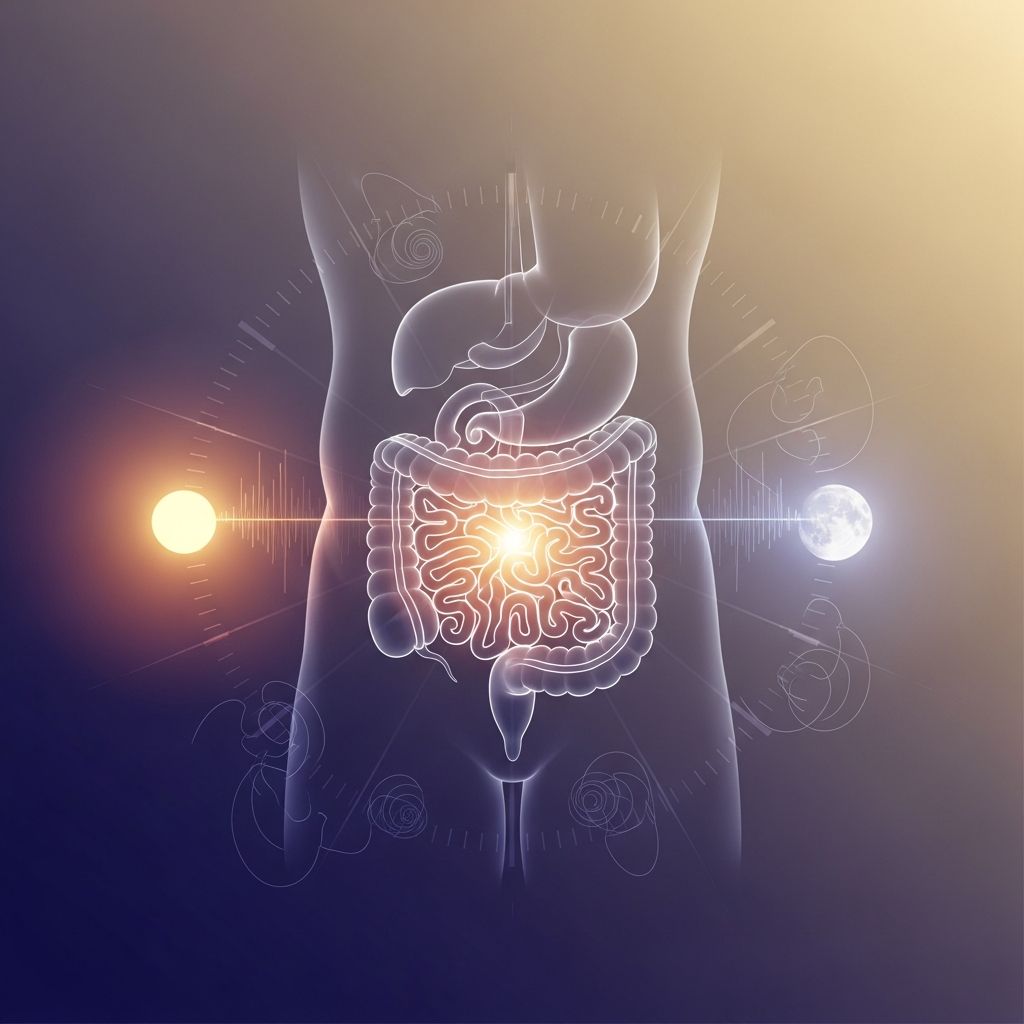
For many people, the first real appointment of the day is not on a calendar — it is on the toilet. The urge to have a bowel movement soon after waking is so common that it feels like an unwritten rule of human biology. Yet behind this everyday experience lies a sophisticated system of internal clocks, hormones, nerves, and habits that quietly orchestrate your morning bathroom routine.
This article explores why pooping in the morning is so typical, what your body is doing behind the scenes to make it happen, and how you can support a regular, comfortable schedule — even if your gut seems to prefer its own time zone.
How Your Internal Clock Shapes Bathroom Time
Your body runs on a roughly 24-hour cycle called the circadian rhythm, which influences sleep, hunger, hormone release, body temperature, and digestion. The same system that helps you feel sleepy at night and alert in the morning also affects when your intestines wake up and start moving.
- During sleep, many digestive processes slow down, including movement of the colon.
- Toward morning, signals from your brain and gut begin to ramp up activity in the large intestine.
- By the time you wake, the colon is primed to push yesterday’s leftovers toward the exit.
In other words, your bathroom habits are not random; they are tied to the daily ebb and flow of your internal timing system.
What Happens in Your Gut Before You Wake Up
Even while you sleep, your digestive tract is not completely off duty. Earlier meals continue to move through the small intestine, nutrients are absorbed, and waste slowly collects in the colon. The real shift comes in the hours around sunrise, when your system prepares for a new day.
Key changes around waking include:
- Increased colon contractions: Waves of muscle activity in the large intestine become stronger and more frequent.
- Movement of stool toward the rectum: As waste is pushed forward, it stretches the rectal walls.
- Activation of nerves: Stretch-sensitive nerves in the rectum send signals to the brain that it may be time to find a bathroom.
By the time your alarm goes off, the combined effect of overnight digestion and early-morning motility often produces a clear, predictable urge to go.
Hormones, Nerves, and the Morning Push
Your morning trip to the toilet is not just about muscles squeezing stool along a tube. It is a coordinated event involving hormones and the nervous system, which respond to waking up, standing, and eating.
- Stress and alertness hormones: Levels of hormones that help you wake up and feel alert tend to rise in the early morning. These can indirectly stimulate bowel activity.
- Gut–brain communication: The nervous system that lines your digestive tract, sometimes called the “second brain,” talks continuously with the brain in your head. When the rectum fills, this gut network helps trigger the urge to defecate.
- Posture and movement: Simply getting out of bed, standing upright, and walking to the kitchen can encourage stool to move downward.
The result of all this coordination is that, for many people, the first hour or two after waking is the most likely time to have a comfortable bowel movement.
Breakfast, Coffee, and the Gastrocolic Reflex
If you ever felt fine when you woke up but urgently needed the bathroom halfway through breakfast, you have experienced the gastrocolic reflex. This is a natural, built-in reaction where eating stimulates the colon to contract and clear out space for incoming food.
Several factors make this reflex especially strong in the morning:
- Your colon is already more active after waking, so it responds more intensely to food.
- A larger meal, or the first meal of the day, tends to provoke a bigger reaction.
- Coffee or warm drinks can amplify gut motility in sensitive individuals.
This is why many people say that breakfast “gets things moving.” A combination of increased morning motility plus the gastrocolic reflex creates a perfect window for a bowel movement soon after you eat.
Common Morning Triggers
- A hot drink (coffee, tea, or warm lemon water)
- A fiber-containing breakfast (oats, whole-grain toast, fruit)
- Mild movement (walking around the house, light stretching)
- Time alone in the bathroom with minimal distractions
Is Morning Pooping “Healthier” Than Other Times?
People often assume there is one perfect time to poop, but bodies vary widely. Morning bowel movements are common because they match the natural rise in colon activity and the timing of the first meal. That does not automatically mean other patterns are unhealthy.
Instead of focusing on the time of day, it is more useful to ask three questions:
- Are your bowel movements comfortable and not painful?
- Do you go consistently — whether that is once a day or a few times a week?
- Is the stool generally soft, formed, and easy to pass?
If the answer to these questions is yes, your gut is likely doing fine, even if you are an afternoon or evening pooper.
Regularity vs. Exact Timing
A common myth is that a “healthy” person must poop every morning without fail. In reality, there is a wide range of normal. Some people go once daily, some twice, and others only every other day — and all can be healthy if that pattern is consistent and comfortable.
Useful rules of thumb include:
- Anywhere from three times a day to three times a week can fall within normal limits.
- Sudden changes in your usual pattern are often more meaningful than your exact time of day.
- Straining, pain, or persistent bloating are more concerning than being a “non-morning” pooper.
Your goal is not to match someone else’s schedule; it is to understand your body’s rhythm and support it.
How Lifestyle Affects Your Bathroom Schedule
While internal clocks play a large role, daily choices can reinforce or disrupt your natural bowel rhythm. Everything from your commute to your bedtime can influence when you feel comfortable using the bathroom.
Habits That Support Morning Bowel Movements
- Consistent sleep and wake times: Going to bed and getting up at similar times each day helps stabilize your circadian rhythm, which in turn supports regular digestion.
- Enough time in the morning: Rushing out the door with no chance to sit on the toilet trains your body to ignore its signals.
- Hydration: Drinking water throughout the day and a glass in the morning keeps stool softer and easier to pass.
- Daily movement: Physical activity, even light walking, helps the intestines move contents along.
Habits That Can Disrupt Your Rhythm
- Frequently hitting the snooze button and skipping breakfast
- Ignoring the urge to go because you are busy or uncomfortable using public restrooms
- Irregular shift work that flips day and night schedules
- Very low-fiber diets and chronic dehydration
Sleep, Shift Work, and Travel: When Your Gut Clock Goes Off-Script
Any major change in your schedule can throw off bowel timing. Night shifts, rotating work schedules, long flights, and jet lag all confuse your internal clocks. The digestive system often responds with constipation, looser stools, or a temporary halt in urges.
Common scenarios where timing changes include:
- Night-shift workers: Eating at odd hours and sleeping during the day may shift bowel urges away from traditional morning times.
- Travel across time zones: Your brain may adjust to local time faster than your gut, leading to a day or two of irregularity.
- Weekend schedule swings: Staying up late and sleeping in can be enough to nudge your bathroom routine later or make it less predictable.
In these situations, gentle consistency — regular meals, hydration, movement, and time on the toilet — can help your gut resynchronize over several days.
Food, Fiber, and Stool Consistency
Even with a strong morning rhythm, your gut needs the right raw materials to form stool that moves comfortably. Diet has a major impact on how often and how easily you poop.
Fiber’s Role
- Soluble fiber (found in foods like oats, beans, and many fruits) absorbs water and forms a gel-like texture that softens stool.
- Insoluble fiber (found in wheat bran, whole grains, and many vegetables) adds bulk and speeds transit through the colon.
- Balanced fiber intake helps produce soft, formed stools that are easy to pass in one or a few pushes.
Hydration and Other Factors
- Without enough fluid, even adequate fiber can contribute to hard, dry stools.
- Large, heavy meals late at night may shift some digestive activity later, affecting when you feel the urge.
- Alcohol and highly processed foods may irritate the gut or alter motility in some people.
Morning vs. Evening: A Quick Comparison
The table below summarizes typical differences between morning and evening bowel habits. These are general tendencies, not strict rules.
| Feature | Morning Bowel Movement | Evening Bowel Movement |
|---|---|---|
| Common triggers | Waking, breakfast, coffee, increased colon activity | Post-dinner relaxation, end-of-day meals, winding down |
| Alignment with circadian rhythm | Often matches natural peak in daytime colon motility | May occur as digestion finishes from late meals |
| Convenience for many routines | Can \”clear the slate\” before work or school | May align better for those with night shifts or late schedules |
| Potential downsides | Rushed mornings can lead to ignoring the urge | Going too late at night may feel uncomfortable before sleep |
| Bottom line | Common and often comfortable, but not the only healthy pattern | Also normal if consistent, painless, and easy to pass |
Training Your Gut for a More Predictable Schedule
If your bathroom timing feels chaotic or unreliable, you can often gently train your body toward a more predictable routine. This process is sometimes called bowel retraining and works best when done gradually.
Strategies to encourage a more regular morning bowel movement include:
- Pick a daily window: Choose a 10–15 minute period in the morning when you can sit on the toilet without rushing, ideally after breakfast and a warm drink.
- Show up consistently: Sit at the same time every day, even if you do not feel a strong urge at first. Over time, your body often learns to associate that time and context with having a bowel movement.
- Use relaxation techniques: Deep breathing, gentle reading, or calm music can help your pelvic floor muscles relax, making it easier to go.
- Support with diet and hydration: Gradually increase fiber intake and drink water throughout the day to create stool that is easier to pass when the time comes.
- Avoid straining: If nothing happens after 10–15 minutes, get up and try again the next day. Forcing it can worsen problems like hemorrhoids.
When to Be Concerned About Your Poop Timing
Most differences in bowel timing are simply part of individual variation, but certain patterns deserve medical attention. The time of day matters less than sudden changes, persistent discomfort, or worrisome signs in the stool itself.
Consider talking with a healthcare professional if you notice:
- A sudden change from your usual pattern that lasts more than a couple of weeks
- Persistent constipation, especially with hard, pellet-like stools
- Chronic diarrhea or loose stools that are difficult to control
- Blood in the stool, black or tar-like stools, or unexplained weight loss
- Ongoing pain, cramping, or a constant feeling of incomplete evacuation
These signs do not automatically mean something serious is wrong, but they are worth evaluating rather than ignoring.
Frequently Asked Questions About Morning Poop
1. Is it bad if I do not poop every morning?
No. Many healthy people do not have a daily bowel movement, let alone one that always happens in the morning. What matters is that your pattern is relatively consistent, your stools are not extremely hard or loose, and you can go without significant straining or pain.
2. Why do I feel like I need to poop right after coffee?
Coffee can stimulate the digestive tract in several ways. For some people, it intensifies colon contractions and enhances the natural gastrocolic reflex that occurs after eating or drinking, especially in the morning when the intestines are already more active.
3. Can I shift my bowel movements from morning to another time?
To a degree, yes. While you cannot completely override your internal clocks, you can nudge your schedule by altering meal timing, bathroom routines, and sleep-wake patterns. People who work nights, for example, often adapt to having regular bowel movements later in the day or evening instead of early morning.
4. Why does travel make me constipated, even if I wake up at the same hour?
Travel disrupts more than just your alarm time. Changes in time zones, meal schedules, food choices, activity levels, and bathroom environments can all interfere with the signals your brain and gut rely on. Many people find their bowels return to normal within a few days of settling into a new routine.
5. Is it healthy to “hold it” if I am busy in the morning?
Occasionally delaying a bowel movement is part of life, but making a habit of ignoring urges can lead to harder stool, more straining, and increased risk of problems like hemorrhoids or fissures. Whenever possible, give yourself enough time in the morning to respond to your body’s signals.
Key Takeaways for a Happier Morning Routine
- Morning pooping is common because it lines up with your natural rise in colon activity, waking hormones, and the first meal of the day.
- There is no single “correct” time to poop; comfort, consistency, and ease of passage matter more than the clock.
- Regular sleep, fiber-rich meals, hydration, and unhurried bathroom time help support a predictable routine.
- Travel, shift work, and schedule changes can temporarily throw off your rhythm, but gentle consistency usually brings it back.
- Persistent changes, pain, or alarming stool features are worth discussing with a healthcare professional.
Understanding the rhythm behind your bathroom habits can turn an awkward topic into a useful health signal — and may even help you plan smoother, more comfortable mornings.