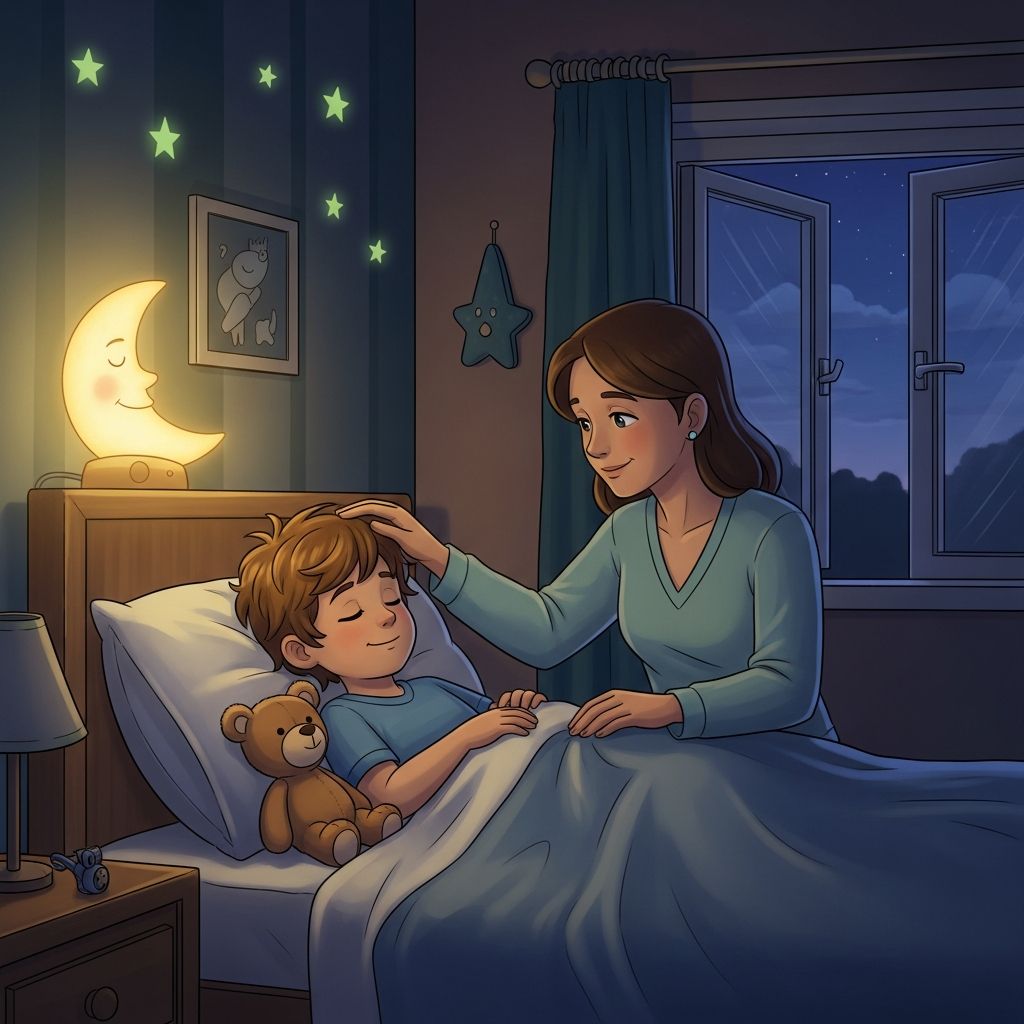
Motherhood often feels like an invisible marathon, filled with unspoken challenges that social media is finally illuminating through authentic, viral TikTok content. These short videos, created by everyday moms, are striking a chord with millions by voicing the exhaustion, transformation, and messy beauty of raising children.
The Power of Being Truly Seen in Motherhood
In a world where parenting perfection dominates feeds, certain TikToks cut through the noise by asking the simplest yet most profound question: ‘How are you really doing?’ One creator, known online as a supportive ‘Momma/Bestie,’ crafted a video that exploded with over 2.7 million views, prompting moms to share their raw emotions in comments. This isn’t just entertainment; it’s a digital hug acknowledging the weight of constant caregiving amid pandemics, work uncertainties, and school dilemmas.
These videos remind us that isolation fades when someone voices the collective sigh. Moms report bursting into tears upon hearing these words because no one typically inquires about their well-being. The comment sections become virtual support groups, with over 65,000 responses thanking the creator for making them feel understood.
Emotional Exhaustion: The Hidden Toll of Parenting
Parenting demands round-the-clock emotional labor, a reality captured powerfully in videos like Annalee Ford’s, featured on Good Morning America. As a mom of two, Ford describes the ‘pure exhaustion’ not from sleepless nights or lost freedom, but from perpetually regulating tiny humans’ meltdowns while maintaining composure.
- Constant emotional regulation: Staying calm amid children’s outbursts requires superhuman patience.
- Processing feelings for kids: Parents absorb and model emotional intake 24/7.
- Invisible strength: The mental stamina to ‘stay cool’ prevents escalation but drains reserves.
This exhaustion is universal, transcending demographics. Research from the American Psychological Association highlights how parental stress correlates with chronic fatigue, emphasizing self-care’s role. Ford’s video went viral because it named what many endure silently, fostering solidarity.
Transformation: How Motherhood Rewires Identity
Becoming a mom fundamentally alters a woman’s core self, a truth unpacked in Amanda Talijan’s TikTok, which amassed over 616,000 views in a day. Talijan, a first-time mom to a toddler, declares: ‘You are never going to be the same person… and thank God,’ because pre-mom versions couldn’t navigate this life’s intensity.
This shift involves:
| Pre-Motherhood | Post-Motherhood |
|---|---|
| Independent routines | Child-centered schedules |
| Personal ambitions first | Family needs prioritized |
| Spontaneous social life | Coordinated family outings |
While challenging, this evolution builds resilience. A study by the CDC notes that 1 in 5 new mothers experience postpartum mood changes, underscoring the need for open discussions like Talijan’s. Her video ignited thousands of comments from moms affirming these changes as growth, not loss.
Normalizing the Mess: Chaos as Part of Real Family Life
Another wave of viral content celebrates imperfection. Moms showcase unfiltered home tours—crumbs on floors, toys everywhere, laundry piles—to counter curated Instagram ideals. These TikToks normalize that ‘lived-in’ homes reflect active parenting, not failure.
Key benefits include:
- Reducing guilt: Seeing others’ messes eases perfectionist pressure.
- Building community: Shared photos create ‘this is normal’ narratives.
- Promoting mental health: Letting go of spotlessness frees energy for joy.
Pediatric guidelines from the American Academy of Pediatrics affirm that minor clutter poses no developmental harm, prioritizing play over pristine spaces.
Why These Videos Resonate in the Digital Age
TikTok’s algorithm favors relatability, propelling mom content to millions. Amid global stressors like economic shifts and health concerns, these videos offer catharsis. Pew Research Center data shows 60% of parents use social media for support, with short-form videos ideal for busy schedules.
Creators like @swirl_life, Talijan, and Ford aren’t influencers selling products; they’re peers validating experiences. This authenticity drives shares across platforms, turning personal stories into movements.
Mental Health Realities Backed by Data
These TikToks mirror broader trends. The World Health Organization reports maternal mental health affects 10-20% of mothers globally, exacerbated by isolation. U.S. data from the CDC reveals 23% of mothers under 45 report frequent anxiety or depression. Viral videos bridge this by sparking conversations, encouraging therapy-seeking.
In one comment thread, moms shared accessing postpartum support post-video. Such visibility destigmatizes struggles, aligning with NIH findings on social media’s role in health awareness[10].
Building Support Networks Through Social Media
Beyond views, these TikToks foster connections. Duets and stitches allow moms to respond directly, creating chains of empathy. Ford’s exhaustion monologue prompted replies like ‘This is exactly my 3 a.m. reality’.
Practical tips from viral creators:
- Schedule ‘ask how you’re doing’ check-ins with partners or friends.
- Join mom TikTok communities for daily affirmations.
- Embrace one messy room as self-compassion practice.
These strategies echo therapist recommendations for boundary-setting.
Frequently Asked Questions (FAQs)
What makes mom TikToks go viral?
They tap into universal emotions with raw honesty, perfect for TikTok’s quick, emotional format. Relatability drives shares and comments.
Is parenting exhaustion normal?
Yes, it’s a common experience due to emotional labor demands. APA studies confirm it’s widespread, advising rest and support.
How does motherhood change personality?
It fosters resilience, empathy, and prioritization shifts. CDC data supports adaptive changes for survival and thriving.
Should I worry about a messy house with kids?
No, AAP guidelines prioritize child safety over tidiness; mess indicates play.
Can TikTok help with mom mental health?
Absolutely, by normalizing struggles and connecting communities, per Pew and NIH research[10].
Embracing the Full Spectrum of Parenting
Viral TikToks prove motherhood’s highs and lows deserve airtime. By sharing vulnerabilities, creators empower others to do the same, shifting culture toward compassion. Whether it’s exhaustion, transformation, or clutter, these videos affirm: you’re not alone, and that’s powerful.
Next time a TikTok brings tears, know it’s healing. Follow, duet, comment—join the chorus making every mom feel seen.
References
- This viral TikTok has every mom feeling seen — Mother.ly. 2020. https://www.mother.ly/life/viral-tiktok-has-every-single-mom-feeling-seen/
- Mom’s viral TikTok breaks down how motherhood can change a woman — ABC News. 2024-02-03. https://abcnews.go.com/GMA/Family/moms-viral-tiktok-breaks-motherhood-change-woman/story?id=118479958
- Mom’s TikTok about parenting exhaustion goes viral — Good Morning America (YouTube). 2024. https://www.youtube.com/watch?v=HN_tJ70mV3c
- Mom Normalizes Messes & Chaos in TikTok — Mother.ly. 2024. https://www.mother.ly/news/viral-trending/tiktok-viral-mom-normalcy/
- Stress in America: Parenting During COVID-19 — American Psychological Association. 2021-01-12. https://www.apa.org/news/press/releases/stress/2020/report-parents-covid-19.pdf
- Maternal Mental Health Data — Centers for Disease Control and Prevention. 2023-10-17. https://www.cdc.gov/reproductivehealth/maternalinfanthealth/mentalhealth/index.html
- Healthy Homes for Children — American Academy of Pediatrics. 2022. https://www.aap.org/en/patient-care/healthy-active-living-for-families/home-environment/
- Parenting Children in the Age of Screens — Pew Research Center. 2023-06-15. https://www.pewresearch.org/internet/2023/06/15/parenting-children-in-the-age-of-screens/
- Maternal Mental Health — World Health Organization. 2022-02-08. https://www.who.int/teams/mental-health-and-substance-use/promotion-prevention/maternal-mental-health
- Social Media and Mental Health — National Institutes of Health. 2023. https://www.nimh.nih.gov/health/topics/technology-and-mental-health