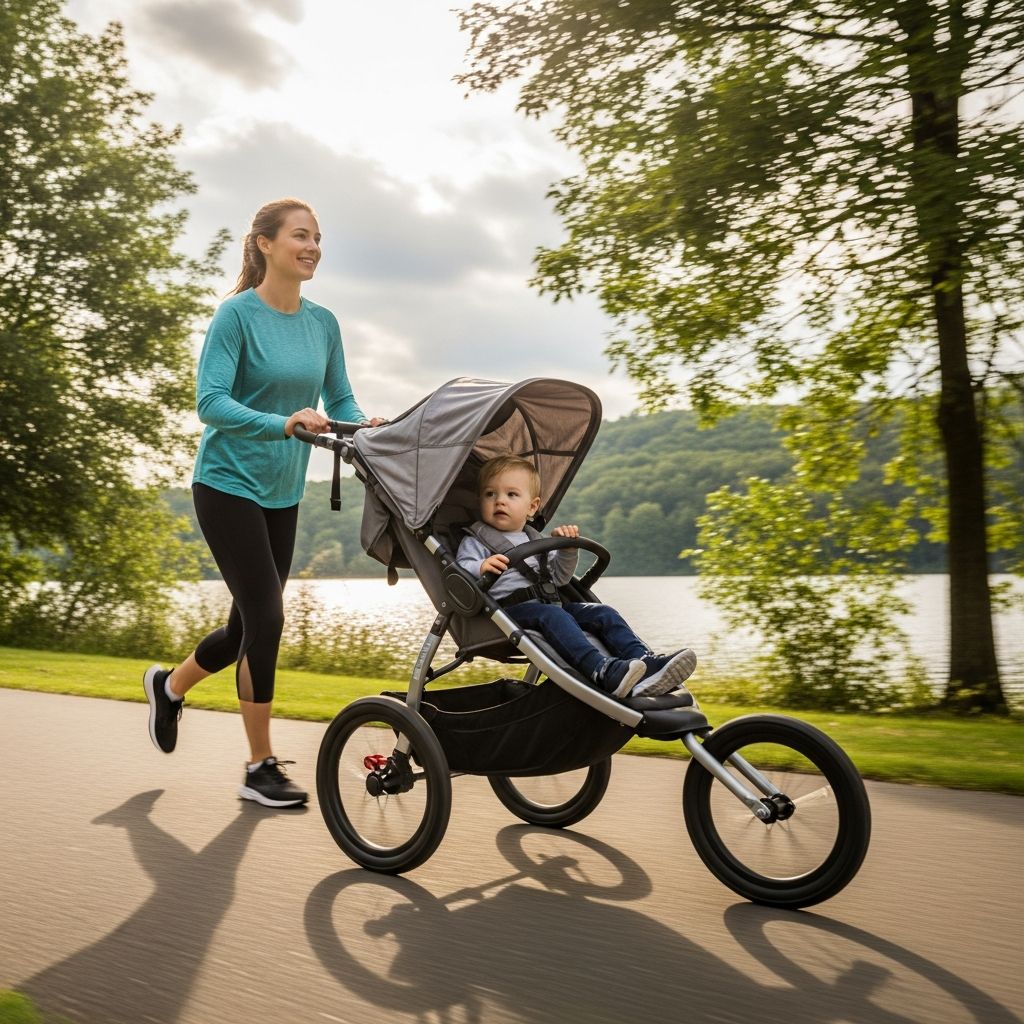
Jogging with a stroller lets you combine fitness and family time, but the right stroller makes a huge difference in safety, comfort, and how much you enjoy each run. This guide walks through what really matters so you can pick a jogging stroller that suits your pace, your child, and your everyday life.
Why a Jogging Stroller Is Different
At first glance, a jogging stroller just looks like a regular stroller with bigger wheels, but the design is very different under the surface. Jogging strollers are built to stay stable at higher speeds and on uneven ground, while still protecting your child from bumps, jostling, and sudden stops.
Trying to run with a standard four-wheel stroller often feels wobbly, hard to steer, and unsafe on hills or rough paths. A true jogging stroller is engineered to handle those situations confidently so you spend less time fighting the stroller and more time focusing on your stride and your child.
Key Features That Matter Most
Before looking at brands and models, it helps to understand the core elements that make a jogging stroller safe and practical for running.
1. Three-Wheel Design and Wheel Size
Most jogging strollers use a three-wheel setup: two large rear wheels and a slightly smaller front wheel. The large wheels roll more easily over cracks, grass, and gravel, and the triangular layout keeps the stroller stable at faster speeds.
- Rear wheels: Look for large, air-filled tires (usually 16 inches or more) that behave more like bike tires than standard stroller wheels.
- Front wheel: A single, centered front wheel gives better tracking and reduces the chance of wobbling when you hit a bump.
2. Fixed or Lockable Front Wheel
The front wheel is one of the most important safety details. For running, the wheel should be in a fixed or locked position so it does not suddenly swivel when you hit a rock, curb, or uneven patch. That stability helps prevent sharp, unexpected turns that could tip the stroller or throw off your balance.
- Dedicated fixed-wheel strollers: Ideal for serious runners who stick to running paths and races.
- Swivel/lockable front wheel: Best for parents who will use the stroller for both walks and jogs, as you can unlock it for tight turns at the grocery store and lock it again for runs.
3. Suspension and Shock Absorption
A good suspension system smooths out bumps so your child is not bounced around when you pick up speed. Springs or built-in shocks usually sit above or near the wheels, absorbing impact and keeping the stroller from rattling on rough surfaces.
- Front and rear suspension: Offers the most comfort, especially on trails or cracked sidewalks.
- Adjustable suspension: Some higher-end models let you tune the feel based on your child’s weight and the terrain you run on.
4. Safety Harness and Brakes
Safety systems on a jogging stroller do more than just keep the stroller from rolling away. They also keep your child securely positioned and help you stay in control on hills and sudden stops.
- Five-point harness: This type of harness secures your child at the shoulders, waist, and between the legs, helping prevent sliding or leaning forward while you run.
- Parking brake: Often a foot-activated rear brake you engage whenever you stop to tie a shoe, check your phone, or rest.
- Hand brake: Some models add a handlebar brake, similar to a bike, for better control on downhills and quick stops.
- Wrist strap: A tether that loops around your wrist so the stroller stays connected to you, even if you trip or lose your grip.
5. Comfort for Your Child
Your baby or toddler will be spending long stretches seated while you move at running speed, so comfort features matter. A well-padded, supportive seat can be the difference between a peaceful outing and a meltdown halfway through your route.
- Reclining seat: Lets younger passengers nap comfortably without slumping forward.
- Supportive padding: Enough cushioning to absorb minor jolts while still giving structure.
- Ventilation: Mesh panels or vented canopies help air flow and keep your child cool in warm weather.
6. Comfort and Ergonomics for You
Parents often underestimate how much the stroller’s fit affects their stride and posture. A poor fit can cause shoulder tension, wrist pain, or a choppy running style that feels unnatural.
- Adjustable handlebar: Crucial if parents of different heights will use the stroller, or if you want to keep your elbows relaxed and shoulders down while running.
- Stride clearance: Look for a frame that curves away slightly at the back so you do not kick the stroller with every step.
- Weight and balance: A lighter but well-balanced stroller is easier to push over long distances without fatigue.
Types of Jogging Strollers
Not every running parent has the same goals. Some need a stroller for casual weekend jogs, while others regularly log double-digit miles. Matching stroller type to your running style helps you avoid overspending or ending up with the wrong tool.
| Stroller Type | Best For | Typical Features |
|---|---|---|
| Everyday jogger | Light to moderate runs plus daily errands | Swivel/lockable front wheel, moderate suspension, good storage |
| Performance runner | Frequent runs, longer distances, race training | Fixed or easily locked front wheel, advanced suspension, hand brake, lighter frame |
| All-terrain jogger | Mixed surfaces like trails, grass, and gravel | Deep tread tires, strong suspension, sturdy frame, weather-ready canopy |
| Double jogging stroller | Families with two kids close in age | Side-by-side seats, reinforced frame, wider wheelbase for stability |
Age, Weight, and Safety Guidelines
Even the best jogging stroller is only safe when used at the right stage and in the right way. Pediatricians and stroller manufacturers usually recommend waiting until a baby has strong head and neck control before starting to jog with them.
Most brands list minimum age and weight guidelines, as well as maximum weight limits for longer-term use. It is important to follow these instructions and to use an approved infant car seat attachment if you plan to walk (not run) with a younger baby in the stroller frame.
Practical Safety Tips
- Always use the harness as directed, making sure it fits snugly without pinching.
- Set the parking brake whenever you stop, especially on any kind of incline.
- Store heavy bags in the under-seat basket, not on the handlebar, to avoid tipping.
- Start slowly with shorter runs to see how your child tolerates the motion.
Convenience Features You’ll Appreciate
Once safety and ride quality are covered, everyday conveniences move to the top of the list. These details might seem small in the store, but they shape how often you actually reach for the stroller.
Canopy and Weather Protection
A large, adjustable canopy keeps sun, wind, and light rain off your child while you run. Look for multiple positions so you can adjust coverage as the sun changes, and peek-a-boo windows so you can check on your child without stopping.
- UPF-rated fabric: Adds extra sun protection for outdoor runs.
- Rain and wind covers: Optional accessories that extend your running season into colder or wetter months.
Storage and Organization
Running with a child often means bringing snacks, diapers, water, and your phone or keys. Thoughtful storage means you can keep essentials close at hand without creating clutter or affecting balance.
- Under-seat basket: Should be large enough for a small diaper bag or extra layers.
- Parent console: Cup holders and a small covered tray for keys, phone, and gels.
- Seat-side pockets: Handy for toys or snacks within your child’s reach.
Folding and Transport
A jogging stroller is typically larger than a traditional stroller, so an efficient fold is key if you drive to trails or store it in a small space. A simple, one- or two-step fold makes getting in and out of the car less of a workout.
- Check whether the stroller fits in your trunk with wheels on, or if you need to remove them.
- Consider the folded footprint if you live in an apartment or share tight storage space.
How to Choose Based on Your Lifestyle
Instead of searching endlessly for a single “best” jogging stroller, think about where and how you actually plan to use it. Matching features to lifestyle tends to lead to a better fit than simply chasing the most expensive model.
For Casual Runners and Walkers
If you run a few times a week or mix walking and jogging in the neighborhood, flexibility matters more than top-tier performance. A stroller with a swivel/lock front wheel, solid basic suspension, and strong safety features will usually meet your needs.
- Prioritize easy steering, simple folding, and decent storage.
- You may be able to save money by skipping advanced race-focused systems.
For Dedicated Runners and Racers
Parents who consistently log many miles or enter races with a stroller should focus on stability, weight, and control. A performance-focused jogging stroller typically offers a smoother, more efficient push at pace.
- Look for a lighter frame, excellent suspension, and a reliable hand brake for hills.
- Longer handles and generous stride clearance help you maintain your natural running form.
For Trail and All-Terrain Use
Running on gravel paths, grass, or dirt trails puts extra demands on the stroller. Deeper treads, durable materials, and strong shock absorption prevent excessive vibration and protect both you and your child.
- Choose large, air-filled tires with rugged tread patterns.
- Frame and fabric should be easy to clean, and the canopy should offer good coverage from debris and weather.
For Families with Two Kids
A double jogging stroller lets you keep both children close while you run, but it adds weight and width. That makes stability and maneuverability even more important, especially on narrower paths.
- Pay close attention to total weight, wheel size, and the stroller’s maximum capacity.
- Test turning, doorway clearance, and the folding process if possible before buying.
Budget: Where to Spend and Where to Save
Jogging strollers span a wide price range, and the most expensive option is not always the best for your situation. Think about your expected mileage, terrain, and how many years you plan to use the stroller.
- Spend more on: Strong suspension, solid frame construction, high-quality wheels and tires, and key safety features like a reliable harness and brakes.
- Save on: Extra accessories you can add later, such as child trays, organizers, or specialty weather covers.
If you are considering a used stroller, inspect the frame for cracks, test all brakes and locks, check the harness webbing for frays, and confirm that all recalls have been addressed.
Preparing for Your First Run
Once you have chosen a stroller, take some time to get comfortable with it before heading out for a long route. A little practice in a safe, flat area helps you learn how the stroller responds to turns, stops, and different paces.
- Start with a brisk walk, then progress to short jog intervals to see how both you and your child adjust.
- Keep the front wheel locked for running and stay on smooth surfaces until you are confident handling hills and uneven ground.
- Make sure your child is dressed appropriately for the weather, remembering that they are sitting still while you are warming up from exercise.
Frequently Asked Questions
When can I start jogging with my baby?
Most experts recommend waiting until your baby has strong head and neck control and has reached the minimum age listed by the stroller manufacturer. Until that point, you can use a compatible infant car seat with the stroller for walking only, not running.
Do I really need a special stroller just for running?
While some parents try running with a regular stroller, it is not designed for the higher speeds, bumps, and quick changes in direction that come with jogging. A dedicated jogging stroller offers better stability, smoother handling, and safety features tailored to running, which reduces risk for both you and your child.
Can I use a jogging stroller as my everyday stroller?
Many families do use a jogging stroller as their primary stroller, especially if it has a swivel/lockable front wheel and fits easily in their car or home. Keep in mind that jogging strollers are bulkier, so tight spaces or crowded stores may be trickier than with a compact daily stroller.
How important is tire type?
Tires affect how the stroller feels on different surfaces and how much maintenance you need to do. Air-filled tires offer a smoother ride and better shock absorption but can go flat, while solid or foam-filled tires require less upkeep but do not cushion bumps as effectively.
Is it safe to run with headphones while pushing a jogging stroller?
Using headphones can make it harder to hear traffic, cyclists, or your child if they need attention. For safety, many parents prefer to run without headphones or use low-volume, open-ear options so they can stay aware of their surroundings and respond quickly if needed.
Final Thoughts
A well-chosen jogging stroller can turn workouts into shared adventures and make it easier to fit exercise into life with a baby or toddler. By focusing on safety, comfort, and features that match your running style, you can find a stroller that feels like a partner on the path instead of just another piece of gear to wrestle with.
Take the time to test different models if you can, visualize where and how you will use them, and prioritize the elements that keep both you and your child secure and content. When the stroller fits your routine, every run together becomes more enjoyable and sustainable.