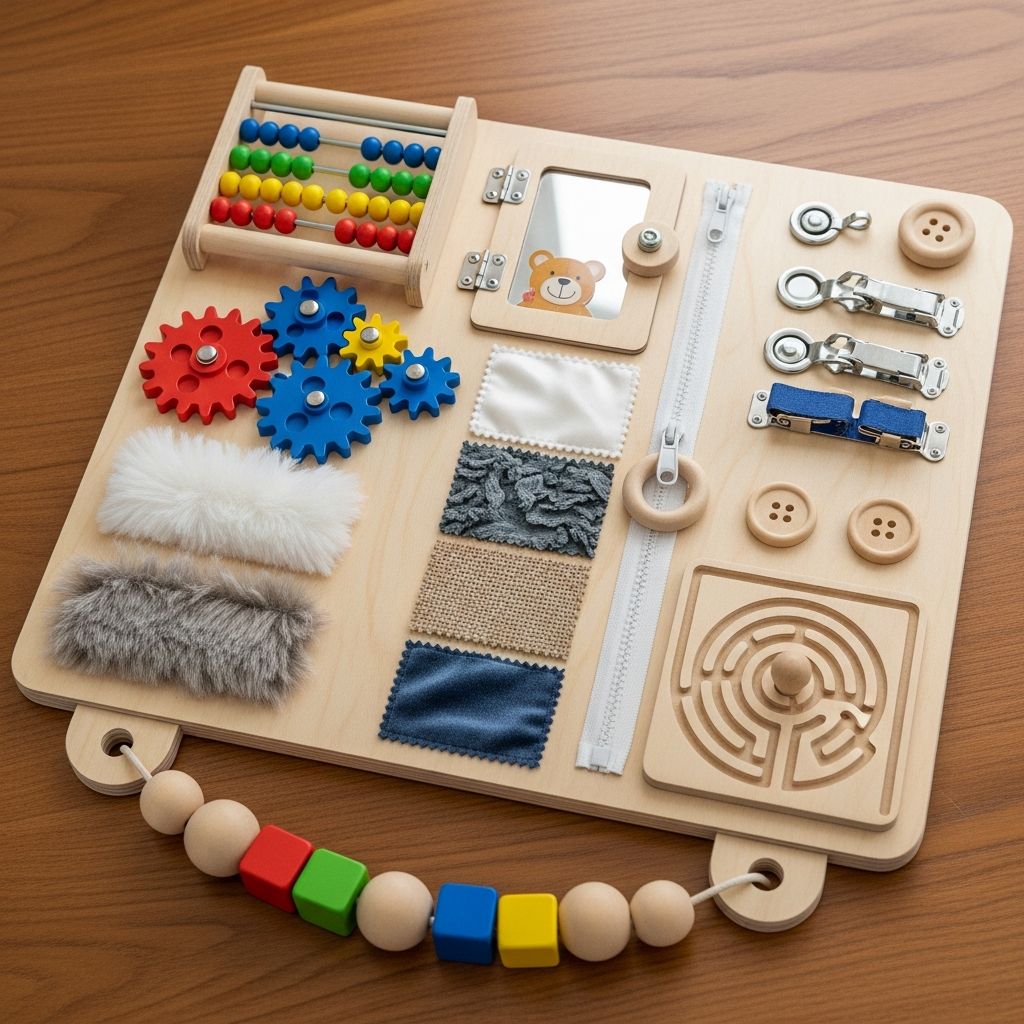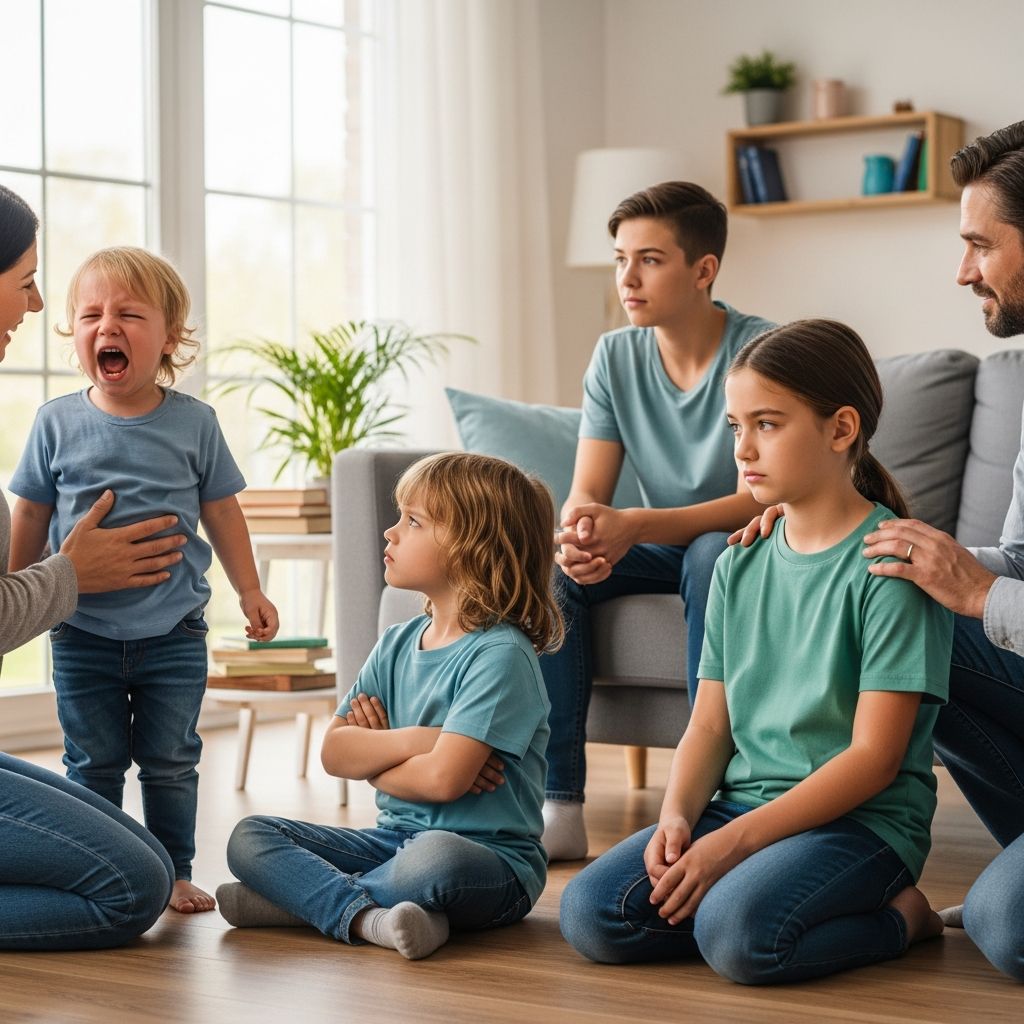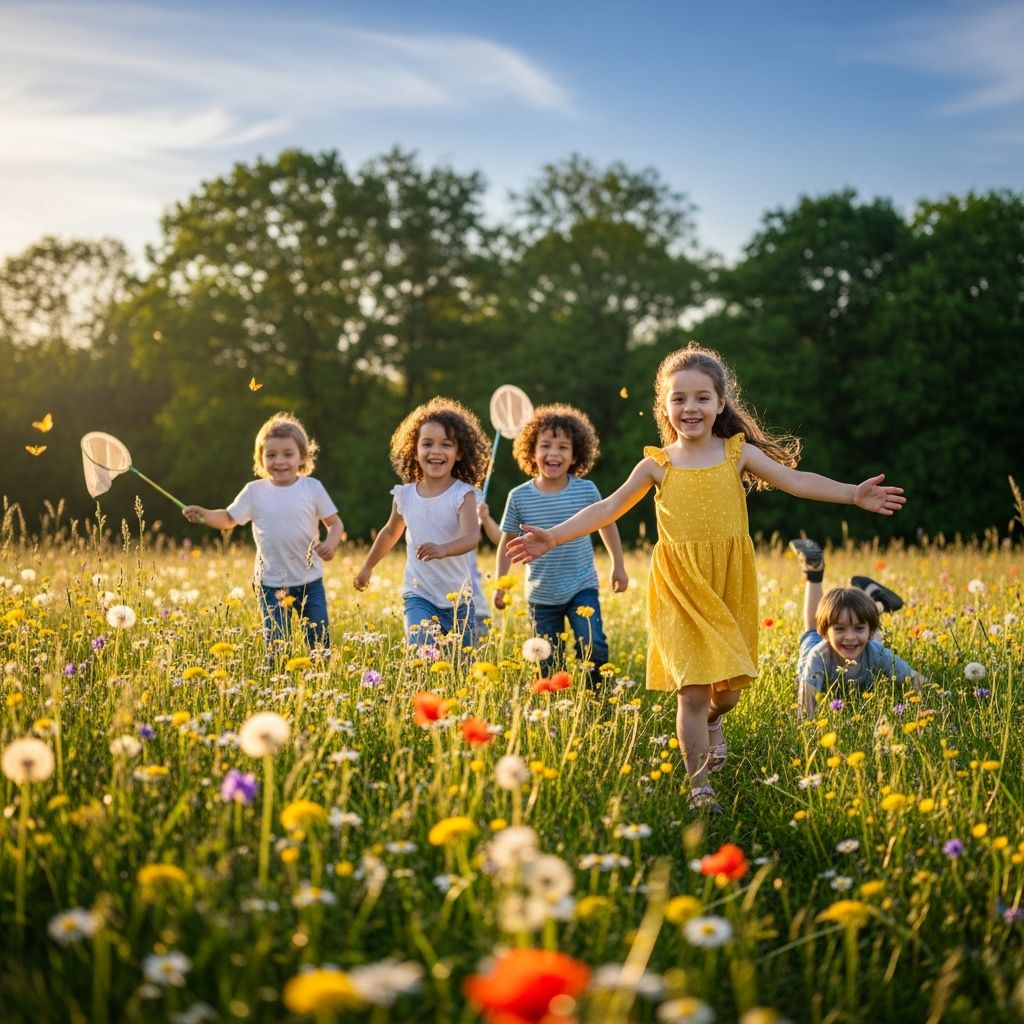
Childhood is a fleeting phase where imagination, exploration, and joy should flourish freely. In today’s fast-paced world, parents often grapple with balancing education, activities, and family life, sometimes at the expense of simple play. Allowing children to embrace their natural curiosity through unstructured time builds resilience, creativity, and emotional health that structured schedules alone cannot provide.
The Value of Unstructured Play in Early Years
Unstructured play forms the cornerstone of healthy development, enabling kids to process emotions, solve problems, and build social skills independently. When children engage in free play—like building forts from couch cushions or chasing butterflies—they learn risk assessment, negotiation, and perseverance without adult intervention.
- Enhances creativity: Kids invent rules and stories, fostering innovative thinking.
- Supports physical growth: Running, climbing, and jumping strengthen muscles and coordination.
- Boosts emotional regulation: Navigating conflicts during play teaches empathy and self-control.
Research from child development experts emphasizes that such play is not wasted time but essential for brain development. Over-scheduling can lead to burnout, anxiety, and diminished joy, robbing children of irreplaceable moments.
Navigating Modern Parenting Pressures
Society bombards parents with messages of achievement: enroll in every sport, music lesson, and academic program early. This ‘rat race’ mentality stems from fears of falling behind, yet it often accelerates maturity prematurely. Children thrust into adult-like routines miss out on the whimsy that defines youth.
Consider the contrast: a child in a rigid school day sits still for hours, suppressing natural energy, versus one at home who dances while spelling words or squats on counters solving math puzzles. The latter environment honors their developmental stage, blending learning with movement seamlessly.
| Structured Activities | Unstructured Play |
|---|---|
| Fixed schedules, adult-led | Child-directed, flexible |
| Focus on competition | Emphasis on exploration |
| Risk of stress and fatigue | Builds confidence and joy |
Parents can counter these pressures by auditing schedules: limit extracurriculars to 2-3 per week, prioritizing family time and downtime.
Creating Safe Spaces for Childlike Expression
A home that feels like a playground, not a museum, invites authentic behavior. Allow mess-making in designated areas—mud pies in the backyard or pillow fights indoors—while teaching boundaries for guests’ spaces. This freedom reassures kids they are safe to express big emotions.
Key strategies include:
- Designate ‘wild zones’: Backyards or playrooms for roughhousing.
- Embrace transitions: From calm coloring to energetic sword fights, honoring energy shifts.
- Model playfulness: Join in swinging at parks or baking messy cookies to normalize fun.
Such environments cultivate security, where children know unconditional love underpins their antics, fostering self-assured adults later.
The Role of Parental Involvement Without Hovering
Being present matters, but hovering stifles independence. Childhood memories often involve outdoor adventures—running wild, exploring creeks—without constant correction. Modern parents can replicate this by stepping back during safe play, intervening only for real dangers.
Practice active listening: Let kids finish thoughts before redirecting. When mistakes occur, discuss consequences post-event rather than preempting. This approach teaches accountability organically.
“Kids need to know they are loved unconditionally to feel free to be themselves.” – Inspired by family wellness advocates.
Balancing involvement means guiding character—kindness, honesty—over perfection in skills, allowing natural blooming.
Balancing Learning and Play: A Holistic Approach
Critics of early academics argue play trumps reading drills, yet evidence shows integration works best. Toddlers can master letter sounds through games while honing social-emotional skills like sharing toys. No zero-sum choice exists: play supports literacy, not hinders it.
For instance:
- Blend sounds into songs during car rides.
- Use blocks for counting and storytelling.
- Read aloud with dramatic voices to spark imagination.
This duality ensures cognitive gains without sacrificing joy. Schools may delay reading, but home enrichment accelerates it naturally.
Fostering Emotional Safety and Unconditional Love
At the heart lies love: hugs amid eye-rolls, affirmations during tantrums. Children sensing deep security express freely—crying when sad, singing loudly—building emotional intelligence. This foundation prevents stress overload from schedules or comparisons.
Signs of thriving kids: frequent laughter, easy friendships, self-initiated play. If stress dominates, simplify: fewer activities, more park days.
Practical Steps for Busy Families
Transitioning requires intentionality:
- Assess schedules: Cut one commitment; replace with family game nights.
- Unplug daily: One hour device-free for outdoor romps.
- Play together: Toss balls, roll downhill—reignite your inner child.
- Set home rules: Energy welcome here, respect elsewhere.
- Prioritize connection: Daily hugs, ‘I love yous’ regardless.
These shifts yield healthier, happier families, proving less structure often means more growth.
Frequently Asked Questions
What if my child resists unstructured play?
Start small: 15 minutes daily, gradually increasing. Model enthusiasm by joining in, building their comfort with freedom.
Does this approach harm academic progress?
No—play enhances learning retention. Studies show well-rested, joyful kids excel cognitively long-term.
How do I handle societal judgment?
Trust your instincts; share benefits with skeptics. Focus on your child’s happiness over comparisons.
Is this suitable for all ages?
Yes, adapt for toddlers (sensory play) to tweens (independent projects), always matching developmental needs.
What about working parents?
Weekend adventures and evening rituals suffice. Quality trumps quantity in fostering playfulness.
References
- Child Development and Play — American Academy of Pediatrics. 2023-01-15. https://publications.aap.org/pediatrics/article/142/3/e20182058/38649/The-Power-of-Play-A-Pediatric-Role-in-Enhancing
- Importance of Free Play — Centers for Disease Control and Prevention (CDC). 2024-05-20. https://www.cdc.gov/parents/essentials/play/index.html
- Unstructured Play Benefits — National Institute of Child Health and Human Development. 2022-11-10. https://www.nichd.nih.gov/health/topics/play
- Emotional Development in Children — World Health Organization (WHO). 2023-08-05. https://www.who.int/news-room/fact-sheets/detail/early-childhood-development
- Play and Learning Integration — Harvard Graduate School of Education. 2024-02-28. https://www.gse.harvard.edu/ideas/usable-knowledge/21/02/power-play