Many toddlers pee in the potty with no problem yet flatly refuse to poop there. For families, this can feel confusing, messy, and emotionally draining. The good news is that poop refusal is very common, usually temporary, and almost always improves with patience and the right strategies.
This guide explains why toddlers resist pooping on the potty and offers practical, gentle steps you can use to support your child without turning toileting into a battle.
Why Pooping Is Often Harder Than Peeing
From a toddler’s point of view, pooping in the potty is a big leap. Pee is quick; poop is slower, heavier, and easier for them to see and worry about. Several factors often overlap:
- New body sensations: Sitting and relaxing to release a bowel movement feels very different from going in a snug diaper.
- Loss of control fears: Toddlers are just discovering autonomy; letting something “fall out” into a toilet can feel like losing control.
- Noise and water: Flushing, splashing, and the size of the toilet can be intimidating.
- Past discomfort: A painful or hard stool can lead to fear of pooping again, even after constipation is gone.
Health professionals note that constipation and painful bowel movements are frequent reasons children start holding stool or insisting on a diaper for poop.
First Priority: Rule Out Medical Issues
Before assuming your child is simply “stubborn,” check for physical causes that make pooping uncomfortable or frightening.
Common Red Flags to Discuss With a Clinician
- Hard, dry, or pellet-like stools
- Visible straining, crying, or pain when passing stool
- Large stools that clog the toilet
- Streaks of stool in underwear (possible overflow from constipation)
- Bloody streaks on toilet paper
Organizations such as the American Academy of Pediatrics emphasize that ongoing constipation should be assessed and treated early to avoid a cycle of withholding and fear.
If you see any of these signs, speak with your pediatrician or family doctor. They may:
- Recommend dietary changes (fiber, fluids)
- Suggest stool softeners or laxatives when appropriate
- Check for less common medical conditions
Understanding Emotional and Developmental Reasons
When pain is ruled out or treated, emotional and developmental factors usually drive poop refusal.
1. Control and Autonomy
Toddlers quickly learn that adults cannot force them to relax their bodies and poop. Refusal can become their most powerful tool for control, especially if life feels rushed or full of adult expectations.
2. Stress and Big Changes
Research on potty training regression shows that stress—such as a new sibling, a move, starting daycare, or family tension—often leads to toileting problems or setbacks. Even when children know what to do, feeling overwhelmed can make it harder for them to pay attention to body signals.
3. Fear of the Toilet or Sensations
Some common fears include:
- Falling into the toilet
- The sound of the flush
- Seeing poop swirl away (it can feel like a part of themselves is disappearing)
- The pressure of a parent watching and waiting
4. Not Fully Ready for Poop Training
Even if your child pees reliably in the potty, they may not yet be fully ready to manage poop there. Experts note that some children appear toilet trained, then regress or stall because the timing wasn’t quite right for long-term success.
Creating a Low-Pressure Potty Environment
Children are more likely to poop when they feel safe, relaxed, and unhurried. You can shape the environment to make that easier.
Comfort Setup Checklist
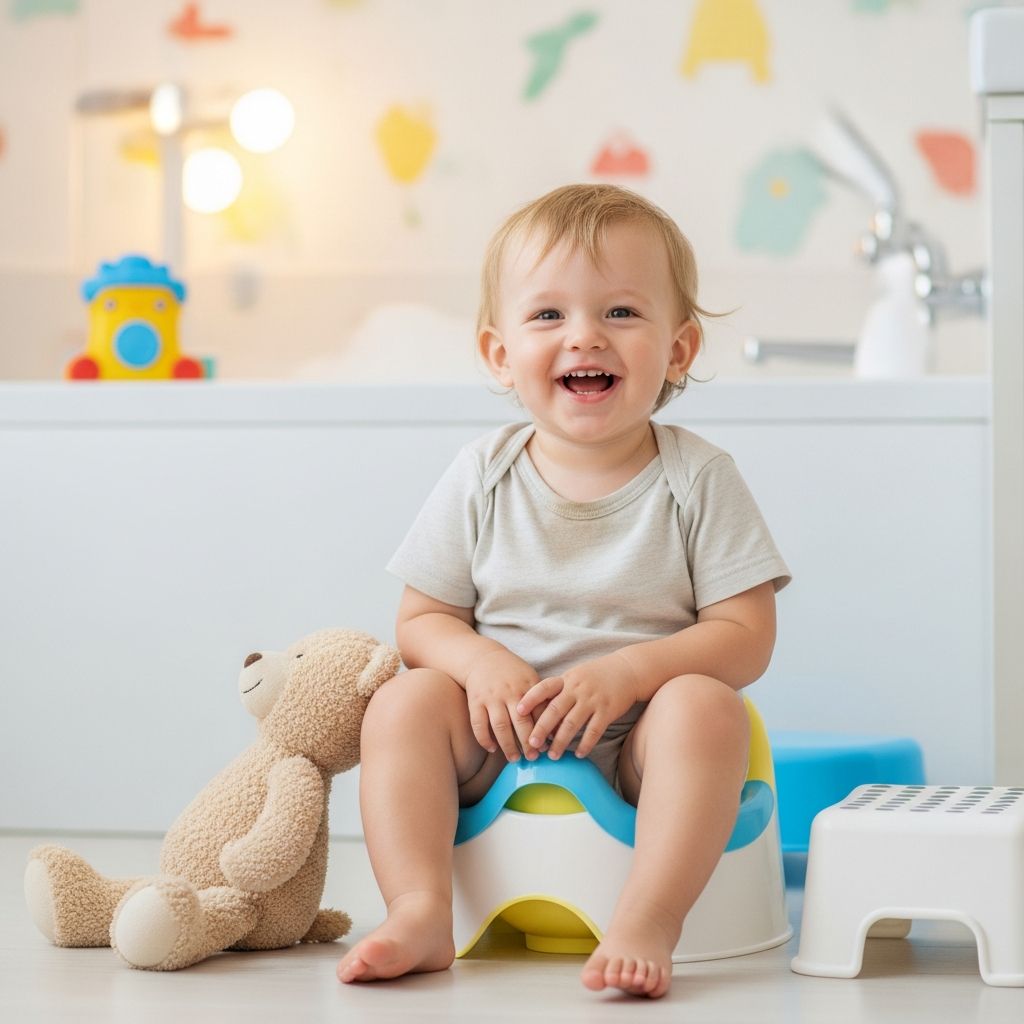
- Child-sized seat: Use a small potty or a toilet insert to shrink the big opening.
- Solid foot support: Provide a stool so their feet are flat and supported; this helps them push more easily.
- Warm, quiet space: Avoid cold bathrooms or constant interruptions.
- Predictable routine: Offer regular sit times around when your child usually has a bowel movement (often after meals).
Language and Emotional Safety
How you talk about poop matters. Aim for neutral, supportive language:
- “Your body will tell you when poop is ready to come out.”
- “Poop belongs in the potty; the toilet is where we send it away.”
- “If you feel nervous, I’ll stay with you and help you.”
Medical and psychological guidance consistently recommends avoiding shaming, punishment, or ridicule around accidents or toileting, as these increase anxiety and may prolong problems.
When Your Child Only Wants to Poop in a Diaper
One of the most common patterns is a child who pees in the potty but demands a diaper (or pull-up) when they need to poop. Rather than a strict yes-or-no response, you can use this preference as a bridge toward using the potty.
Stepwise Desensitization Approach
Evidence-based continence programs often recommend gradual exposure to new toileting situations instead of abrupt change. Here is a gentle sequence you can adapt:
- Step 1: Diaper, but in the bathroom.
Allow your child to wear a diaper to poop, but encourage them to stand or squat in the bathroom rather than hiding elsewhere. - Step 2: Diaper near the potty.
Once this is easy, invite them to stand next to the potty or toilet while they poop in the diaper. - Step 3: Diaper while sitting on the potty.
Help them sit on the potty or toilet insert with the diaper still on. The goal is simple: “We poop while sitting now.” - Step 4: Introduce the idea of poop going in the toilet.
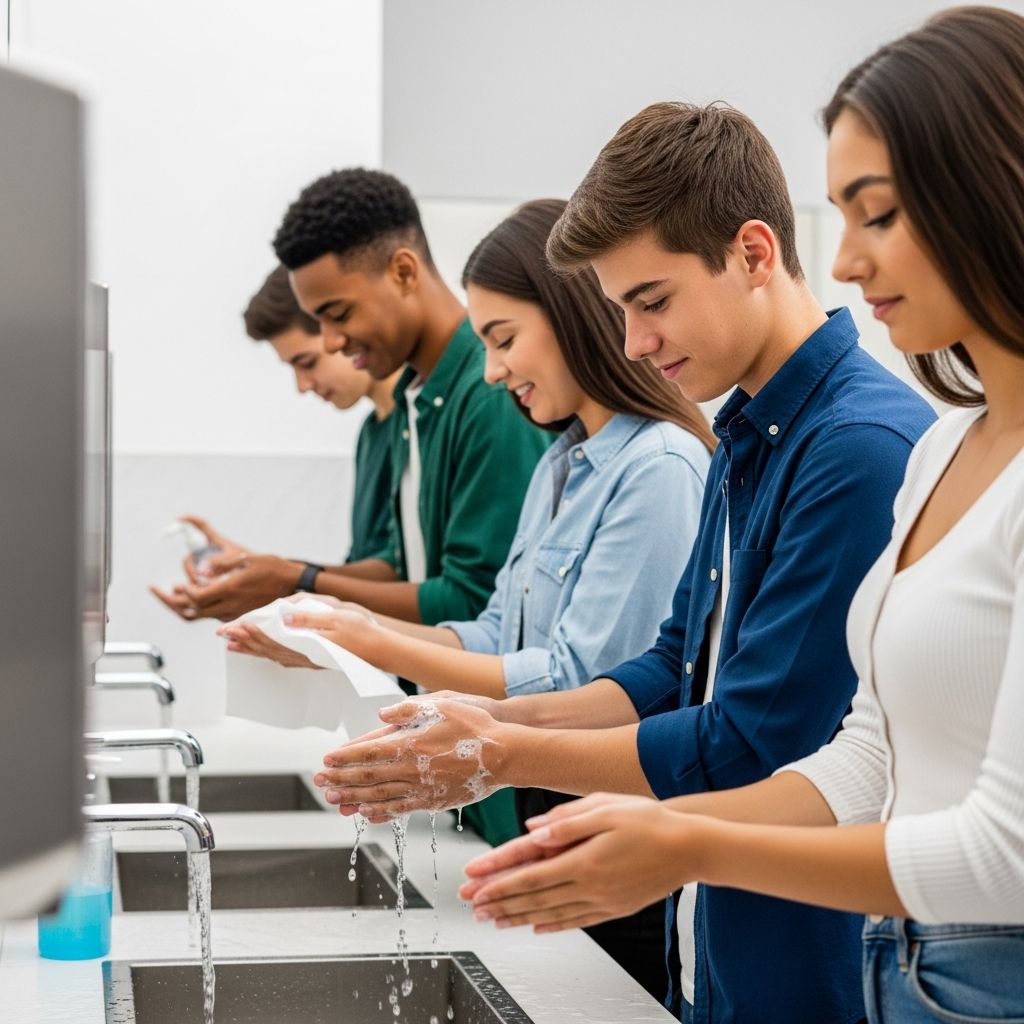
After each poop, walk together to the toilet, empty the diaper into the bowl, flush, and wash hands. Emphasize calmly: “Poop goes in the toilet.” - Step 5: Decrease diaper contact.
Progress slowly: use a smaller diaper, fold it, or cut a small hole and gradually enlarge it so poop passes through into the potty while they still feel the diaper. - Step 6: Transition to no diaper.
When they are comfortable with poop landing in the potty, explain that soon they will try without a diaper. Choose a low-stress week and keep your schedule flexible.
Throughout these steps, praise effort and bravery, not just success: “You sat on the potty with your diaper on—that was new and you did it!”
Daily Habits That Support Easy Poops
Healthy bowel habits make pooping more comfortable and reduce fear of pain.
| Habit | How It Helps | Practical Ideas |
|---|---|---|
| Hydration | Keeps stool softer and easier to pass. | Offer water regularly between meals; limit sugary drinks. |
| Fiber | Adds bulk and softness to stool. | Include fruits, vegetables, and whole grains most days. |
| Movement | Physical activity stimulates bowel motility. | Allow daily active play: running, jumping, climbing. |
| Regular potty sits | Uses the body’s natural gastrocolic reflex after meals. | Have your child sit for 3–5 relaxed minutes after breakfast or dinner. |
Avoiding Power Struggles
When adults feel desperate for progress, it is easy to slide into bribes, threats, or constant reminders. These usually backfire by increasing anxiety and resistance.
Common Traps
- Over-prompting: Asking about the potty every few minutes can feel like pressure and make children dig in their heels.
- Punishing accidents: Consequences teach children that mistakes are dangerous, not that toileting is safe and manageable.
- Shaming language: Calling them “babyish” or comparing them to other children damages self-esteem and does not speed up learning.
Helpful Alternatives
- Use gentle reminders tied to routines (after meals, before bath, before leaving the house).
- Offer choices: “Do you want to try the little potty or the big toilet seat?”
- Keep your tone matter-of-fact: respond to accidents with, “Let’s clean this up and try again next time.”
- Consider a simple reward system for sitting or trying, such as stickers or extra story time, while keeping the overall pressure low.
Supporting Your Child’s Emotions
Emotional safety is as important as the technical skill of using the toilet. Many children need repeated reassurance that their bodies work and that adults will remain calm.
Validate, Then Coach
- “You feel scared to poop on the potty. That feeling is real.”
- “Lots of kids feel this way at first; we’ll keep practicing together.”
- “Your job is to listen to your body; my job is to help you stay safe.”
Use Play and Stories
Young children learn best through play. You can:
- Role-play with dolls or stuffed animals using a toy potty.
- Read picture books that normalize poop and toileting.
- Draw simple comics about poop traveling from body to toilet and then to the sewer.
When to Pause Potty Training
Sometimes the most effective strategy is to step back. If your child is highly distressed, holding stool for days, or family conflict around toileting is constant, consider a temporary reset.
Experts in child development and toileting note that some children benefit from returning to training pants or diapers for a short period when stress or regression is high, then trying again when they show readiness signs and life feels calmer.
Pausing does not mean you have failed; it simply protects your child’s long-term relationship with their body and the bathroom.
Signs Things Are Improving
Progress can be subtle at first. Celebrate small steps:
- Your child tells you before or right after they poop in a diaper.
- They are willing to poop in the bathroom, even if not on the potty yet.
- They sit on the potty with a diaper on.
- They agree to dump poop from the diaper into the toilet and flush.
- They start to poop on the potty occasionally, even with some accidents.
These signs show that your child’s brain is connecting poop with the bathroom and the toilet, laying the groundwork for full success.
Frequently Asked Questions (FAQs)
How long does poop refusal usually last?
Duration varies widely. Some toddlers move through this stage in a few weeks; for others it can take several months, especially if constipation or high stress is involved. If you see no improvement over time, or if your child is regularly withholding stool, consult your child’s healthcare provider.
Should I ever punish my child for pooping in their pants?
No. Pediatric and psychological guidelines advise against punishment or shaming for toileting accidents because these responses increase anxiety and may worsen withholding or regression. Focus on calm cleanup, reassurance, and prevention strategies instead.
My child was fully potty trained and then started having poop accidents. Is this normal?
Yes, this is often called potty training regression. Common triggers include stress, big life changes, medical issues like constipation, or simply not being fully ready to maintain training. Look for stressors, talk with your child’s doctor, and consider briefly returning to earlier, more supportive potty routines.
How often should I have my toddler sit on the potty to try to poop?
Many continence programs suggest relaxed, routine sits once or twice a day, especially after meals when the body naturally wants to empty the bowels. Keep sits short (3–5 minutes), comfortable, and distraction-free, without pressuring them to produce poop every time.
When should I seek professional help?
Contact your healthcare provider if your child regularly goes several days without pooping, seems in pain, passes very large or hard stools, has blood in the stool, shows intense fear around toileting, or if struggles are causing major family stress. A pediatrician, pediatric gastroenterologist, or continence nurse can help with assessment and a tailored plan.
References
- Understanding Toilet Refusal: The Child Who Will Only Poo in a Nappy — Bladder & Bowel UK. 2020-09-01. https://www.bbuk.org.uk/wp-content/uploads/2020/09/Understanding-Toilet-Refusal-The-Child-That-Will-Only-Poo-in-a-Nappy.pdf
- Potty Training Regression: What To Do About It — Cleveland Clinic (A. Schwartz, MD). 2022-03-21. https://health.clevelandclinic.org/what-to-do-when-your-potty-trained-child-suddenly-isnt
- Constipation in Children — Mayo Clinic. 2023-01-06. https://www.mayoclinic.org/diseases-conditions/constipation-in-children/symptoms-causes/syc-20354242
- Toilet Training — American Academy of Pediatrics, HealthyChildren.org. 2022-05-03. https://www.healthychildren.org/English/ages-stages/toddler/toilet-training/Pages/steps-to-toilet-training.aspx
- Functional Constipation and Soiling in Children — National Institute for Health and Care Excellence (NICE) Guidance CG99. 2010-05-26 (current as key UK guideline). https://www.nice.org.uk/guidance/cg99