Years after its finale, The Office remains one of the most re-watched and most quoted TV comedies, with its lines echoing in real-life offices, group chats, and internet memes. Fans don’t just remember the show; they speak it. This article explores why the series’ dialogue sticks, how it became a cultural shorthand, and what its most memorable lines reveal about work, relationships, and modern TV.
The Sitcom That Became a Shared Language
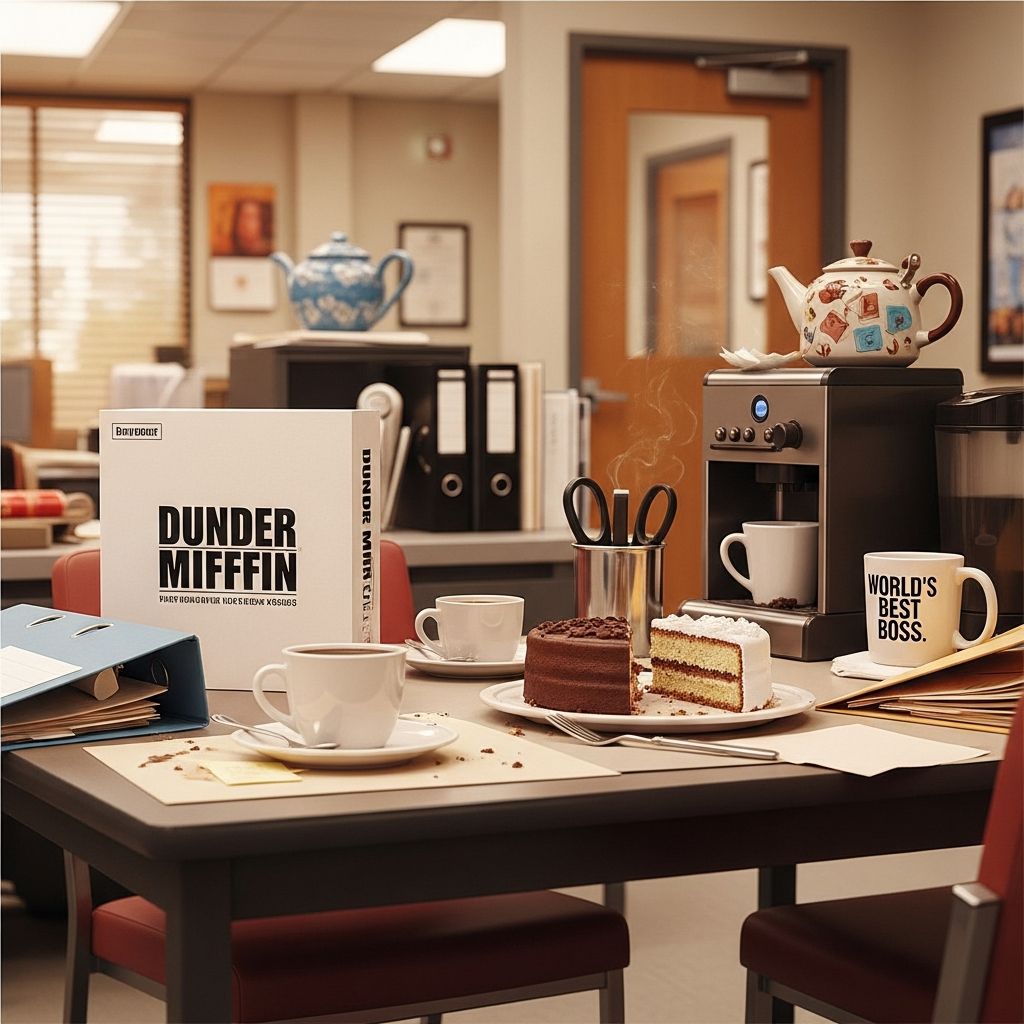
The American version of The Office, adapted by Greg Daniels from the original UK series, premiered in 2005 and ran for nine seasons on NBC. Framed as a mockumentary about employees at the Scranton branch of paper company Dunder Mifflin, the show slowly built an audience on broadcast and then exploded in popularity on streaming platforms in the late 2010s.
By 2020, viewers in the United States had streamed the series for tens of billions of minutes, making it one of the most-watched acquired shows of that year. That massive rewatch culture helped turn jokes and lines into everyday phrases, transforming the script into a common reference pool for millions of people.
- Relatable setting: A mundane office makes even absurd lines feel grounded.
- Mockumentary style: The camera feels like another character, amplifying reactions and quotability.
- Character-driven jokes: Quotes feel tied to personalities, not just punchlines.
Why “The Office” Is So Quote-Friendly
Many sitcoms are funny, but not all are endlessly quotable. Several creative decisions behind The Office helped turn its dialogue into repeatable, sharable lines.
1. The Mockumentary Format Rewards Short, Punchy Reactions
The show refined the mockumentary style for mainstream American TV, using talking-head interviews, handheld cameras, and characters looking directly into the lens. These design choices naturally create short, self-contained lines that work both in context and on their own.
- Reaction shots encourage brief, memorable comments instead of long, complex speeches.
- Confessional interviews distill complex feelings into one-liners meant for the camera.
- Awkward silences make even simple phrases stand out because they land in a moment of tension.
2. Characters as Exaggerated Archetypes
Each character in The Office is a heightened version of someone viewers recognize from real life: the over-eager assistant, the disengaged salesperson, the exhausted HR rep, the chaotic boss. Their lines feel like catchphrases for those archetypes, and once a character’s voice is clear, almost anything they say can feel quotable.
Because the show leans into caricature without fully abandoning humanity, the quotes often sit on the edge between cartoonish and uncomfortably real, which makes them especially memorable.
3. Cringe Comedy That Lives in the Pause
The series is known for “cringe comedy,” where humor comes from discomfort, social misfires, and boundary-pushing behavior rather than tidy set-ups and punchlines. In this style, a single awkward phrase or poorly timed joke can define an entire scene—and stick in viewers’ heads for years.
- Inappropriate jokes: Many infamous lines originated from characters saying exactly the wrong thing in a professional setting.
- Social blind spots: When bosses or coworkers misread the room, the resulting quotes become cautionary memes.
- Repeated bits: Ongoing jokes, callbacks, and running gags help embed certain phrases into fan culture.
Categories of Quotes Fans Keep Repeating
Not all memorable lines serve the same purpose. Some are pure absurdity; others are surprisingly heartfelt. Looking at quotes by type helps explain why they keep circulating.
| Quote Type | What Makes It Stick | Where Fans Use It |
|---|---|---|
| Catchphrases & running jokes | Short, repeatable, tied closely to a character | Memes, casual banter, reaction GIFs |
| Workplace satire | Reflect real office frustrations in exaggerated form | Slack messages, emails, office posters |
| Romantic & heartfelt lines | Capture sincere emotion amid chaos | Wedding speeches, social media captions |
| Cringe & boundary-pushing jokes | Uncomfortable but unforgettable | Debates about HR, sensitivity, and comedy |
| Life lessons & reflections | Offer genuine insight about work and identity | Graduation posts, career reflections, think pieces |
How “The Office” Quotes Reflect Real Workplaces
Even at its most absurd, the show draws heavily from recognizable workplace dynamics. Academic and cultural commentary often highlight how it exposes the frustrations and oddities of white-collar life while still remaining affectionate toward its characters.
Office Politics and Corporate Nonsense
The fictional Dunder Mifflin faces mergers, new ownership, budget cuts, and constant threats of downsizing—exactly the kinds of pressures many workers recognize. The way characters joke about performance reviews, sales quotas, and HR policies gives fans ready-made lines to use when navigating their own bureaucracies.
- Jargon mockery: Quotes often twist corporate buzzwords into nonsense, turning frustration into humor.
- Middle management chaos: Lines from bumbling leaders mirror anxiety about real-world managerial incompetence.
- Survival humor: Characters use jokes to cope with boredom and lack of control—just like many employees do.
Problematic Behavior as Satire
While some quotes are beloved, others are infamous for highlighting behavior that would be unacceptable in a real office: offensive jokes, harassment, or reckless stunts. Commentators have noted that the fictional workplace would likely face constant HR issues or legal trouble if its events were real.
This tension is part of the show’s ongoing relevance. It provides a lens to discuss:
- How far is too far for workplace humor?
- What should HR protect employees from?
- Why do some viewers find certain lines nostalgic while others see them as dated or harmful?
From TV Script to Internet Meme
The Office arrived just as online video, GIFs, and social media were reshaping how people shared entertainment. Its distinct visual style—shocked reaction faces, prolonged stares into the camera, and chaotic group scenes—translated perfectly into short clips.
Why Quotes From “The Office” Dominate Online Culture
- Visual clarity: Simple backgrounds, plain wardrobes, and clear facial expressions make screenshots and GIFs easy to read.
- Emotion range: Characters cover cringe, joy, anger, and resignation in exaggerated but recognizable ways.
- Context flexibility: Many lines are generic enough to apply to everything from school to relationships.
- Binge-watching: Heavy streaming means fans encounter and re-encounter the same quotes, reinforcing familiarity.
Major entertainment outlets have credited the series with supplying some of the internet’s most enduring memes and reaction images, keeping its quotes visible for new audiences long after the original broadcast ended.
Heartfelt Quotes: More Than Just Jokes
Although The Office is remembered for chaos and cringe, some of its most frequently cited lines are surprisingly tender. Critics often point to the show’s blend of humor and emotional drama as a key reason for its longevity.
Moments involving long-running relationships, career changes, and goodbyes give the show a depth that supports more serious quote-sharing. Fans use these lines during life milestones—graduations, weddings, job transitions—because they capture bittersweet feelings about change, routine, and growing up.
- Reflections on ordinary days feeling special in hindsight.
- Statements about found family in the workplace.
- Farewell lines that frame leaving a job as both loss and possibility.
How “The Office” Changed TV Comedy—and Its Quotability
Scholars and critics often list The Office among the sitcoms that changed American television by breaking from the studio-audience, multi-camera format and embracing a more grounded, observational style. Its success helped make the mockumentary approach popular across a new generation of shows.
Influence on Later Mockumentaries
Later series about schools, government, and workplaces borrowed the to-the-camera interviews, handheld camerawork, and dry, observational humor that The Office helped popularize. Many of them share similar quote patterns:
- Embarrassed asides directly to the viewer.
- Short, sharp lines commenting on chaotic group scenes.
- Earnest speeches puncturing the cynicism of their settings.
Because of this influence, some of The Office’s most familiar quote formats—mock-heroic monologues, painfully honest confessions, deadpan corporate sarcasm—now feel like the language of modern workplace comedy in general, not just of one show.
Using “The Office” Quotes in Real Life (Without Being That Coworker)
Quoting a favorite line can bond people quickly—“You watch that show too?”—but it can also become a crutch if every reaction is borrowed from TV. A little strategy keeps the references fun instead of exhausting.
Smart Ways to Reference the Show
- Match the audience: Use deeper-cut lines with fellow superfans and more obvious ones sparingly with casual viewers.
- Read the room: Avoid quotes that punch down, especially ones that parody offensive or discriminatory behavior.
- Blend old with new: Pair a quote with your own commentary so it feels like a reference, not a script reading.
- Keep work professional: In real offices, steer clear of lines that would trigger HR if they weren’t fictional.
Why We Reach for These Lines
People often quote The Office to do emotional work indirectly—express annoyance, affection, or anxiety through humor. Borrowed lines can soften criticism, signal shared experience, or simply make a boring moment more entertaining. That function mirrors what the characters themselves do: joke their way through monotony and discomfort.
Frequently Asked Questions (FAQs)
Why did “The Office” become so popular on streaming years after it ended?
The relatable workplace setting, bingeable half-hour format, and mockumentary style made it ideal for rewatching. As streaming services pushed the show to large new audiences, quotes, reaction GIFs, and memes spread widely online, turning older episodes into fresh cultural currency.
Are all the famous quotes from the American version of “The Office”?
Most widely shared lines come from the American adaptation, which ran longer and reached a larger global audience, but the original UK version also contributed memorable dialogue and helped establish the mockumentary tone that later quotes built upon.
How did the mockumentary format affect the show’s dialogue?
The documentary conceit encouraged short, direct comments to the camera, making many lines feel like standalone punchlines or confessions. This structure naturally creates quotable moments that still make sense when removed from their original scenes.
Is it okay to copy the show’s office behavior as a joke at work?
Many scenes deliberately exaggerate toxic or inappropriate behavior for satire, and workplace experts note that a real company that tolerated such conduct could face cultural and legal problems. Referencing the show is usually harmless, but imitating its most outrageous actions is risky and unprofessional.
Why do some people find older quotes from the show uncomfortable today?
Cultural norms about workplace conduct, discrimination, and harassment have shifted, and lines that were framed as edgy jokes can now highlight real harm. This tension has inspired renewed discussion about what kinds of humor belong in professional settings and how satire is understood over time.
References
- The relevance of “The Office” in today’s world — The Suffolk Journal. 2021-02-16. https://thesuffolkjournal.com/32830/ac/the-relevance-of-the-office-in-todays-world/
- Shows that Shape Us: The Office — Dordt University. 2021-03-31. https://www.dordt.edu/in-all-things/shows-that-shape-us-the-office
- How The Office Redefined the Mockumentary Format For Modern Television — Den of Geek. 2022-03-24. https://www.denofgeek.com/tv/the-office-redefined-mockumentary-format-modern-television/
- Five Ways The Office Changed TV Forever — Rotten Tomatoes. 2020-03-25. https://editorial.rottentomatoes.com/article/five-ways-the-office-changed-tv-forever/
- The History of the Beloved Show, “The Office” — ASU Prep Digital. 2020-10-05. https://www.asuprepdigital.org/student_blog/the-history-of-the-beloved-show-the-office/
- “The Office” and the Digital Age — Hobart and William Smith Colleges. 2020-10-08. https://www.hws.edu/news/current/the-office-and-the-digital-age.aspx