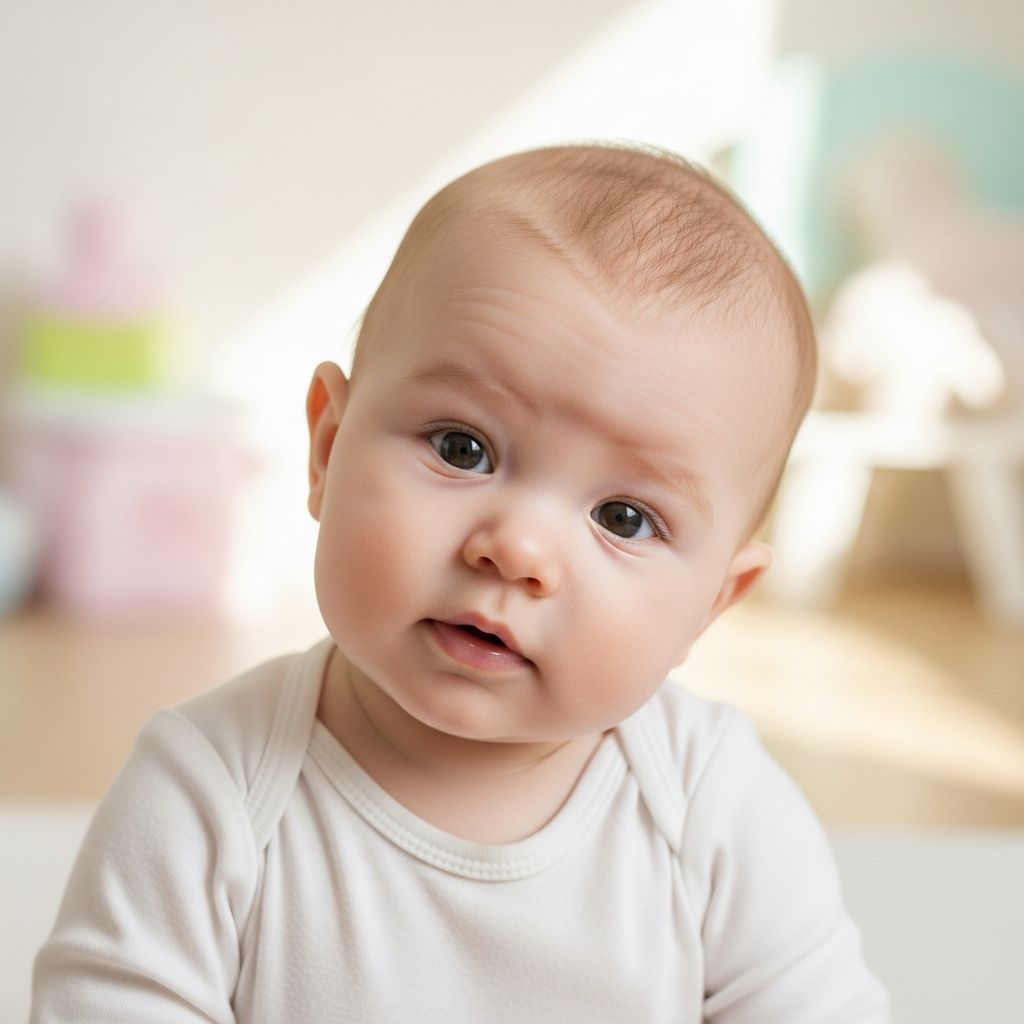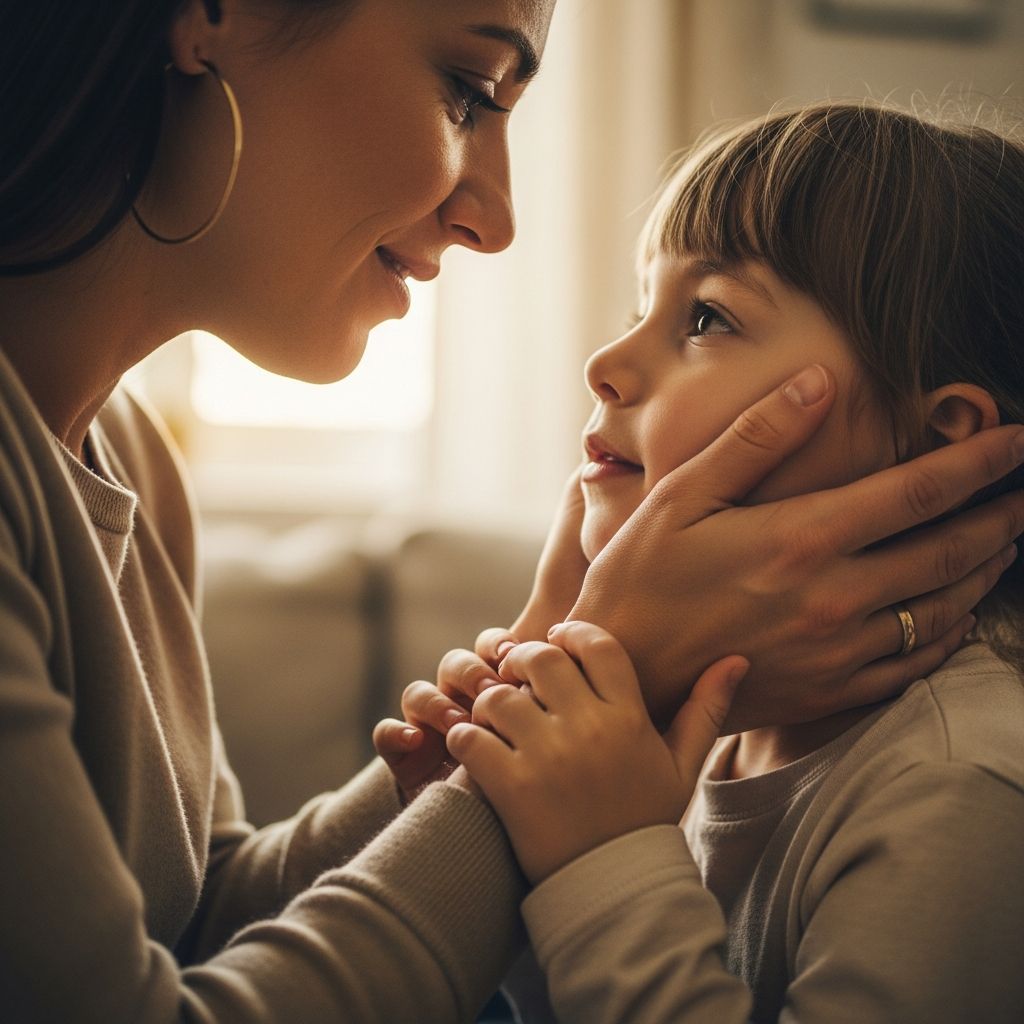
Every time a parent calls their child by name, they’re doing more than getting attention—they’re sending a quiet message about who that child is and how they belong. While some parents stick to the legal name, many lean on nicknames, terms of endearment, or casual labels like “buddy,” “sweetie,” or “kiddo.” These words seem small, but they carry weight: they shape how a child feels seen, how they see themselves, and how they expect to be treated in the world. Choosing what to call a child isn’t just about convenience; it’s a small but powerful act of parenting that can either deepen connection or, over time, create subtle distance.
More Than Just a Name
A child’s name is one of the first things they learn about themselves, and the way adults use it shapes their sense of identity from the start. When a parent consistently uses a warm, personal nickname—something that feels unique to that child—it reinforces the idea that they are known and valued as an individual, not just as a role (like “the baby” or “the oldest”). On the other hand, generic labels like “buddy” or “pal” can unintentionally send the opposite message: that the child is interchangeable, more like a friendly acquaintance than a deeply loved person.
Research in child development shows that children internalize the language used around them, especially by caregivers. When a child hears affectionate, specific terms (“my brave explorer,” “my little thinker”), they begin to associate those qualities with themselves. Over time, this can build a stronger, more positive self-concept. In contrast, overly casual or impersonal terms can make a child feel like they’re not fully seen, which may contribute to insecurity or a sense that love is conditional on behavior rather than inherent worth.
When ‘Buddy’ Isn’t So Friendly
The nickname “buddy” is a common example of a term that seems harmless but can carry mixed signals. In everyday speech, “buddy” is often used with strangers or in mildly confrontational situations (“Hey buddy, you can’t park here”). When a parent uses it with their child, it can blur the line between affection and casual address, making the child wonder whether they’re being treated as a close family member or just another person in the room.
Psychologically, this matters because children are highly attuned to tone and context. A child who is regularly called “buddy” may start to associate that word with being corrected or dismissed, especially if it’s used mostly during instructions or mild scolding. Over time, they might interpret it as a sign that their parent doesn’t fully engage with them as a unique person, which can subtly erode their sense of emotional security and belonging.
What Makes a Good Nickname?
A meaningful nickname usually has three qualities: it’s personal, it’s positive, and it grows with the child. Personal nicknames often come from a child’s real name (like “Lily” becoming “Lilypad” or “Leo” turning into “Leo the Lion”), a special trait (“Sunshine” for a cheerful child), or a shared family moment (“Puddle Jumper” after a rainy day adventure). These names feel intentional and loving, not like a default label pulled from a list of generic options.
- Personal connection: The nickname reflects something true about the child, not just a random cute word.
- Positive tone: It carries warmth and respect, not sarcasm or distance.
- Flexibility: It can evolve as the child grows, so it doesn’t feel childish or embarrassing in later years.
Good nicknames also tend to be used in balance with the child’s real name. That balance helps the child feel both loved and respected as an individual with their own identity, not just as a role in the family.
Common Nickname Pitfalls
Even well-meaning parents can fall into patterns that weaken connection rather than strengthen it. Some of the most common pitfalls include:
- Overusing generic terms: Words like “buddy,” “pal,” “kiddo,” or “sweetie” can feel impersonal if they’re the only way a child is addressed, especially if they’re used mostly during commands or corrections.
- Using nicknames that highlight flaws: Calling a child “Mr. Messy” or “Grumpy Gus” can reinforce negative self-perceptions, especially if the child hears it often and in a teasing or critical tone.
- Sticking to babyish names too long: Names like “baby” or “little one” can feel comforting at first, but if they’re not gradually balanced with more mature language, they may make a child feel infantilized as they grow older.
- Ignoring the child’s preference: Some children love their nickname; others find it embarrassing or annoying. Paying attention to how the child responds (do they smile, cringe, or ignore it?) is key to knowing whether a nickname is truly working.
How Nicknames Shape Family Culture
The way a family talks to its children sets the tone for how everyone relates to each other. Families that use warm, specific nicknames often develop a culture of closeness and inside jokes, where each member feels like they have a special place. In contrast, families that rely heavily on impersonal or functional language (like “Hey, kid” or “You there”) may unintentionally create more distance, even if love is present in other ways.
Over time, these patterns influence how children expect to be treated in relationships outside the family. A child who grows up hearing respectful, affectionate language is more likely to expect that same tone from friends, teachers, and partners. On the other hand, a child who is used to being addressed in a casual or dismissive way may struggle to recognize when others are being disrespectful or when they deserve better treatment.
Building a Healthier Way of Addressing Your Child
Shifting from generic labels to more meaningful ways of calling a child doesn’t require a dramatic overhaul. Small, consistent changes can make a big difference:
- Use the child’s real name more often: This grounds interactions in respect and helps the child feel seen as a whole person.
- Create or choose a personal nickname together: Ask the child what they’d like to be called, or brainstorm a few options that reflect their personality or interests.
- Match the tone to the moment: Use warm, playful nicknames during relaxed times, and more neutral language during corrections or serious conversations.
- Check in as the child grows: Ask older children and teens how they feel about their nickname and whether they’d like to keep it, change it, or drop it altogether.
When to Keep a Nickname (and When to Let It Go)
Some nicknames become cherished family traditions, while others lose their charm as a child matures. A good rule of thumb is to ask:
- Does the nickname still feel like a term of endearment, or has it started to feel like a label?
- Does the child smile or lean into it, or do they avoid it, roll their eyes, or ask to be called by their real name?
- Does the nickname still fit who the child is now, or does it only reflect an earlier stage of life?
If a nickname no longer fits or feels uncomfortable, it’s okay to phase it out gently. The goal isn’t to cling to a cute name, but to maintain a relationship where the child feels respected and known at every age.
Practical Alternatives to Generic Labels
Parents who want to move away from terms like “buddy” or “sweetie” can experiment with alternatives that feel more personal and warm. Some ideas include:
- Name-based nicknames: Shortened forms, rhyming versions, or playful twists on the real name (e.g., “Ella” → “Ellabell,” “Noah” → “Noah Bear”).
- Personality-based nicknames: Names that highlight strengths or quirks in a positive way (e.g., “Captain Curious,” “Little Dreamer,” “Our Sunshine”).
- Role-based terms with warmth: Instead of “buddy,” try “partner,” “co-pilot,” or “my teammate” when working together on a task.
- Simple terms of endearment: Words like “love,” “darling,” “sweetheart,” or “my dear” can feel more intimate and less generic than “buddy” or “pal.”
FAQs
Is it okay to call my child “buddy” sometimes?
Occasional use of “buddy” is unlikely to cause harm, especially if it’s balanced with more personal language and the child doesn’t seem bothered by it. The concern arises when it becomes the primary or only way a child is addressed, particularly in a tone that feels casual or dismissive.
What if my child likes being called “buddy”?
If the child genuinely enjoys the nickname and it’s used in a warm, playful way, it can be fine to keep using it. The key is to also use their real name and other personal terms so they don’t feel reduced to a generic label.
How do I know if a nickname is hurting my child’s self-esteem?
Signs that a nickname might be problematic include the child avoiding it, asking to be called something else, seeming embarrassed when others use it, or associating it with negative experiences (like frequent scolding). If in doubt, a simple conversation (“How do you feel about that name?”) can provide valuable insight.
Can nicknames affect how my child behaves?
Yes, nicknames can subtly influence behavior by shaping self-perception. A child called “my brave explorer” may be more likely to take healthy risks, while one repeatedly labeled “Mr. Messy” might start to see messiness as an unchangeable trait. Using positive, growth-oriented nicknames can support healthier habits and attitudes.
Should I stop using babyish nicknames as my child gets older?
It’s wise to gradually shift away from very babyish nicknames as a child matures, especially if they express discomfort. Keeping a few lighthearted, age-appropriate nicknames while also using the child’s real name helps them feel both loved and respected as they grow.