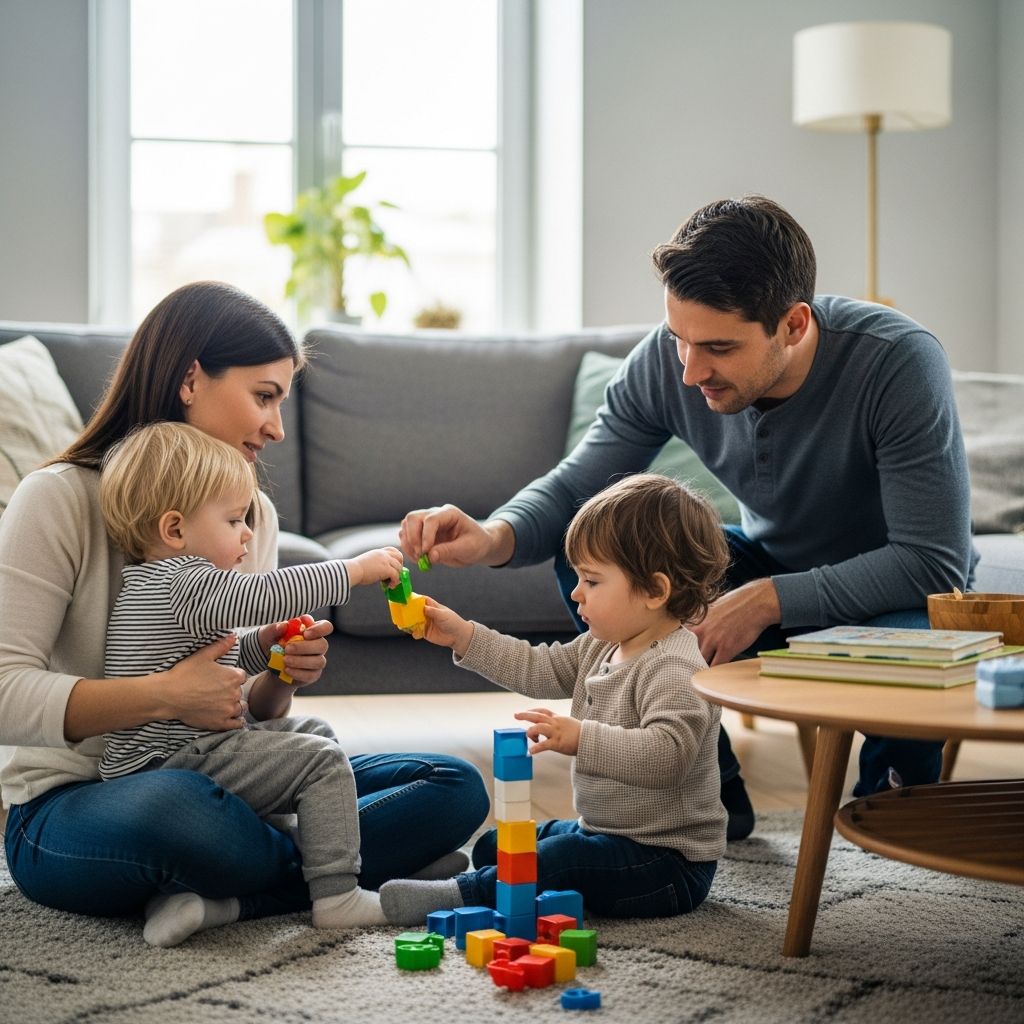
What Is Toddler Favoritism?
Toddler favoritism refers to the tendency of young children to show a strong preference for one parent or caregiver over another. This behavior is a normal part of early childhood development and is often rooted in attachment, routine, and familiarity rather than a reflection of love or affection. Toddlers may insist on being comforted, fed, or played with by only one parent, sometimes rejecting the other parent’s attempts to engage or help.
Why Toddlers Develop Preferences
- Toddlers form hierarchies of attachment, instinctively gravitating toward the caregiver they see most often and feel safest with.
- Consistency in routines and daily interactions makes one parent more predictable and comforting to the child.
- Personality compatibility and shared interests can also influence a toddler’s preference.
- Asserting independence is another reason; toddlers may use favoritism as a way to exercise control over their environment.
How Favoritism Affects Family Dynamics
When a toddler consistently favors one parent, it can create tension within the family. The non-preferred parent may feel hurt, excluded, or even question their parenting abilities. Siblings may also experience jealousy or resentment if they perceive unequal attention or affection.
Impact on Parents
- Feelings of rejection or inadequacy are common among non-preferred parents.
- Partners may experience strain if one feels consistently shut out by the child.
- Resentment can build if parents do not communicate openly about their feelings.
Impact on Siblings
- Siblings may feel overlooked or less valued, leading to jealousy and rivalry.
- Long-term, this can affect sibling relationships and self-esteem.
Strategies for Managing Toddler Favoritism
1. Normalize the Behavior
Recognize that toddler favoritism is a temporary phase and not a reflection of your parenting skills or your child’s love for you. Most children outgrow this preference as they mature and experience more varied interactions with both parents.
2. Foster Positive Interactions
- Encourage the non-preferred parent to spend quality time with the toddler, focusing on fun, low-pressure activities.
- Let the child lead the interaction, allowing them to set the pace and choose activities.
- Be patient and consistent; building trust takes time.
3. Maintain Open Communication
- Discuss feelings with your partner and avoid blaming or resenting each other.
- Share observations and strategies to support each other in building stronger bonds with your child.
4. Avoid Comparisons and Competition
- Do not compare siblings or pit them against each other for attention.
- Focus on celebrating each child’s unique strengths and interests.
5. Rotate Special Privileges
- Ensure all children have opportunities to enjoy special time with each parent.
- Rotate bedtime routines, outings, or other bonding activities to promote fairness.
When to Seek Support
If favoritism leads to persistent family conflict, emotional distress, or significant changes in behavior, consider seeking guidance from a pediatrician or child development specialist. Professional support can help families navigate complex emotions and develop effective strategies for fostering healthy relationships.
FAQs About Toddler Favoritism
Is it normal for toddlers to prefer one parent?
Yes, it is very common for toddlers to show a preference for one parent, especially if that parent is more involved in their daily routines or provides more consistent care.
How long does toddler favoritism last?
Most children outgrow this phase as they develop more independence and experience varied interactions with both parents. It typically resolves by the preschool years.
Can favoritism affect sibling relationships?
Yes, if not addressed, favoritism can lead to jealousy, resentment, and long-term emotional distance between siblings.
What should I do if my child refuses to accept care from me?
Be patient and consistent. Focus on building trust through positive, low-pressure interactions. Avoid forcing the issue, and seek support if needed.
How can I help my child feel secure with both parents?
Encourage equal involvement from both parents in daily routines, rotate special activities, and maintain open communication about each child’s needs and feelings.
Key Takeaways
| Aspect | Key Insight |
|---|---|
| Causes | Attachment, routine, personality, and independence |
| Impact | Parental feelings, sibling dynamics, self-esteem |
| Strategies | Normalize, foster positive interactions, communicate, avoid comparisons, rotate privileges |
| When to Seek Help | Persistent conflict, emotional distress, behavioral changes |
Understanding and addressing toddler favoritism is essential for nurturing healthy family relationships. By recognizing the underlying causes and implementing supportive strategies, parents can help their children feel secure, valued, and connected to all caregivers.