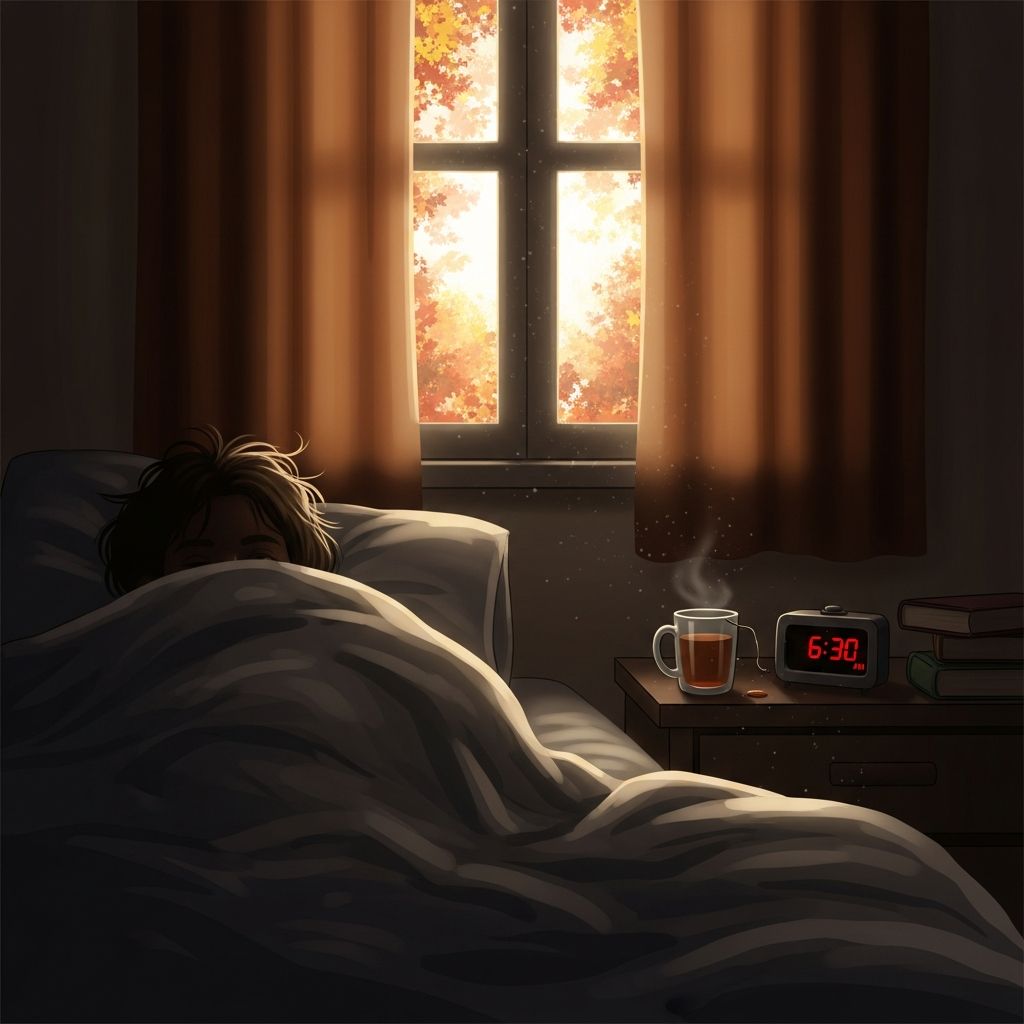
Teenagers often face heightened difficulty waking up early during the fall season, primarily due to a natural shift in their circadian rhythms triggered by puberty, compounded by shorter days, school schedule changes, and environmental factors. This phenomenon leads to chronic sleep deprivation, impacting academic performance, mood, and health.
The Biology of Teenage Sleep Shifts
During adolescence, the body’s internal clock undergoes a significant transformation. Puberty causes a delay in the production of melatonin, the hormone that signals sleepiness, pushing the natural bedtime and wake time later by about two hours compared to pre-pubertal children. Before puberty, bodies typically signal sleep around 8-9 PM, but this shifts to 10-11 PM or later in teens.
This sleep phase delay is a normal developmental process, not mere laziness or poor habits. Teens’ brains release melatonin later at night, making it harder to fall asleep early while still requiring 8-10 hours of sleep nightly. When forced to wake early for school, they accumulate sleep debt, leading to grogginess and difficulty rising.
Research shows this delay is universal across mammals and humans, driven by changes in homeostatic sleep drive—teens build sleep pressure more slowly—and a postponed circadian phase. Even with fixed wake times, teens maintain later bedtimes, exacerbating the mismatch.
Fall’s Unique Sleep Disruptors for Teens
Autumn amplifies these biological challenges. Days shorten, with earlier sunsets boosting melatonin production sooner, yet teens’ delayed clocks conflict with this, creating internal confusion. The end of Daylight Saving Time adds another layer: the clock rollback misaligns circadian rhythms, making evenings feel longer and mornings darker, harder for late chronotypes like most teens.
Back-to-school transitions demand earlier rises for buses and classes, clashing with teens’ natural 10 PM-7 AM sleep window. Over 45% of U.S. adolescents get insufficient sleep, largely from this incompatibility. Cooler fall nights can aid deeper sleep for some, but allergies from mold and ragweed often cause congestion, interrupting rest.
| Fall Factor | Effect on Teens | Solution Preview |
|---|---|---|
| Shorter days/earlier darkness | Earlier melatonin but delayed teen clock | Consistent light exposure |
| Daylight Saving Time end | Circadian misalignment | Gradual schedule adjustment |
| School start times | Forced early wakes | Sleep hygiene routines |
| Cooler temps & allergies | Potential deeper sleep or disruptions | Optimized bedroom environment |
Signs Your Teen Has a Circadian Rhythm Disorder
Not all teen sleep issues are simple phase delays; some develop full circadian rhythm sleep-wake disorders, common in this age group. Key indicators include:
- Struggling to sleep before midnight or 1 AM despite tiredness.
- Oversleeping on weekends (past noon), worsening Monday fatigue.
- Daytime sleepiness affecting school focus and sports.
- Peak alertness in late evenings, productivity at night.
- Mood changes or irritability from accumulated deprivation.
These patterns stem from puberty’s sexually differentiated effects—often more pronounced in boys—and persist even with enforced schedules.
Practical Strategies to Align Teen Sleep
Parents can help by fostering better sleep hygiene without confrontation. Start with a consistent schedule: aim for the same bedtime and wake time daily, even weekends, within a one-hour window to stabilize the circadian rhythm.
- Eliminate bedroom screens: Blue light from phones suppresses melatonin. Charge devices outside the room; use night modes if needed.
- Curate the sleep environment: Keep rooms cool (60-67°F), dark with blackout curtains, and quiet. Fall’s chill helps, but address allergies with air purifiers.
- Promote morning light: Expose teens to natural sunlight upon waking to advance their clock. Open curtains or short outdoor walks counteract fall darkness.
- Limit caffeine and naps: No caffeine after noon; discourage naps longer than 20 minutes to preserve night sleep drive.
- Wind-down rituals: Encourage reading, chamomile tea, or light stretching 1 hour before bed. Avoid heavy meals or exercise close to lights-out.
For severe cases, consult a sleep specialist. Cognitive behavioral therapy for insomnia (CBT-I) or chronotherapy—gradually shifting bedtimes—can realign rhythms.
Nutrition and Lifestyle Tweaks for Fall Rest
Diet influences sleep hormones. Incorporate tryptophan-rich foods like turkey, almonds, and bananas, which aid serotonin-to-melatonin conversion. Fall produce like pumpkin seeds provides magnesium for relaxation.
Regular exercise, ideally morning or afternoon, boosts sleep quality but avoid evenings. Mindfulness apps for guided meditation reduce anxiety-fueled late nights.
Long-Term Benefits of Better Teen Sleep
Prioritizing sleep yields measurable gains: improved grades, fewer mood disorders, better athletic performance, and reduced accident risk. Studies link adequate rest to stronger immunity, crucial amid fall illnesses.
Advocacy for later school starts (8:30 AM+) shows promise; where implemented, teen alertness rises dramatically.
Frequently Asked Questions (FAQs)
Why do teens stay up late even when tired?
Their circadian rhythm delays melatonin release until later, combined with slower sleep pressure buildup during wakefulness.
Does Daylight Saving Time hit teens harder?
Yes, the fall shift exacerbates their natural night-owl tendency, prolonging adjustment.
How much sleep do teens really need?
8-10 hours nightly; most get under 7 due to early school.
Can screens really keep teens awake?
Blue light mimics daylight, delaying melatonin by up to 3 hours. Remove them pre-bed.
What if my teen sleeps in on weekends?
It perpetuates the cycle; cap at 1-2 extra hours and maintain routines.
Monitoring Progress and When to Seek Help
Track sleep with journals or apps for 2 weeks post-changes. Improvements include easier mornings and sustained energy. Persistent issues—sleepiness impacting life—warrant pediatric evaluation for disorders like delayed sleep phase syndrome.
References
- Embracing Autumn: How the Fall Season Affects Sleep and Ways to Optimize Your Rest — Empower Sleep. 2023. https://www.empowersleep.com/articles/embracing-autumn-how-the-fall-season-affects-sleep-and-ways-to-optimize-your-rest
- Common Sleep Problems (for Teens) — Nemours KidsHealth. Accessed 2026. https://kidshealth.org/en/teens/sleep.html
- Sleep Problems in Teens — UCLA Health. Accessed 2026. https://www.uclahealth.org/medical-services/sleep-disorders/patient-resources/patient-education/sleep-and-teens
- Adolescent Changes in the Homeostatic and Circadian Regulation of Sleep — PMC (PubMed Central). 2009-12-01. https://pmc.ncbi.nlm.nih.gov/articles/PMC2820578/
- 10 Tips for Sleep Deprived Teens — Michigan Medicine. Accessed 2026. https://www.michiganmedicine.org/health-lab/10-tips-help-your-teen-sleep-better
- Sleep Disorders in Teens: Prep for Daylight Saving Time — Mass General Brigham. Accessed 2026. https://www.massgeneralbrigham.org/en/about/newsroom/articles/daylight-savings-impact-teens-sleep-schedule