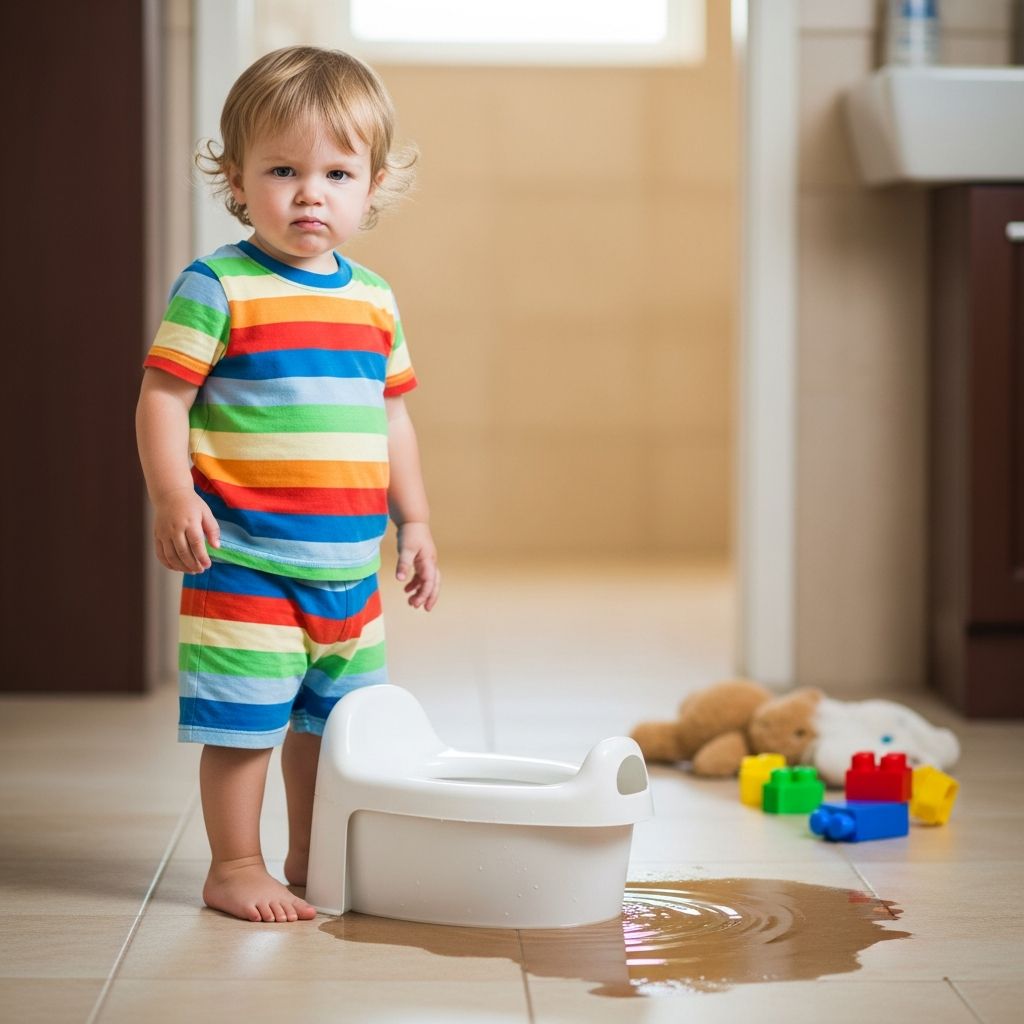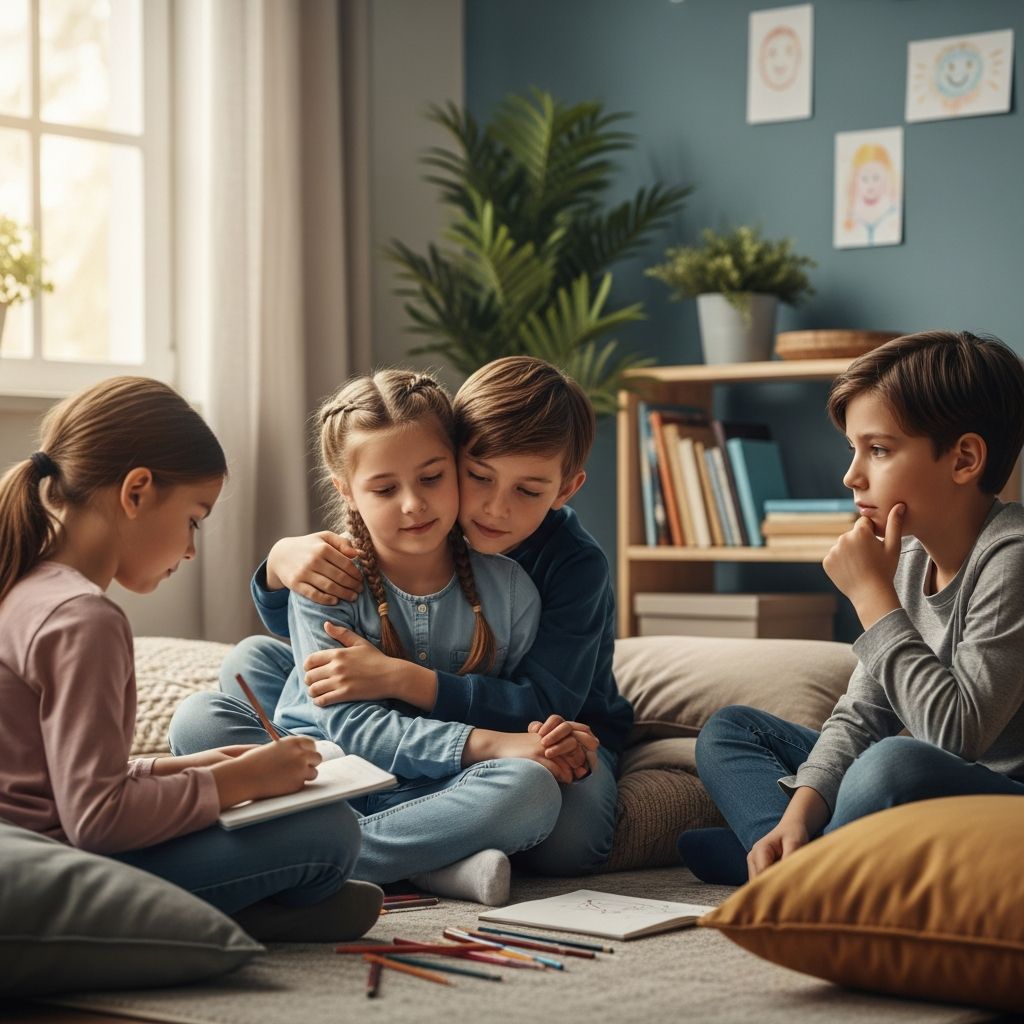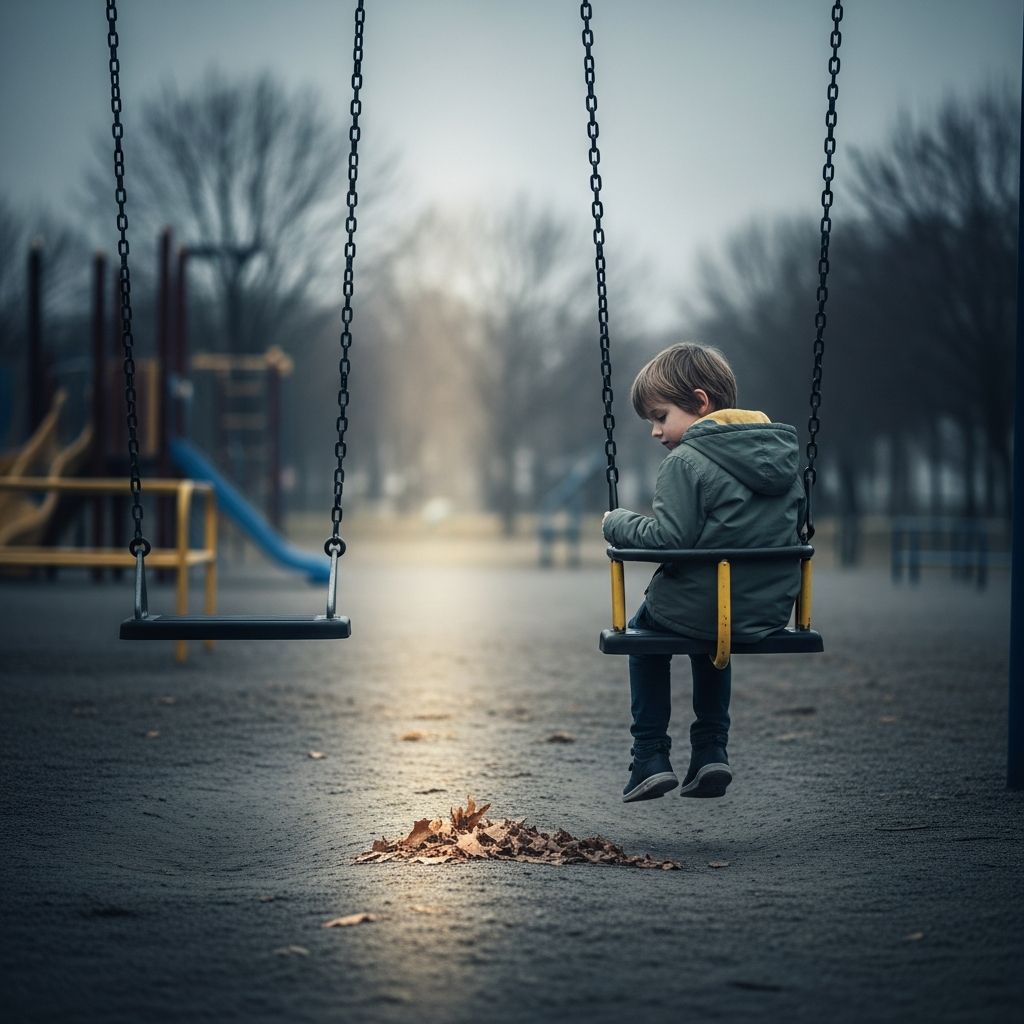
Young children who navigated their earliest years amid COVID-19 restrictions face unique hurdles in classrooms today. Educators widely attribute surges in emotional outbursts, social struggles, and attention deficits to the isolation and stress of that era. Yet, emerging research paints a nuanced picture, revealing both vulnerabilities and surprising strengths in these ‘pandemic kids.’ This article delves into the evidence, expert perspectives, and practical steps for fostering resilience.
Disrupted Foundations: Early Years Under Lockdown
The COVID-19 pandemic fundamentally altered the developmental landscape for infants and toddlers. With daycare closures, playground shutdowns, and limited family gatherings, children missed critical windows for peer interactions and unstructured play. These experiences are foundational for building social-emotional skills, such as sharing, empathy, and conflict resolution.
Medical research underscores the risks: chronic stress without supportive buffers heightens chances of emotional dysregulation, cognitive lags, and behavioral difficulties later on. A Columbia University study found pandemic-born babies lagging in gross motor, fine motor, and social-emotional milestones compared to pre-pandemic peers. Such gaps manifest today as heightened anxiety, aggression, or withdrawal in school settings.
Teacher Frontlines: Observing the Behavioral Shifts
Across U.S. schools, kindergarten and preschool teachers describe a stark change. Pre-pandemic, classrooms buzzed with cooperative play; now, many report frequent meltdowns, defiance, and difficulty transitioning between activities. These issues stem from forgone opportunities to practice self-regulation in group environments.
- Increased physical aggression, like hitting or pushing during play.
- Struggles with separation anxiety, even after years of readjustment.
- Reduced attention spans, exacerbated by elevated screen time during lockdowns.
- Social withdrawal, with some children avoiding eye contact or group participation.
These patterns align with reports from child development centers, where parents echo concerns about emotional intensity and communication barriers. The disruption hit hardest for low-income families, who faced compounded stressors like parental job loss and remote work demands.
Surprising Resilience: What Studies Reveal About Toddlers
Contrary to dire predictions, not all data signals crisis. A large-scale analysis from the ECHO program, involving 3,438 diverse toddlers, showed those assessed during the pandemic had fewer emotional and behavioral problems than pre-pandemic counterparts. Internalizing issues (anxiety, withdrawal) dropped by 1.5-2 points, and externalizing behaviors (aggression, hyperactivity) by 1.7-3.2 points on standardized checklists.
| Group | Internalizing Score Drop | Externalizing Score Drop |
|---|---|---|
| Pandemic-Assessed (Born Pre-Pandemic) | 1.5 points | 1.7 points |
| Pandemic-Born | 2 points | 3.2 points |
This resilience appeared strongest in families with lower maternal education, possibly due to fewer lifestyle upheavals and stable home routines like shared meals and playtime. Researchers from NYU Grossman School of Medicine note that consistent caregiving buffered stresses, suggesting protective family dynamics.
Nuanced Impacts: Not All Children Affected Equally
Findings vary by age, socioeconomic status, and exposure type. While toddlers showed gains, older ‘pandemic kids’ entering school now grapple with executive function delays from missed services and altered routines. In-utero exposure studies yield mixed results: some detect subtle brain differences, others find no lasting neurodevelopmental harm.
Disaster research, including past pandemics, flags elevated delay risks for ‘pandemic babies’ turning five, particularly in motor and cognitive domains. Yet, brain plasticity offers hope—early interventions can rewire pathways for attention, regulation, and social skills.
Family and School Factors Driving Outcomes
Resilience hinges on home environments. Stable routines mitigated distress, while high screen time and parental anxiety amplified issues. Lower-SES families sometimes fared better, facing less disruption from office closures, allowing more quality time. Conversely, higher-educated households reported greater stress from remote work and isolation.
In schools, teachers adapt with trauma-informed practices:
- Short, structured play breaks to rebuild social muscles.
- Mindfulness exercises for emotional check-ins.
- Parent workshops on consistent boundaries at home.
Long-Term Implications for Learning and Life
Untreated behavioral gaps threaten school readiness and future success. Poor social-emotional skills predict academic struggles and mental health risks. Five years post-peak pandemic, patterns persist: clinginess, fear responses, and executive dysfunction linger for some.
National academies urge addressing these via expanded early interventions, warning of lifelong echoes without action. Policymakers eye federal funds for play-based programs to counter COVID harms.
Practical Strategies for Parents and Educators
Empower children through targeted support. Parents can:
- Prioritize daily outdoor play to boost motor and social skills.
- Set screen limits, favoring interactive family activities.
- Model calm responses to tantrums, teaching emotional vocabulary.
- Seek evaluations for persistent issues via pediatricians.
Educators benefit from:
- Peer buddy systems for shy children.
- Sensory tools like fidget items for regulation.
- Collaborative parent-teacher logs tracking progress.
These steps leverage neuroplasticity, helping ‘COVID kids’ catch up.
Frequently Asked Questions
Why do pandemic-exposed kids struggle more in school?
They missed key social practice, leading to delays in self-regulation and peer skills. Structured interventions help bridge gaps.
Did all toddlers have worse outcomes during COVID?
No—many showed fewer behavioral issues, especially in stable homes, per large studies.
Can these effects be reversed?
Yes, through play, routines, and therapy. Brains remain adaptable into school age.
How can parents spot early signs?
Watch for extreme clinginess, meltdowns, or withdrawal. Early pediatric checks are key.
What role did family education play?
Lower-education families often reported stronger toddler outcomes, possibly from fewer disruptions.
References
- How Has COVID Impacted Infants & Toddlers’ Social Development? — First Five Years Fund. 2022-09. https://www.ffyf.org/resources/2022/09/how-has-covid-19-impacted-infants-and-toddlers-social-development/
- Study: COVID-19 may reduce behavioral problems in toddlers — News-Medical.net. 2025-09-11. https://www.news-medical.net/news/20250911/Toddlers-exposed-to-the-COVID-pandemic-show-fewer-behavioral-problems.aspx
- COVID-19 era toddlers had lower emotional, behavioral problems — Contemporary Pediatrics. N/A. https://www.contemporarypediatrics.com/view/covid-19-era-toddlers-had-lower-emotional-behavioral-problems
- The COVID Pandemic: How Are Our Kids Doing Five Years Later? — PracticeWise. N/A. https://welcome.practicewise.com/the-covid-pandemic-how-are-our-kids-doing-five-years-later/
- Helping COVID Kids Thrive: A Parent’s Guide for 2026 — Brain Balance Centers. N/A. https://www.brainbalancecenters.com/blog/helping-covid-kids-thrive-a-parents-guide-for-2026