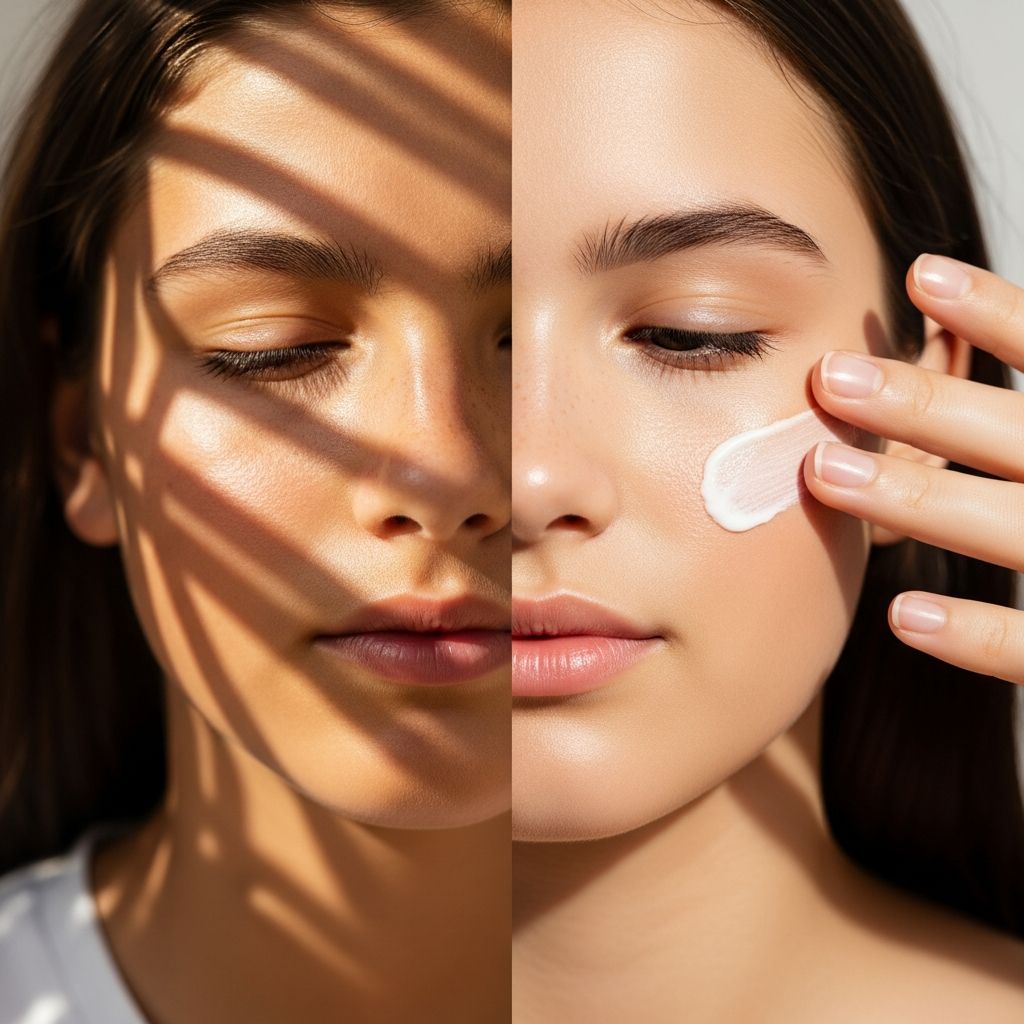
Many teens feel pressure to look more “glowy” or bronzed, especially before events, vacations, or summer break. But the truth is that any tan is a visible sign of skin damage, and that damage adds up over time.
Why Tanning Seems So Attractive
Social media, movies, and advertising often suggest that a tan looks healthy, sporty, or glamorous. When you see friends posting photos of beach days or talking about quick trips to a tanning salon before prom, staying pale can start to feel like a disadvantage.
Underneath that social pressure are a few common beliefs that keep tanning popular with teens:
- Thinking a tan makes acne, scars, or uneven skin tone less noticeable.
- Believing bronzed skin looks thinner, fitter, or more confident.
- Assuming “everyone does it,” so it must be safe if it were truly dangerous.
- Hearing myths like “a base tan will protect me from sunburn.”
These ideas are powerful, but they do not match what doctors know about how ultraviolet (UV) radiation actually affects skin cells.
How Tanning Really Works Inside Your Skin
To understand why tanning is risky, it helps to know what is happening under the surface. UV radiation from the sun or tanning lamps hits your skin and damages the DNA inside skin cells. Your body responds by making more melanin, the pigment that darkens the skin.
In other words, a tan is not your skin “getting healthier” or “glowing.” It is your skin trying to protect itself from damage it has already received. Over years, repeated damage can overwhelm your body’s repair systems.
- UVB rays are more closely linked to sunburns and direct DNA damage.
- UVA rays penetrate more deeply, contributing heavily to premature aging and skin cancers.
- Both types of rays can come from the sun and from tanning beds, even on cloudy days or indoors.
Myths About “Safe” or “Base” Tans
One of the most common misunderstandings is the idea of a “base tan” as protection before a vacation or sports season. A lightly tanned look may reduce how quickly you notice redness, but it does not prevent deeper cellular damage from UV radiation.
Compared to using a broad-spectrum sunscreen, a tan offers only minimal natural protection. Relying on skin color instead of real sun protection products can lead to longer unprotected exposure and more harm over time.
Common Tanning Myths vs Facts
| Myth | What Actually Happens |
|---|---|
| “A tan prevents sunburn.” | A tan only provides very weak protection and does not stop ongoing DNA damage to skin cells. |
| “Indoor tanning is safer than the sun.” | Tanning beds deliver intense UV radiation that can be as strong or stronger than midday summer sun. |
| “Young skin can handle it.” | Damage done in your teens increases your lifetime risk of skin cancer and early aging. |
| “I never burn, so I’m safe.” | Even if your skin tans easily, the UV rays still damage DNA and elastic fibers. |
Short-Term Side Effects Teens Often Ignore
Some consequences of tanning show up quickly, but people often brush them off as “no big deal.” These early warning signs are your skin’s way of signaling that it is being pushed too far.
- Sunburns: Redness, pain, blistering, and peeling mean your skin cells have been seriously injured.
- Heat rash: Itchy or prickly bumps can appear when sweat and heat get trapped during long periods outdoors.
- Dryness and irritation: Overexposed skin often becomes rough, tight, or flaky, especially after repeated tanning sessions.
- Worsening of skin conditions: Certain problems, like melasma or post-acne marks, can darken with UV exposure.
These issues might clear up in days or weeks, but the deeper damage they represent does not completely disappear.
Long-Term Damage: What You May Not See Yet
The most serious harm from tanning often does not show up until years later. Because the changes progress slowly, it can be tempting to assume nothing bad is happening. In reality, each unprotected tanning session adds to your total UV dose.
Major long-term effects include:
- Skin cancer: Repeated UV damage can lead to uncontrolled growth of abnormal cells, including melanoma and other skin cancers.
- Premature aging: Fine lines, wrinkles, sagging, and uneven skin tone can appear earlier than they otherwise would.
- Sun spots and discoloration: Dark patches and spots may become permanent features on the face, chest, and hands.
- Eye damage: Unprotected eyes and eyelids can suffer from cataracts, growths on the eye surface, and other problems.
Why Teens Face Higher Risk
Choosing to tan during your teenage years affects the rest of your life, because your skin is still developing. UV exposure during this window has an outsized impact on future health and appearance.
Key reasons teens are especially vulnerable include:
- More years ahead: Damage now has decades to turn into wrinkles, spots, and skin cancers.
- Sensitive, growing skin: Younger skin can burn more quickly and may retain damage longer.
- Stronger social pressure: Wanting to fit in can make it hard to say no to group tanning or salon visits.
- Habit formation: Starting indoor tanning in high school makes it more likely you will continue as an adult.
Indoor Tanning: Why Salons Are Not a Safe Shortcut
Indoor tanning studios often promote controlled timing, “filtered” light, or special bulbs as reasons their services are safe. In reality, these devices are designed to deliver large amounts of UVA and UVB radiation directly to your skin in a short period.
Some important facts about tanning beds and booths:
- They can expose you to concentrated UV levels similar to or greater than midday summer sun.
- Short, frequent sessions add up quickly, increasing your total lifetime exposure.
- Using goggles is essential but does not protect the rest of your face, lips, or neck.
- Many health organizations and experts strongly discourage indoor tanning for anyone, especially people under 18.
But I Just Want to Look Good: Safer Alternatives
Wanting to feel confident in your appearance is completely normal. The key is finding ways to get the look you like without trading away your long-term health. Fortunately, there are several options that give a bronzed look without UV damage.
Non-UV Options for a Bronzed Look
- Self-tanning lotions and mousses: These products temporarily darken the outermost skin cells and wash off gradually over days.
- Spray tans: Professionally applied mists can create even color without UV exposure when performed correctly.
- Bronzing makeup: Powders, gels, and sticks can be used on the face and body for a glow that removes easily.
- Body shimmer and highlighting lotions: Light-reflecting products make skin look radiant without changing its actual color.
These choices still require some care, like testing for allergies and following directions, but they do not damage your DNA the way sunlight and tanning beds do.
Daily Habits for Protecting Your Skin
Good skin habits do more than prevent painful burns. They help your skin stay clearer, smoother, and healthier for the long haul. Many of them fit easily into a regular morning routine.
Essential Sun-Smart Steps
- Apply a broad-spectrum sunscreen with an SPF recommended by your healthcare provider to all exposed skin every day.
- Reapply sunscreen every couple of hours when outdoors, and after swimming or heavy sweating.
- Choose clothing with more coverage, like long sleeves, longer shorts, and tightly woven fabrics when in strong sun.
- Wear a wide-brimmed hat and UV-blocking sunglasses whenever possible.
- Seek shade during the middle of the day when the sun is strongest.
- Use lip balm with SPF to protect the thin, delicate skin on your lips.
Talking With Friends and Family About Tanning
It can be hard to say no when friends invite you to tan together or when relatives encourage “getting some color” before an event. Having a plan for how to respond makes it easier to stick to your decision.
Some strategies that can help:
- Suggest alternatives like a group spray tan or a makeup session instead of a salon bed.
- Share that you are focused on protecting your skin because you want to avoid early wrinkles and spots.
- Ask a parent or trusted adult to help back you up if a salon or friend pressures you.
- Remember that plenty of athletes, celebrities, and influencers embrace their natural skin tone.
When to See a Doctor About Your Skin
Even if you have tanned in the past, you can still lower your risk by changing your habits now. It is also smart to get familiar with how your skin normally looks so that new or changing spots stand out.
Talk with a healthcare provider or dermatologist if you notice:
- A new mole, freckle, or spot that appears suddenly or looks different from your other marks.
- Changes in size, shape, or color of an existing mole.
- A sore that does not heal, or a patch that is scaly, crusted, or bleeds easily.
- Dark streaks or lines under a nail that were not there before.
Catching problems early often makes them easier to treat and can prevent more serious consequences.
Quick Skin-Safe Checklist for Teens
If you want a simple way to remember the basics, use this checklist whenever you are getting ready for a day outside or before a big event.
- Skip tanning beds and intentional sunbathing.
- Use sunscreen on all exposed skin, including ears, neck, and the tops of feet.
- Pack a hat, sunglasses, and a cover-up or extra shirt.
- Plan shade breaks during outdoor activities.
- Choose self-tanner, bronzer, or makeup instead of UV exposure if you want extra color.
FAQs About Teens and Tanning
Is any amount of tanning completely safe?
There is no level of intentional tanning that is completely risk-free, because a tan itself means your skin has been injured by UV radiation. The safest approach is to avoid tanning on purpose and focus on protecting your natural skin tone.
What if I only use a tanning bed a few times a year?
Even occasional indoor tanning adds to your total UV exposure and can contribute to long-term damage. Each session is another dose of radiation that your skin has to repair, so it is best to avoid tanning beds altogether.
Does sunscreen stop me from getting enough vitamin D?
Most people can get adequate vitamin D through a combination of diet, limited casual sun exposure, and supplements if recommended by a healthcare provider. Protecting your skin from intense, deliberate UV exposure does not mean you will automatically be deficient.
Can darker skin tones tan safely?
People with darker skin still experience UV damage, even if they rarely burn. While darker skin has more natural melanin, it can still develop sun-related aging, discoloration, and skin cancers, so protection is important for every skin tone.
Is self-tanner bad for my skin?
When used as directed, self-tanning products are generally considered a much safer option than UV tanning. If you have sensitive skin or allergies, test a small area first and follow the instructions on the label.
Choosing healthy habits in your teen years can protect your appearance and your health far into the future. Saying no to tanning today is one of the most powerful gifts you can give your future self.