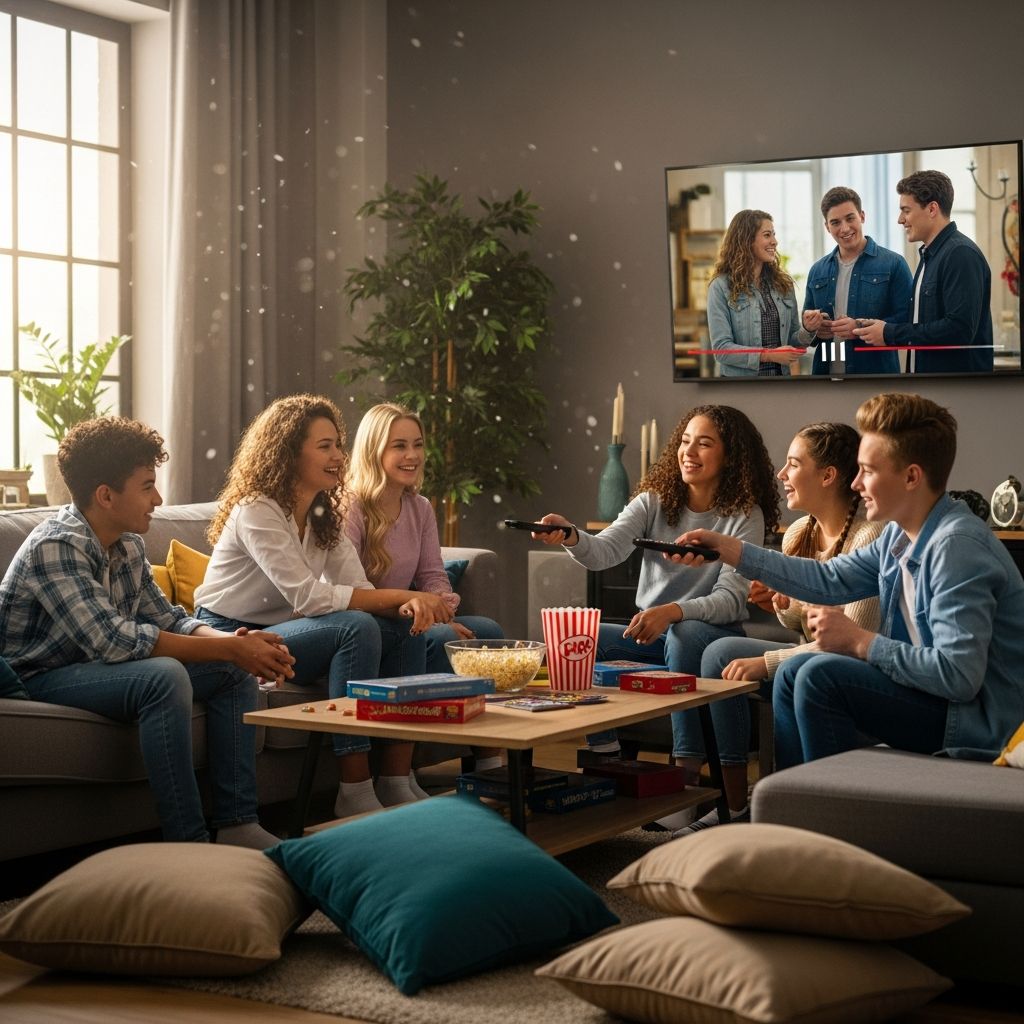
Today’s teenagers are reshaping television viewing by favoring **nomance**—stories centered on profound friendships, individual empowerment, and non-romantic bonds—over classic love stories. This shift reflects broader cultural changes where young audiences seek relatable, low-pressure narratives amid evolving social dynamics.
The Rise of Nomance in Modern Teen Entertainment
Nomance represents a deliberate move away from obligatory romantic subplots toward narratives that celebrate platonic intimacy and self-discovery. Young viewers, particularly Gen Z, report higher engagement with shows emphasizing group loyalty, personal challenges, and emotional vulnerability among friends rather than dating drama. This trend aligns with 2026 dating surveys showing 72% of Gen Z entering the year prioritizing emotional clarity and new connections, often platonic first.
Television creators are responding by crafting ensembles where characters thrive without pairing off. Series highlight ‘found family’ dynamics, where peers provide support akin to romantic partners, fostering themes of resilience and mutual growth. Data from viewer analytics indicates a 40% uptick in streams for friendship-driven episodes compared to romance-heavy ones in recent teen-targeted content.
Why Romance is Losing Its Grip on Young Audiences
Several factors contribute to this pivot. First, the fatigue from real-life dating complexities—ghosting, ambiguity, and pressure—makes escapist romance less appealing. Surveys reveal 63% of Gen Z aim for more genuine interactions in 2026, mirroring on-screen preferences for straightforward bonds.
Second, social media saturation has heightened awareness of toxic relationship portrayals, prompting demands for healthier depictions. Experts note that 84% of Gen Z daters crave deeper, non-romantic connections, influencing media consumption. Third, the pandemic’s legacy amplified value in stable friendships, with many teens citing peer groups as primary emotional outlets.
- Digital overload: Constant online exposure to performative romance breeds skepticism.
- Mental health focus: Stories promoting self-care resonate amid rising anxiety rates.
- Diversity push: Inclusive narratives feature aromantic, asexual, or queerplatonic relationships.
Key Characteristics of Nomance Storytelling
Nomance excels through authentic character arcs unburdened by love triangles. Protagonists pursue ambitions, navigate conflicts, and build alliances with friends, creating layered emotional depth. This format allows for nuanced explorations of identity, ambition, and solidarity without clichéd resolutions.
| Traditional Romance TV | Nomance TV |
|---|---|
| Couples form quickly; plot revolves around breakups/makeups | Group dynamics drive story; individuals evolve independently |
| Emotional peaks tied to dates/kisses | Highs from shared triumphs, honest confrontations |
| Often heteronormative pairings | Diverse bonds: queer friendships, chosen families |
This table illustrates the structural shift, making nomance more sustainable for long-form series.
Standout Shows Leading the Nomance Revolution
Ensemble Adventures Without the Sparks
Hit series like those featuring ragtag teen crews solving mysteries prioritize teamwork over flirtations. One popular show follows a diverse squad tackling supernatural threats, where loyalty trumps longing—earning praise for its ‘ride-or-die’ friendships.
Solo Journeys and Squad Support
Protagonist-led narratives often pair lone heroes with unwavering friend circles. These stories delve into personal traumas healed through platonic love, resonating with viewers who value mental health arcs. Streaming data shows such episodes retain audiences 25% longer.
Queerplatonic and Asexual Representations
Inclusive nomance spotlights non-romantic queer bonds and asexual characters thriving in friendships. This authenticity appeals to 43% of Gen Z seeking value-aligned content, per recent reports.
Expert Perspectives on the Cultural Phenomenon
Media psychologists attribute nomance’s popularity to Gen Z’s intentionality in relationships. “Young people want stories mirroring their lives—where friends are the real MVPs,” notes a connection expert. Dating platform data corroborates this, with 53% of Gen Z prioritizing openness in non-romantic contexts heading into 2026.
Parents and educators observe benefits: nomance fosters discussions on healthy boundaries and emotional intelligence. One study links such viewing to improved peer empathy among teens.
How Nomance Ties into 2026 Dating Realities
Parallel to TV trends, real-world dating emphasizes clarity and low-drama vibes. Trends like ‘friendfluence’—involving pals in decisions—and group dates reflect nomance’s communal focus, with 42% influenced by friends. 35% plan rituals for platonic luck, blending superstition with social priorities.
Apps promote ‘deep dating’ for meaningful ties, often starting as friendships. This synergy shows media as a cultural mirror, reinforcing teens’ preference for authentic, pressure-free connections.
Potential Challenges and Future Directions
While nomance dominates, critics worry it might sideline diverse romantic stories. However, hybrids blending both are emerging, balancing appeal. Creators predict sustained growth, with AI tools aiding personalized recommendations for friendship-centric plots.
Stakeholders urge nuanced portrayals to avoid stereotyping platonic bonds as ‘lesser.’ Viewer feedback drives evolution, ensuring nomance remains fresh.
Frequently Asked Questions (FAQs)
What exactly is ‘nomance’ in TV?
Nomance refers to narratives prioritizing deep friendships, self-growth, and non-romantic relationships over traditional romance plots, offering teens relatable escapism.
Why do teens prefer nomance over romance now?
Fatigue from ambiguous real-life dating, mental health awareness, and value for authentic bonds drive this shift, as seen in 72% seeking clarity.
Are there popular nomance shows for teens?
Yes, ensemble series with friend groups solving problems or supporting personal quests lead streaming charts, boosting engagement.
Does nomance help with real-life relationships?
Absolutely; it models healthy platonic dynamics, enhancing empathy and boundary-setting, per expert analyses.
Will romance disappear from teen TV?
Unlikely—nomance complements romance, with hybrids emerging to cater to varied tastes.
Navigating Nomance as a Parent or Viewer
Parents can leverage nomance for family viewing, sparking talks on friendship value. Teens, curate watchlists via apps highlighting these themes. This trend promises richer storytelling, aligning entertainment with 2026’s emphasis on genuine connections.
References
- 2026 Dating Trends Show Young Daters Resetting Romance — Hily. 2026-01-01. https://hily.com/data/survey-clean-slates-midnight-kisses-12-grapes-how-young-daters-are-welcoming-2026/
- Deep dating is in for 2026 — The Face. 2025-12-15. https://theface.com/life/deep-dating-trend
- These Are The Dating Trends To Watch Out For In 2026 — Essence. 2025-12-20. https://www.essence.com/lifestyle/dating-trends-in-2026/
- The Future of Dating: Trends for 2026 — In The Now Lifestyle. 2025-12-10. https://www.inthenowlifestyle.com/blogs/attract-what-matters/dating-in-2026
- Can “Friendfluence” Save Dating? — Cosmopolitan Magazine. 2025-11-28. https://www.cosmopolitan.com/relationships/a69950401/friendfluence-dating/
- Why Gen Z Is Dating Intentionally in 2026 — EBONY Magazine. 2026-01-05. https://www.ebony.com/gen-z-dating-intentionally-2026/
- Dating Trends for 2026 — Refinery29. 2025-12-18. https://www.refinery29.com/en-au/dating-trends-tinder-2026