Instilling good manners in children goes beyond mere politeness; it equips them with essential life skills that foster respect, empathy, and confidence, paving the way for thriving personal and professional lives.
The Foundational Role of Manners in Child Growth
Good manners serve as the bedrock for a child’s social and emotional development. From toddlerhood onward, learning to navigate interactions politely builds self-awareness and consideration for others. Children who master these skills early on tend to form stronger relationships, perform better in school, and adapt more easily to diverse environments.
Research highlights that polite behavior correlates with higher emotional intelligence. Kids who regularly use words like ‘please’ and ‘thank you’ develop a deeper sense of gratitude, shifting their mindset from entitlement to appreciation. This foundation helps them view themselves as contributors rather than mere recipients in social exchanges.
Long-Term Advantages of Early Manners Training
Teaching manners yields benefits that extend far into adulthood. Polite children are often remembered positively by teachers, peers, and family, creating lasting impressions that open doors to opportunities. In educational settings, students with strong social graces excel academically because they collaborate effectively and handle conflicts gracefully.
- Enhanced Confidence: Mastering etiquette boosts self-esteem, making children more willing to engage in group activities and express themselves.
- Better Peer Relationships: Manners facilitate friendships by promoting empathy and reducing misunderstandings.
- Professional Edge: Habits formed young translate to workplace success, where courtesy is a key differentiator.
In classrooms, integrating manners education addresses gaps where home environments fall short, ensuring all children gain these vital tools.
How Parents Can Lead by Example
The most effective way to teach manners is through consistent modeling. Children imitate parental behavior instinctively, absorbing phrases and actions observed daily. Parents who incorporate ‘please’ and ‘thank you’ in routine interactions—whether with family, strangers, or service staff—normalize politeness effortlessly.
Start simple: Use courteous language during meals, outings, and conversations. This repetition embeds habits without formal lessons. Positive reinforcement, like praising specific polite acts, further solidifies learning.
| Daily Scenario | Parent Model | Child Outcome |
|---|---|---|
| Family Dinner | “Please pass the vegetables, thank you.” | Learns table etiquette and gratitude. |
| Store Visit | “Thank you for your help.” to clerk | Observes respect for service workers. |
| Playdate | Apologizing for interruptions | Practices empathy in social play. |
Age-Appropriate Strategies for Manners Education
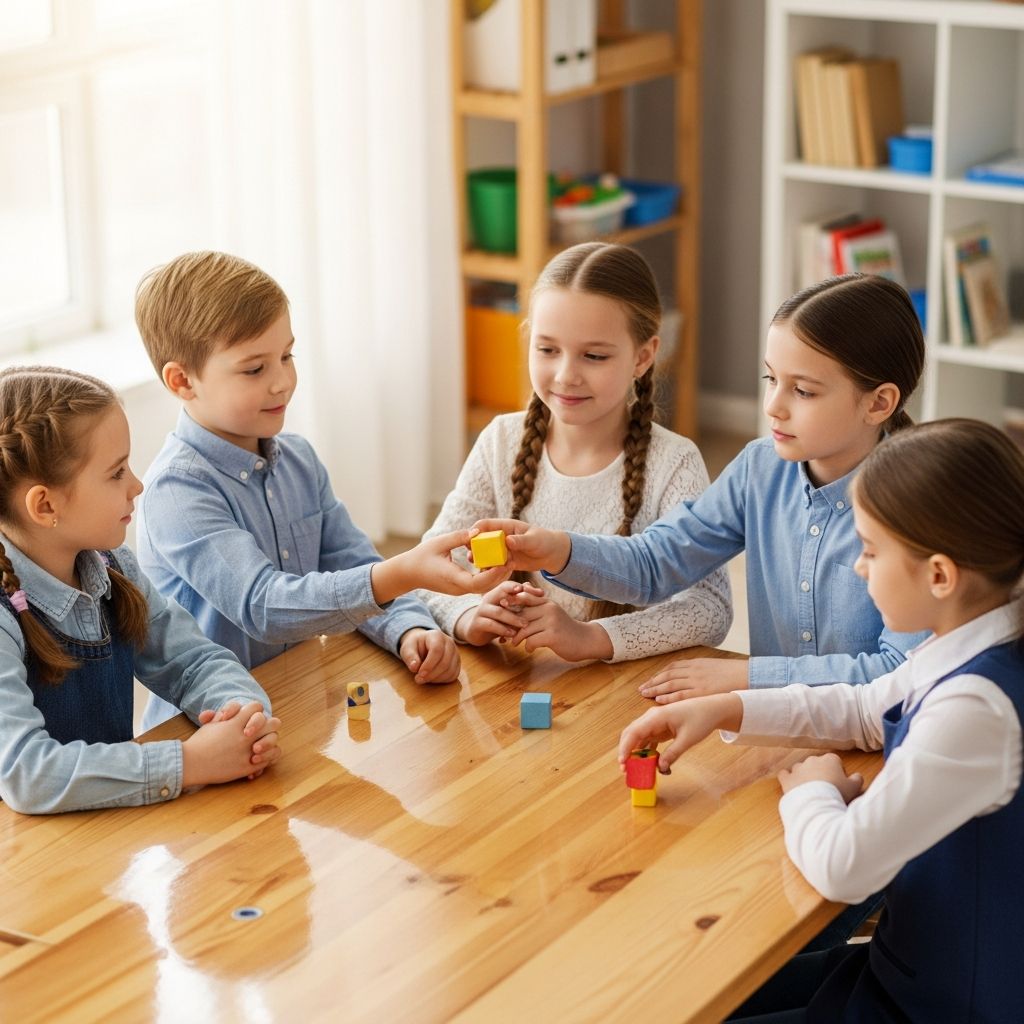
Begin as early as 18 months with basic phrases, even if full comprehension isn’t there yet. Toddlers respond to modeling during meals, like requesting items politely. By preschool age, introduce concepts like sharing and waiting turns through role-play.
For school-aged kids, expand to situational etiquette: greeting adults properly, listening without interrupting, and writing thank-you notes. Role-playing real-life scenarios, such as dining out or attending events, prepares them for diverse settings.
- Infants/Toddlers (0-2 years): Repeat polite words frequently; use gestures for reinforcement.
- Preschoolers (3-5 years): Practice during play; reward small successes.
- School Age (6+ years): Discuss ‘why’ behind manners; involve in family rules.
Consistency across family members ensures messages align, preventing confusion.
Classroom Integration: A Shared Responsibility
Educators play a pivotal role, especially for children lacking home reinforcement. A structured manners curriculum enhances classroom dynamics, teaching skills like conversation starters and table manners during lunch. This not only improves behavior but also academic focus by minimizing disruptions.
Benefits include reduced loneliness through better peer interactions and increased confidence in group work. Teachers who model and explicitly teach these skills create environments where all students succeed socially.
Cultivating Empathy and Gratitude
Manners training inherently builds empathy. Recognizing others’ efforts prompts children to express thanks genuinely, fostering emotional connections. This counters self-centered tendencies, promoting a worldview of mutual respect.
Activities like gratitude journals or family sharing circles reinforce these traits. Children learn that politeness signals care, making interactions more positive and fulfilling.
Overcoming Common Challenges in Teaching Manners
Resistance is normal, especially in excited or tired moments. Address it patiently: Explain the impact of rudeness, like hurting feelings, without shaming. If siblings model poor behavior, intervene collectively to reset standards.
For digital ages, extend lessons to online etiquette—kind comments, no interrupting in video calls. This prepares kids for modern social landscapes.
Frequently Asked Questions (FAQs)
What age should manners training begin?
Start at 18 months with simple words like ‘please’; full lessons ramp up by age 3.
Do manners really impact academic success?
Yes, polite students collaborate better, leading to improved grades and engagement.
How can busy parents fit in manners lessons?
Incorporate into daily routines like meals and errands through modeling—no extra time needed.
What if my child forgets manners in public?
Gently remind and role-play later; consistency builds habits over time.
Are manners culturally universal?
Core principles like respect transcend cultures, though specifics vary—teach adaptability.
Building a Polite Family Culture
Create family pacts outlining manners expectations, displayed visibly. Celebrate weekly ‘politeness wins’ to motivate. This communal approach makes learning fun and ingrained.
Extend to community involvement: Volunteering teaches real-world courtesy applications, reinforcing lessons experientially.
In summary, prioritizing manners investment yields dividends in confident, empathetic children ready for life’s challenges. Parents and educators partnering ensures comprehensive growth.
References
- Teaching Children Manners — The Center for Parenting Education. 2023-05-15. https://centerforparentingeducation.org/library-of-articles/baby-through-preschool-articles/teaching-children-manners/
- How Does a Manners Curriculum Benefit a Classroom? — Manners To Go. 2024-02-10. https://www.mannerstogo.com/blog/manners-curriculum
- Social Skills Kids Need to Succeed — National Education Association (NEA). 2023-11-20. https://www.nea.org/professional-excellence/student-engagement/tools-tips/social-skills-kids-need-succeed
- Why Teaching Your Child Manners is So Important — Steadfast Academy. 2024-01-05. https://steadfastacademy.com/teaching-your-child-manners-speaks-volumes/
- The Importance of Good Manners — Headspace. 2023-08-12. https://www.headspace.com/articles/the-importance-of-good-manners