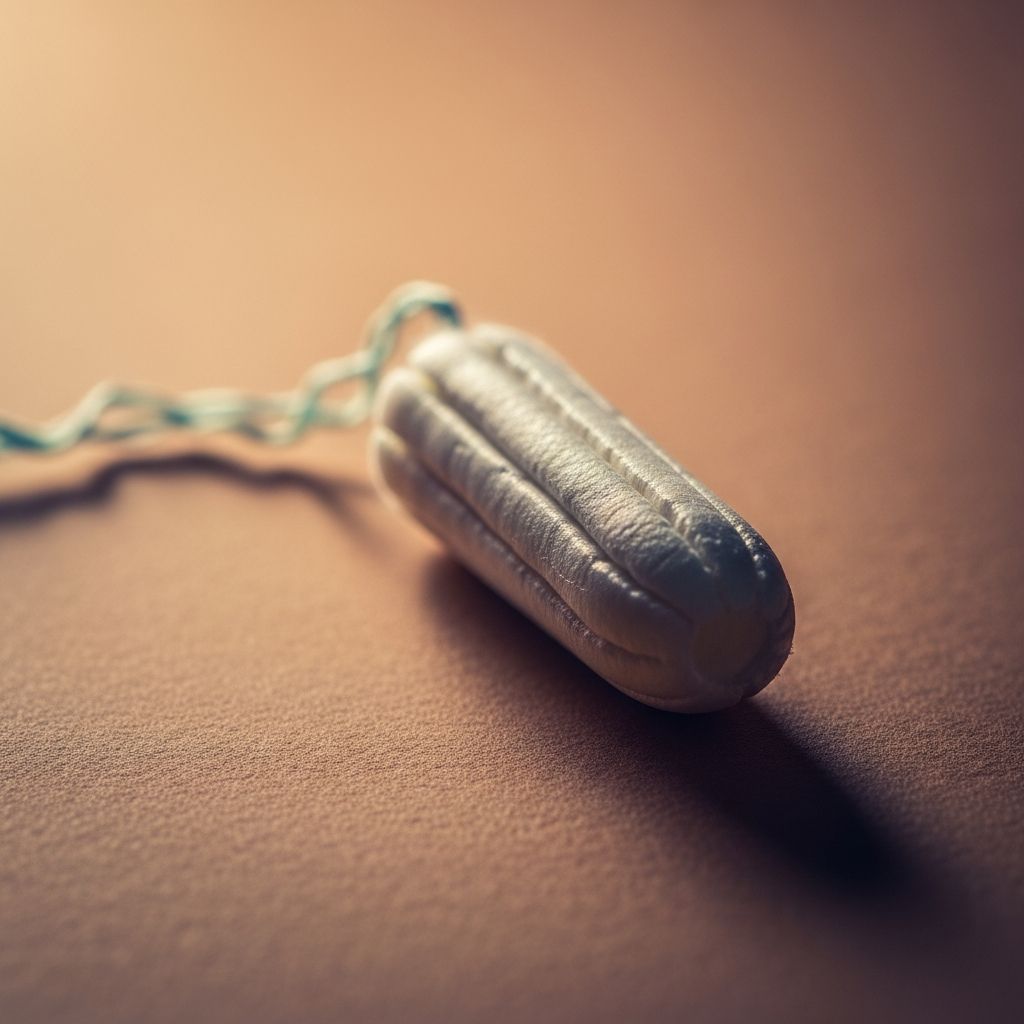
When using tampons becomes painful, it can turn a normal part of menstruation into a stressful experience. Many people assume this discomfort is just part of the process, but in reality, tampons should never cause pain if inserted correctly. This comprehensive guide explores the reasons behind vaginal or abdominal ache during tampon use, from simple mistakes to underlying medical conditions. We’ll break down practical steps for proper insertion, highlight serious health concerns like endometriosis and vaginismus, discuss toxic shock syndrome (TSS) prevention, and suggest alternative menstrual products. Whether you’re new to tampons or facing ongoing issues, understanding these factors empowers you to manage your cycle comfortably and confidently.
Understanding Normal vs. Problematic Tampon Sensations
A properly placed tampon sits comfortably in the vagina without any sensation. You shouldn’t feel it during daily activities like walking, sitting, or exercising. If there’s sharpness at the entrance, deep abdominal cramping, or ongoing pressure, something is off. These sensations often signal either user error or a deeper issue. For instance, entry pain might stem from tension or dryness, while internal cramps could indicate inflammation elsewhere in the pelvis. Recognizing the difference is the first step toward relief.
Everyday Reasons for Insertion Challenges
Several non-medical factors contribute to tampon discomfort, especially for beginners. Here’s a closer look:
- Not being aroused or lubricated enough: The vagina naturally lubricates during arousal, easing insertion. During menstruation, blood provides some slip, but dryness from low hormones or dehydration can make tissues fragile. Applying a water-based lubricant can help without risking infection.
- Poor posture or positioning: Standing with one leg elevated or squatting relaxes pelvic muscles. Rushing while tense often leads to awkward angles and pain.
- Incorrect size or absorbency: Starting with too large a tampon causes resistance. Beginners should use light absorbency and upgrade only as flow increases.
- Anxiety from past attempts: Fear tenses pelvic floor muscles, creating a cycle of tightness known as secondary vaginismus.
To overcome these, practice relaxation techniques like deep breathing before trying again. Over time, familiarity reduces anxiety.
| Flow Level | Recommended Absorbency | Change Frequency |
|---|---|---|
| Light | Regular or Light | Every 6-8 hours |
| Medium | Regular | Every 4-6 hours |
| Heavy | Super or Super Plus | Every 4 hours max |
This table helps match tampons to your flow, minimizing overflow and discomfort.
Medical Conditions Linked to Tampon Pain
When everyday fixes don’t help, medical issues may be at play. These conditions inflame or tighten pelvic tissues, making tampon use painful.
Endometriosis: A Common Culprit
Endometriosis involves tissue similar to the uterine lining growing outside the uterus, causing inflammation and scarring. This can lead to deep pelvic pain during tampon insertion or wear, often feeling like abdominal cramps rather than surface irritation. Adhesions between the rectum and vagina exacerbate removal pain. Other signs include heavy periods, backaches, and pain with bowel movements. Importantly, tampon discomfort doesn’t correlate with disease severity—mild cases can still hurt. Treatments range from hormonal birth control to surgery; avoiding tampons during flares is wise.
Vaginismus and Pelvic Floor Tension
Vaginismus causes involuntary vaginal muscle spasms, blocking insertion. Primary vaginismus affects first-timers due to anxiety, while secondary follows trauma or conditions like infections. Pelvic floor dysfunction adds chronic tightness, pressing on the tampon path. Physical therapy with dilators and biofeedback often resolves this effectively.
Infections and Vulvodynia
Yeast infections or bacterial vaginosis swell vaginal tissues, heightening sensitivity. Vulvodynia brings chronic vulvar pain without clear cause. Inserting anything aggravates these, so treat infections first.
Mastering Proper Tampon Insertion Techniques
Correct method prevents most pain. Follow these steps:
- Wash hands thoroughly.
- Unwrap tampon, keep applicator straight.
- Sit or stand with knees apart, relax with deep breaths.
- Hold applicator at thicker end, aim toward lower back at a 45-degree angle.
- Gently push until resistance-free, then slide plunger.
- Withdraw applicator; string should remain outside.
If it hurts, stop—don’t force. Try smaller sizes or pads temporarily. Practice with lubricant if dry.
The Serious Risk: Toxic Shock Syndrome (TSS)
TSS is a rare bacterial infection linked to prolonged tampon use. Staphylococcus bacteria thrive in stagnant blood, producing toxins that cause sudden illness. Teens aged 13-19 face higher risk with super-absorbent tampons left over 8 hours.
Symptoms strike fast:
- Sudden high fever (102°F+)
- Vomiting, diarrhea
- Muscle aches, sunburn-like rash
- Dizziness, confusion, reduced urination
At peak on day 4 of periods, micro-tears from insertion aid bacterial entry. Prevention: Use lowest absorbency needed, change every 4-6 hours (sooner on heavy days), alternate with pads overnight, and remove immediately if symptoms appear—seek ER care.
Alternatives to Tampons for Comfort
If pain persists, switch products:
- Menstrual pads: External, no insertion needed; great for light flows or sensitivities.
- Menstrual cups: Reusable silicone, but require insertion—practice needed; fold options ease entry.
- Period underwear: Absorbent layers mimic underwear; ideal for daily or backup use.
- Discs or sea sponges: Soft, natural options for some.
Test during light flows. Many find cups pain-free post-adjustment.
When to Consult a Healthcare Professional
Seek help if pain continues despite technique tweaks, accompanies heavy bleeding, unusual discharge, fever, or lasts beyond periods. A gynecologist can diagnose via exam, ultrasound, or laparoscopy for endometriosis. Early intervention prevents worsening. Track symptoms in a journal: pain timing, severity, flow details aid diagnosis.
Frequently Asked Questions (FAQs)
Is tampon pain always a sign of something serious?
No, often it’s technique or anxiety, but persistent pain warrants checking for conditions like vaginismus or endometriosis.
Can tampons cause endometriosis?
No, tampons don’t cause endometriosis; the pain arises from existing inflammation.
Does TSS only happen with tampons?
Mostly, but also from wounds or cups if hygiene lapses.
How do I know if my tampon is in correctly?
You shouldn’t feel it; no bulging or leakage after 30 minutes signals proper placement.
Are organic tampons safer?
All FDA-regulated tampons meet safety standards; focus on usage habits over brand.
References
- Endometriosis and tampon pain: What to know — Medical News Today. 2023-05-15. https://www.medicalnewstoday.com/articles/endometriosis-tampon-pain
- When Your Tampon Won’t Go In, What’s Going on? — VuVaTech. 2022-11-10. https://www.vuvatech.com/blogs/care/tampon-wont-go-in
- Why Does it Hurt to Put a Tampon in? — Flora Physical Therapy. 2024-03-20. https://www.floraphysicaltherapy.com/blog/why-does-it-hurt-to-put-a-tampon-in
- Toxic shock syndrome — NHS. 2025-01-10. https://www.nhs.uk/conditions/toxic-shock-syndrome/
- Toxic Shock Syndrome (for Teens) — Nemours KidsHealth. 2024-08-05. https://kidshealth.org/en/teens/tss.html
- How To Insert A Tampon | Teens — Colorado Women’s Health. 2023-07-12. https://obgyn.coloradowomenshealth.com/health-info/teens/how-to-insert-tampon
- Toxic Shock Syndrome: What women need to know — Texas Children’s Hospital. 2023-09-18. https://www.texaschildrens.org/content/wellness/toxic-shock-syndrome-what-women-need-know
- The Facts on Tampons—and How to Use Them Safely — FDA. 2024-06-22. https://www.fda.gov/consumers/consumer-updates/facts-tampons-and-how-use-them-safely