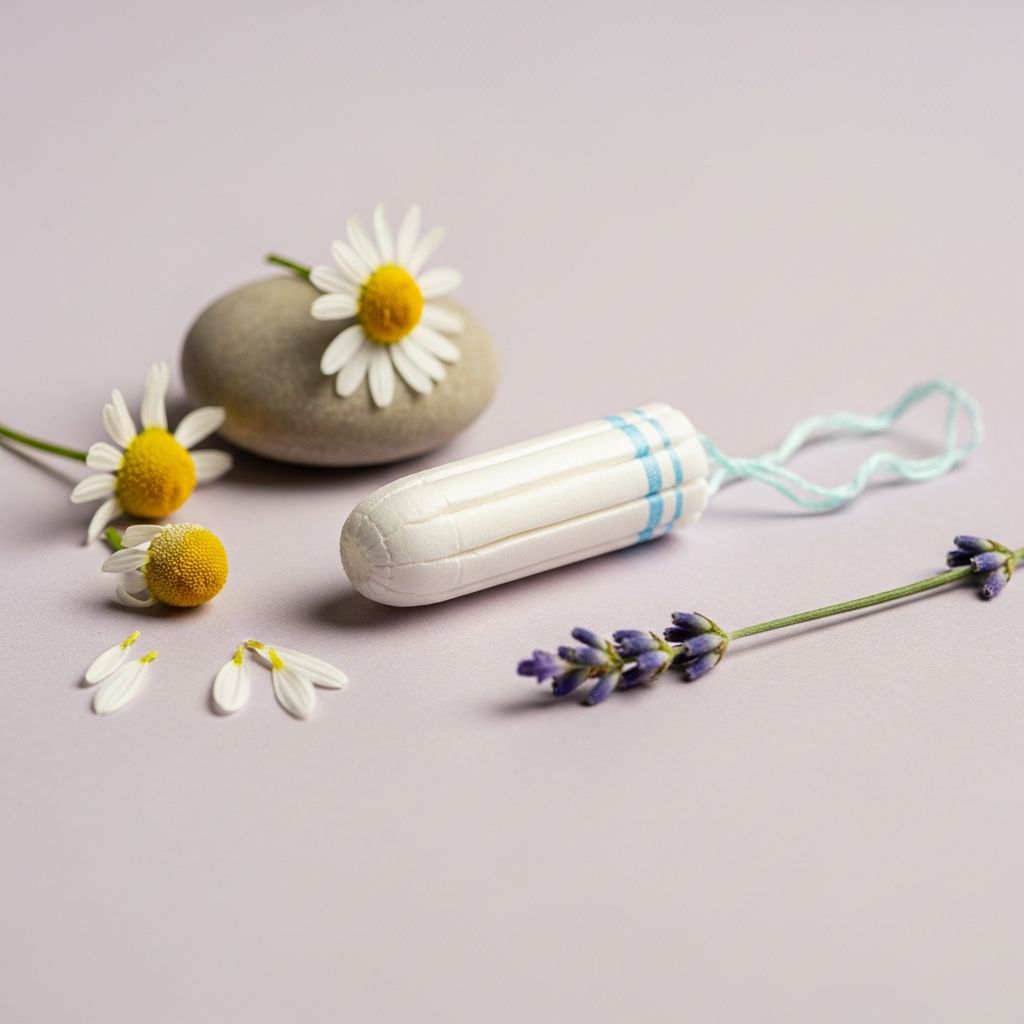
Using tampons should not be painful, but many young people feel some discomfort or even sharp pain when they try them for the first time. Feeling worried or confused about this is very common, and understanding what might be going on can make things much less scary.
This guide explains why tampons can sometimes hurt, what is usually normal, what might signal a problem, and how to choose and use period products in a way that feels safer and more comfortable.
Understanding Your Body First
Before talking about tampon pain, it helps to know a little about the parts of the body involved. The vagina is a stretchy canal that leads from the outside of the body to the uterus. Around the openings of the urethra, vagina, and anus are muscles called the pelvic floor, which can relax or tighten, just like any other muscle.
Tampons sit in the vaginal canal and absorb menstrual blood before it leaves the body. When a tampon is placed correctly and the body feels relaxed, it usually cannot be felt at all during normal activities like walking, sitting, or going to school.
What Tampon Pain Can Feel Like
Pain or discomfort related to tampon use can show up in different ways. Paying attention to what the pain feels like can help you and a trusted adult decide what to do next.
- A sharp, stinging feeling right at the opening of the vagina during insertion.
- A sense of “hitting a wall” where the tampon seems unable to go in any farther.
- A constant poking or scraping feeling once the tampon is inside, especially when sitting or walking.
- Crampy or deep pressure lower in the belly, especially when the tampon is too large or not placed high enough.
Mild awkwardness the very first time is common, but ongoing or strong pain is not something to ignore.
Common Reasons Tampons Hurt
There are many possible reasons tampons might hurt, and most of them can be improved with small changes or help from a health professional. Here are some of the most common causes.
Not Enough Lubrication
Sometimes the vaginal area is a bit dry, especially at the very beginning or very end of a period when there is less blood flow. Inserting a dry tampon into dry tissue can feel scratchy or burning.
- Inserting a tampon before bleeding really starts often hurts more.
- Super-absorbent tampons can soak up natural moisture and feel rough during removal.
Pelvic Floor Muscles Tensing Up
Feeling nervous, embarrassed, or scared about tampon use can cause the pelvic floor muscles to tighten without you realizing it. When these muscles are tight, the opening of the vagina becomes smaller and insertion can feel like pushing against resistance.
- Worrying that tampon use will hurt again can make the muscles tense even more the next time.
- Trying to rush insertion, especially in a bathroom at school, can add extra tension.
Using the Wrong Size or Shape
Tampons come in different sizes and designs. A larger or thicker tampon can be uncomfortable, especially for younger teens or for anyone with a naturally narrower vaginal opening.
- Starting with a smaller, “light” or “slim” tampon is often more comfortable for first-time users.
- Plastic applicators often slide more smoothly than cardboard ones for beginners.
Incorrect Insertion Angle or Depth
The vagina does not point straight up; it angles slightly toward the lower back. Pushing a tampon straight up instead of toward the tailbone can press on sensitive tissue and cause pain. Stopping halfway can also leave part of the tampon too close to the opening, where there are more nerve endings.
- If you can feel the tampon when you sit or walk, it may not be far enough inside.
- Reinserting with a better angle often fixes the problem quickly.
Irritation or Infection
Sometimes the vaginal area is already irritated from an infection or skin sensitivity. In these cases, putting in a tampon can make existing discomfort feel worse. Signs that irritation or infection might be involved include unusual discharge, itching, strong odor, or tenderness when wiping.
- Using scented pads, sprays, or harsh soaps can also irritate the area and make tampon use more uncomfortable.
- Any signs of infection should be checked by a doctor or nurse.
Less Common but Important Medical Causes
Most tampon discomfort is related to simple issues like dryness or technique, but sometimes ongoing pain can point to a medical condition. A health professional should evaluate persistent pain, especially if it interferes with normal daily life.
| Condition | Typical Symptoms | How It May Affect Tampon Use |
|---|---|---|
| Pelvic floor muscle tension | Feeling tight or “blocked,” pain with insertion, sometimes pain with pelvic exams | Tampons may feel impossible to insert or very painful, especially at the entrance. |
| Vaginismus | Automatic muscle tightening when anything approaches the vaginal opening | Tampons may be too painful to use; even trying can cause severe discomfort. |
| Endometriosis or deep pelvic pain disorders | Strong period cramps, ongoing pelvic pain, pain with internal pressure | Tampons may trigger deep cramping or aching in the lower belly. |
| Vulvodynia or vulvar irritation | Burning, stinging, or soreness at the vulva, sometimes even with light touch | Insertion can feel like burning or tearing, even with small tampons. |
| Structural differences (e.g., septum, very small opening) | Difficulty with tampon use or internal exams, sometimes no symptoms until insertion | Tampons may not go in easily or may feel like they catch on something inside. |
If any of these sound familiar, a doctor, nurse practitioner, or adolescent gynecologist can help figure out what is going on and suggest treatments or physical therapy if needed.
Practical Tips to Make Tampon Use More Comfortable
There are many small changes that can reduce pain and make tampon use less stressful. Practicing patience and listening to your body are just as important as learning the steps.
Choose the Right Time and Place
- Try tampons at home first, when you are not rushed and can take your time.
- Pick a time when your flow is moderate, not completely light or extremely heavy.
- Have a pad nearby so you can switch immediately if you decide tampons are not comfortable that day.
Start Small and Gentle
- Use the smallest absorbency tampon that will handle your flow.
- Consider products with a smooth, rounded plastic applicator if available.
- Relax your hand and hold the applicator in the middle, not at the very back, for better control.
Get Into a Relaxed Position
The position of your body can make a big difference in how easy insertion feels. Some people prefer sitting on the toilet, others like standing with one foot on the bathtub or toilet seat.
- Take a few slow, deep breaths and let your shoulders drop before starting.
- Gently relax the muscles around your bottom and thighs; squeezing them tight can make insertion hurt more.
Pay Attention to Angle and Depth
Gently aim the tampon toward your lower back rather than straight up. Go slowly; if you feel strong resistance or sharp pain, pause and try adjusting the angle or stop completely.
- Once the applicator is inserted to the right depth, press the plunger slowly, then remove the applicator.
- If you can still feel the tampon or it feels like it is slipping out, it may not be in far enough; you can gently push it a bit higher with a clean finger, or remove it and start over with a fresh one.
Safe Tampon Habits
Comfort is only one part of tampon use; safety matters, too. Knowing how long to keep a tampon in and when to switch products helps reduce the risk of irritation and infection.
- Change tampons every 4–8 hours, or sooner if they are fully soaked.
- Avoid leaving a tampon in overnight for more than about 8 hours.
- Wash your hands before and after changing tampons.
- Do not use more absorbent tampons than your flow requires; choose the lightest option that works.
Very rarely, tampon use can be linked to a serious condition known as toxic shock syndrome. Signs can include sudden high fever, rash, vomiting, faintness, or feeling very unwell. If someone with a tampon in develops these symptoms, the tampon should be removed and medical help should be sought right away.
Listening to Your Body and Setting Boundaries
No one is required to use tampons. Pads, period underwear, reusable pads, and menstrual cups (when age-appropriate and recommended by a professional) are all valid options. The best period product is the one that feels safest and most comfortable for you.
- If a tampon hurts, it is always okay to remove it and switch to something else.
- If a friend, teammate, or adult pressures you to “just use a tampon,” remember that you are in charge of what goes in your body.
When to Talk to a Trusted Adult or Doctor
Some level of confusion about tampon use is normal, but certain situations call for more help. Sharing concerns with a parent, guardian, school nurse, or health care provider can make it easier to find answers and feel less alone.
- You feel strong pain every time you try to insert a tampon, even when you are relaxed and using a small size.
- You have itching, burning, unusual discharge, or strong odor in the vaginal area.
- You suspect a tampon has been left in too long and cannot remember when it was last changed.
- You feel sudden illness, like high fever or dizziness, while wearing a tampon.
A health professional can examine you gently, explain what they see, and suggest treatments or exercises. Sometimes they may recommend pelvic floor physical therapy, medicine for infections, or simply a different type of period product.
Frequently Asked Questions (FAQs)
Is it normal if my first tampon hurts?
A little awkwardness or brief discomfort can happen the first time because the experience is new and you may feel nervous. However, strong or sharp pain is not something you have to tolerate; switching to a smaller tampon, using a different angle, or trying pads instead are all completely acceptable choices.
Can using tampons affect virginity?
Virginity is a personal and social idea, not a medical label. Using tampons does not change whether someone has engaged in sexual activity, and many people who have never had sex choose tampons for sports or comfort.
What if I cannot get the tampon out?
In most cases, you can gently pull on the string until the tampon slides out. If it feels stuck, relax your muscles, sit on the toilet, and try again slowly. If you truly cannot remove it or feel panicked, ask a trusted adult to help you contact a doctor or clinic.
Can I sleep with a tampon in?
It is usually recommended not to leave a tampon in for longer than about 8 hours. For long nights, some people prefer using pads or period underwear to avoid worrying about how long the tampon has been in while they sleep.
What if I decide tampons are not for me?
That is completely okay. Some people never use tampons and manage their periods just fine with pads, liners, or other products. Feeling comfortable and safe is more important than using any specific product.
Key Takeaways for Tweens and Teens
- Tampons should not cause strong, ongoing pain; discomfort is a signal to pause and pay attention.
- Dryness, muscle tension, size, insertion angle, and medical conditions can all play a role.
- Safe habits—like changing tampons regularly and using the lowest absorbency needed—protect your health.
- You always have the right to choose the period product that feels best, and to ask for help if something does not feel right.
Learning about your body and your options takes time, and it is okay to move at your own pace. With good information, supportive adults, and products that match your needs, managing your period can become just another part of caring for your health.