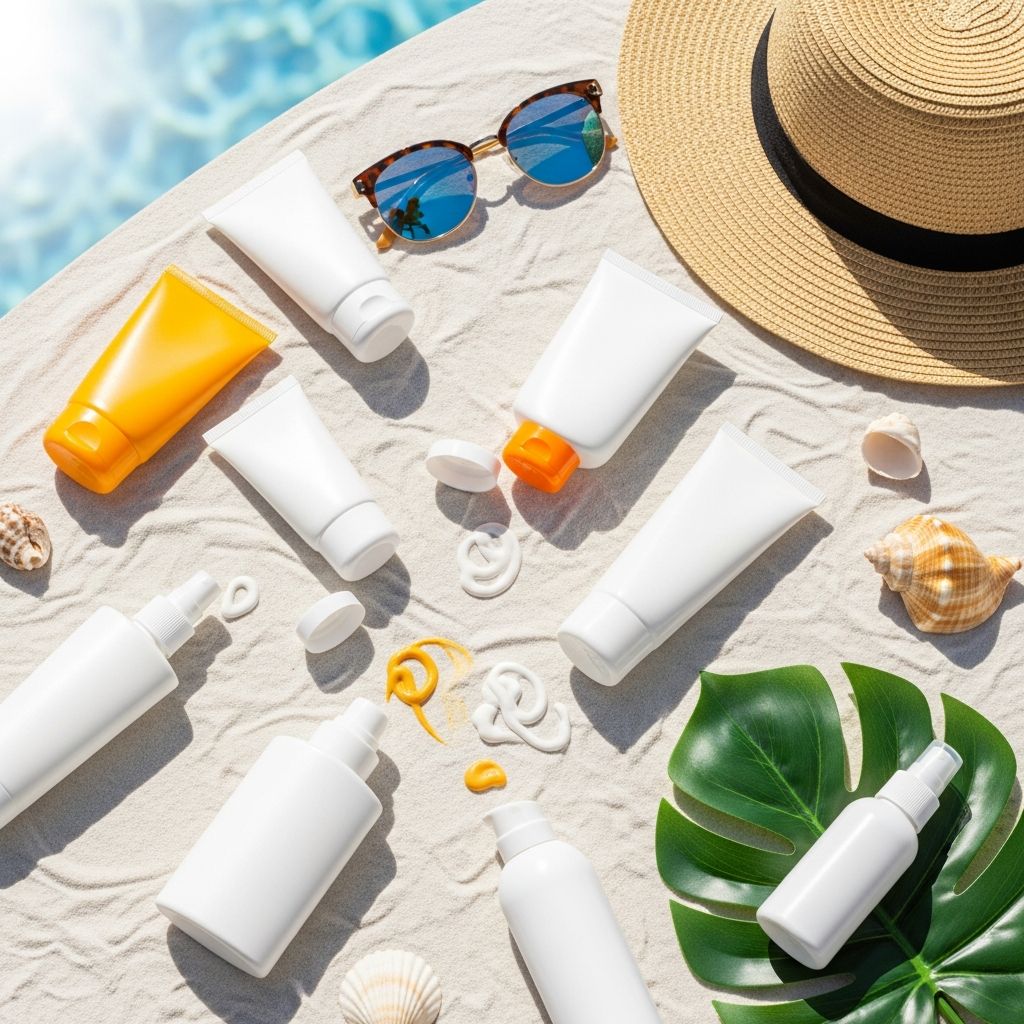
Why Sunscreen Is Non-Negotiable for Skin Health
Sunscreen is more than just a summer essential—it’s a year-round necessity for anyone who wants to maintain healthy, youthful skin. The sun’s ultraviolet (UV) rays can cause significant damage, including premature aging, sunburn, and even skin cancer. Daily use of sunscreen helps shield your skin from these harmful effects, regardless of your skin tone or how much time you spend outdoors.
Understanding SPF and Broad Spectrum Protection
SPF, or Sun Protection Factor, measures how well a sunscreen protects against UVB rays, which are responsible for sunburn and play a key role in skin cancer development. However, SPF alone does not tell the whole story. For comprehensive protection, look for products labeled as “broad spectrum,” which means they protect against both UVA and UVB rays. UVA rays penetrate deeper into the skin and contribute to aging, wrinkles, and pigmentation.
- SPF 15 blocks about 93% of UVB rays
- SPF 30 blocks about 97% of UVB rays
- SPF 50 blocks about 98% of UVB rays
While higher SPF values offer slightly more protection, no sunscreen blocks 100% of UV rays. Dermatologists recommend using at least SPF 30 for optimal daily protection.
Key Benefits of Daily Sunscreen Use
Regular sunscreen use delivers a host of benefits that go beyond preventing sunburn. These include:
- Slower skin aging and fewer wrinkles
- Reduced risk of skin cancer, including melanoma
- Less pigmentation and fewer age spots
- Protection against hyperpigmentation and melasma
- Help in managing skin conditions like rosacea and lupus
- Lower risk of sun sensitivity caused by certain medications
Studies show that daily sunscreen use can reduce the incidence of melanoma by up to 50%, and regular use of SPF 15 or higher lowers the risk of other skin cancers as well.
Choosing the Right Sunscreen for Your Skin
Not all sunscreens are created equal. Here are some factors to consider when selecting a product:
- Type: Mineral sunscreens (containing zinc oxide or titanium dioxide) are often better for sensitive skin, while chemical sunscreens may be lighter and easier to apply.
- SPF Level: Choose at least SPF 30 for daily use, and opt for broad spectrum coverage.
- Formulation: Creams, lotions, gels, and sprays are available. Pick one that suits your skin type and lifestyle.
- Additional Ingredients: Some sunscreens include antioxidants or anti-inflammatory agents like vitamin E or aloe vera, which can help soothe and nourish the skin.
Debunking Common Sunscreen Myths
There are several misconceptions about sunscreen that can lead to inadequate protection:
- Myth: Only fair-skinned people need sunscreen.
Fact: All skin tones are susceptible to UV damage and skin cancer. - Myth: Sunscreen blocks vitamin D production.
Fact: Sunscreen has only a minor effect on vitamin D synthesis, and you can get vitamin D from diet and supplements. - Myth: High SPF means you can stay in the sun longer without reapplying.
Fact: No sunscreen offers complete protection, and reapplication every two hours is essential, especially after swimming or sweating.
How to Use Sunscreen Effectively
For maximum protection, follow these best practices:
- Apply sunscreen 15–30 minutes before sun exposure.
- Use enough product—about one ounce (a shot glass full) for the entire body.
- Reapply every two hours, or immediately after swimming or heavy sweating.
- Don’t forget commonly missed areas like ears, neck, hands, and feet.
- Combine sunscreen with other sun protection measures, such as seeking shade, wearing hats, and using UV-blocking sunglasses.
FAQs About Sunscreen
Do I need sunscreen on cloudy days?
Yes, up to 80% of UV rays can penetrate clouds, so sunscreen is necessary even when it’s overcast.
Can I use last year’s sunscreen?
Most sunscreens are effective for up to three years, but check the expiration date and discard if the product has changed in color or consistency.
Is sunscreen safe for children?
Yes, but use mineral-based sunscreens for babies and young children, and avoid sprays on their faces.
Does sunscreen cause skin irritation?
Some people may experience irritation, especially with chemical sunscreens. If this happens, try switching to a mineral formula or one designed for sensitive skin.
Conclusion
Protecting your skin with sunscreen is one of the most effective ways to prevent sun damage, premature aging, and skin cancer. By understanding SPF, choosing the right product, and using it consistently, you can enjoy healthier skin for years to come.