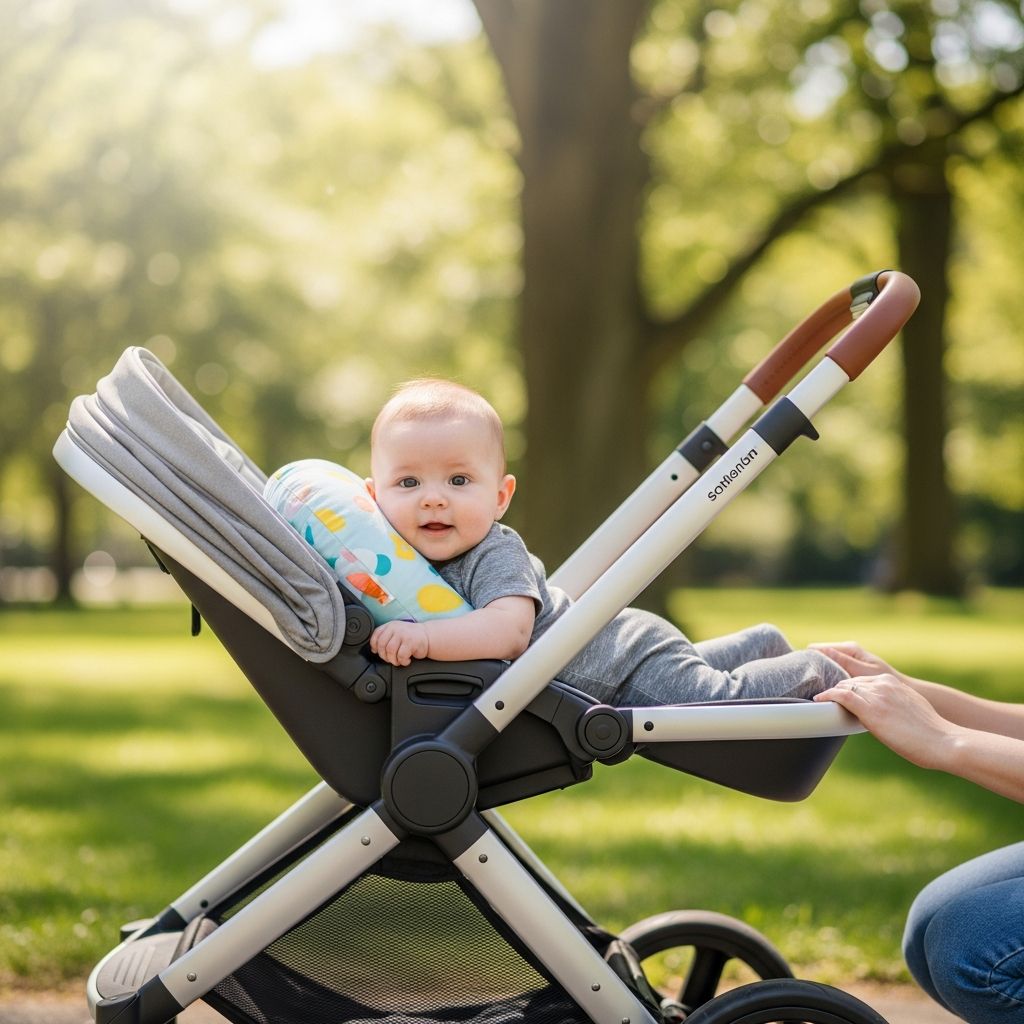
The latest parenting sensation sweeping social platforms involves placing infants on their stomachs in strollers for tummy time. This convenient ‘on-the-go’ approach promises developmental benefits without interrupting daily routines, but child health specialists raise serious concerns about its safety and effectiveness.
Understanding the Rise of On-the-Move Tummy Practices
Social media has fueled a surge in creative baby care ideas, with stroller tummy time gaining traction among busy parents. Videos showcase babies propped in reclined stroller seats, secured by straps, seemingly enjoying outdoor sessions that combine fresh air and exercise. Proponents highlight its portability for errands, appointments, or park visits, suggesting it solves common challenges like fussy babies resisting traditional floor-based sessions.
However, this method deviates from established guidelines. Pediatric experts emphasize that while innovation in parenting is welcome, it must prioritize infant safety and align with evidence-based practices. The trend overlooks critical factors like stroller design limitations and improper positioning risks.
Core Benefits of Tummy Time for Infant Growth
Tummy time remains a cornerstone of early childhood development, recommended from birth by leading health organizations. When performed correctly, it strengthens neck, shoulder, and core muscles essential for milestones like rolling, sitting, and crawling.
- Prevents **plagiocephaly** and **brachycephaly**, conditions causing flat spots on the skull from prolonged back-sleeping.
- Reduces risk of **torticollis**, where neck muscles tighten, limiting head movement.
- Builds **gross motor skills**, improving head control and coordination for future mobility.
- Enhances sensory awareness as babies learn to navigate their environment.
Experts note that inadequate tummy time contributes to ‘container baby syndrome,’ where excessive time in seats, swings, or carriers delays physical and emotional progress. The American Academy of Pediatrics advises limiting non-essential container use to under one hour daily beyond car travel.
Why Experts Oppose Stroller-Based Tummy Time
Developmental therapists and doctors unanimously caution against using strollers for tummy time. Dr. Emily Heisey, PT, DPT, and Dr. Matt Otteman, DC, highlight that strollers lack the firm, flat surface needed for proper muscle engagement. Babies in reclined positions cannot push up through forearms effectively, undermining the exercise’s purpose.
Additional hazards include:
- Inadequate head and neck support in moving strollers, risking strain or injury.
- Harness straps that may restrict natural movement or create pressure points.
- Distraction from surroundings potentially leading to unsupervised lapses.
One report labels it outright unsafe, urging parents to consult professionals before adopting social media hacks.
Safer Alternatives to Boost Tummy Time Success
Fortunately, numerous proven methods make tummy time engaging and effective without compromising safety. Start with short sessions—3-5 minutes several times daily—building as baby tolerates.
Indoor Floor Routines
Lay a soft blanket on a firm floor surface. Place engaging toys just out of reach to motivate lifting and reaching. Alternate directions to encourage balanced turning.
Interactive Carrying Techniques
Incorporate tummy positioning during daily activities:
- Belly-down over your arm or lap while watching TV or chatting.
- Airplane holds: Support under chest, gently rocking for fun.
- Alternate carrying sides to prevent one-sided preferences.
Outdoor and Prop-Assisted Ideas
Combine fresh air benefits safely. Use a stability ball: Gently roll baby back and forth on their tummy, ideal for reflux-prone infants. Parks offer supervised grass time on a mat.
| Method | Age Suitability | Key Benefits | Supervision Level |
|---|---|---|---|
| Floor Blanket | Newborn+ | Muscle building, milestone prep | High |
| Stability Ball | 1-3 months | Reflux-friendly, engaging motion | High |
| Lap Carry | Newborn+ | Portable, bonding | Medium |
| Outdoor Mat | 2 months+ | Fresh air, natural textures | High |
Navigating Modern Parenting Challenges
Busy schedules amplify reliance on quick fixes, but long-term health trumps convenience. Container overuse—strollers, car seats, bouncers—averages six hours daily, far exceeding safe limits. This restricts exploration, vital for cognitive growth.
Signs of concern include persistent head tilting, delayed rolling (beyond 6 months), or visible skull flattening. Early intervention via physical therapy or repositioning often suffices; helmets are reserved for severe cases.
Building a Tummy Time Routine: Step-by-Step Guide
- Assess Readiness: Begin day one home from hospital, even 1-2 minutes.
- Create Variety: Mix positions to sustain interest—add mirrors, black-and-white patterns for newborns.
- Track Progress: Log sessions; aim for 15-30 total minutes by 1 month, 60 by 3 months.
- Monitor Feedback: Fussiness signals need for breaks or adjustments like burping first.
- Consult Pros: Pediatrician check-ups ensure alignment with growth curves.
Consistency yields results: stronger babies hitting milestones confidently.
Frequently Asked Questions
How much tummy time does my newborn need?
Start small: 2-3 minutes, 2-3 times daily, increasing gradually to avoid overwhelm.
Can tummy time prevent flat head syndrome entirely?
It significantly reduces risk alongside responsive repositioning and limited container time.
What if my baby hates tummy time?
Try propped positions, shorter bursts, or during alert times. Carrying tummy-down counts too.
Is stroller tummy time ever okay?
Experts advise against it due to safety issues; opt for flat, supervised surfaces.
When should I worry about development delays?
Consult a doctor if no rolling by 6 months or persistent asymmetry.
Empowering Parents with Reliable Guidance
In an era of viral trends, anchor decisions in pediatric science. Tummy time, done right, equips babies for robust development. Ditch risky hacks for timeless strategies that foster strength safely. Your proactive choices today shape tomorrow’s adventurers.
References
- Viral Tummy Time Stroller Hack Is Not Safe — WCCB Charlotte. 2024-08-23. https://www.wccbcharlotte.com/2024/08/23/viral-tummy-time-stroller-hack-is-not-safe/
- Why Babies Need Tummy Time — Children’s Healthcare of Atlanta (CHOA). Accessed 2026. https://www.choa.org/parent-resources/orthopedics/tummy-time-tools
- What Is Container Baby Syndrome? — Cleveland Clinic. Accessed 2026. https://health.clevelandclinic.org/container-baby-syndrome