Physical discipline methods, such as spanking, have long been debated in parenting circles. Yet, decades of rigorous research conclusively demonstrate that these approaches do not foster better behavior and instead inflict lasting harm on children’s physical, emotional, and cognitive growth. A comprehensive narrative review involving international experts affirms that physical punishment predicts worsening behavior problems over time, with zero evidence of positive effects. This article delves into the scientific consensus, neurological impacts, societal trends, and proven alternatives to guide parents toward healthier strategies.
The Overwhelming Evidence Against Physical Discipline
Extensive meta-analyses and longitudinal studies paint a clear picture: corporal punishment correlates strongly with detrimental child outcomes. A landmark meta-analysis of 88 studies spanning 62 years examined 11 key behaviors and experiences linked to physical punishment. It found robust negative associations across nearly all domains, including heightened aggression, antisocial conduct, mental health issues, and even the perpetuation of abuse into adulthood. The sole short-term ‘benefit’—immediate compliance—comes at the steep cost of long-term harm.
Researchers emphasize that even mild spanking escalates risks. Frequency and severity amplify problems: the more often or harshly a child is hit, the greater the likelihood of aggression and psychological distress. This pattern holds across cultures and socioeconomic groups, underscoring that physical punishment universally undermines development.
Neurological and Physiological Toll on Developing Brains
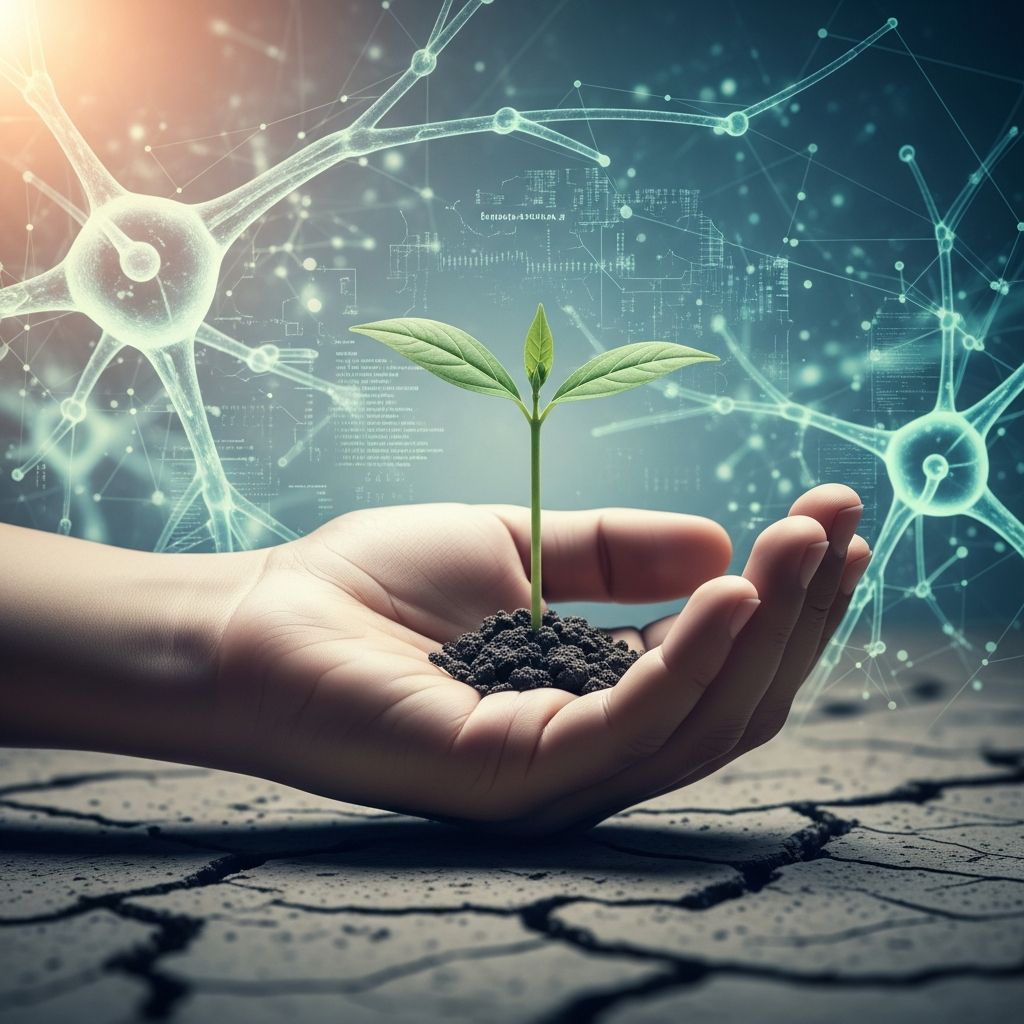
Corporal punishment doesn’t just affect behavior; it rewires the brain. Neuroimaging studies reveal that spanked children show heightened neural responses to threats, mirroring patterns seen in victims of severe maltreatment. This overactivation in threat-processing regions suggests chronic stress alters brain structure and function, impairing emotional regulation and increasing vulnerability to anxiety and depression.
Physiologically, physical discipline triggers stress hormones, overloading the nervous, cardiovascular, and immune systems. Children exhibit elevated cortisol levels, disrupted sleep, and atypical brain activity akin to abuse survivors. These changes persist, linking to poorer cognitive performance, lower self-esteem, and reduced academic achievement. A longitudinal study across multiple countries found spanked students had declining math scores and self-efficacy over time, perpetuating cycles of underachievement.
Behavioral Cycles: From Victim to Perpetrator
One of the most alarming findings is how physical punishment breeds aggression. Children who experience spanking are more likely to become aggressive themselves, both immediately and into adulthood. This creates a vicious cycle: punished kids display more defiant behavior, prompting harsher responses from adults, which in turn escalates child misbehavior.
Ecological data from 88 countries shows nations banning corporal punishment in homes and schools report lower rates of adolescent physical fighting. Even partial bans yield benefits, particularly for girls, highlighting policy’s role in breaking aggression cycles. In schools, corporal punishment not only fails to deter misconduct but sustains it, as Korean studies confirm: aggressive students receiving physical discipline remain aggressive or worsen.
Global Perspectives and Declining Acceptance
While common—nearly one-third of U.S. parents spank weekly—global momentum is shifting. Only 62 countries outside the U.S. have fully banned it, but organizations like the United Nations and World Health Organization advocate universal prohibition. Evidence supports their stance: no study shows physical punishment improving moral development, parent-child bonds, or long-term compliance.
U.S. policies lag; some schools still permit paddling despite federal urges to end it. Professional bodies, including the American Academy of Pediatrics and American Psychological Association, base recommendations against it on this irrefutable data. Internationally, bans correlate with better child outcomes, from reduced violence to enhanced educational success.
Why Parents Turn to Physical Methods—and Why It Backfires
Many parents spank out of frustration or cultural norms, seeking quick fixes for misbehavior. Science debunks this: short-term compliance masks deeper issues. Unlike positive reinforcement, which builds self-control, physical punishment models force over reason, teaching children that violence resolves conflict.
| Discipline Type | Short-Term Effect | Long-Term Outcomes |
|---|---|---|
| Corporal Punishment | Immediate compliance | Increased aggression, mental health risks, abuse perpetuation |
| Positive Reinforcement | Gradual improvement | Better self-regulation, stronger relationships, sustained good behavior |
| Time-Outs/Logical Consequences | Teaches reflection | Enhanced empathy, cognitive growth, lower defiance |
This table contrasts outcomes, illustrating why evidence-based methods outperform physical ones.
Effective Alternatives: Building Positive Parenting Skills
- Positive Reinforcement: Praise specific good behaviors to encourage repetition. Studies show it boosts moral internalization far better than punishment.
- Time-Ins: Sit with your child during upset moments to co-regulate emotions, fostering secure attachments.
- Logical Consequences: Link outcomes to actions (e.g., no screen time after misuse), teaching natural responsibility without fear.
- Modeling Calm: Demonstrate problem-solving; children mimic parental emotional control.
- Consistent Routines: Predictable schedules reduce tantrums by meeting needs proactively.
Parent training programs emphasizing these yield measurable gains: reduced defiance, improved family dynamics, and healthier child development. Accessibility via apps, books, and community workshops makes adoption feasible.
Overcoming Cultural and Emotional Barriers
Shifting from physical discipline requires addressing ingrained beliefs. Many recall childhood spankings without ‘harm,’ but self-reports underplay subtle effects. Education counters this: sharing brain scan data and longitudinal stats empowers change. Support networks, like positive parenting groups, ease the transition, reducing isolation.
Governments play a role too. Bans in progressive nations demonstrate feasibility and benefits, pressuring holdouts like the U.S. to prioritize child rights over tradition.
Frequently Asked Questions
What does science say about mild spanking?
All forms, even mild, risk escalation and negative outcomes like aggression and brain changes. No level is safe or effective long-term.
Does corporal punishment teach respect?
No; it instills fear, not genuine understanding. Positive methods build true respect through empathy and reasoning.
How common is spanking today?
About 30% of U.S. parents spank weekly, though rates decline with awareness of harms.
Are there countries where bans improved outcomes?
Yes; 88-country analysis links bans to less youth violence, especially with school prohibitions.
What if other methods fail?
Evidence shows consistency with alternatives works; seek professional help like parenting classes for tailored support.
Steps to Positive Discipline Today
Start small: track triggers, replace spanks with breaths and redirects. Monitor progress—fewer outbursts signal success. Communities banning physical punishment see thriving kids; join the movement for a brighter future.
References
- Evidence Against Physically Punishing Kids Is Clear, Researchers Say — University of Texas at Austin. 2021-06-29. https://news.utexas.edu/2021/06/29/evidence-against-physically-punishing-kids-is-clear-researchers-say/
- Is corporal punishment an effective means of discipline? — American Psychological Association. 2002-06-19. https://www.apa.org/news/press/releases/2002/06/spanking
- Corporal punishment of children and health — World Health Organization. (Recent fact sheet). https://www.who.int/news-room/fact-sheets/detail/corporal-punishment-and-health
- What does the evidence tell us about physical punishment of children? — Australian Institute of Family Studies. (Recent update). https://aifs.gov.au/resources/short-articles/what-does-evidence-tell-us-about-physical-punishment-children
- Corporal Punishment in Schools — American Academy of Pediatrics. 2023-09-01. https://publications.aap.org/pediatrics/article/152/3/e2023063284/193708/Corporal-Punishment-in-Schools
- The Effect of Spanking on the Brain — Harvard Graduate School of Education. 2021-04-13. https://www.gse.harvard.edu/ideas/usable-knowledge/21/04/effect-spanking-brain