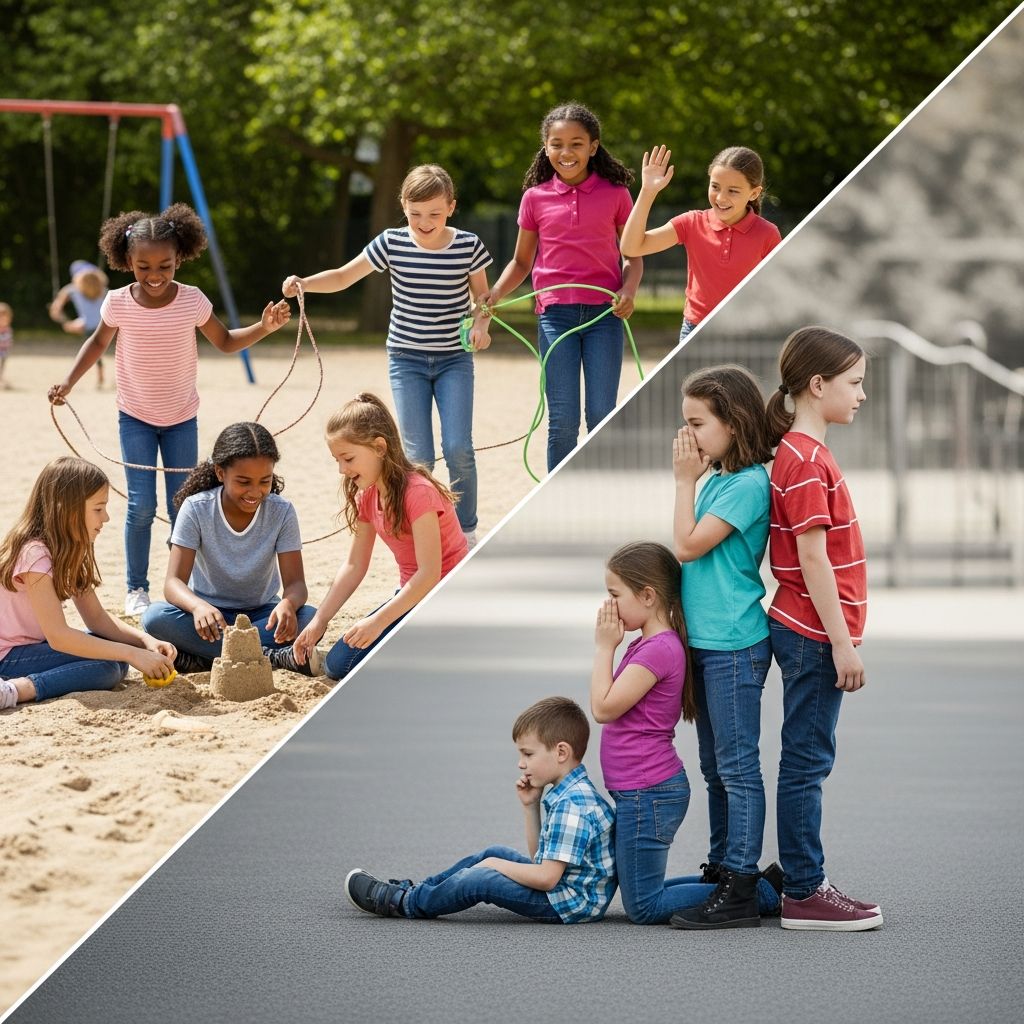
Modern elementary schools are increasingly adopting policies that challenge the traditional notion of ‘best friends,’ aiming to cultivate more inclusive social environments. This approach, highlighted by the school attended by Prince George, seeks to minimize emotional distress from exclusion while encouraging children to build wider networks of peers. Such strategies raise questions about balancing natural childhood attachments with group harmony.
The Emergence of Inclusive Friendship Guidelines in Education
Educational institutions, particularly in the UK and spreading to North America, have begun implementing rules that discourage intense, exclusive pairings among students. These guidelines stem from observations that tight-knit duos can inadvertently isolate others, leading to feelings of rejection that mirror bullying in impact. For instance, at Thomas’s Battersea in London, where young royals study, educators promote interactions across the entire class rather than fixed favorites.
This shift reflects broader concerns in child psychology about social dynamics in structured settings like classrooms. Teachers report that ‘be kind’ campaigns accompany these policies, reinforcing a culture where invitations to events must include all classmates to avoid public slights. The goal is proactive emotional safeguarding, recognizing that preschool and early primary years are formative for social skills.
Psychological Foundations Supporting Broader Social Circles
Child development experts argue that diverse friendships enhance adaptability and empathy. Research indicates that children with multiple peers experience less anxiety from relational ruptures, as their emotional support isn’t concentrated on one person. In large groups, shuffling interactions exposes kids to varied personalities, building resilience against future social challenges.
One key benefit is the reduction of ‘ostracism pain,’ which studies equate to physical hurt in brain scans. Schools adopting this model, from South West London to parts of Canada, note fewer conflicts arising from cliques. Parents like those near elite institutions appreciate how it aligns with values of equity, preparing children for collaborative real-world environments.
- Enhanced empathy: Interacting with many peers teaches perspective-taking.
- Reduced drama: No single breakup devastates social standing.
- Skill-building: Improves conversation and conflict resolution across differences.
Potential Drawbacks: The Value of Deep Emotional Bonds
While inclusivity has merits, critics contend that suppressing best friendships stifles authentic connections vital for growth. Longitudinal studies reveal that teens with at least one close confidant report superior mental health into adulthood, suggesting early close ties lay groundwork for lasting relationships. Forcing breadth over depth might hinder emotional intimacy skills.
In practice, children naturally gravitate toward preferred playmates, and rigid enforcement could breed resentment or superficial interactions. Some American schools experimenting with similar bans faced pushback from families valuing individuality. Developmental stages demand secure attachments; without them, kids may struggle with trust later.
| Approach | Pros | Cons |
|---|---|---|
| Broad Friendships | Inclusivity, less exclusion pain | May limit deep trust-building |
| Best Friends Allowed | Strong emotional support, natural bonds | Risk of cliques and hurt feelings |
Real-World Implementation and Parental Perspectives
At schools like Thomas’s Battersea, policies manifest subtly: no ‘bestie’ labels, class-wide invites for parties, and teacher-guided play rotations. A local parent on British TV described signs promoting kindness everywhere, underscoring the ethos without outright bans. This nuanced method encourages expansion without prohibition.
Feedback varies. Proponents see well-adjusted graduates; skeptics worry about robotic socializing. In the US, isolated cases mirror this, with educators in California and elsewhere trialing ‘no favorites’ to curb drama. Parents often adapt, viewing it as a life lesson in sharing joy.
Expert Opinions on Long-Term Social Outcomes
Psychologists like those cited in educational reports emphasize context. For ages 4-7, broad exposure trumps intensity, aiding identity formation amid peers. By middle school, best friends become assets for navigating puberty’s turbulence. A balanced curriculum might integrate both: guided group activities plus space for organic pairs.
Evidence from UK schools shows lower bullying rates where inclusivity rules, though causation is debated. American pediatric guidelines from official bodies stress monitoring isolation without demonizing preferences. Hybrid models, blending policies, emerge as pragmatic.
Navigating Friendships in Diverse Classroom Settings
Cultural factors influence reception. In collectivist societies, group harmony aligns naturally; individualist ones prioritize personal choice. For elite schools serving high-profile families, like Prince George’s, optics matter—projecting poised, inclusive futures.
Teachers train to spot distress, intervening with empathy workshops. Data suggests 20-30% fewer friendship-related complaints post-implementation, per anecdotal school logs. Yet, surveys indicate 60% of kids still form unspoken favorites, hinting policies shape behavior more than instincts.
Strategies for Parents Reinforcing School Policies at Home
Families can support by hosting inclusive playdates and discussing feelings openly. Model diverse socializing: family events with varied guests. Books on friendship variety aid discussions. Monitor for isolation signs, advocating gently at school if needed.
- Encourage play with new classmates weekly.
- Discuss emotions from group vs. pair activities.
- Use role-play for inclusion scenarios.
- Celebrate all friendships equally.
Future Directions: Evolving Educational Social Policies
As research advances, expect refined approaches—perhaps AI-tracked interactions for balance or phased policies by age. Global spread continues, with Asian and European models influencing. Ultimately, fostering kind, resilient humans outweighs rigid rules.
Debate persists: is this protective evolution or infantilizing control? Evidence tilts toward benefits in early years, with flexibility later. Parents and educators must collaborate for nuanced implementation.
Frequently Asked Questions
Why do schools discourage best friends?
To prevent exclusion and promote wider social skills, reducing emotional pain akin to bullying.
Does this policy apply to royals like Prince George?
Yes, at his school, emphasizing kindness to all peers regardless of status.
Are there studies backing best friend benefits?
Yes, high school best friends correlate with better adult mental health.
How can parents handle party invites?
Distribute outside class or invite all to avoid hurt feelings.
Is this trend growing worldwide?
Primarily UK and parts of North America, with potential expansion.
References
- Schools are banning best friends to protect students’ feelings — Business Insider. 2017-09-28. https://www.businessinsider.com/schools-are-banning-best-friends-to-protect-kids-feelings-2017-9
- Prince George’s school bans BFFs: Smart or impractical? — Mother.ly. Accessed 2026. https://www.mother.ly/life/prince-georges-school-bans-bffs-smart-or-impractical/
- Is A School Policy Banning ‘Best Friends’ Appropriate? — CBS News. 2017. https://www.cbsnews.com/sacramento/news/best-friends-banned/
- Why Prince George And Princess Charlotte Are Forbidden To Have Best Friends At School — Latin Times. 2017-09-12. https://www.latintimes.com/why-prince-george-and-princess-charlotte-are-forbidden-have-best-friends-school-445428