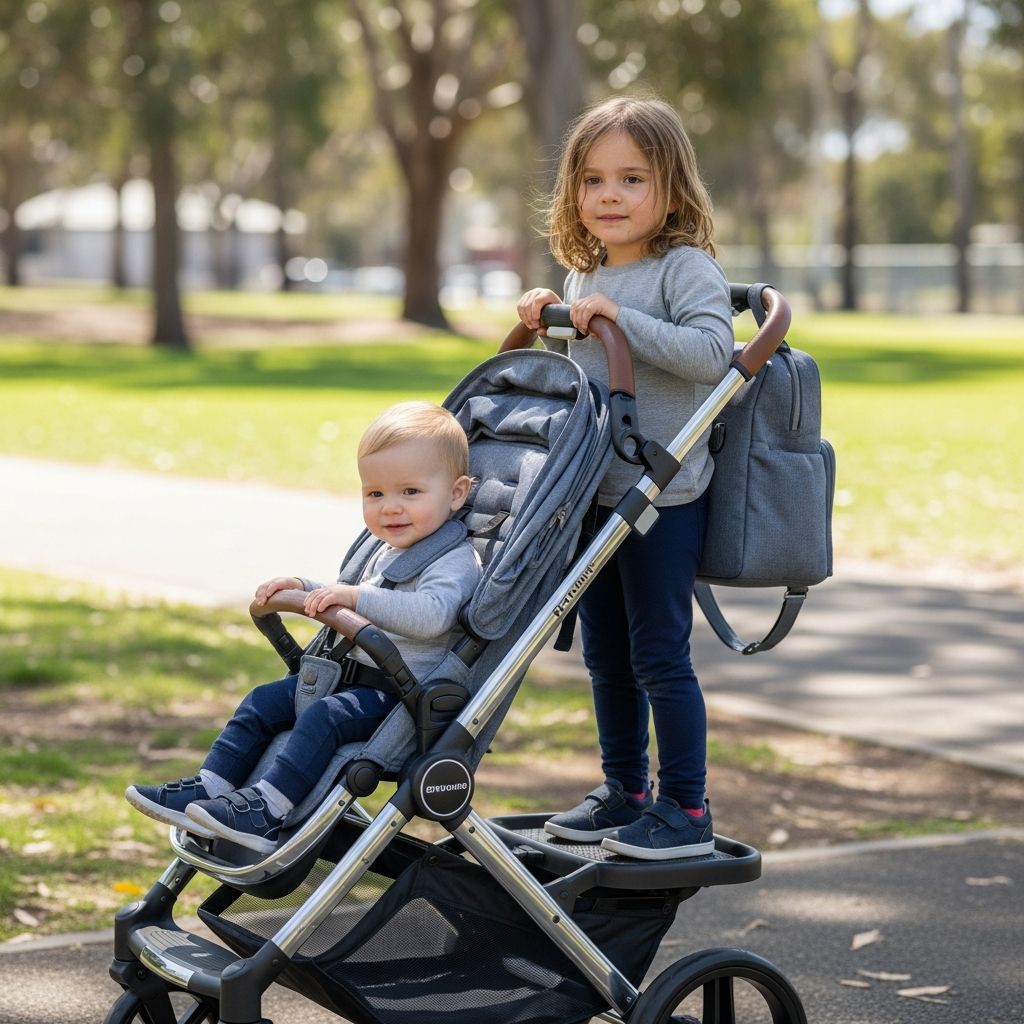
Mothers who serve on the front lines embody unparalleled strength, juggling the demands of critical professions with the joys and challenges of raising families. These women—doctors, nurses, teachers, first responders, and more—stand as pillars of support in times of crisis, ensuring communities remain functional while nurturing the next generation. Their stories inspire us to recognize the dual roles they play with grace and determination.
The Vital Roles Frontline Mothers Play
Frontline mothers occupy essential positions that keep society running, especially during pandemics, natural disasters, and daily emergencies. In healthcare, they are the nurses administering life-saving care, the physicians making split-second decisions, and the aides providing compassionate support to the vulnerable. Beyond medicine, educators continue shaping young minds amid disruptions, while grocery workers and delivery personnel ensure basic needs are met.
These roles demand physical endurance, emotional fortitude, and quick thinking. A nurse mother might spend 12-hour shifts in intensive care units, only to return home to bedtime stories and homework help. Their commitment extends beyond their job descriptions, as they model resilience for their children.
- Healthcare Heroes: Treating patients while worrying about exposing their own families to illness.
- Educators in Action: Adapting lessons for remote or in-person learning to keep education alive.
- First Responders: Rushing to scenes of accidents or fires, then comforting their little ones afterward.
- Essential Service Providers: Stocking shelves or driving supplies, maintaining supply chains under pressure.
Balancing Act: Work, Family, and Self-Care
The greatest challenge for frontline mothers is achieving equilibrium between demanding careers and family responsibilities. Long hours clash with school schedules, mealtimes, and emotional needs at home. Many face childcare shortages, relying on partners, extended family, or creative solutions like virtual playdates.
Emotional tolls are significant too. Witnessing suffering at work can lead to compassion fatigue, yet these mothers summon energy for family. Self-care becomes a luxury, often sidelined for rest or quick showers. Studies from organizations like the World Health Organization highlight how such stressors contribute to burnout among healthcare workers, disproportionately affecting women who are primary caregivers.
| Challenge | Impact on Mothers | Common Coping Strategies |
|---|---|---|
| Irregular Shifts | Disrupted family routines | Flexible partner schedules, meal prepping |
| Health Risks | Fear of infecting family | Strict hygiene protocols, quarantine periods |
| Emotional Strain | Mental health pressures | Peer support groups, mindfulness apps |
| Limited Childcare | Increased home responsibilities | Community networks, online resources |
Real-Life Stories of Inspiration
Consider the story of a pediatric nurse in a bustling urban hospital. By day, she battles fevers and fractures; by night, she soothes her toddler’s nightmares. Her ability to compartmentalize allows her to excel in both worlds, teaching her children the value of service.
Another example is a teacher-mother who pivoted to virtual classrooms during lockdowns. She crafted engaging online lessons while managing her own children’s education, fostering a love of learning despite technical glitches and fatigue. These anecdotes, drawn from countless shared experiences, illustrate the profound dedication of frontline moms.
In rural areas, paramedic mothers respond to emergencies on dimly lit roads, then host family breakfasts. Their narratives remind us that heroism wears many faces, often softened by a mother’s gentle touch.
Societal Recognition and Support Systems
Society has made strides in acknowledging frontline workers, with campaigns from tech giants and governments spotlighting their efforts. Initiatives like special recognitions during holidays amplify their voices, fostering a culture of gratitude. However, true support requires more: policy changes for paid family leave, affordable childcare, and mental health resources tailored to working mothers.
Communities play a key role too. Neighborhood meal trains, virtual support circles, and employer flexibility programs alleviate burdens. Partners stepping up with household chores create breathing room for these warriors to recharge.
The Lasting Legacy of Frontline Mothers
The influence of frontline mothers ripples through generations. Children raised by these exemplars learn empathy, perseverance, and civic duty firsthand. They grow into adults who prioritize community welfare, perpetuating a cycle of care and compassion.
As we reflect on their contributions, it’s clear that these mothers are architects of resilient futures. Their sacrifices during crises build stronger families and societies, deserving our ongoing appreciation and action.
Frequently Asked Questions (FAQs)
What makes frontline mothers unique?
They combine professional expertise with parental instincts, providing critical services while nurturing families under extraordinary pressures.
How can we support frontline working moms?
Offer practical help like meals, advocate for better policies, and simply listen—validation goes a long way.
What are common mental health challenges they face?
Burnout, anxiety from health risks, and guilt over divided attention are prevalent; professional counseling helps.
Do children of frontline mothers benefit uniquely?
Yes, they often develop heightened empathy, responsibility, and pride in their mother’s impactful work.
How has recognition evolved for these heroes?
From viral campaigns to policy reforms, awareness has grown, though sustained support remains essential.
References
- Mothers on the Frontline Mission and Vision — Mothers on the Frontline. 2023. https://mothersonthefrontline.org
- Occupational Burn-out in Healthcare Workers — World Health Organization. 2022-05-27. https://www.who.int/news/item/27-05-2022-who-highlights-urgent-need-to-transform-mental-health-and-mental-health-care
- Frontline Workers and Family Dynamics During COVID-19 — Centers for Disease Control and Prevention. 2023-01-15. https://www.cdc.gov/niosh/topics/covid-19/frontline.html
- Supporting Essential Workers’ Families — U.S. Department of Health and Human Services. 2024. https://www.hhs.gov/sites/default/files/coronavirus-supporting-essential-workers.pdf
- Mental Health Impact on Female Healthcare Providers — American Psychological Association. 2023-09-10. https://www.apa.org/monitor/2023/10/mental-health-female-healthcare-workers