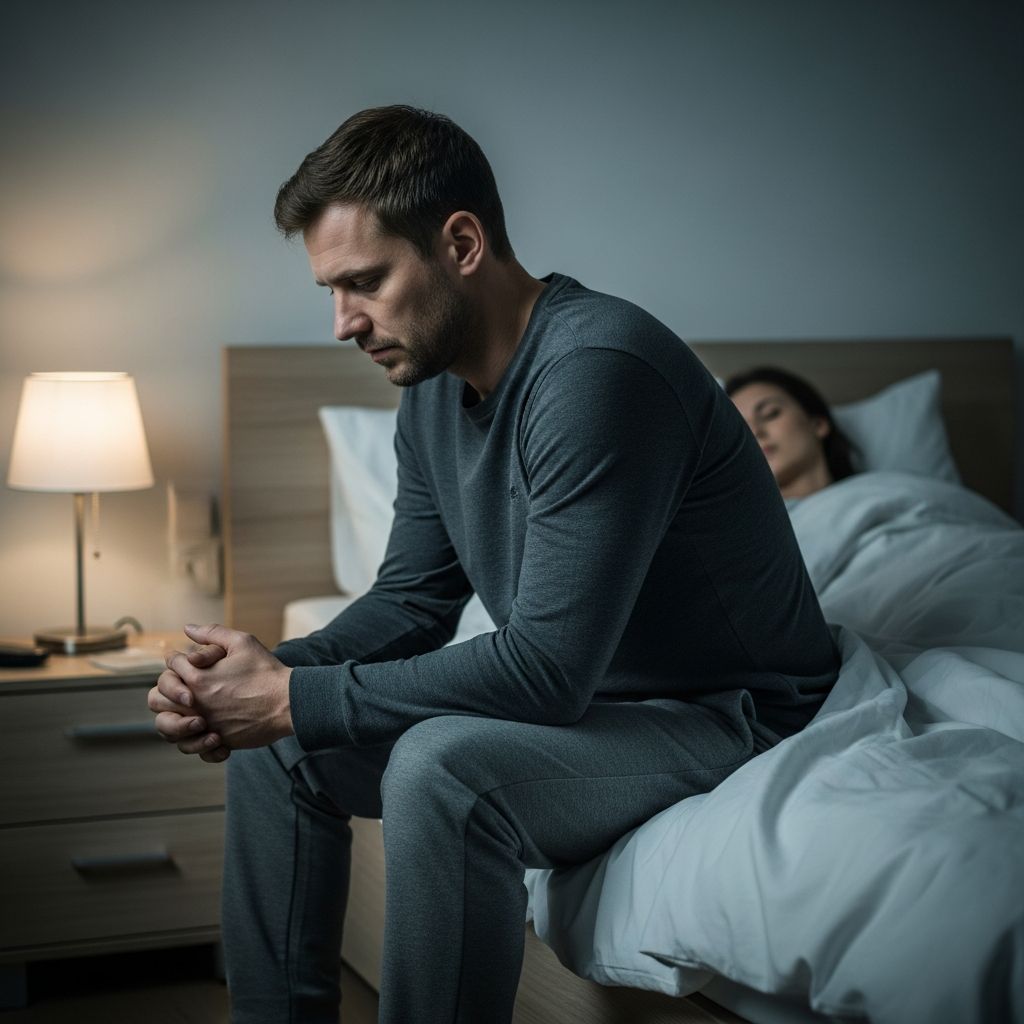
Sex is often framed as the pinnacle of connection and pleasure, so it can be deeply confusing when a man feels sad, blank, or abruptly distant right after an intimate moment. For many couples, this sudden emotional shift becomes a source of hurt, misunderstanding, and conflict. Yet this experience is more common than most people realize and, in many cases, it has little to do with love or attraction.
What Is Post-Sex Emotional Crash?
Some men describe a wave of sadness, irritation, shame, or emptiness that appears after orgasm or sexual release. It might last a few minutes, or linger for an hour or more. The sex itself may have felt deeply satisfying, and the partner might have done nothing wrong. Still, the emotional low shows up—often without warning.
This pattern is sometimes referred to informally as a post-sex emotional crash. In more clinical language, when sadness, agitation, or anxiety appear after otherwise consensual and pleasurable sex, it can fall under the umbrella of what mental health professionals call postcoital dysphoria or the “post-sex blues.” The key detail is that the emotional crash is out of proportion to what just happened in bed and seems to come from inside, not from any obvious external problem.
Common Emotional Signs After Sex
Every person’s experience is unique, but men who struggle with emotional changes after sex often report one or more of the following:
- A heavy, sad mood that feels out of place given how the experience went.
- A sudden urge to withdraw, roll over, or be left alone rather than cuddle or talk.
- Irritability or anger that seems to come out of nowhere.
- A feeling of guilt, shame, or self-criticism, even when nothing “wrong” occurred.
- Emotional numbness—feeling oddly blank or disconnected right after climax.
- Regret or a sense of “What was that for?” despite wanting sex beforehand.
Partners often misread these reactions as rejection, boredom, or loss of attraction. From the outside, it can look like he was fully present one moment and emotionally gone the next. Understanding that many of these shifts are driven by the body and mind trying to regain balance can help reduce blame on both sides.
Biology: What the Brain and Body Do After Sex
During sexual arousal and orgasm, the male body rides a powerful wave of hormones and neurotransmitters. Desire typically builds alongside elevated levels of dopamine, a brain chemical tied to wanting, reward, and motivation. At the same time, bonding chemicals such as oxytocin may rise, especially during affectionate touch and eye contact.
After orgasm, the nervous system rapidly shifts gears. A relaxation hormone called prolactin tends to surge, and dopamine levels drop as the body moves from a state of high arousal into recovery. For many men, this neurochemical swing brings contentment, sleepiness, or a calm sense of closeness. For others, however, the same swing can feel like an emotional crash, exposing pre-existing stress or vulnerability that was temporarily covered by desire.
Why Some Men Feel Sad Instead of Satisfied
Not every man responds to these physiological changes in the same way. Biology sets the stage, but emotional history, relationship context, and mental health all shape how that post-sex window feels. In some cases, what surfaces right after sex is not really about the last thirty minutes, but about years of learned beliefs and unresolved feelings that sex temporarily pushed aside.
Sex can act like an emotional amplifier. When everything feels safe and connected, that amplifier boosts closeness and joy. When there are hidden doubts, old wounds, or chronic stress in the background, the same amplifier can highlight those uncomfortable feelings at the very moment a person expects to feel their best.
Possible Contributors to Post-Sex Sadness in Men
There is rarely a single cause behind a man’s sadness or distance after sex. Often, several of the following play a role at the same time:
- Underlying anxiety or depression: If a man already struggles with mood or anxiety issues, the emotional drop after pleasure may feel sharper or more noticeable.
- Stress and burnout: High work pressure, financial worries, or caregiving responsibilities can make sex feel like a brief escape. When it’s over, real life rushes back in, sometimes with extra force.
- Sexual shame or conflicting values: Messages from childhood, culture, or religion about sex being “dirty,” selfish, or dangerous can resurface when arousal fades.
- Fear of vulnerability: Sex, especially with someone meaningful, can feel emotionally naked. For men who were taught to avoid vulnerability, that openness may be followed by an unconscious impulse to retreat.
- Relationship uncertainty: Lingering doubts about the future, trust issues, or unresolved conflicts can all bubble up strongest after a moment of closeness.
- Past sexual trauma or negative experiences: Difficult or boundary-violating experiences, even from long ago, can shape how safe or unsafe sex feels at a deep level.
- Hormonal or health factors: Irregular sleep, substance use, medication effects, or hormonal imbalances can influence energy, mood, and emotional regulation around sex.
Post-Sex Emotional States in Men: At a Glance
The chart below contrasts some common emotional experiences in men after sex and how they may appear to partners.
| Emotional State | What He Might Feel | How It May Look to a Partner |
|---|---|---|
| Content and relaxed | Peaceful, sleepy, physically satisfied, open to cuddling or quiet connection. | Soft, affectionate, maybe less talkative but clearly warm and present. |
| Sad or low | Heavy mood, inexplicable sadness, thoughts like “What’s wrong with me?” | Eyes down, distant expression, slower responses, withdrawal into silence. |
| Irritable or restless | Annoyed, edgy, easily triggered by small things, tension in body language. | Short tone, sudden desire to move, pick up the phone, or leave the bed. |
| Numb or detached | Emotionally blank, not sure what he feels, urge to distract or shut down. | Flat affect, scrolling on a device, avoiding eye contact or deeper conversation. |
How Men Often Interpret Their Own Reactions
Many men who experience post-sex sadness or distance blame themselves harshly. Because cultural messages still tie masculinity to sexual performance and emotional control, any “unexpected” reaction can feel like evidence of weakness or brokenness. Thoughts such as “Real men don’t feel this way,” “I must not really love my partner,” or “Something is wrong with my body” are common.
This spiral of self-criticism creates a double burden: not only are they dealing with a difficult emotional state, but they are also ashamed of having it. Over time, this can make some men avoid sex, minimize their needs, or pretend everything is fine to keep from worrying their partner, which in turn prevents open conversations that could actually ease the problem.
How Partners Commonly Misread the Distance
From a partner’s perspective, seeing a loved one pull away right after intimacy can feel like a sharp rejection. People often fill in the silence with their own fears: “Am I not attractive enough?”, “Did I do something wrong?”, or “Is he thinking of someone else?” The brain tends to interpret sudden shifts in closeness as danger, especially when they happen at vulnerable moments.
Without context, this can easily become a repeating cycle: he withdraws because he feels overwhelmed or confused, the partner feels hurt and anxious, then both become defensive. Over time, both may start to dread what comes after sex, even if they still deeply enjoy the act itself. Breaking this cycle begins with recognizing that the emotional crash is usually not a verdict on the relationship.
Ways Men Can Cope With Post-Sex Sadness
Although some biological aspects of the post-sex experience are hardwired, there are practical steps men can take to make the emotional aftermath feel less overwhelming and more manageable.
- Notice patterns without judgment: Track when the sadness or distance shows up—time of day, level of stress, type of sexual encounter. Awareness can reduce the feeling that it is random or uncontrollable.
- Practice gentle self-talk: Replace harsh inner commentary with more accurate statements, such as, “This is a pattern my body and mind have learned, not proof that I’m broken.”
- Slow the transition: Instead of going straight from climax to disengaging, experiment with a few minutes of intentional touch, breathing, or eye contact to ease the shift from high arousal to rest.
- Address broader mental health: If low mood, anxiety, or irritability show up in other areas of life, consider talking with a therapist, doctor, or counselor. Improving overall emotional well-being often softens post-sex crashes.
- Limit numbing habits: Automatically reaching for alcohol, endless scrolling, or other distractions after sex might prevent processing what is happening and can deepen shame over time.
How Partners Can Respond With Care
Partners are not responsible for “fixing” the other person’s emotional patterns, but the way they respond can either add pressure or build safety. The goal is not to interrogate but to create a supportive atmosphere where both people can be honest about their inner worlds.
- Lead with curiosity, not accusation: Instead of saying, “Why do you always shut down after sex?”, try, “I’ve noticed you get quiet after we’re intimate—how does that time feel for you?”
- Separate behavior from worth: Reassure him that you still value him and that his emotional reactions do not make him less attractive or desirable.
- Ask what actually helps: Some men may appreciate holding hands in silence; others prefer a bit of space with the understanding that connection will resume soon. Clarify rather than guess.
- Avoid personalizing his mood: Reminding yourself that his sadness may be about internal struggles, not about your performance or your body, can soften defensive reactions.
When to Consider Professional Support
Occasional mood dips after sex, especially during times of high stress, are part of being human. However, more sustained patterns may signal that extra help would be useful. Professional support can provide tools and perspective that are hard to access alone or within the relationship.
Seeking help is especially important if:
- The sadness or emotional crash appears most times after sex and feels intense.
- There are thoughts of self-harm, persistent hopelessness, or major changes in sleep and appetite.
- Sex has become a source of dread, conflict, or avoidance for either partner.
- Past trauma, abuse, or deeply painful sexual experiences remain unprocessed.
Therapies focused on relationships, sexuality, or trauma can help men understand where their reactions come from and develop new responses. Sometimes medical evaluation is also needed to rule out hormonal or medication-related contributors.
Healthy Post-Sex Rituals for Connection
Couples can intentionally shape what happens in the minutes after sex so that both people feel more secure, even if one partner sometimes dips emotionally. These small rituals do not need to be elaborate; consistency matters more than complexity.
- Agree on a minimum connection time: For example, “We’ll always spend at least ten minutes cuddling or talking after sex before either of us gets up.”
- Use grounding touch: Simple gestures—holding hands, resting a hand on the chest, breathing together—signal safety to the nervous system.
- Share one sentence each: Exchange a brief reflection such as, “One thing I enjoyed was…” or “Right now I feel…” to normalize emotional sharing.
- Plan a gentle follow-up: If one partner knows they may need space afterward, agree to reconnect later with a message, hug, or short conversation so nobody feels abandoned.
Frequently Asked Questions
Does feeling sad after sex mean the relationship is doomed?
No. While chronic post-sex sadness can put strain on a relationship if ignored, it often reflects individual emotional patterns, unresolved stress, or past experiences rather than a simple lack of love. Couples who talk openly about it and seek help when needed frequently find that their bond grows stronger through the process.
Can a man feel this way even if the sex was amazing?
Yes. Men sometimes experience an emotional crash after sex that felt physically and emotionally satisfying in the moment. The quality of the encounter does not always predict the emotional aftermath, because the crash can be tied to deeper biological rhythms, mood issues, or unconscious beliefs about intimacy.
Is this the same as regret after casual sex?
Not exactly. Regret after a specific encounter usually links to clear reasons—mismatched values, unsafe behavior, or realizing the situation was not truly wanted. A broader post-sex emotional crash can show up even in long-term, loving relationships, without any obvious trigger.
Could masturbation cause the same feelings?
Some men notice similar waves of sadness, emptiness, or irritability after masturbation as they do after partnered sex. Because the underlying shifts in hormones and brain chemistry are comparable, the emotional fallout can follow a similar pattern, especially if shame or secrecy surrounds self-pleasure.
What is the first step if someone recognizes this pattern in themselves?
A helpful first step is simply naming the experience without self-judgment: “Sometimes I feel unexpectedly low after sex, and I want to understand why.” Sharing that insight with a trusted partner, friend, or professional creates space for support and begins to untangle the fear that something is fundamentally wrong.
Moving From Shame to Understanding
Feeling sad or distant after sex can be frightening, especially in a culture that insists every intimate moment should end with uncomplicated bliss. Yet these reactions do not make a man unloving, broken, or abnormal. They point to complex interactions between the body’s chemistry, personal history, and emotional needs.
When couples treat the post-sex window as another chapter in their conversation—not the end of the story—they create room for healing and deeper connection. With curiosity, honesty, and support, what once felt like an inexplicable crash can become a path toward knowing oneself and one another more fully.