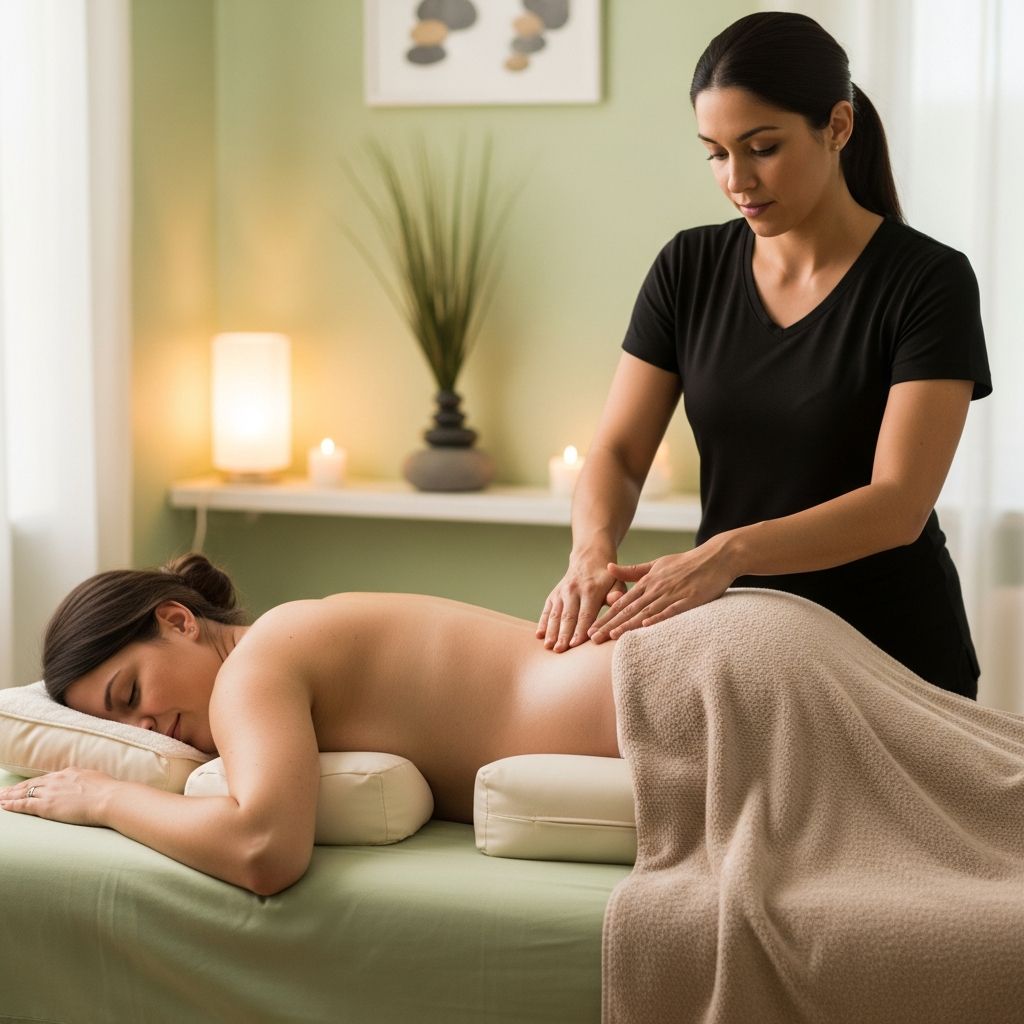
Prenatal massage provides targeted relief from the physical and emotional challenges of pregnancy, helping expectant mothers manage discomfort while supporting overall health for both mother and baby. This specialized form of bodywork uses gentle, adapted techniques to address common issues like back pain, swelling, and anxiety, with research confirming its efficacy in reducing stress hormones and improving birth outcomes.
Why Prenatal Massage Matters for Expectant Mothers
During pregnancy, the body undergoes profound changes, including weight gain, hormonal shifts, and postural adjustments that often lead to muscle tension, joint strain, and emotional fluctuations. Prenatal massage counters these by promoting relaxation, enhancing circulation, and balancing hormones such as cortisol and serotonin. Regular sessions, ideally bi-weekly, can lead to measurable improvements in mood, sleep quality, and even labor duration.
Studies from the National Institutes of Health demonstrate that women receiving consistent prenatal massage experience decreased depression, anxiety, and leg/back pain, alongside lower rates of prematurity. These benefits extend to newborns, with reduced cortisol levels and better behavioral assessments noted in offspring of massaged mothers.
Key Health Benefits Supported by Science
Prenatal massage offers multifaceted advantages, grounded in clinical evidence. Here’s a breakdown of primary gains:
- Stress and Hormone Balance: It lowers norepinephrine and cortisol while boosting serotonin, fostering emotional stability and reducing prenatal depression risks.
- Pain Alleviation: Targets sciatic nerve compression, backaches, headaches, and leg cramps caused by uterine pressure on pelvic muscles.
- Swelling Reduction: Enhances lymphatic drainage and blood flow, minimizing edema in extremities.
- Improved Sleep and Mood: Promotes dopamine and serotonin release, easing insomnia and mood swings from hormonal changes.
- Labor Preparation: Shortens labor by up to three hours and decreases medication needs, per NIH research.
| Benefit | Mechanism | Evidence Source |
|---|---|---|
| Reduced Anxiety | Decreased cortisol, increased serotonin | |
| Less Back Pain | Muscle tension release | |
| Shorter Labor | Improved vagal activity | |
| Better Circulation | Lymphatic stimulation |
Safety Guidelines for Prenatal Massage
While generally safe after the first trimester for low-risk pregnancies, prenatal massage requires precautions. Consult your healthcare provider first, especially with conditions like high blood pressure, preeclampsia, or placental issues. Therapists must be certified in maternity massage, using side-lying or semi-reclined positions to avoid supine hypotension from uterine pressure on major blood vessels.
Avoid deep tissue work, direct abdominal pressure, or essential oils without dilution. Sessions should last 45-60 minutes, focusing on gentle strokes. The Cleveland Clinic notes minimal risks when performed by licensed professionals, emphasizing oxytocin release for better bonding and contractions.
Essential Techniques for Home and Professional Use
Expectant mothers can learn basic techniques for self-massage or partner-assisted sessions, complementing professional care. Always use hypoallergenic oils and maintain hygiene.
Lower Back and Hip Relief
Position on your side with pillows supporting the belly and knee. Use effleurage—long, gliding strokes—from hips to lower back with light pressure. This eases sciatic pain by releasing pelvic tension. Partners can apply circular kneading motions around the sacrum for 5-10 minutes daily.
Leg and Foot Drainage
Elevate legs slightly. Start at ankles, stroking upward toward thighs to promote venous return and reduce swelling. Feather-light lymphatic strokes from toes to knees help drain fluids effectively. Repeat 3-5 times per leg, avoiding heavy pressure near varicose veins.
Neck and Shoulder Tension Release
Sit upright or semi-recline. Gently squeeze and roll shoulders, then use thumb circles on the upper trapezius. This alleviates headache triggers from postural strain. Incorporate scalp massage for added relaxation.
Full-Body Swedish Adaptation
Employ light petrissage (kneading) on arms and legs, avoiding the abdomen. Side-lying allows access to the full back with broad strokes, mimicking professional prenatal protocols.
For professionals, bolstered positioning ensures comfort, with focus on pressure points like the sacrum for labor prep.
Integrating Massage into Your Pregnancy Routine
Begin in the second trimester, aiming for weekly or bi-weekly sessions. Track benefits in a journal, noting pain levels and sleep quality. Combine with prenatal yoga or walking for amplified effects. Home practices build partner bonding, enhancing emotional connection to the baby.
Regularity yields cumulative gains: better circulation nourishes the placenta, while stress reduction supports fetal development. Expectant parents should prioritize certified providers via organizations like the American Pregnancy Association.
Common Discomforts Addressed by Massage
- Sciatica: Uterine pressure inflames nerves; massage releases surrounding muscles.
- Edema: Fluid buildup eases via drainage techniques.
- Headaches: Neck tension relief improves blood flow.
- Insomnia: Relaxation lowers cortisol for deeper rest.
Frequently Asked Questions (FAQs)
Is prenatal massage safe in the first trimester?
It’s typically advised to wait until after the first trimester unless cleared by a doctor, due to higher miscarriage risks.
How often should I get a prenatal massage?
Bi-weekly sessions are ideal, as studies show hormone improvements and better outcomes with this frequency.
Can partners perform prenatal massage at home?
Yes, with proper training or guidance from certified videos/books, focusing on gentle techniques.
Does it help with labor pain?
Research indicates it can shorten labor by up to 3 hours and reduce medication needs.
What if I have swelling or varicose veins?
Gentle lymphatic drainage is safe and effective; inform your therapist of concerns.
Choosing the Right Provider and Preparing for Sessions
Seek therapists with maternity certification from reputable bodies. Prepare by staying hydrated, wearing loose clothing, and communicating discomfort levels. Post-session, rest and note improvements to refine future approaches.
Prenatal massage empowers women to navigate pregnancy proactively, fostering resilience and joy. Its evidence-based benefits make it a cornerstone of modern maternal care.
References
- Benefits of Prenatal Massage | Is It Safe During Pregnancy? — Bella Sante. 2024-06-28. https://bellasante.com/blogs/news/benefits-of-prenatal-massage
- The Benefits of Prenatal Massage for Expecting Mothers — RMCCares. 2024-06-28. https://rmccares.org/2024/06/28/the-benefits-of-prenatal-massage-for-expecting-mothers/
- How Prenatal Massage Can Help Alleviate Common Pregnancy Discomforts — Lush Med Spa Tuscaloosa. 2024. https://lushmedspatuscaloosa.com/how-prenatal-massage-can-help-alleviate-common-pregnancy-discomforts/
- Prenatal Massage: Benefits and Safety Tips — The Bump. 2024. https://www.thebump.com/a/prenatal-massage-safety
- Pregnancy and labor massage — PMC – NIH. 2010-06-01. https://pmc.ncbi.nlm.nih.gov/articles/PMC2870995/
- Prenatal Massage Therapy — American Pregnancy Association. 2024. https://americanpregnancy.org/healthy-pregnancy/is-it-safe/prenatal-massage/
- Prenatal Massage: Benefits, Types and What To Expect — Cleveland Clinic. 2024. https://health.clevelandclinic.org/prenatal-massage