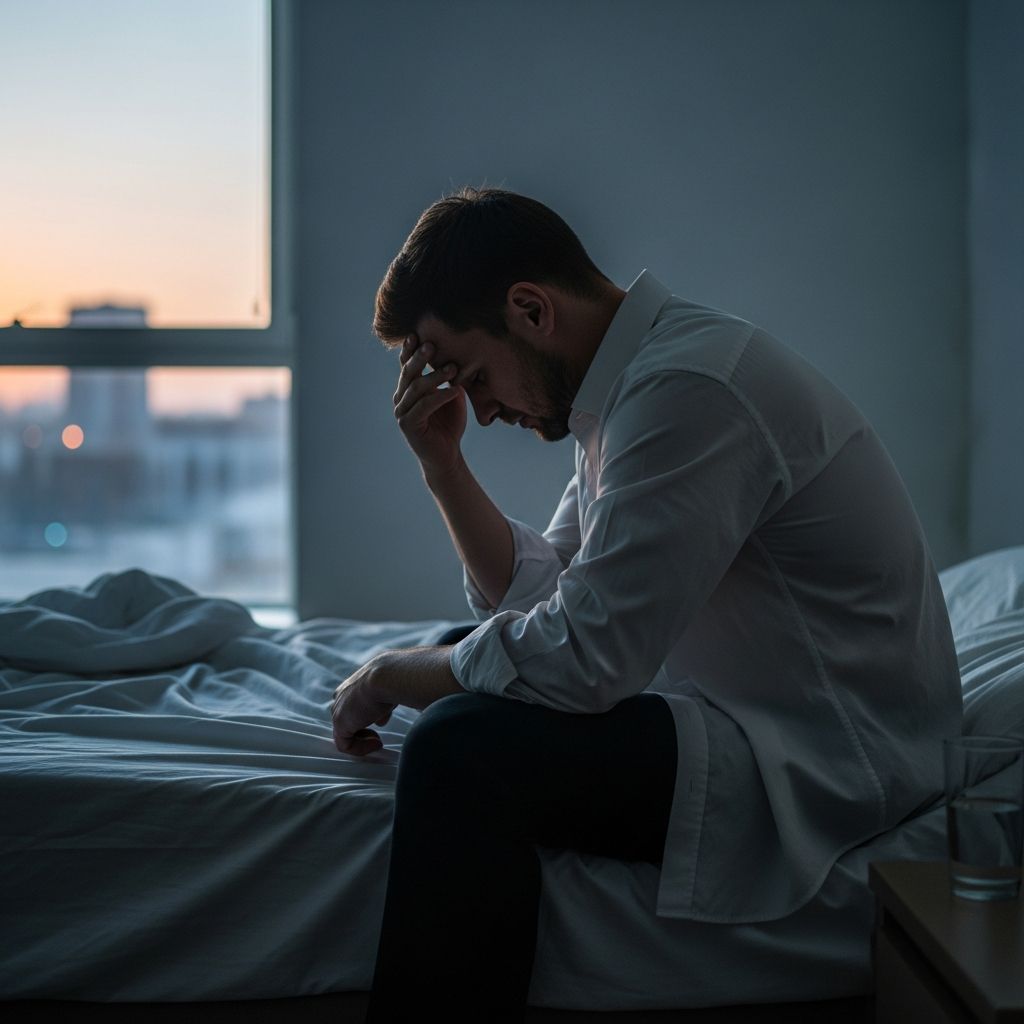
Many men report an unexpected wave of sadness, irritability, or emotional distance immediately following sexual climax, a phenomenon known as post-coital dysphoria (PCD) or post-coital tristesse (PCT). This condition affects a significant portion of the male population, with studies indicating that around 40% of men have encountered it at least once.
Understanding the Phenomenon
Post-coital dysphoria manifests as feelings of melancholy, low energy, agitation, or even aggression after orgasm, whether from intercourse or masturbation. Unlike the expected afterglow of satisfaction, those affected might feel inexplicably empty or detached. Research shows that 94.3% of individuals have experienced at least one such symptom in their lifetime, with men commonly reporting unhappiness and fatigue as primary indicators.
For men specifically, one large-scale study of over 1,200 participants found that 40% had faced PCT sometime in their lives, 20% within the prior month, and 3-4% regularly. This highlights that while not universal, it’s far from rare.
Hormonal Shifts Behind the Mood Dip
The brain’s chemical orchestra plays a starring role in post-sex blues. During arousal and orgasm, dopamine surges, creating pleasure and motivation. Post-climax, however, dopamine plummets, while prolactin rises sharply, often inducing relaxation but sometimes triggering irritability or sadness in susceptible individuals.
Testosterone, crucial for male mood regulation, energy, and libido, can exacerbate this if levels are low. Low testosterone doesn’t cause the dopamine drop but amplifies its emotional impact, leading to feelings of flatness or gloom. Other players like oxytocin (bonding hormone), serotonin (mood stabilizer), and cortisol (stress hormone) also fluctuate, contributing to varied responses—clarity for some, doom for others.
| Hormone | Role During Sex | Post-Orgasm Effect |
|---|---|---|
| Dopamine | Heightens pleasure | Sharp decline, potential crash |
| Prolactin | Promotes satiety | Rise linked to irritability |
| Testosterone | Supports mood/libido | Low levels worsen dysphoria |
| Oxytocin | Enhances bonding | Quick drop may cause detachment |
Psychological and Emotional Triggers
Beyond biology, psychological elements fuel PCD. Conditions like anxiety, depression, or a history of trauma—especially childhood sexual abuse—heighten risk. Men with these backgrounds may associate intimacy with vulnerability, surfacing guilt, shame, or regret post-orgasm.
Relationship dynamics matter too. Emotional disconnection, performance pressure, or unresolved conflicts can leave men feeling distant afterward. Cultural stigmas framing sex as taboo may instill unconscious guilt, particularly in conservative upbringings.
- Trauma History: Sexual abuse correlates strongly with recurrent PCT.
- Mental Health: Existing distress amplifies symptoms.
- Contextual Stress: Poor sleep, high stress, or fatigue intensify episodes.
Prevalence Statistics: How Common Is It?
PCD transcends gender but presents differently. Women often report mood swings and sadness, while men cite unhappiness and low energy. In a study, 91.9% noted symptoms in the past four weeks, with 73.5% after partnered sex and 46.6% after solo activity.
- 41% of men lifetime prevalence.
- 20% recent experience (past month).
- Women: More frequent sadness/frustration.
- Men: Predominant low energy/unhappiness.
These figures underscore that post-sex blues are a normalized, if under-discussed, experience.
Strategies to Combat Post-Sex Sadness
Managing PCD involves lifestyle tweaks, communication, and professional input when needed.
Lifestyle Adjustments
Boost testosterone naturally through weight training, adequate sleep (7-9 hours), a balanced diet rich in zinc and healthy fats, and limiting alcohol/smoking. Regular exercise stabilizes mood hormones.
Partner Communication
Open dialogues reduce isolation. Share experiences without blame: “Sometimes I feel off afterward—it’s not you.” Cuddling or non-sexual intimacy sustains oxytocin, countering detachment.
Mindfulness and Self-Care
Post-sex practices like deep breathing, meditation, or journaling process emotions. Building emotional resilience via therapy addresses root causes like trauma.
When to Consult a Professional
If episodes are frequent, severe, or linked to dysfunctions like erectile issues, seek evaluation. Blood tests confirm low testosterone; therapy unpacks psychological layers. Medications may help co-occurring anxiety/depression. Testosterone replacement therapy (TRT) is an option but requires monitoring for side effects like altered prolactin.
PCD rarely stands alone—it’s often intertwined with broader mental health, warranting holistic care.
Frequently Asked Questions (FAQs)
Is post-coital dysphoria the same as post-nut depression?
Yes, “post-nut depression” is slang for PCD/PCT, describing the mood drop after orgasm.
Does low testosterone always cause sadness after sex?
No, it can contribute but confirm via labs; it’s one factor among many.
Can PCD happen after masturbation?
Absolutely—46.6% report symptoms post-masturbation.
How long do symptoms last?
Typically 5 minutes to 2 hours, but varies.
Is PCD a sign of relationship problems?
It can signal disconnection but often stems from internal factors.
Long-Term Outlook and Prevention
With awareness and action, most men mitigate PCD effectively. Tracking triggers (stress, sleep) via a journal aids patterns. Fostering secure attachments and prioritizing mental health transforms post-sex from blues to bliss.
Emerging research promises deeper insights, but current evidence empowers proactive steps. Normalize discussions—it’s key to overcoming stigma.
References
- Post-coital tristesse – Wikipedia — Wikipedia Contributors. 2023-10-15. https://en.wikipedia.org/wiki/Post-coital_tristesse
- Sad After Sex? ‘Post-Coital Dysphoria’ Is Real—and Fixable — Men’s Health. 2024-05-20. https://www.menshealth.com/health/a65994033/post-sex-mood-swings-testosterone/
- Postcoital Symptoms in a Convenience Sample of Men and Women — PubMed. 2020-01-14. https://pubmed.ncbi.nlm.nih.gov/31937518/
- Understanding and Overcoming Post-Nut Depression — STDCheck. 2023-11-08. https://www.stdcheck.com/blog/confronting-post-nut-depression/
- Psychiatrist Explains, “Why Do I Feel Sad After Sex?” — Neuro Wellness Spa. 2024-02-12. https://neurowellnessspa.com/why-do-i-feel-sad-after-sex/
- Depression After Sex — Here’s How to Handle It — Healthline. 2023-07-19. https://www.healthline.com/health/healthy-sex/depression-after-sex