Every few years, a parenting trend resurfaces that splits parents into two camps: those who find it intuitive and natural, and those who cannot imagine trying it. One of the most controversial examples is “baby bird-style” feeding, where an adult chews food and then passes it to a baby, typically by placing it directly into the child’s mouth. This detailed guide explores what this practice is, why some families use it, what health experts say, and which safer alternatives you can consider for your baby.
What Is Baby Bird-Style Feeding?
“Baby bird-style” feeding, often called pre-mastication or pre-chewing, means that a caregiver chews solid food in their own mouth first and then gives it to an infant or toddler. The idea is to soften or partially break down the food before the child swallows it, similar to how many bird species regurgitate food for their chicks.
Parents who try this sometimes say it helps babies transition from milk or formula to solids, especially when the child has few or no teeth. Others associate it with a feeling of closeness and instinctive caregiving, while critics see it as unsanitary, risky, or simply unnecessary in modern environments.
- Also known as pre-mastication, pre-chewing, or pre-chewed feeding.
- Typically used with soft foods like fruits, vegetables, or rice rather than hard chunks of meat.
- Done either by spitting the chewed food onto a spoon or transferring it directly into the child’s mouth.
Why Some Parents Pre-Chew Food
Parents who feel drawn to baby bird-style feeding often frame it as an extension of responsive, child-led parenting. For some, it feels like a natural continuation of breastfeeding or chestfeeding, where the parent closely regulates temperature, texture, and timing of nourishment. Others view it as a way to offer whole foods before a baby is fully able to handle firmer textures alone.
Motivations can vary widely, but several common themes tend to show up among parents who defend or experiment with this practice.
Perceived Benefits for the Baby
- Texture control: The parent believes that chewing makes food safer and easier to swallow for a baby with few teeth.
- Digestive support: Some assume that saliva enzymes and partial breakdown may help the child digest complex foods more comfortably.
- Convenience and speed: Pre-chewing seems quicker than finding a blender, mashing food with utensils, or buying jarred baby food.
Emotional and Cultural Reasons
- Bonding and intimacy: Parents may feel that feeding this way creates a sense of closeness and trust similar to breastfeeding or skin-to-skin contact.
- Cultural tradition: In some cultures, pre-chewing food for infants has been a long-standing norm and is seen as an act of care and responsibility.
- Rejection of processed foods: Some families who focus on natural and unprocessed diets view pre-chewing as a way to avoid commercial baby products.
How Common Is Pre-Chewing in Human History?
Pre-mastication is not a new or fringe idea; historically, it has appeared in many societies. Long before blenders, food processors, and commercial baby foods existed, caregivers in different parts of the world chewed food before passing it to a baby. In settings where soft, processed foods were unavailable, this method provided a practical way to introduce meats, fibrous plants, and cooked grains.
Even today, anthropologists and public health researchers note that pre-chewing remains fairly common in some communities, particularly in low-resource settings or where traditional feeding methods are strongly preserved. The practice is sometimes viewed as a crucial step in helping infants transition from exclusive milk feeding to family foods.
| Approach | Typical Method | Key Motivations |
|---|---|---|
| Traditional pre-chewing | Caregiver chews food and transfers it directly to the baby. | Limited tools, cultural norms, perceived digestibility and bonding. |
| Modern spoon-feeding | Pureed food offered via spoon from jars or homemade mash. | Sanitation, portion control, convenience, commercial availability. |
| Baby-led weaning | Soft finger foods offered for self-feeding and exploration. | Independence, motor-skill development, family-style eating. |
What Pediatric Experts Say
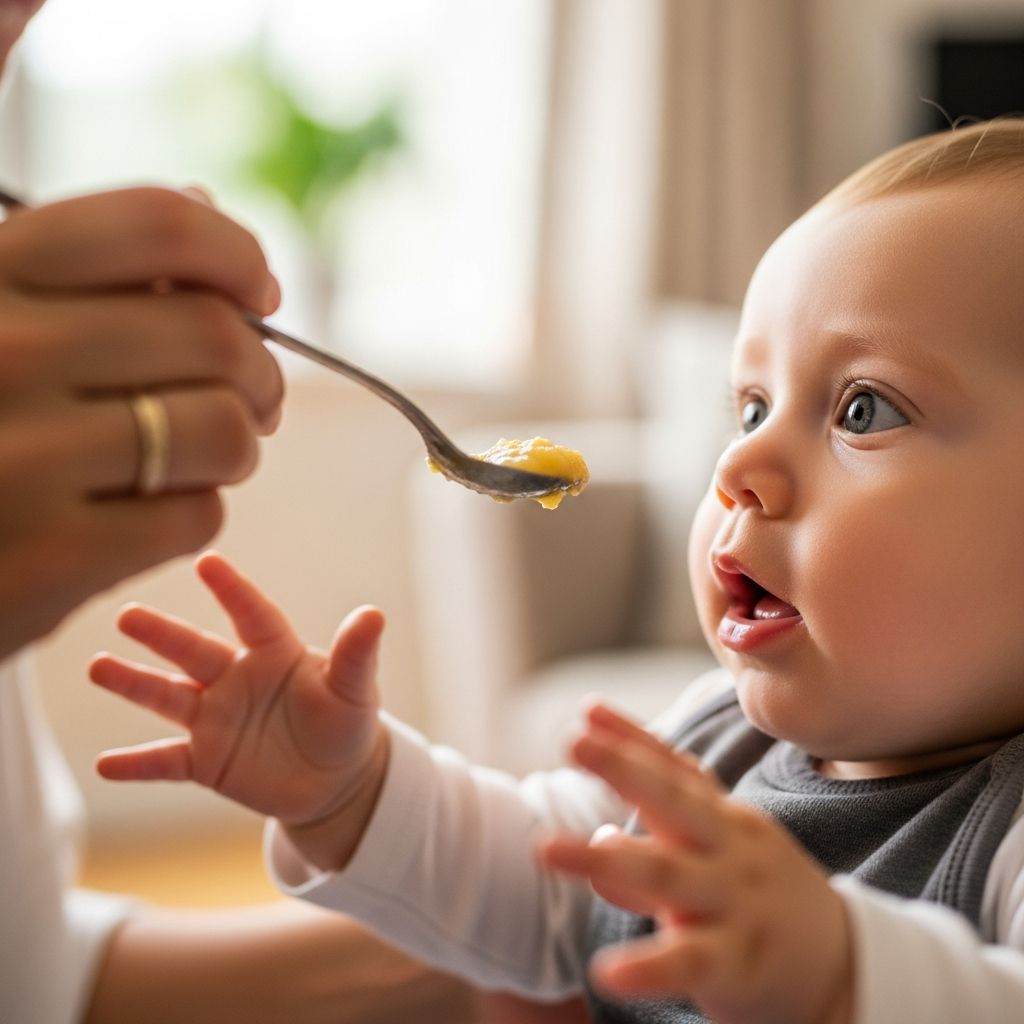
Most modern pediatric organizations and child health experts do not recommend pre-chewing food as a routine feeding method. Their guidance tends to focus on reducing infection risks, preventing choking, and encouraging age-appropriate textures using safer, more controlled methods such as mashing or blending. These recommendations reflect both advances in food technology and a better understanding of how infections spread.
Experts usually emphasize that, while pre-mastication may have been common historically, parents today have many safer alternatives that provide the same nutritional and developmental benefits without needing to share saliva.
- Health authorities prioritize basic hygiene, handwashing, and safe food preparation for all infant meals.
- Age-appropriate texture progression (from thin purees to soft lumps to small pieces) can be achieved with utensils and tools rather than pre-chewing.
- Feeding recommendations increasingly encourage responsive feeding, where the baby signals hunger and fullness, regardless of the chosen method.
Potential Health Risks of Baby Bird-Style Feeding
Even parents who feel comfortable with the idea of pre-chewing need to be aware of possible health concerns. The biggest issue is that human saliva can carry pathogens—bacteria, viruses, and other microorganisms—that adults tolerate but infants cannot. An adult may have no symptoms yet still pass infections that become serious in a developing immune system.
Pre-chewing also reduces the level of control a parent has over portion size and texture. While many caregivers are extremely careful, the process is less precise than using a spoon or blender, which can raise the chances of accidental choking or overfeeding.
Infection-Related Concerns
- Transfer of oral bacteria associated with tooth decay, gum disease, and oral infections.
- Possible transmission of viral illnesses and other communicable diseases through saliva.
- Added risk for babies who are premature, medically fragile, or have compromised immune systems.
Choking and Texture Issues
- Difficulty ensuring that every bite is uniformly soft and safe for an inexperienced eater.
- Risk that small, chewy fragments remain even after chewing, which may be hard for a baby to manage.
- Less opportunity for the caregiver to visually inspect the exact size and consistency of each mouthful.
Attachment, Intimacy, and Boundaries
Parents who embrace baby bird-style feeding often link it with attachment parenting, a philosophy that emphasizes physical closeness, responsiveness, and sensitivity to a child’s cues. Feeding in a highly intimate way, including breastfeeding on demand and wearing the baby against the body, can help some families feel deeply connected.
The challenge is distinguishing between practices that strengthen emotional bonds and those that may blur boundaries or introduce preventable health risks. Attachment does not require sharing saliva; cuddling, eye contact, talking, singing, and responsive feeding with spoons or cups can meet both physical and emotional needs without relying on pre-chewing.
- Healthy attachment can be supported through comforting rituals like bedtime routines, babywearing, and responsive feeding.
- Setting boundaries around hygiene and safety is also part of sensitive parenting, even if it means rejecting practices that feel instinctive at first.
Safer Alternatives to Pre-Chewing
Parents who are curious about baby bird-style feeding often share a common goal: they want their babies to enjoy real food, family meals, and strong emotional bonds. Fortunately, there are many practical ways to meet those goals without directly sharing chewed food. These techniques respect a baby’s developmental stage while reducing avoidable health risks.
By adjusting textures, using simple kitchen tools, and following basic food-safety guidelines, caregivers can offer nutritious, varied foods in a way that feels both natural and safe.
Practical, Hygienic Feeding Options
- Fork-mashed foods: Soft fruits, cooked vegetables, beans, and grains can be mashed with a fork to create a lumpy, baby-friendly consistency.
- Blended purees: A small blender or food processor produces smooth purees, ideal for early solid feeding.
- Silicone feeders: Mesh or silicone feeders allow babies to suck and chew safely on soft foods inside a protective pouch.
- Baby-led weaning: Offering soft strips or bite-sized pieces of food for self-feeding, under close supervision, helps develop chewing and coordination.
Tips for Safe Texture Progression
- Start with very smooth purees or thin mashed foods when solids are first introduced.
- Gradually move toward thicker, lumpier textures as your baby becomes more confident and coordinated.
- Offer one new food at a time to monitor tolerance and potential allergic reactions.
Social Reactions and Parenting Judgment
One reason baby bird-style feeding ignites heated debates is that it challenges social norms about hygiene and personal space. Many adults respond with instinctive discomfort or disgust at the idea of sharing chewed food, even if they intellectually understand that the practice has historical roots. This reaction can lead to online shaming, arguments in parenting groups, and conflict among friends or family members.
At the same time, parents who are experimenting with unconventional feeding methods may feel defensive or misunderstood. Navigating this tension means balancing respect for cultural traditions and individual choices with legitimate concerns about health and safety, especially for very young children.
- Parents can expect a wide range of opinions, from enthusiastic approval to strong disapproval.
- Calm, fact-based conversations usually work better than accusations or shaming, particularly in multicultural or extended-family settings.
Practical Guidelines If You Still Consider It
Some caregivers, especially in families where pre-chewing is a long-standing norm, may still choose to use baby bird-style feeding at times. If that is the case, it becomes especially important to handle the practice as safely and thoughtfully as possible. This means considering the health status of the adult, the baby’s age, and the context in which the food is offered.
While health authorities generally advise skipping pre-chewing altogether, parents who decide to proceed can still take steps that lower (though never eliminate) potential risks.
Risk-Reduction Tips
- Avoid pre-chewing if the adult has any mouth sores, bleeding gums, active infection, or chronic illness that can be transmitted via saliva.
- Use very soft, simple foods rather than tough meats or mixed textures that are harder to break down consistently.
- Offer only tiny portions at a time and watch for any signs of gagging, coughing, or distress.
- Maintain excellent oral hygiene, including regular dental checkups and daily brushing and flossing, to reduce harmful bacteria.
- Discuss the practice with a pediatrician, especially if the child has special health needs or a history of feeding difficulties.
Frequently Asked Questions (FAQs)
Is baby bird-style feeding ever medically recommended?
In most modern clinical settings, health professionals do not recommend pre-chewing as a first-line method for feeding infants. Safer options such as purees, fortified infant cereals, and well-mashed family foods allow health teams to better manage texture, hygiene, and nutrition. In rare or extreme situations where tools are unavailable, clinicians may focus on broader nutritional strategies rather than endorsing pre-mastication outright.
Does pre-chewing help prevent allergies?
There is no broad medical consensus that pre-chewing food protects babies from developing food allergies. Current allergy-prevention guidelines tend to emphasize early, controlled introduction of potential allergens (such as peanuts or eggs) in age-appropriate forms under pediatric guidance. Pre-chewing does not replace these evidence-based approaches and may introduce other risks unrelated to allergies.
Is it more natural to pre-chew food like animals do?
Many animals, including some bird and mammal species, do deliver food to their young in ways that resemble pre-chewing or regurgitation. However, human feeding practices have evolved alongside improvements in cooking, food storage, sanitation, and medical knowledge. What feels “natural” is not always the safest choice in environments where safer, equally nurturing alternatives exist.
Can pre-chewing damage a baby’s teeth?
Infant teeth are vulnerable to bacteria that cause cavities, and these bacteria can be transmitted through shared saliva. While a single exposure does not guarantee dental problems, repeatedly sharing saliva through pre-chewed food, shared utensils, or mouth-to-mouth contact can increase the risk that cavity-causing bacteria colonize a child’s mouth early on. Good oral hygiene habits and avoiding saliva-sharing methods help protect developing teeth.
What if my family or culture expects me to pre-chew food?
Many parents live at the intersection of cultural expectations and modern health advice. If pre-chewing is a tradition in your family, it can help to have open, respectful conversations with elders about current medical recommendations and alternative ways to show care. In some cases, families may choose a compromise, such as serving very soft, mashed family foods instead of directly sharing chewed bites.
Key Takeaways for Modern Parents
Baby bird-style feeding is a deeply polarizing topic because it touches on instinct, culture, safety, and the intense emotions that surround caring for infants. Historically, pre-chewing played a practical role in helping babies transition to solid family foods when tools and processed options were limited. Today, however, most parents have access to safer, more hygienic alternatives that still offer rich opportunities for bonding and responsive feeding.
Ultimately, every family must weigh tradition, personal comfort, and medical guidance when making feeding decisions. Whatever method you choose, focusing on safety, nutrition, and emotional connection will serve your baby far better than following or rejecting any single trend.