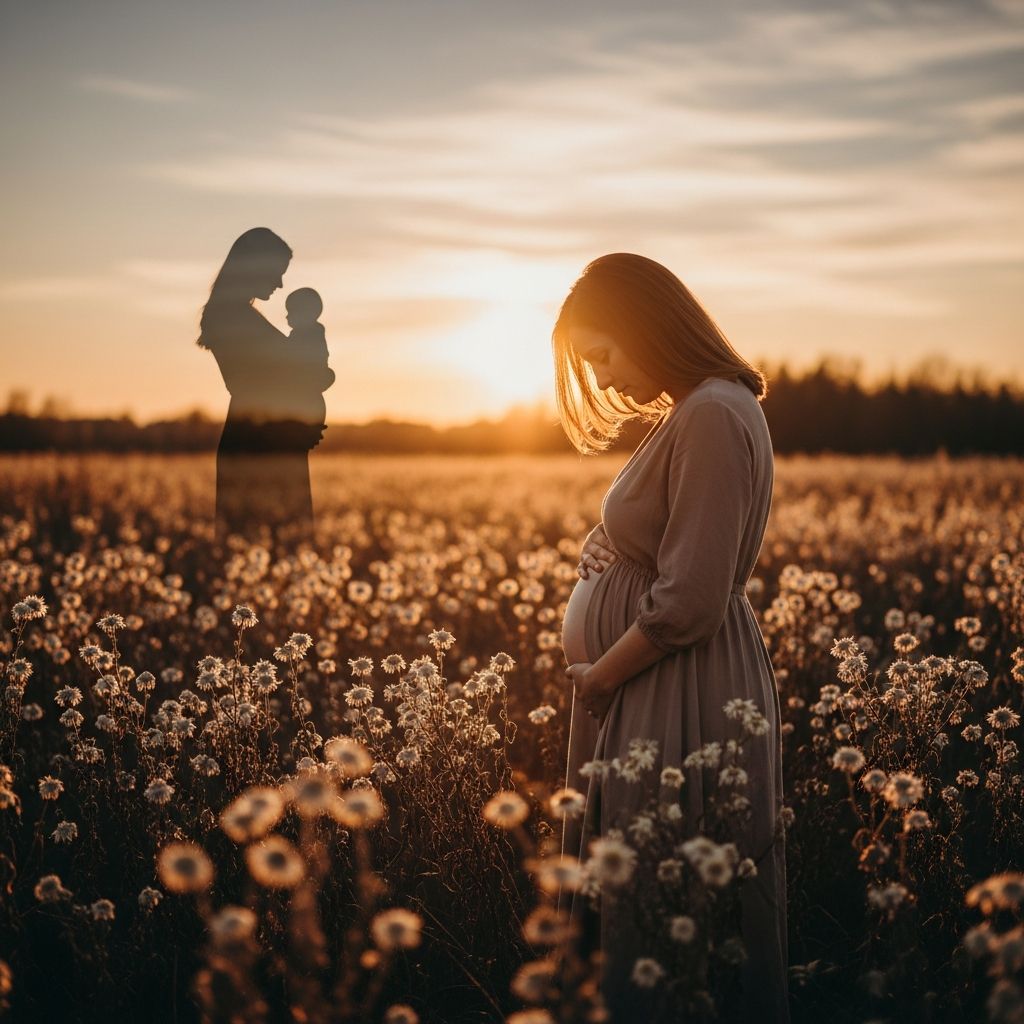
Pregnancy transforms a woman’s body, mind, and spirit in profound ways, creating moments of pure magic that many mothers later yearn to relive. Even as they embrace their newborns, the unique sensations and deep connections forged during those nine months linger as cherished memories.
The Magical Physical Transformations
One of the most enchanting aspects of pregnancy is the visible and felt changes to the body. The **baby bump** becomes a badge of honor, a living testament to the life growing inside. Mothers often recall how their skin glowed with an otherworldly radiance, attributed to hormonal shifts that enhance circulation and collagen production.
This natural luminosity fades postpartum, leaving many to miss that effortless beauty. The sensation of fullness, where every movement reminds you of the tiny kicks and rolls, creates an intimate awareness of one’s body that feels lost after birth. Breasts, once tender and purposeful in preparation for nursing, shift roles abruptly, sometimes evoking a sense of longing for their pre-delivery state.
- The gentle weight of the belly, providing a comforting presence throughout the day.
- Increased hair thickness and shine due to elevated estrogen levels.
- A heightened sense of smell and taste, making everyday experiences vivid.
These changes, while temporary, imprint deeply, turning the body into a vessel of wonder.
Emotional Depths and Intuitive Bonds
Beyond the physical, pregnancy fosters an unparalleled emotional connection. From the first ultrasound heartbeat, a profound bond forms, one that feels telepathic. Mothers describe knowing their baby’s preferences even before birth—craving certain foods because the little one ‘wanted’ them, or feeling soothed by specific music playing over the bump.
This intuition peaks in the third trimester, where dreams about the baby become vivid, almost prophetic. Postpartum, this direct line of communication shifts to cries and cues, requiring interpretation rather than the instinctive knowing of pregnancy. Many miss this unspoken dialogue, a private world shared only between mother and child.
| Pre-Birth Connection | Post-Birth Adjustment |
|---|---|
| Instinctive knowledge of baby’s needs via movements and cravings | Learning through trial and error with feeding and soothing |
| Constant physical reminders of baby’s presence | Separate entities, building new interaction patterns |
| Dreams and visions fostering emotional depth | Real-world responsiveness shaping the bond |
Navigating this transition can stir complex feelings, blending joy with subtle grief for the pregnancy phase.
Sensory Overload: Nature’s Symphony
Pregnancy heightens all senses, turning ordinary moments into symphonies. The world feels brighter, sounds more melodic—especially the baby’s hiccups, like tiny symphonies from within. Food takes on new dimensions, with flavors exploding in ways that linger in memory.
Mothers often reminisce about nesting urges, that primal drive to prepare a perfect haven. Blankets folded just so, tiny outfits arranged meticulously—these acts provided purpose and peace. After birth, the nest is complete, but the energy shifts to survival mode, leaving little room for such serene rituals.
- Hearing the whoosh of amniotic fluid amplifying every flutter.
- Feeling the baby’s position changes like an internal dance.
- Savoring the excuse to indulge in comfort foods guilt-free.
Daily Life Perks That Disappear
Pregnancy grants unspoken privileges: priority parking spots, doors held open, genuine compliments from strangers. Conversations pivot to the miracle within, making every interaction meaningful. Postpartum, these fade, replaced by questions about sleep deprivation rather than shared awe.
The license to rest becomes a distant dream. Excuses for naps or early bedtimes vanish, as motherhood demands constant vigilance. Many long for that societal permission to prioritize bodily needs without apology.
Hormonal Rollercoaster: Euphoria and Serenity
Hormones orchestrate an emotional symphony, peaking in euphoria around the second trimester. That ‘pregnancy glow’ isn’t just skin-deep; it’s a state of serene contentment, where worries melt away under the promise of new life. After delivery, the plunge into baby blues or full postpartum shifts can feel jarring.
Reflecting on this, mothers appreciate how pregnancy enforced mindfulness—pausing to rub the belly, breathing through Braxton Hicks, celebrating milestones like viability week by week.
Reliving Through Siblings and Future Dreams
For those with multiple children, each pregnancy etches unique memories. The first might bring awe, the second confidence, the third a mix of exhaustion and expertise. Missing one doesn’t diminish others; it highlights pregnancy’s irreplaceable role in family-building.
Dreaming of future pregnancies keeps the spark alive, a hope that tempers the immediate challenges of newborn life.
Navigating Postpartum Nostalgia
It’s normal to feel this pull toward pregnancy amid newborn bliss. Journaling bump photos, sharing stories with other moms, or planning ‘pregnancy remembrance’ rituals help honor these feelings. Therapy or support groups normalize the bittersweet transition, affirming that loving your baby doesn’t preclude missing gestation.
Physical recovery varies, but emotional healing involves embracing both phases—celebrating the body that created life while adapting to its new normal.
Frequently Asked Questions (FAQs)
Is it common to miss being pregnant after giving birth?
Yes, many mothers experience postpartum nostalgia for pregnancy’s unique sensations and bonds, viewing it as a natural part of the motherhood journey.
How long does pregnancy longing typically last?
Feelings often peak in the first few months postpartum but can resurface during milestones or future family planning, varying by individual.
Does missing pregnancy mean I’m not enjoying motherhood?
Not at all; it’s possible to deeply love your child while cherishing distinct pregnancy memories, reflecting the multifaceted nature of maternal emotions.
Can talking about this help with postpartum adjustment?
Absolutely—sharing with partners, friends, or professionals validates experiences and fosters emotional balance during the transition.
What if these feelings intensify into sadness?
If nostalgia evolves into persistent low mood or anxiety, consult a healthcare provider to explore postpartum support options.
This exploration reveals pregnancy as a fleeting gift, one whose echoes enrich the lifelong adventure of motherhood. (Word count: 1678)
References
- Pregnancy loss: Consequences for mental health — PMC – NIH. 2023-02-20. https://pmc.ncbi.nlm.nih.gov/articles/PMC9937061/
- Finding Emotional Support After Pregnancy Loss — American College of Obstetricians and Gynecologists (ACOG). 2023. https://www.acog.org/womens-health/experts-and-stories/the-latest/finding-emotional-support-after-pregnancy-loss
- The hidden grief of miscarriage — American Psychological Association (APA). 2024-06. https://www.apa.org/monitor/2024/06/hidden-grief-miscarriage
- Emotions after a miscarriage — Miscarriage Association. Accessed 2026. https://www.miscarriageassociation.org.uk/your-feelings/common-feelings/
- Experiencing a pregnancy loss — Pregnancy Birth & Baby. Accessed 2026. https://www.pregnancybirthbaby.org.au/experiencing-a-pregnancy-loss
- Emotional Healing After a Miscarriage — Georgetown University School of Nursing. Accessed 2026. https://online.nursing.georgetown.edu/blog/emotional-healing-after-miscarriage-georgetown-nursing/