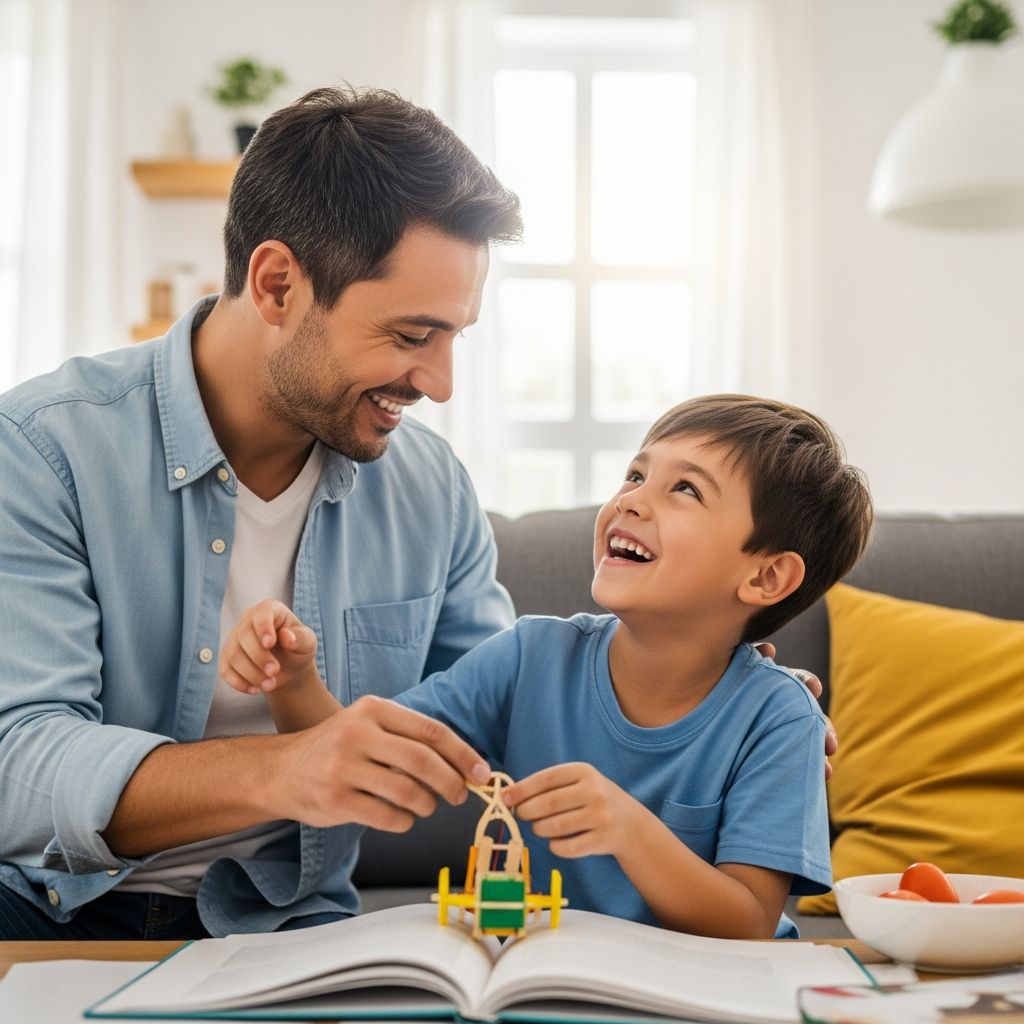
Single-parent families often face societal judgments, with terms like “broken home” implying inherent damage to children. In reality, these households can nurture resilient, independent kids who develop unique strengths. Research shows most children in such families grow normally, gaining maturity and emotional skills that rival or exceed those from two-parent setups.
Challenging the ‘Broken Home’ Narrative
The label “broken home” suggests failure, but single-parent families demonstrate that wholeness comes from love, stability, and support, not structure alone. Longitudinal studies confirm that while some children face hurdles, many thrive due to focused parenting and adaptive environments. Factors like poverty or parental stress influence outcomes more than family type. This shift in perspective empowers parents to reject stigma and embrace their family’s potential.
Children in these homes learn early that family means connection, not perfection. They witness parents overcoming obstacles, fostering admiration for perseverance. Instead of division, separation from conflict often creates calmer spaces where kids feel secure.
Key Strengths That Build Strong Children
Single parenting offers distinct advantages that shape well-rounded individuals. Here’s how these dynamics contribute positively:
- Undivided Focus and Love: Without spousal distractions, parents pour full attention into their children, strengthening bonds and emotional security.
- Teamwork and Responsibility: Kids step up with chores, learning accountability and planning from a young age, turning potential burdens into growth opportunities.
- Resilience Through Change: Adapting to new routines builds adaptability, preparing children for life’s unpredictability better than stable but unchanging homes.
These elements create a foundation for success, with children often emerging more empathetic and self-reliant.
Fostering Independence and Maturity Early
One hallmark of single-parent homes is accelerated maturity. Children contribute to household duties, from budgeting to daily tasks, grasping financial realities young. This involvement boosts self-esteem and problem-solving, as they share decision-making with parents.
Studies note that these kids develop elevated emotional regulation, avoiding exposure to inter-parental fights that erode confidence in two-parent families. Boys learn emotional openness, while girls see women succeeding solo, challenging rigid gender norms.
| Benefit | Impact on Child | Supporting Evidence |
|---|---|---|
| Household Responsibilities | Increased maturity and self-reliance | Children become responsible team players |
| Avoided Parental Conflict | Higher self-esteem, less stress | Calmer environments promote well-being |
| Financial Awareness | Strong budgeting skills | Early lessons in saving and priorities |
Emotional Growth and Family Bonds
Close relationships flourish in single-parent setups. Sharing responsibilities forges tight-knit ties, with children feeling deeply valued. Positive parenting—emphasizing discussion over punishment—enhances this, teaching collaborative solutions.
Extended networks from childcare or relatives instill belonging, expanding family beyond biology. Kids grow empathetic, supporting other single parents later in life, benefiting society.
While emotional challenges like loneliness can arise from absent parents, proactive parenting mitigates this through quality time and routines.
Navigating Challenges with Proven Strategies
Single parents juggle demands, but targeted approaches maximize benefits:
- Establish daily routines for discipline and time management.
- Praise efforts to build confidence and encourage good behavior.
- Involve kids in age-appropriate decisions for ownership.
- Seek community support to prevent isolation.
Poverty remains a key hurdle, linked to poorer outcomes, but resources and mental health focus can equalize prospects. Most children adjust well, proving structure isn’t destiny.
Long-Term Outcomes: Success Stories
Evidence debunks myths: many from single-parent homes excel academically and socially when supported. They enter adulthood with resilience, appreciating hard work and diverse family views. Surveys show public belief in single parents’ efficacy, aligning with data on normal development.
These families redefine success, proving love and effort trump numbers.
Frequently Asked Questions
Do children in single-parent homes face more emotional issues?
Some may experience challenges like low self-esteem, but most develop normally, especially without conflict exposure. Parental stress and poverty impact more than family type.
Can single parents provide equal opportunities?
Yes, through focused attention and responsibility-building. Kids often gain unique skills like independence, closing gaps with peers.
How does single parenting affect gender views?
It promotes flexibility: daughters see self-sufficiency, sons value emotions, fostering enlightened roles.
What routines help single-parent families thrive?
Consistent schedules, shared chores, and undivided time foster discipline and bonds.
Are single-parent kids more resilient?
Often yes—they adapt to change early, building perseverance for life.
Empowering Single Parents for Tomorrow
Single-parent homes cultivate leaders by emphasizing strengths over deficits. Parents model tenacity, kids absorb it, creating cycles of empowerment. Society gains compassionate adults who value diverse families.
Embrace your setup: undivided love, shared loads, and growth await. Research affirms these families aren’t broken—they’re resilient.
References
- Single Parenting: Impact on Child’s Development — Sage Journals. 2023. https://journals.sagepub.com/doi/10.1177/09731342231179017
- Blessings & Challenges of Being a Single Parent — California Coast University. 2023-10-12. https://www.calcoast.edu/news/blessings-challenges-being-single-parent
- The Wonderful Ways Kids Benefit from Having a Single Parent — Kiddipedia. 2023. https://kiddipedia.com.au/the-wonderful-ways-kids-benefit-from-having-a-single-parent/
- What Are the Advantages of a Single-Parent Family? — MedicineNet. 2024. https://www.medicinenet.com/what_are_the_advantages_of_a_single-parent_family/article.htm
- Child Well-Being in Single-Parent Families — Annie E. Casey Foundation. 2023. https://www.aecf.org/blog/child-well-being-in-single-parent-families