Parenting demands immense energy, but neglecting personal needs can lead to exhaustion and strained relationships. Embracing a balanced approach—often mislabeled as “selfish”—actually strengthens family ties and child development by modeling self-respect and emotional health.
Redefining Self-Prioritization in Family Life
In modern parenting discourse, the idea of focusing on oneself often carries a negative connotation, evoking images of neglectful caregivers. However, true balance involves intentional self-care that replenishes a parent’s capacity to nurture. Psychological research distinguishes this from harmful selfishness: self-care reduces stress and burnout, enabling greater emotional availability for children. Parents who maintain their well-being demonstrate that individual needs matter, teaching kids reciprocity in relationships.
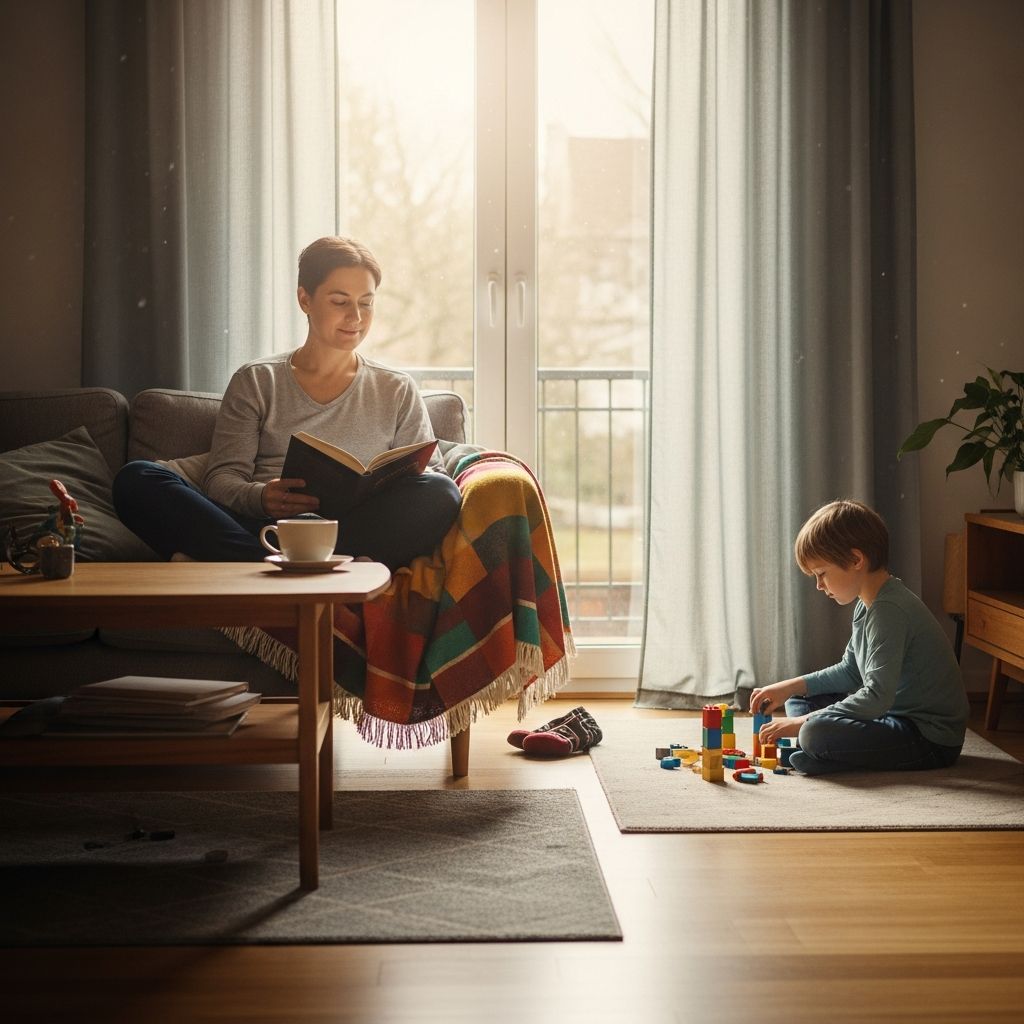
Consider the spectrum: at one end, extreme self-sacrifice breeds resentment; at the other, unchecked self-absorption harms attachment. The healthy middle promotes fulfillment, where parents pursue hobbies, exercise, or rest without guilt. This isn’t indulgence—it’s foundational for sustainable parenting.
The Science Behind Self-Care for Parents
Studies on parental burnout highlight the risks of over-sacrifice. When caregivers ignore their limits, they experience irritability, detachment, and diminished responsiveness, which disrupts child-parent bonds. Conversely, self-regulating parents foster secure attachments, as outlined in attachment theory. A parent’s emotional regulation directly influences their attunement to a child’s cues.
Evidence from peer-reviewed work shows self-care practitioners report lower stress and higher life satisfaction, spilling over into warmer family interactions. For instance, routine activities like gym sessions or quiet reading time recharge cognitive bandwidth, making parents more patient and engaged. This balance prevents the chronic exhaustion that signals overextension, such as persistent headaches or sleep issues.
| Self-Sacrifice Risks | Balanced Self-Care Benefits |
|---|---|
| Chronic fatigue and irritability | Increased emotional availability |
| Resentment toward family | Stronger, healthier relationships |
| Burnout and detachment | Modeled resilience for children |
How Personal Fulfillment Shapes Child Development
Children intuitively sense their parents’ satisfaction levels. A fulfilled parent radiates positivity, influencing kids to seek similar self-determined partners in adulthood. By pursuing personal interests, parents teach separation and independence—key developmental milestones. When kids venture out and return to approving, self-assured caregivers, they gain confidence to explore further.
This modeling extends to relationships: parents who assert needs effectively demonstrate communication skills, preparing children for peer and romantic interactions. Sons and daughters learn to value partners who balance selfhood with care, fostering equitable marriages. Moreover, happier parents create joyful homes, where children remember nurturing environments rather than tense ones.
Overcoming Guilt and the Inner Critic
Many parents battle an internal voice labeling self-care as selfish, rooted in cultural ideals of total devotion or past experiences. This guilt can stem from childhood conditioning or societal pressures, triggering anxiety when boundaries are set. Countering it requires reframing: “I deserve replenishment to give my best” replaces self-critical loops.
- Identify guilt triggers, like skipping kids’ events for personal time.
- Challenge thoughts with evidence of improved parenting post-self-care.
- Practice positive affirmations to build self-compassion.
Therapeutic approaches, such as processing early traumas, break cycles where parental overwhelm affects generations. Balanced parents thus cultivate secure, connected families.
Practical Strategies for Daily Balance
Implementing self-prioritization starts small. Schedule non-negotiable “me time,” like morning walks or evening journaling, treating it as essential as meal prep. Communicate needs assertively to partners—shift from requests to requirements for shared loads.
For parents of young children, prepare for evolving phases: instill habits now for later reclamation of identity. Older kids benefit from seeing parents model growth, sparking adult friendships built on shared interests.
- Assess energy levels weekly: Track fatigue signs and adjust accordingly.
- Delegate household tasks: Involve family in equitable sharing.
- Pursue one passion monthly: Reconnect with pre-parenthood joys.
- Set tech boundaries: Protect recharge periods from distractions.
These steps enhance spousal attraction too—confident, vocal parents draw partners in, modeling vitality for kids.
Long-Term Family Gains from Parental Selfhood
Years down the line, self-prioritizing parents enjoy deeper adult-child bonds. Common interests emerge from maintained identities, fueling conversations and activities. Children, raised with balanced examples, navigate independence confidently, free from codependency.
Family systems thrive when parents avoid burnout’s pitfalls. Secure attachments form through attuned, resilient caregiving, yielding emotionally regulated offspring. This enlightened approach aligns self-interest with altruism: thriving parents raise thriving generations.
Frequently Asked Questions
Is prioritizing myself as a parent truly selfish?
No—it’s essential self-care that prevents burnout and models healthy boundaries for children, supported by research on emotional regulation.
How does self-care affect my child’s attachment?
It strengthens secure attachment by boosting your responsiveness and resilience, as per attachment theory studies.
What if my partner doesn’t support my self-care time?
Communicate needs clearly as requirements, not favors, to teach effective advocacy and share loads equitably.
Can this approach work for single parents?
Yes—focus on micro-habits like short daily breaks to sustain energy amid solo demands.
Will my kids resent my personal pursuits?
On the contrary, they’ll value your fulfillment, leading to stronger adult relationships.
Building a Legacy of Balanced Nurturing
Embracing self-prioritization transforms parenting from draining duty to joyful partnership. By valuing your needs, you equip children with tools for resilient lives. Start today: one small act of self-respect ripples through your family, creating harmony and growth for all.
References
- Why Being a Selfish Mom Really Helps Your Kids — Cerina Griffin, Pine Mountain Counseling. Accessed 2026. https://www.pinemountaincounseling.com/blog-posts/why-being-a-selfish-mom-really-helps-your-kids
- Finding Balance: Selfless VS Selfish Parenting — Attuned Therapy. Accessed 2026. https://attunedtherapy.ca/selfless-vs-selfish-parent/
- Excerpt: ‘Selfish Reasons To Have More Kids’ — VPM.org / NPR. 2011-04-21. https://www.vpm.org/npr-news/2011-04-21/excerpt-selfish-reasons-to-have-more-kids