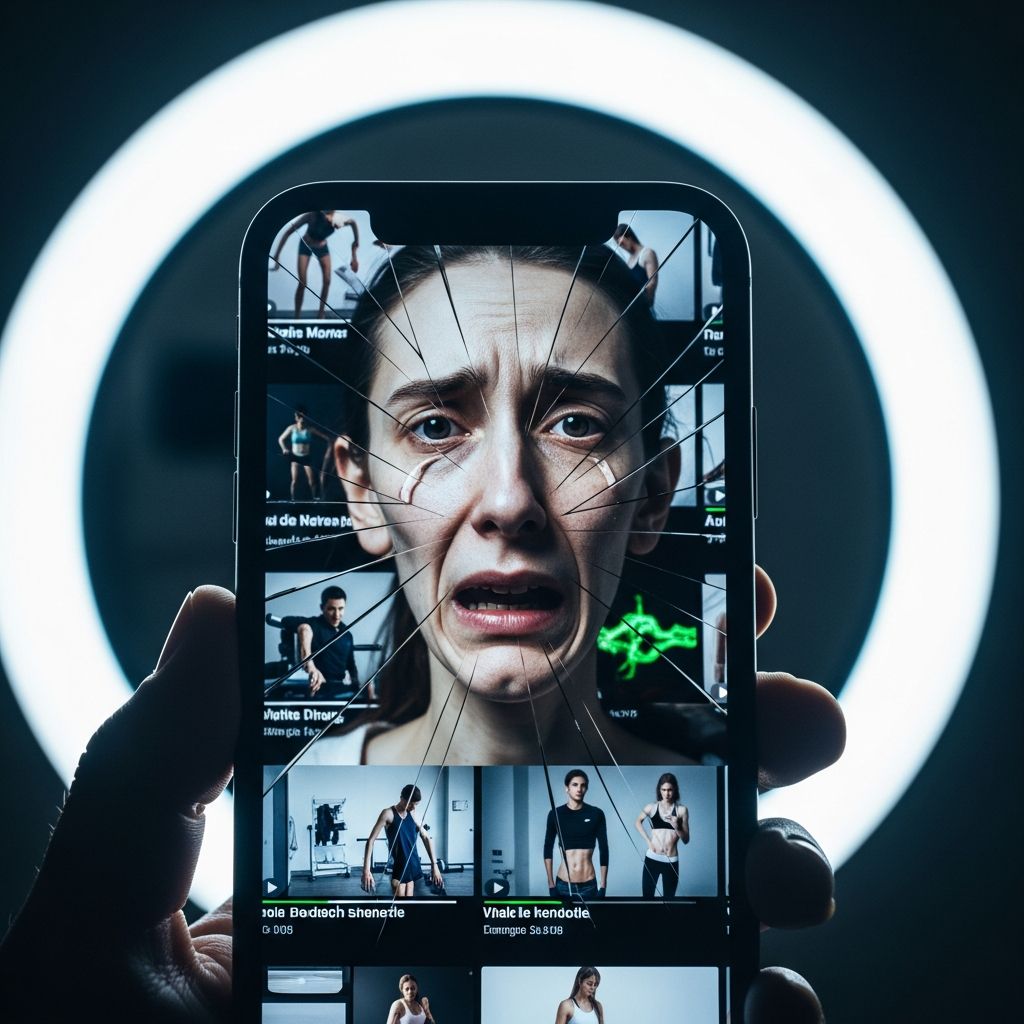
The digital landscape of social media platforms like TikTok has birthed countless trends, but few are as insidious as SkinnyTok. This viral movement romanticizes extreme thinness, packaging dangerous weight-loss tactics as empowering lifestyle choices. Emerging prominently in recent years, SkinnyTok has amassed millions of views, drawing in vulnerable audiences, particularly adolescents, with promises of confidence through caloric restriction and relentless exercise. While platforms attempt moderation, the content’s allure persists, resurfacing under new guises and exacerbating body dissatisfaction among young users.
Decoding the SkinnyTok Phenomenon
SkinnyTok represents a niche within TikTok where creators share content centered on achieving and maintaining an ultra-slim physique. Videos typically feature “what I eat in a day” montages showcasing minuscule portions, such as a single apple or black coffee, alongside rigid routines like 10,000 daily steps or intermittent fasting hacks. These posts often employ motivational rhetoric, framing hunger as discipline and thinness as the gateway to happiness and success. What begins as seemingly innocuous fitness advice quickly veers into territory that echoes historical pro-anorexia (pro-ana) communities from the early internet era.
Unlike balanced wellness content, SkinnyTok emphasizes appearance over health, with filters and editing tools distorting bodies to unreal proportions. Creators like Liv Schmidt, who once boasted nearly 700,000 followers, popularized phrases such as “eat less, move more” and “laziness causes weight gain,” presenting them as universal truths. Though her account was banned, similar influencers continue, adapting to platform algorithms that prioritize engagement over safety.
Roots in Pro-Anorexia Culture
SkinnyTok is not an isolated fad; it revives the pro-ana movement of the 2000s, where online forums glorified eating disorders as lifestyles of control. Modern iterations disguise these ideals in wellness language, avoiding overt disorder promotion while still encouraging behaviors like purging tips, over-exercising, and thinspiration imagery. A 2022 investigation revealed TikTok’s algorithm pushes such content to users with eating disorder histories at over three times the rate, even without searches, leading to rapid declines in body satisfaction after mere minutes of exposure.
This algorithmic amplification creates echo chambers, where users receive tailored feeds reinforcing thin ideals. Research from 2023 links heavy TikTok use to heightened comparison, negative self-talk, and disordered eating in adolescents, underscoring how platforms inadvertently fuel mental health crises.
Psychological and Physical Toll on Youth
The consequences of SkinnyTok extend far beyond fleeting insecurity. Regular exposure correlates with body dysmorphia, where individuals perceive their bodies as flawed despite evidence otherwise. For teens, whose brains are wired for social comparison during identity formation, this can trigger restrictive eating, excessive exercise, or worse, full-blown eating disorders like anorexia nervosa.
| Risk Factor | Impact | Affected Groups |
|---|---|---|
| Body Dissatisfaction | Low self-esteem, depression | Adolescents (76% of UK TikTok users aged 15-24) |
| Unrealistic Goals | Unsafe diets, over-exercise | LGBTQIA+ youth, mental health history |
| Social Pressure | Bullying normalization | Girls in all-girls schools (55% cite TikTok influence) |
Surveys indicate 1 in 5 teens feel insecure due to social media, with trends like SkinnyTok amplifying pressures alongside weight-loss drug hype like Ozempic. Physical risks include malnutrition, electrolyte imbalances, and cardiac issues, while psychological scars linger, hindering long-term well-being.
Vulnerable Populations Under Siege
Adolescents and young adults form SkinnyTok’s core audience, but certain groups face heightened dangers. LGBTQIA+ individuals grapple with compounded body dysphoria and societal marginalization, making them prime targets. Those with prior mental health issues or eating disorder histories receive algorithmically curated toxic feeds, perpetuating cycles of harm. In educational settings, girls report TikTok as the top influence on appearance ideals, with 36% citing “what I eat in a day” videos as major triggers.
- Teens aged 15-24: Primary users, vulnerable during identity development.
- LGBTQIA+ youth: Amplified dysphoria from underrepresentation in positive spaces.
- History of disorders: Algorithms push pro-ana content 3x more.
Platform Responses and Their Shortcomings
TikTok has intervened by banning #SkinnyTok outright, displaying warning messages like “You are more than your weight” and linking recovery resources upon searches. Variant hashtags evade bans, sustaining communities. Critics argue these measures are reactive; the damage from viral exposure precedes moderation. Broader industry accountability lags, as engagement-driven algorithms prioritize sensational content over user safety.
Empowering Parents: Protection Strategies
Parents play a pivotal role in countering SkinnyTok’s influence. Open dialogues about media literacy demystify filtered realities, teaching teens to question “perfect” bodies. Curate feeds by following body-positive accounts promoting diversity and strength over size. Encourage offline pursuits—sports, arts, volunteering—to build self-worth independent of likes.
- Monitor and Discuss: Review apps together, unpack trend motivations.
- Promote Balance: Model intuitive eating, varied movement.
- Seek Support: Use apps like luna for guided body image discussions.
- Build Resilience: Foster hobbies enhancing skills and teamwork.
Educators can integrate lessons on digital wellness, sparking talks on high-character choices amid online pressures.
Cultivating Positive Online Alternatives
Combat SkinnyTok by amplifying counter-narratives. Body-positive creators showcase realistic journeys, mental health advocacy, and inclusive fitness. Trends celebrating strength, joy, and functionality gain traction, offering teens affirming spaces. Parents and educators should champion these, helping youth discern health from thinness obsession.
Frequently Asked Questions (FAQs)
What exactly is SkinnyTok?
SkinnyTok is a TikTok trend promoting extreme thinness through low-calorie meal videos, weight-loss tips, and thin-glorifying rhetoric, often masking disordered eating as discipline.
Why is SkinnyTok harmful to teens?
It fosters body dissatisfaction, unrealistic standards, and risky behaviors, with algorithms targeting vulnerable users and linking to eating disorders.
How can parents spot SkinnyTok influence?
Watch for obsession with steps, calorie tracking, restrictive eating, or echoing phrases like “don’t reward with food.”
Has TikTok banned SkinnyTok?
Yes, the hashtag is banned with warnings, but variants persist; users should report harmful content.
What are healthy alternatives to SkinnyTok?
Follow diverse, body-positive accounts, prioritize joy-focused activities, and practice media skepticism for balanced self-image.
Long-Term Solutions for a Healthier Digital Future
Addressing SkinnyTok demands multifaceted action: stricter platform regulations, AI-driven content filters, and societal shifts toward inclusivity. Research underscores social media’s role in body image crises, urging policymakers to enforce age-appropriate safeguards. Meanwhile, communities thrive by prioritizing mental health education, ensuring the next generation views bodies as vessels for life, not validation metrics.
By staying vigilant, fostering critical thinking, and modeling self-acceptance, guardians can shield youth from thinness tyranny. The fight against SkinnyTok is ongoing, but armed with knowledge, positive change is within reach.
References
- Shrinking ideals: Why the resurgence of ‘skinny’ and trends like SkinnyTok — Orri UK. 2023. https://www.orri-uk.com/shrinking-ideals-why-the-rise-of-skinny-and-trends-like-skinnytok-is-more-than-just-a-concerning-trend/
- The SkinnyTok Social Media Trend Explained — VICE. 2023. https://www.vice.com/en/article/the-skinnytok-social-media-trend-explained/
- What’s the Deal with #SkinnyTok? — Alliance for Eating Disorders Awareness. 2023. https://www.allianceforeatingdisorders.com/whats-the-deal-with-skinnytok/
- What is SkinnyTok and should parents worry? — We Are Luna. 2023. https://weareluna.app/parents/guides/mental-health-and-wellbeing/skinnytok-explained/
- What Educators Should Know About “#SkinnyTok” — The Social Institute. 2023. https://thesocialinstitute.com/blog/what-educators-should-know-about-skinnytok-and-the-rise-of-body-image-pressures-online/