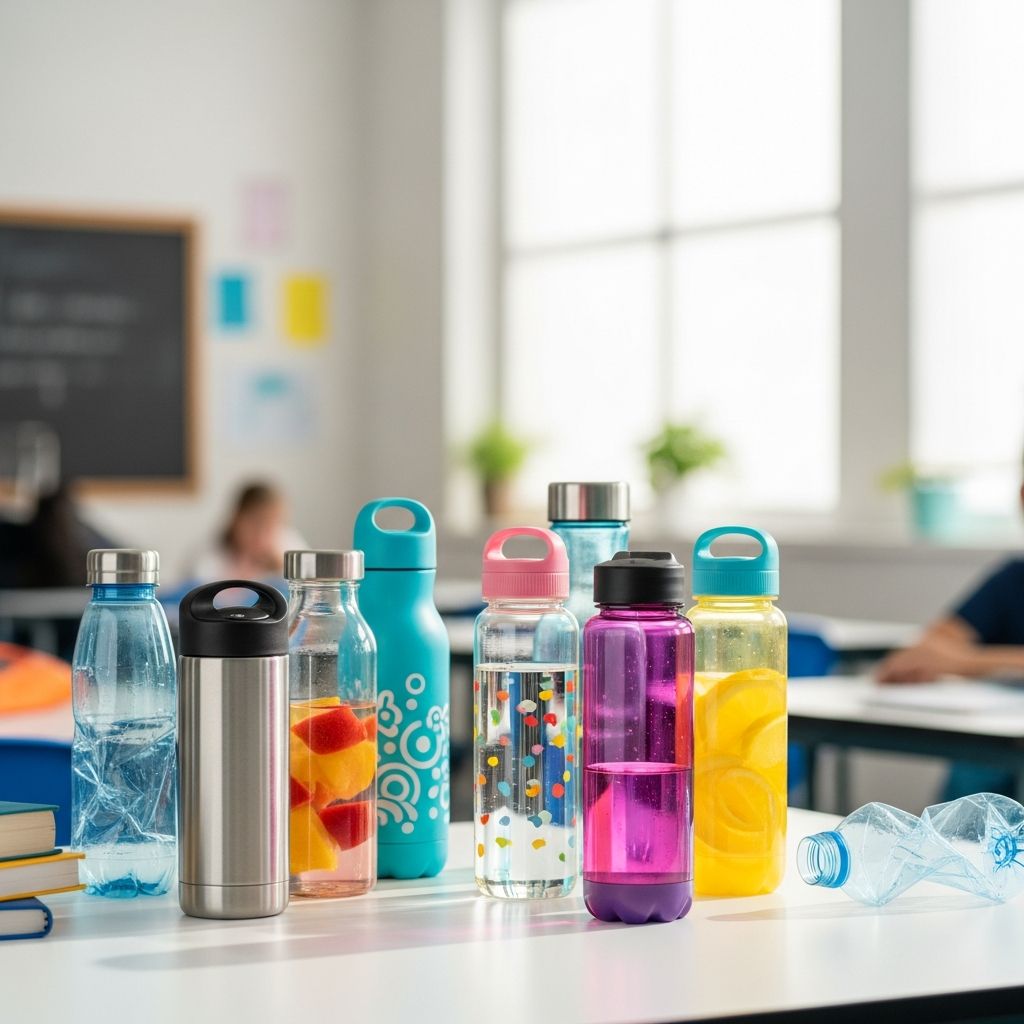
Every school day, millions of students grab plastic water bottles for quick hydration, but this habit fuels massive waste, health risks, and unnecessary costs. Switching to reusable bottles and refill stations offers a smarter path forward, benefiting kids, schools, and the planet.
The Hidden Toll of Plastic Bottles in Classrooms
Single-use plastic bottles dominate school life due to their convenience, available from vending machines and stores. Yet, this ease comes at a steep price. In one UK school, staff and students discarded over 30,000 bottles yearly, representing 22.7% of total plastic waste. Across the US, public schools generate over 14,500 tons of waste daily, much from plastic packaging in lunches and drinks.
These bottles linger in landfills for centuries, breaking down into microplastics that pollute oceans and enter the food chain. Marine life ingests them, mistaking plastic for food, leading to contamination that affects human health through seafood consumption. Production also guzzles oil—millions of barrels annually for manufacturing and shipping—exacerbating climate change.
Health Hazards Lurking in Every Sip
Beyond environmental damage, plastic bottles expose children to harmful chemicals. Studies detect nearly 25,000 chemicals in bottled water, including BPA and phthalates, which disrupt hormones and link to cancers and developmental issues. Developing bodies absorb these toxins more readily, raising long-term risks for students.
Traditional fountains often deter use due to perceived poor quality, pushing kids toward sugary alternatives or plastic bottles. Filtered refill stations change this, boosting clean water intake by 250% in some cases, as 87% of users prefer them over fountains. Proper hydration sharpens focus and cognition, per Cambridge research linking water access to better learning.
Financial Burdens on Families and Schools
Daily bottle purchases strain family budgets—reusable options cut these expenses dramatically. One reusable bottle replaces 156 single-use ones over a year. Schools face rising waste management costs; recycling plastics saves 36% over trash disposal, yet low rates like 15% in some districts inflate expenses.
| Cost Comparison | Plastic Bottles (Annual, per Student) | Reusable + Refill (Annual) |
|---|---|---|
| Purchase Cost | $150–$300 | $20–$50 (one-time) |
| School Waste Fees | High (14,500 tons/day US-wide) | Reduced by 30,000+ bottles/school |
| Health Savings | Sugary drinks add obesity risk | 31% less weight gain |
This table highlights clear savings, making the switch economically viable.
Proven Solutions: Refill Stations and Reusables
Water bottle fillers with filters provide unlimited fresh water, slashing plastic use. A Los Angeles charter school banned single-use bottles, installing stations and selling reusables at vending prices, becoming the first K-12 plastic-free public campus. Universities like Penn followed suit, dotting campuses with stations.
- Install filtered fillers: Counters track bottles saved, engaging students visually.
- Distribute reusables: Programs like Beaches Go Green supply free bottles and lessons.
- Ban sales: Phase out vending machine plastics, promote bring-your-own.
- Educate: Integrate lessons on pollution to build lifelong habits.
These steps align with zero-waste goals, as seen in USC’s campus initiatives.
Boosting Student Wellness Through Better Access
Easy water refills encourage frequent hydration, vital for young brains. Dehydration impairs concentration; accessible stations ensure steady intake. German studies show free water cuts childhood obesity by 31%, while US data across 1,227 schools links access to fewer allergies, asthma, and growth pains.
Hygiene improves too—touchless fillers reduce germ spread versus shared fountains or vending grabs, potentially lowering absences. Healthier choices replace sodas, fostering habits that combat weight gain and boost performance.
Building a Culture of Sustainability
Schools lead by example. Bottle fillers signal commitment, sparking discussions on pollution. Pair with waste audits, compostable trays like Baltimore’s, and eco-projects for holistic impact. Student-led drives, like those eliminating personal plastics, inspire peers.
Comprehensive strategies include energy efficiency and gardens, embedding green values. This prepares kids for a sustainable future, reducing global plastic crisis contributions.
Steps for Parents to Drive Change
Parents hold power: pack reusables, advocate for fillers, join petitions. Supply bottles for classrooms or sponsor stations. Back-to-school, choose stainless steel or BPA-free options—durable for daily use.
- Research school policies on plastics.
- Contact admins about refill installations.
- Teach kids refill routines.
- Support local bans via PTAs.
Collective action yields results, as proven in ban campaigns.
Frequently Asked Questions
Are plastic water bottles really that bad for the environment?
Yes, they account for 22.7% of plastic waste, take centuries to decompose, and pollute oceans via microplastics.
Do refill stations save schools money?
Absolutely—reduced waste cuts disposal costs by up to 36%, plus lower vending reliance.
Will kids actually use reusable bottles?
With engaging fillers and education, yes; consumption rises 250% with trusted filtered water.
What health benefits come from ditching plastics?
Fewer chemical exposures, better hydration for cognition, and 31% reduced obesity risk.
How can parents start at home?
Buy durable reusables, model habits, and push school policies via advocacy.
Long-Term Wins for Generations Ahead
Transitioning from plastic bottles transforms schools into wellness hubs. Reduced waste, healthier students, and cost savings create ripple effects. Programs worldwide show feasibility—now’s the time for universal adoption. Parents equipping kids with reusables sets the stage for planetary health.
References
- The role of water bottle fillers in reducing single-use plastic waste in schools — Cactus Water Systems. 2023. https://www.cactuswatersystems.co.uk/guides/water-bottle-fillers-reducing-single-use-plastic-schools
- Public School Reliance on Plastic Harms Student’s Health and the Environment — Earth Day. 2023-04-03. https://www.earthday.org/public-school-reliance-on-plastic-harms-students-health-and-the-environment/
- Should Plastic Water Bottles be Allowed in Schools? — FloWater. 2023. https://drinkflowater.com/should-plastic-water-bottles-be-allowed-in-schools/
- Ban Plastic Water Bottles In The School District — Starflower Experiences. 2023. https://www.starflowerexperiences.org/sustainablewyandanch/Ban%20Plastic%20Water%20Bottles%20In%20The%20School%20District.pdf
- These students are working to eliminate plastic in their lives, one bottle at a time — WSLS. 2022-04-25. https://www.wsls.com/solutionaries/2022/04/25/these-students-are-working-to-eliminate-plastic-in-their-lives-one-bottle-at-a-time/